Dokha tobacco
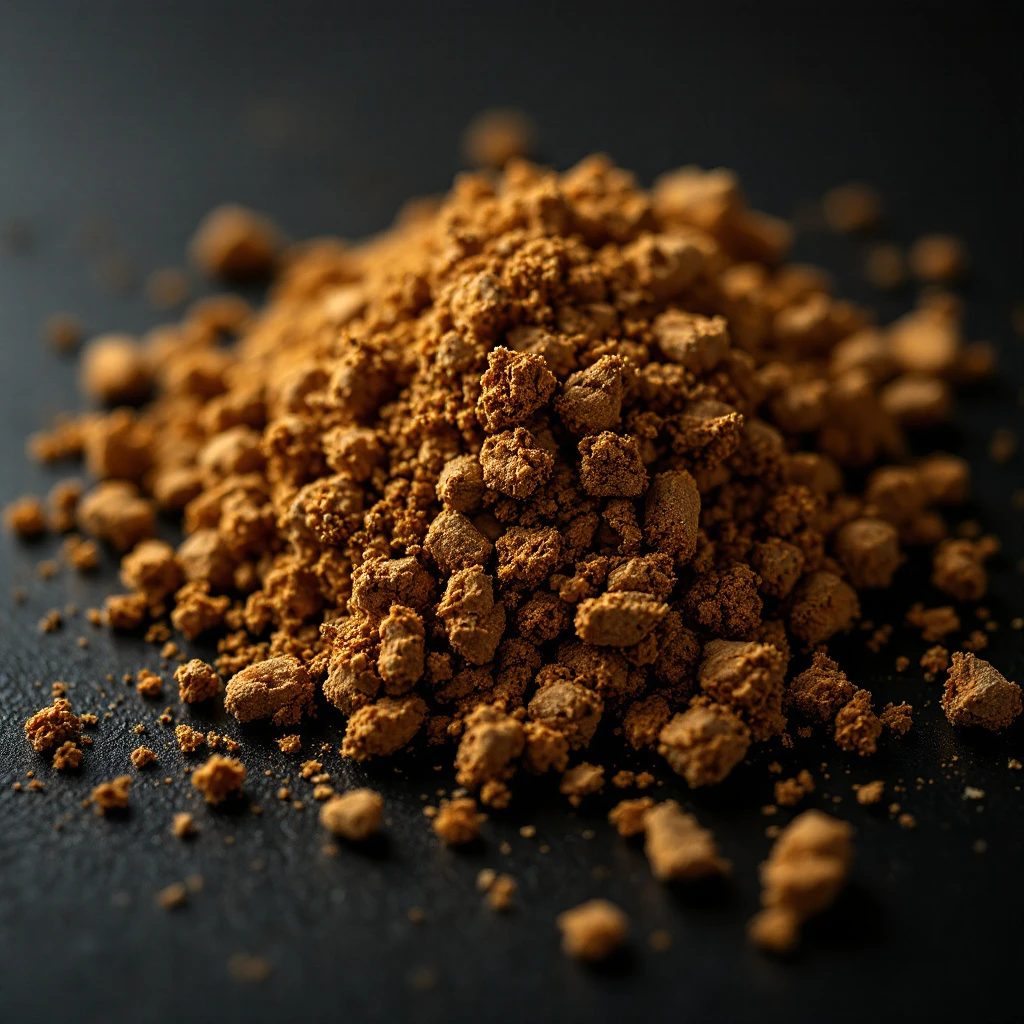
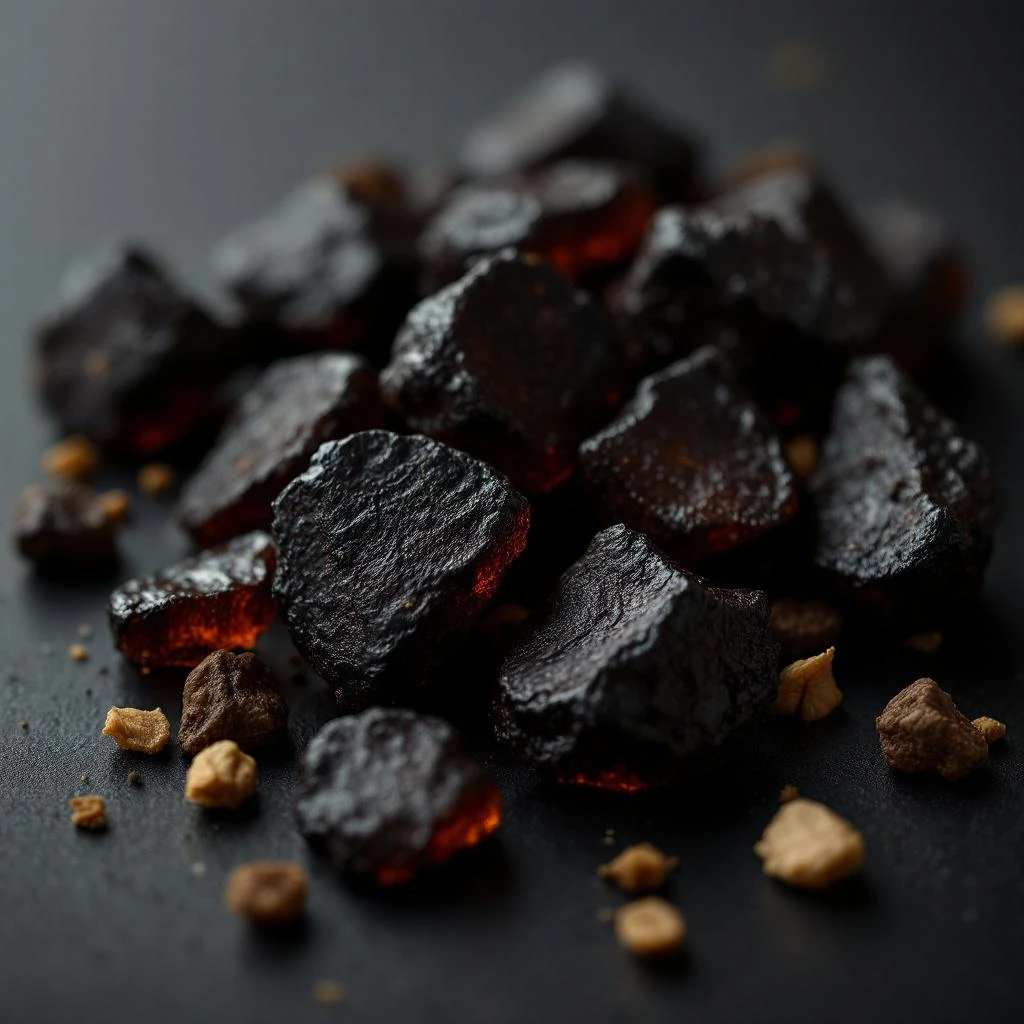
Dokha is a pure, minimally processed tobacco with roots in 16th-century Persia. Sun-dried and ground to a fine powder, it delivers a sharp, unadulterated tobacco intensity unlike fermented hookah preparations. Perfumers treasure its raw, smoky character as a bridge between Eastern tradition and Western composition.
Character
How it smells
A 500-year-old tobacco tradition from the mountains of Iran
Dokha tobacco contains no added molasses or syrups, unlike hookah shisha, giving it a noticeably harsher, more direct character.




Origin
Iran
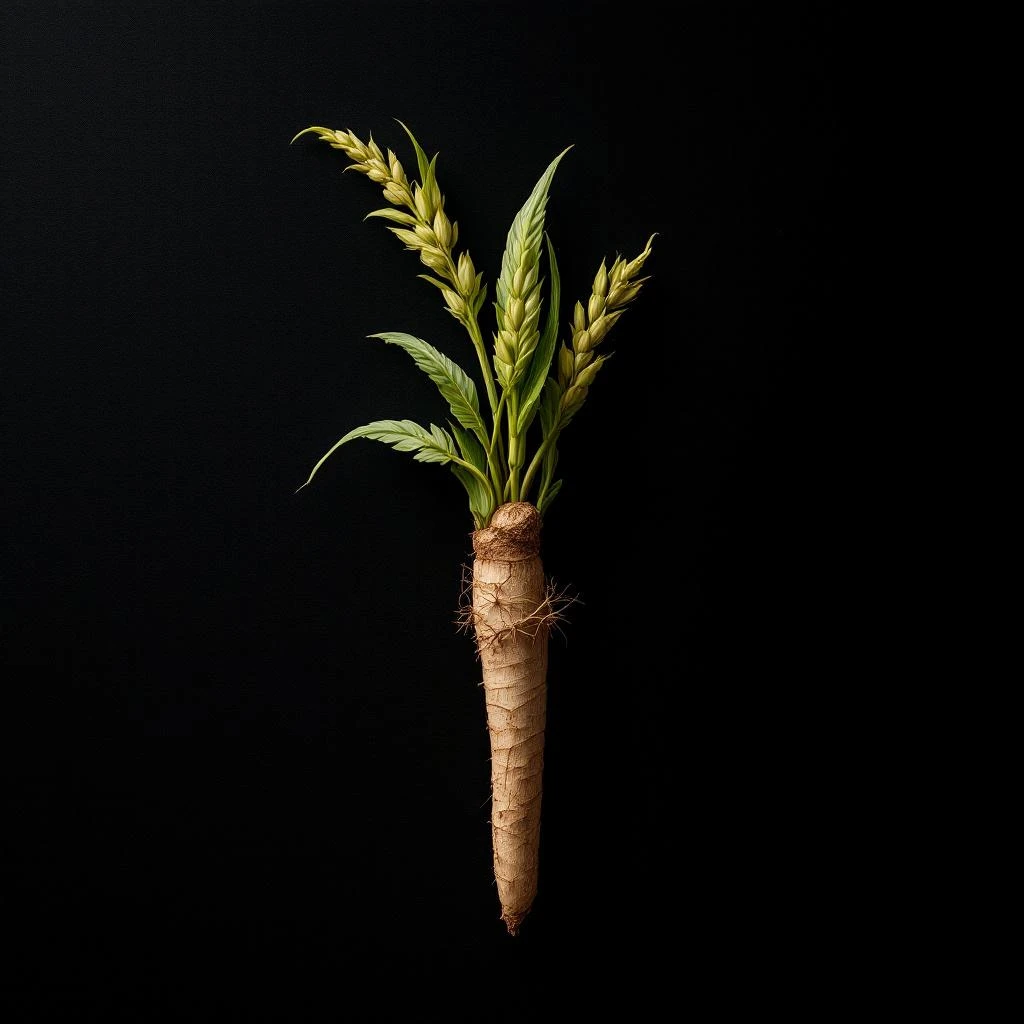
The first documented use of dokha tobacco appears in the late 1500s, originating in the mountainous regions of northern Iran. Local populations used it both recreationally and medicinally, recognizing the stimulant properties of pure, unprocessed tobacco leaves. Over centuries, dokha migrated along Persian Gulf trade routes into the United Arab Emirates and across the Arabian Peninsula, where fishermen, Bedouins, and merchants adopted the practice.
The introduction of the midwakh pipe, a small handheld device designed specifically for dokha, cemented its cultural role. Unlike the sweetened, fermented tobacco preparations that became prevalent in hookah culture, dokha maintained its austere character, representing a direct connection to tobacco's earliest aromatic use in the region.
Wears it best
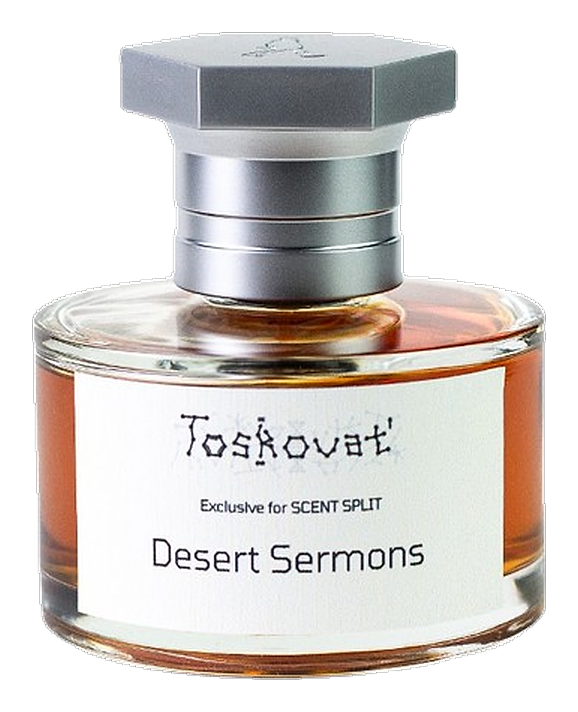
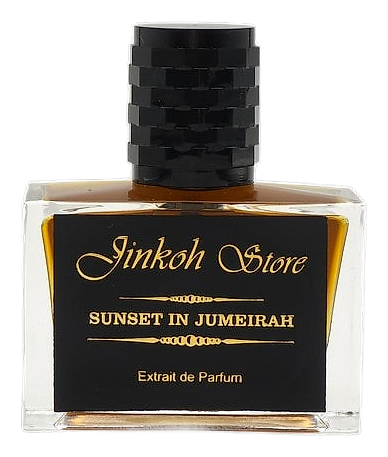
Fragrances featuring Dokha tobacco
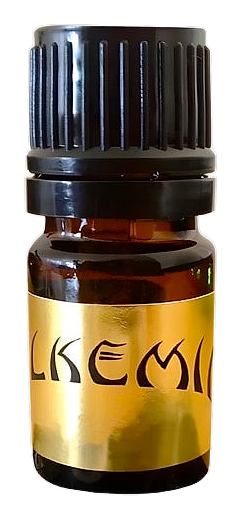
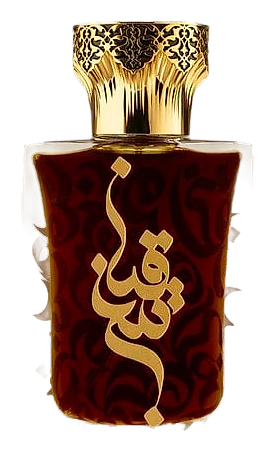
Brands
Brands known for Dokha tobacco
Good to know
Questions, answered
The essentials on Dokha tobacco in perfumery: how it smells, where it comes from, and how it behaves on skin.
What is dokha tobacco?
Dokha is a pure, minimally processed tobacco made from sun-dried leaves ground into a fine powder, originating in Iran in the 1500s. Unlike sweetened hookah tobacco, it contains no added molasses or fermentation agents, giving it a raw, intense character that perfumers use to create bold, smoky compositions.
How is dokha different from other tobacco used in perfumery?
Most perfumery tobacco uses cured, fermented leaves or extracts blended with sweet notes to create rounded, complex accords. Dokha skips fermentation entirely, delivering a direct, unadulterated tobacco intensity that reads as sharper and more austere in fragrance compositions.
Where does dokha tobacco come from?
Dokha originated in the mountains of northern Iran during the late 1500s. The practice spread eastward along Persian Gulf trade routes into the UAE and across the Arabian Peninsula, where it became embedded in local traditions and remains culturally significant today.
Why is dokha used in high-end perfumery?
Dokha brings an authentic tobacco intensity that more processed forms cannot replicate. Perfumers in the Gulf region and beyond use it to create fragrances with cultural depth, connecting contemporary compositions to centuries-old olfactory traditions.
What does dokha smell like on its own?
Neat dokha tobacco has a dry, slightly harsh aroma with earthy, green, and smoky dimensions. The absence of added sugars or flavorings means it reads as a true tobacco note rather than the sweeter, dessert-like tobacco accords common in Western perfumery.
How has dokha influenced Arabic fragrance traditions?
Dokha shaped a distinctly Arabian tobacco culture separate from hookah. Traditional dokha pipes called midwakh became social fixtures in Gulf communities, inspiring perfumers to incorporate its raw, smoky character into oud and bakhoor-based compositions.
Does dokha contain any added ingredients?
Pure dokha consists only of dried, ground tobacco leaves. Some commercial blends incorporate spices such as cardamom, cinnamon, or dried herbs after processing, but the base tobacco itself remains unprocessed beyond sun-drying and grinding.
Is dokha related to hookah tobacco?
Both dokha and hookah tobacco come from the tobacco plant, but they undergo radically different processing. Hookah shisha is fermented with molasses and flavorings for a smooth, sweet smoke. Dokha is sun-dried and ground without additives, producing a much harsher, more direct experience.