Dodecanal
Dodecanal is a saturated aldehyde with a waxy, citrus-floral character. Naturally occurring in citrus oils and laurel, this versatile compound brings bright, clean qualities to modern perfumery, earning its place as a staple aldehyde since the early 20th century.
Character
How it smells
The clean, waxy aldehyde behind bright citrus blooms.
Dodecanal appears naturally in orange and lemon peel oils at trace levels, giving citrus fragrances their characteristic freshness.





Origin
France
German chemist Justus von Liebig first isolated aldehydes as a chemical class in 1835, laying groundwork for understanding compounds like dodecanal. The molecule gained prominence with the 1921 launch of Chanel No.
5, which demonstrated aldehydes could transform natural materials into something unprecedented. Dodecanal specifically found early use as a fragrance material in the 1920s and 1930s, valued for adding freshness and lift to citrus and floral compositions.
Its identification in natural citrus oils confirmed what perfumers had long intuited: certain bright, waxy qualities in nature could be captured and amplified synthetically. The compound became particularly associated with the modern, abstract floral style that defined 20th-century perfumery.
Wears it best
Fragrances featuring Dodecanal
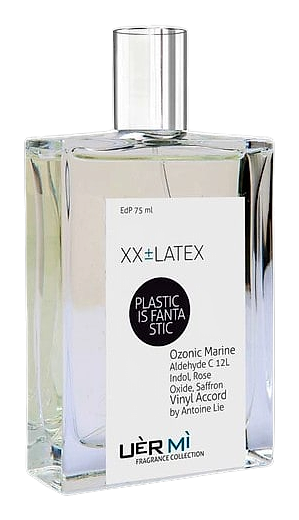
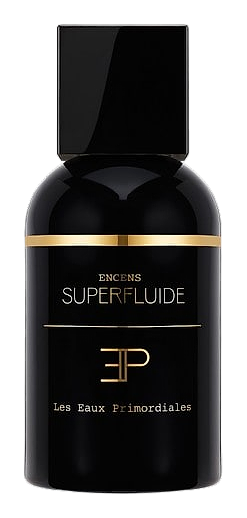

Brands
Brands known for Dodecanal
Good to know
Questions, answered
The essentials on Dodecanal in perfumery: how it smells, where it comes from, and how it behaves on skin.
What does dodecanal smell like?
Dodecanal has a waxy, citrus-floral odor reminiscent of fresh orange peel with subtle green and fatty undertones. It adds brightness and cleanliness to fragrance compositions.
Is dodecanal natural or synthetic?
Dodecanal occurs naturally in trace amounts in citrus and laurel oils, but commercial use typically relies on laboratory synthesis for consistency and purity.
Which famous fragrances contain dodecanal?
Dodecanal appears in Chanel No. 5, Miss Dior, and numerous citrus and modern floral compositions. It serves as a fragrance modifier and brightening agent.
What works well combined with dodecanal?
Dodecanal pairs excellently with citrus materials like bergamot and orange, florals such as rose and jasmine, and woody notes including sandalwood and cedar.
At what concentration is dodecanal used in perfumery?
Typical usage concentrations range from 0.1% to 5% in fragrance concentrate, depending on the desired effect and the other materials present in the formula.
Is dodecanal considered safe for skin use?
Dodecanal has IFRA compliance data and is approved for cosmetic use when used according to guidelines. The compound appears on standard safety assessment lists for fragrance ingredients.
When was dodecanal first characterized?
Aldehydes as a chemical class were first isolated in 1835 by Justus von Liebig, with dodecanal specifically identified as a fragrance material by the early 20th century.
What products commonly contain dodecanal?
Beyond fine fragrance, dodecanal appears in household cleaners, soaps, and cosmetic products where its clean, fresh character enhances consumer appeal.