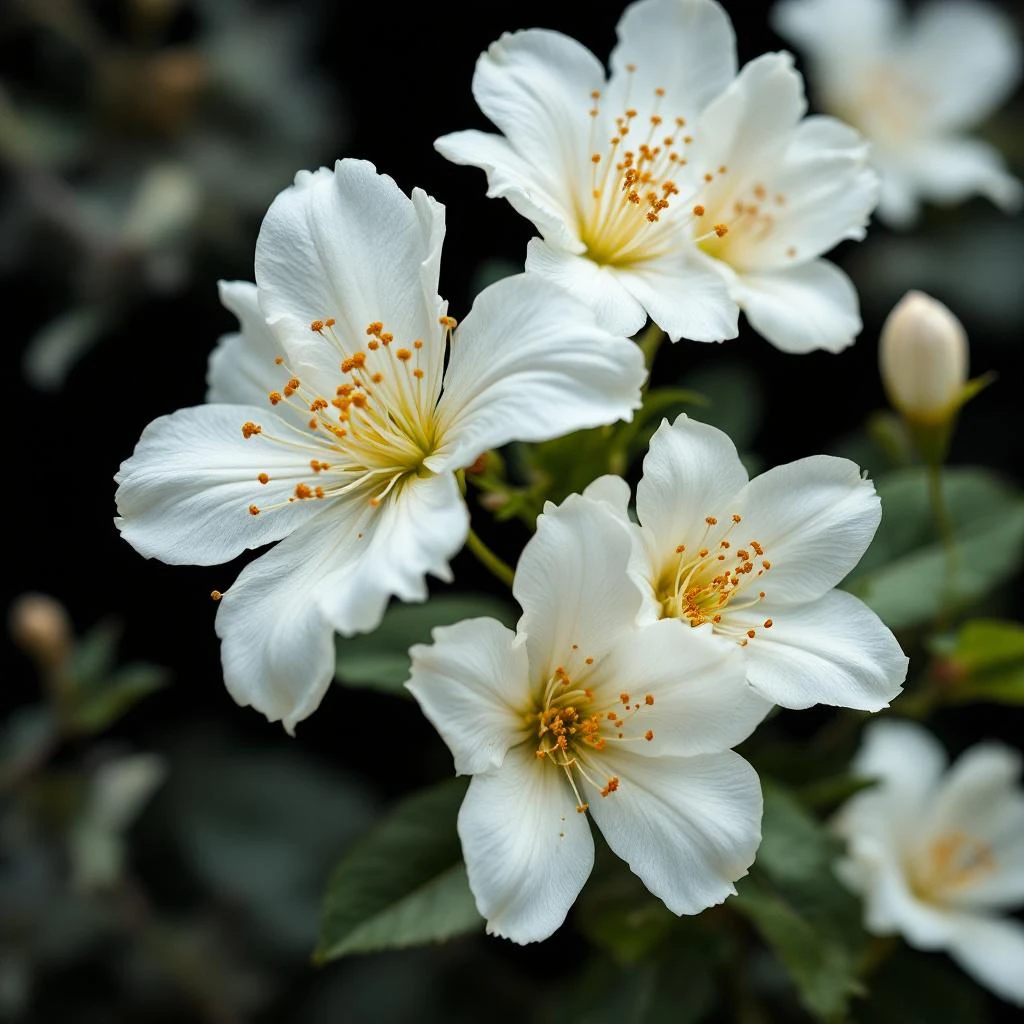
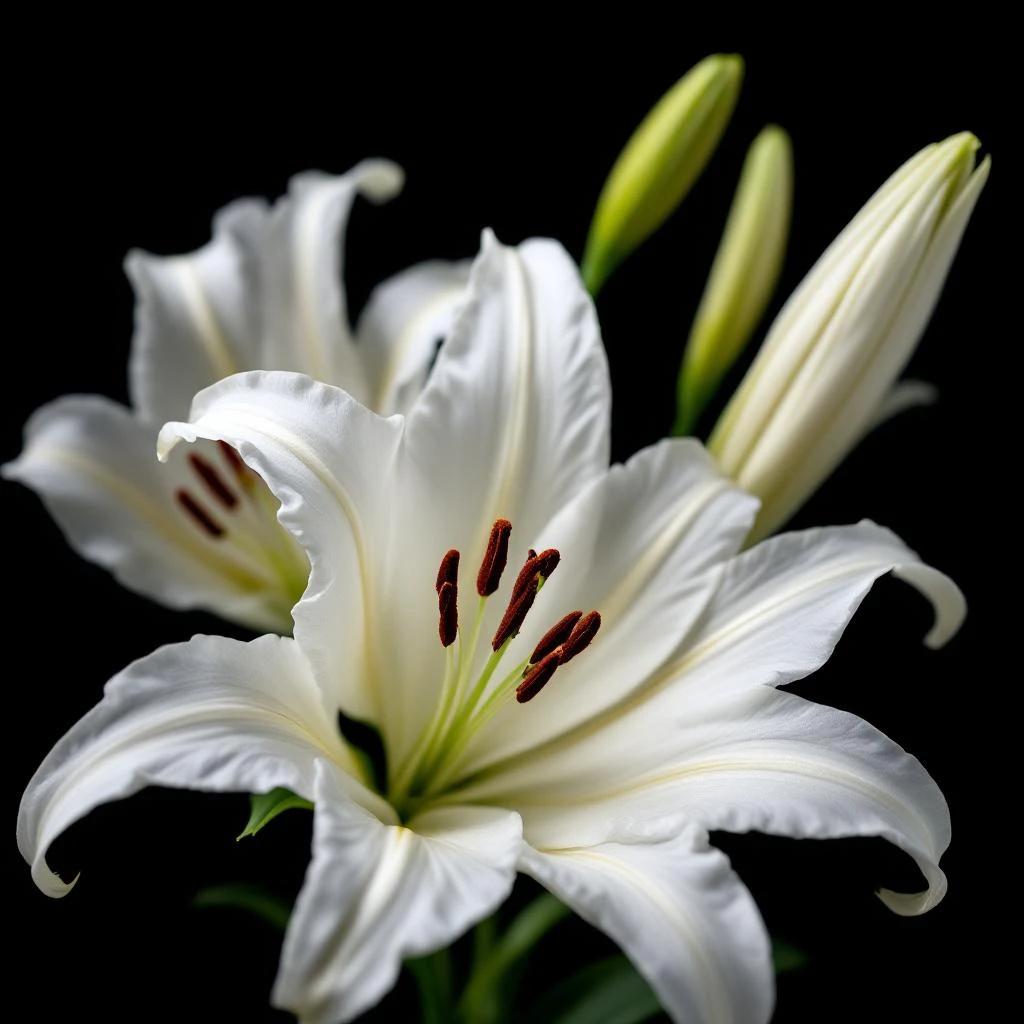
Delphinium Flower
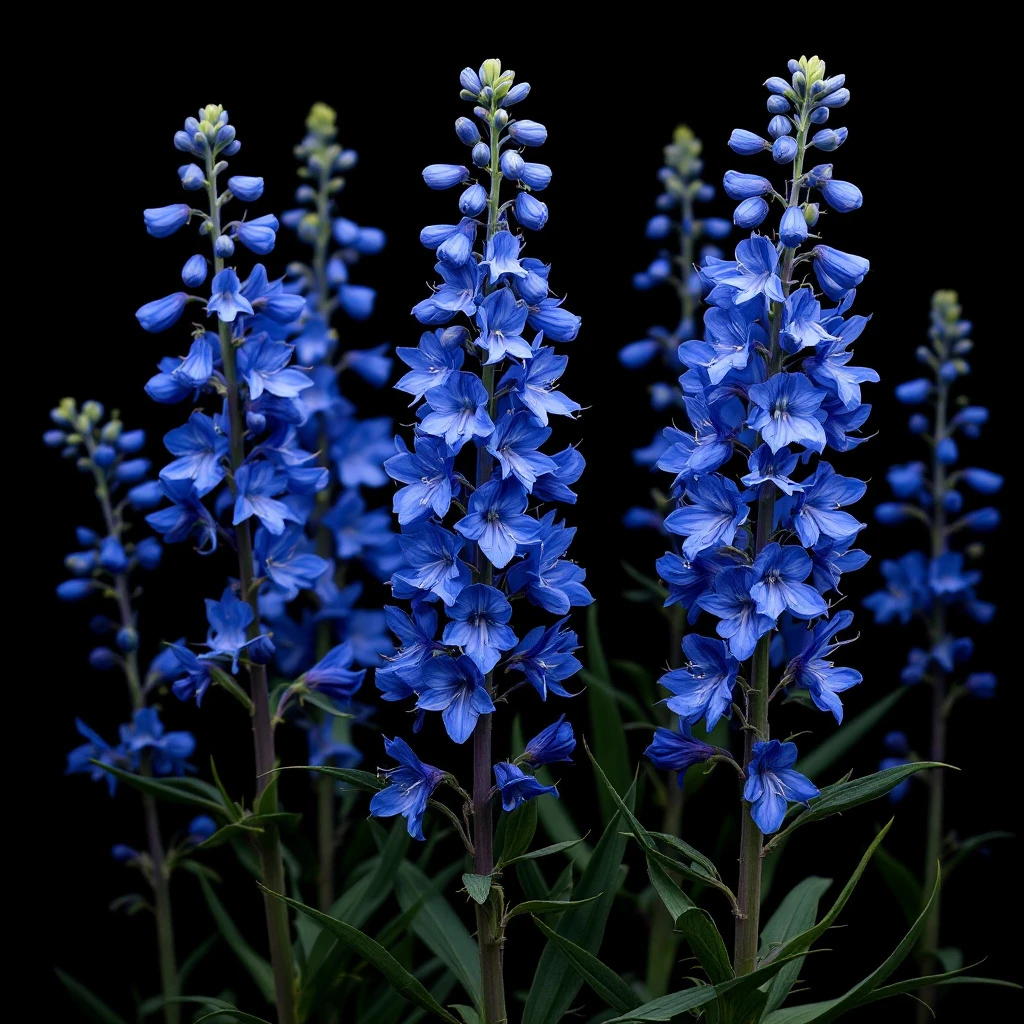
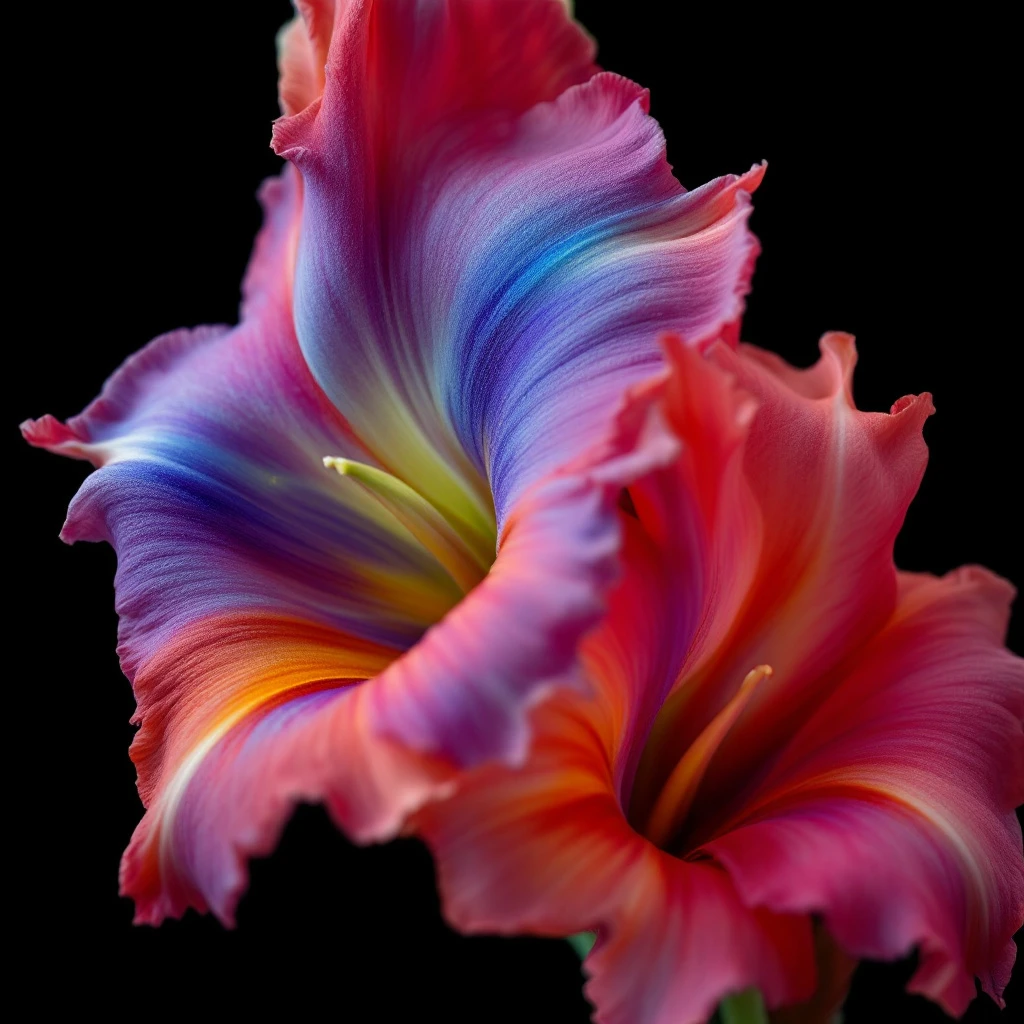
Delphinium Flower brings a fresh, ozonic quality to perfumery—clean and quietly floral with a garden-green undertone. Though rarely extracted directly due to its fleeting nature, its luminous blue character appears throughout modern fragrance as a cherished botanical reference.
Character
How it smells
Where the garden meets the sky.
The name derives from the Greek word for dolphin—unopened buds resemble a dolphin's nose, earning it the common name 'larkspur' for the claw-shaped flowers.

Origin
Greece
Delphiniums have adorned gardens and wild meadows across the Northern Hemisphere for centuries, but their role in perfumery remains largely symbolic rather than material. The Victorians prized these tall spires of blue, purple, and white blooms in their language of flowers—associating them with lightness, joy, and an adventurous spirit.
Ancient Greek and Roman gardens likely featured ancestors of today's hybrids. While flowers like rose, jasmine, and lavender became perfumery staples through straightforward extraction, delphinium never made that transition.
Its fleeting scent and delicate chemistry resisted the technologies of each era, from enfleurage to steam distillation to solvent extraction. Today, delphinium endures in fragrance as an inspiration rather than an ingredient—a touch of garden atmosphere that perfumers reference through synthetic accord-building, honoring the flower's ethereal presence without relying on its actual essence.
Wears it best
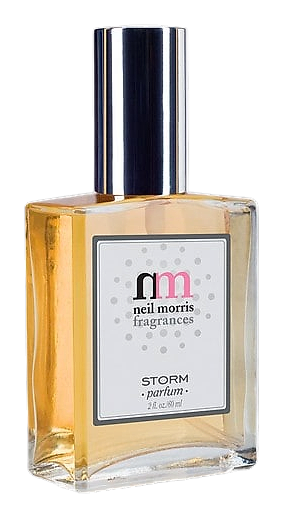
Fragrances featuring Delphinium Flower

Brands
Brands known for Delphinium Flower
Good to know
Questions, answered
The essentials on Delphinium Flower in perfumery: how it smells, where it comes from, and how it behaves on skin.
Is delphinium flower used as a natural ingredient in perfume?
Natural delphinium extraction is virtually nonexistent in commercial perfumery. The flower's aromatic compounds are too volatile and degrade quickly after harvest, making reliable extraction impractical. Modern fragrances featuring delphinium notes rely on synthetic aromatic compounds that recreate its fresh, ozonic character.
What does delphinium smell like?
Delphinium carries a clean, fresh scent reminiscent of morning gardens—slightly green with floral softness and subtle ozonic or aquatic undertones. The overall impression is airy and luminous, often described as a cool, blue-tinged floral.
Why isn't delphinium commonly extracted for perfumery?
The primary challenge lies in the flower's delicate chemistry. Unlike roses or jasmines that yield substantial aromatic material, delphinium produces minimal scent compounds that evaporate rapidly. Standard extraction methods destroy rather than preserve its fragrance profile.
Are any perfume ingredients derived from larkspur flowers?
While delphiniums are sometimes called larkspurs, neither common name refers to a mainstream perfumery ingredient. Most fragrance materials labeled with these names are synthetically reconstructed accords designed to evoke the fresh, green-floral character of the flower.
Which famous fragrances feature delphinium notes?
Several contemporary fragrances list delphinium or larkspur among their notes, though these references indicate the intended scent character rather than natural extracts. The note appears across various price points and fragrance families, from light florals to modern green compositions.
Is delphinium toxic or dangerous in perfumery?
Many delphinium species contain alkaloids that can be toxic if ingested, and the plants are generally considered poisonous. However, since the flower isn't used as a natural perfumery ingredient, this toxicity has no relevance to fragrance production or use.
How long has delphinium been associated with perfumery?
Delphinium has never served as a traditional perfumery ingredient across its documented history spanning millennia. Its connection to fragrance is a modern phenomenon, emerging only after synthetic aromachemistry developed the tools to recreate its elusive scent profile.