Decanal
Decanal is a saturated aldehyde that captures the bright, waxy freshness of citrus peel in a single molecule. Found naturally in orange and lemon oils, this versatile compound bridges the gap between natural botanicals and modern perfumery, lending crisp, sparkling top notes that define many contemporary fragrances.

Character
How it smells
The citrus aldehyde that redefined modern perfumery.
The same molecule that gives orange peel its characteristic scent also occurs naturally in rose oil, creating an unexpected link between citrus and floral materials.



Origin
France
The story of decanal in perfumery is inseparable from the broader aldehyde revolution that transformed the fragrance industry in the early twentieth century. In 1903, French chemist Auguste Darzens developed methods to synthesize aldehydes, though his initial processes lacked the consistency needed for commercial fragrance production. The real breakthrough came with the establishment of commercial organic synthesis in the late nineteenth century, following the pioneering work that produced vanillin and coumarin as the first synthetic aroma compounds.
Decanal emerged as a key material during this period of innovation, when perfumers began combining traditional natural materials with newly available synthetics. The aldehyde's ability to impart fresh, citrus-like brightness made it invaluable for creating the modern chypre and aldehydic floral styles that define much of contemporary perfumery. Though not as famous as the C-12 to C-14 aldehydes that revolutionized Chanel No.
5, decanal has quietly become one of the most widely used fragrance materials in the industry.
Wears it best
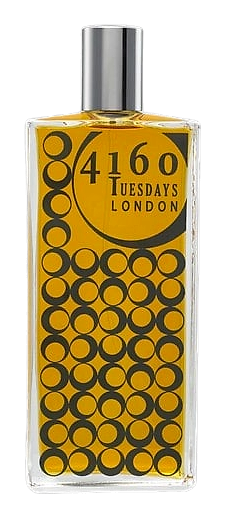
Fragrances featuring Decanal
Brands
Brands known for Decanal
Good to know
Questions, answered
The essentials on Decanal in perfumery: how it smells, where it comes from, and how it behaves on skin.
What is decanal in perfumery?
Decanal is a saturated aldehyde with formula C10H20O that provides fresh, citrus, and waxy notes. Perfumers use it primarily as a top-note modifier to add brightness and sparkle to compositions. It occurs naturally in orange and lemon oils but is produced synthetically for commercial use.
What does decanal smell like?
Decanal smells like fresh orange peel with waxy, slightly fatty undertones. The odor is clean, crisp, and citrus-forward, reminiscent of the zest of an orange or lemon. In dilution, it can also exhibit subtle floral characteristics similar to rose.
Does decanal occur naturally?
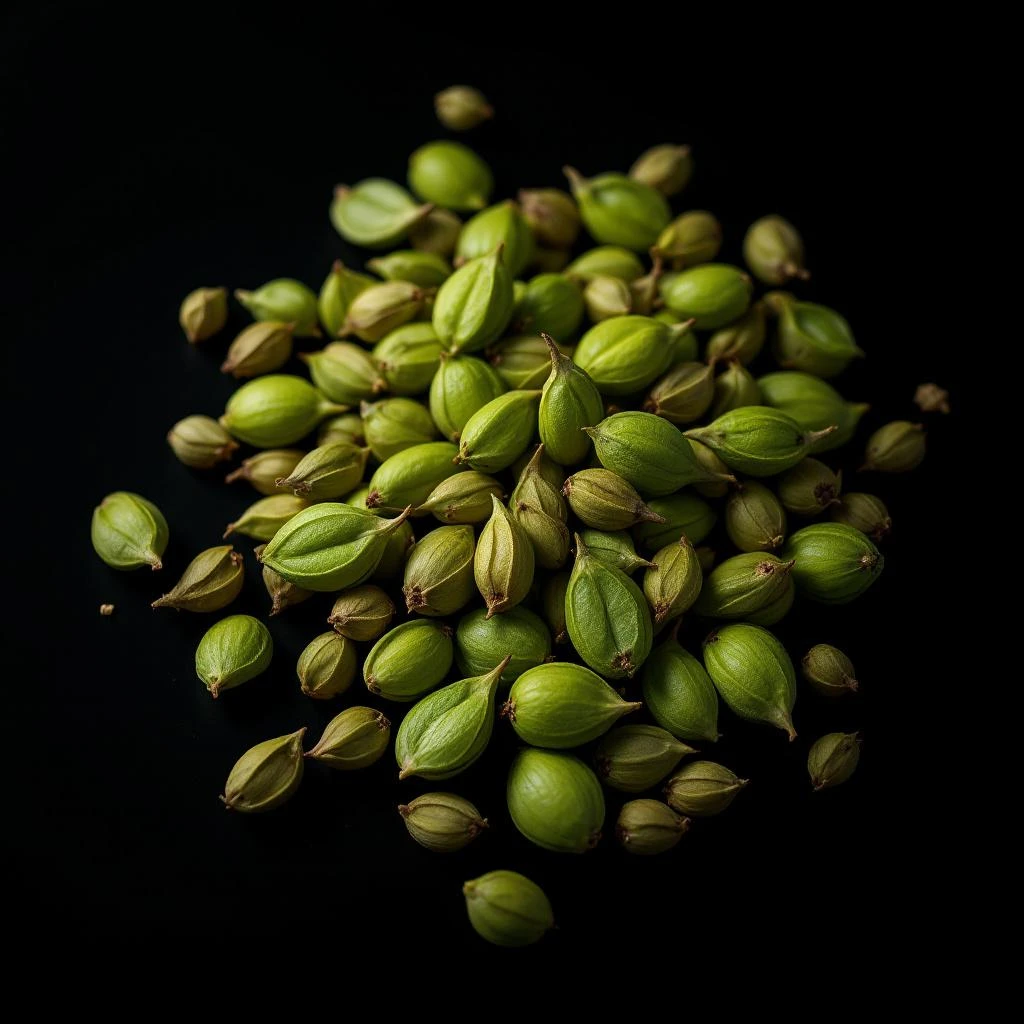
Yes, decanal occurs naturally in several citrus species, particularly orange and lemon peel oils. It is also found in trace amounts in rose oil and cardamom. However, natural concentrations are too low for commercial extraction, so all perfumery-grade decanal is synthesized.
How is decanal produced commercially?
Manufacturers produce decanal primarily through catalytic oxidation of decanol or partial oxidation of dodecane. These synthetic routes achieve purities above 95 percent at commercial scale. The resulting material is a colorless liquid with a characteristic citrus odor.
When was decanal first used in perfumery?
Decanal became available to perfumers following Auguste Darzens' 1903 work on aldehyde synthesis. Widespread commercial use followed the establishment of modern organic synthesis in the late nineteenth century, when perfumers began incorporating aldehydes into fragrance compositions.
Which famous perfumes contain decanal?
Decanal appears in numerous fragrances across multiple families. It contributes to the fresh, citrusy opening of many chypres, aldehydic florals, and modern aquatic fragrances. Specific formulations are proprietary, but it is considered one of the most common aldehydes in perfumery after C-12 and C-14 variants.
Is decanal safe for cosmetic use?
Decanal has been evaluated by IFRA and is approved for cosmetic and fragrance use when adhering to recommended concentration limits. It appears on the list of approved fragrance materials with established usage guidelines for skin contact applications.
How does decanal differ from other aldehydes in perfumery?
Decanal differs from longer-chain aldehydes like C-12 MNA in its odor profile and volatility. As a C-10 aldehyde, it is more volatile and distinctly citrus-like compared to the fattier, more substantive character of longer-chain variants. This makes it particularly useful for top-note effects rather than heart composition.