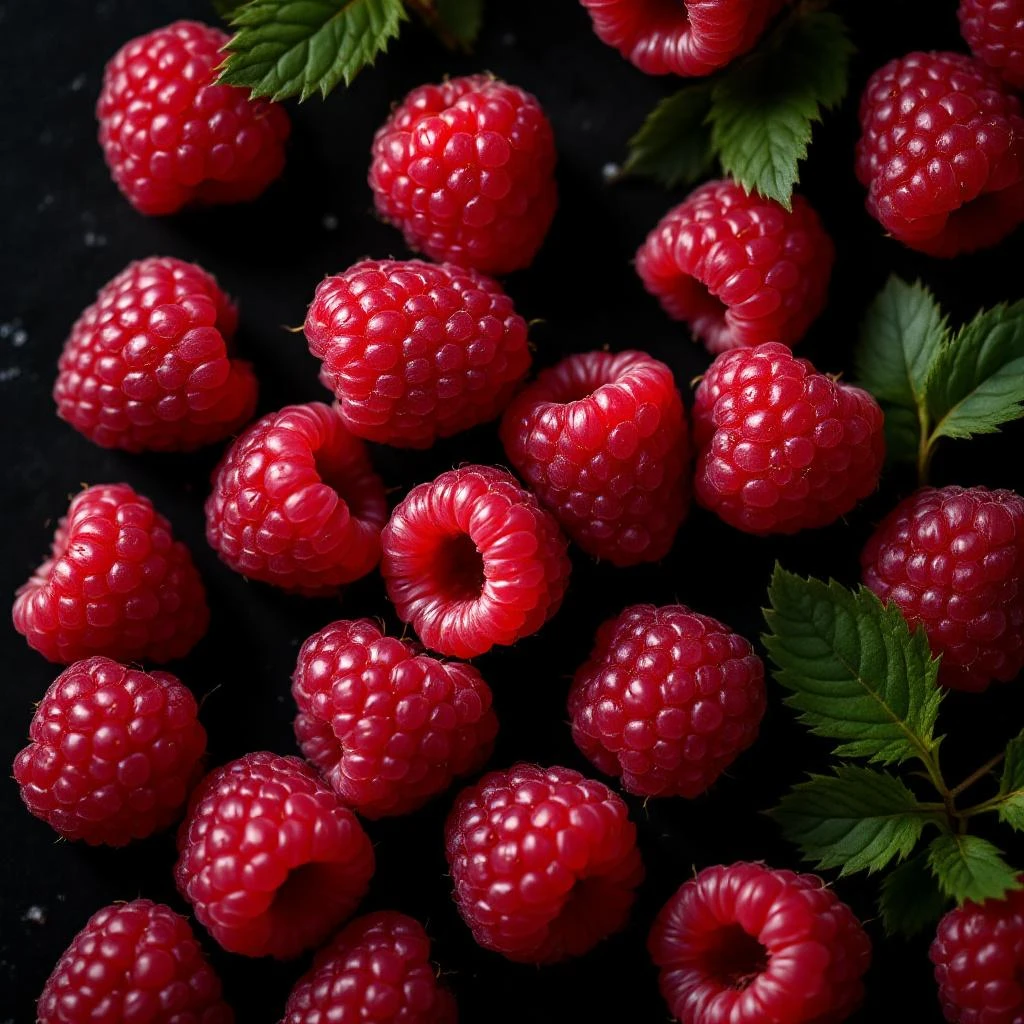
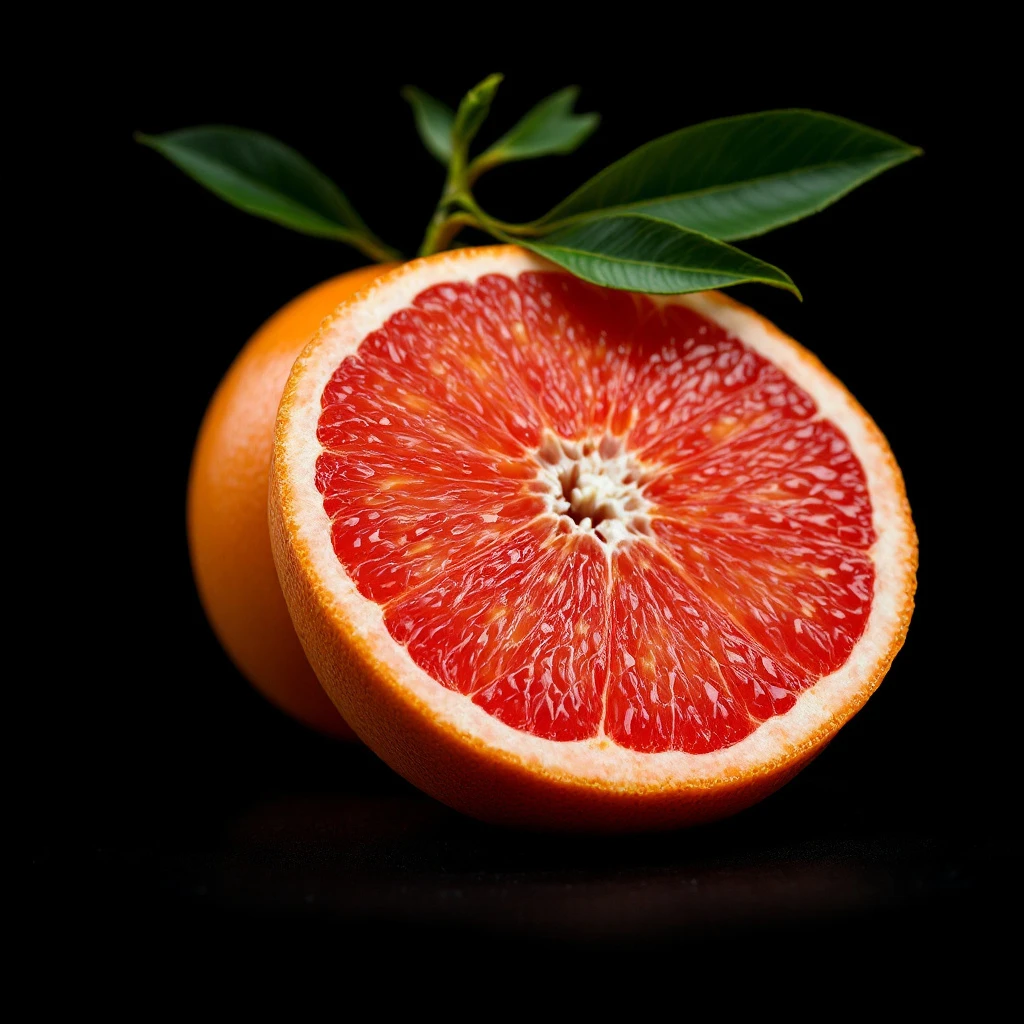
Cuban Grapefruit
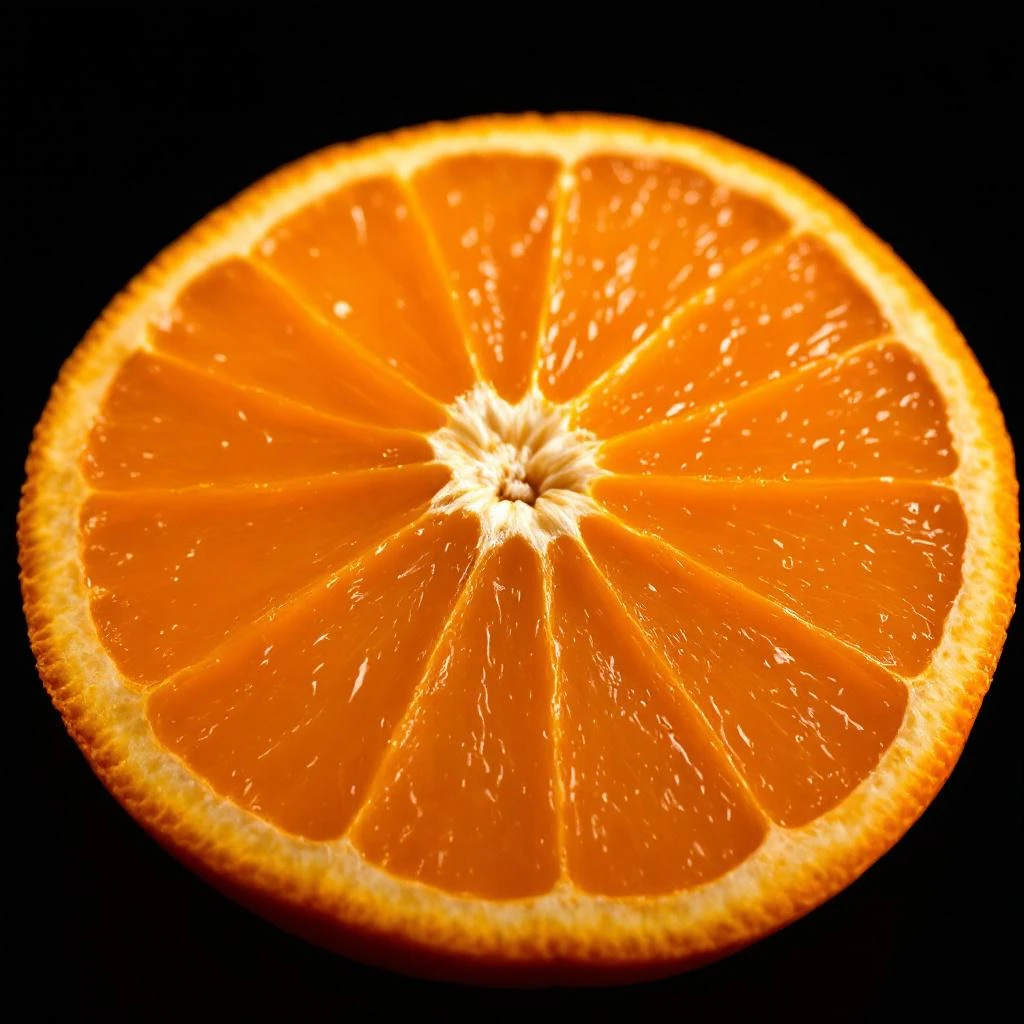
The vibrant zest of tropical citrus, capturing the unmistakable brightness of Caribbean grapefruit. A sparkling top note that lifts every fragrance it enters.
Character
How it smells
Tropical brightness in every spray
The compound nootkatone, responsible for grapefruit's signature bitter-floral scent, also appears in vetiver and black tea.

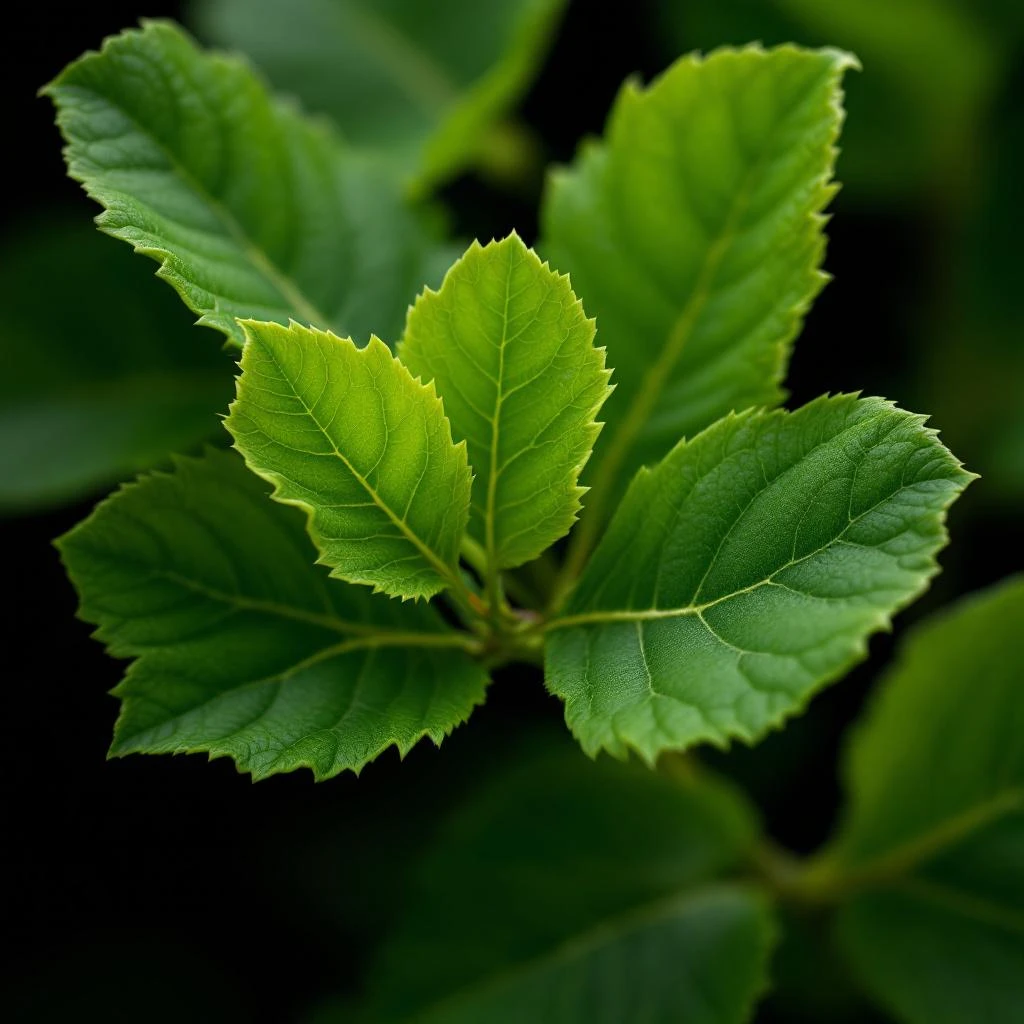
Origin
Cuba
Grapefruit traces its origins to the 18th century Caribbean, emerging as a natural hybrid of pomelo and sweet orange. The first recorded description appeared in 1750, likely from Jamaica, and cultivation spread throughout the region and into Florida. Cuba established itself as a significant producer of pink varieties in the early 20th century, after the isolation of lycopene pigments in the 1920s made commercial cultivation of colored cultivars practical.
These early Cuban varieties provided planting stock for what became a global industry, though Florida eventually became the dominant producer. Cuban grapefruit maintains a reputation for aromatic intensity, and Cuban-origin materials remain valued in perfumery circles for their concentration.
Wears it best
Fragrances featuring Cuban Grapefruit
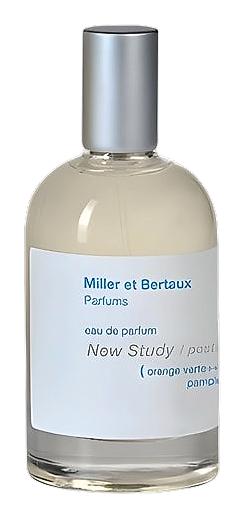
Brands
Brands known for Cuban Grapefruit
Good to know
Questions, answered
The essentials on Cuban Grapefruit in perfumery: how it smells, where it comes from, and how it behaves on skin.
What does grapefruit smell like in perfumery?
Grapefruit smells zesty, bitter-sweet, and green. Unlike sweet orange, it carries a distinctive bitter edge from nootkatone that adds complexity. The result is a bright, sparkling citrus with depth that separates it from simpler lemon or lime notes.
Is grapefruit a top, middle, or base note?
Grapefruit is exclusively a top note in perfumery. Its low molecular weight causes rapid evaporation, with aromatic molecules dispersing within the first 15 minutes of application. This fleeting quality makes it ideal for creating initial impact in fragrance compositions.
Where does grapefruit originate from?
Grapefruit originated in the Caribbean as a natural hybrid in the mid-1700s. The first documented description appeared in 1750, likely from Jamaica. Cuba became an early commercial producer, particularly of pink varieties developed in the early 20th century.
How is grapefruit oil extracted for perfumery?
Grapefruit oil is extracted exclusively from the peel through cold pressing. The outer rind is mechanically punctured and pressed to release aromatic oils without heat. This process preserves delicate volatile compounds that would degrade under steam distillation temperatures.
What chemical compounds define grapefruit's scent?
Two compounds dominate grapefruit's aromatic profile. Nootkatone provides the signature bitter-floral note that distinguishes grapefruit from other citrus. D-limonene, a terpene comprising 85-95% of the oil, delivers the bright citrus foundation.
What makes Cuban grapefruit distinctive?
Cuban grapefruit develops under the island's humid subtropical climate with high rainfall and zinc-rich soils. These conditions produce fruit with more concentrated aromatic compounds in the peel compared to drier growing regions, yielding an oil prized for its intensity.
How long does grapefruit last as a fragrance note?
Natural grapefruit oil typically lasts 15-30 minutes as a perceptible top note before fully evaporating. Synthetic reproductions can extend this duration, and perfumers sometimes use fixatives to slow evaporation and maintain citrus presence longer.
How does grapefruit differ from other citrus oils?
Grapefruit differs from lemon and lime through its bitter undertone and lower citral content. Lemon and lime contain higher levels of citral, producing sharper, more aggressive citrus notes. Grapefruit's nootkatone content creates a uniquely bitter-floral character unavailable in other citrus.
What indicates high-quality grapefruit oil?
High-quality oil appears clear with a yellow-orange color and releases a vibrant citrus aroma upon opening. Cloudiness or white particles suggest oxidation from improper storage. The characteristic pale yellow to yellow-orange hue indicates properly processed cold-pressed oil.