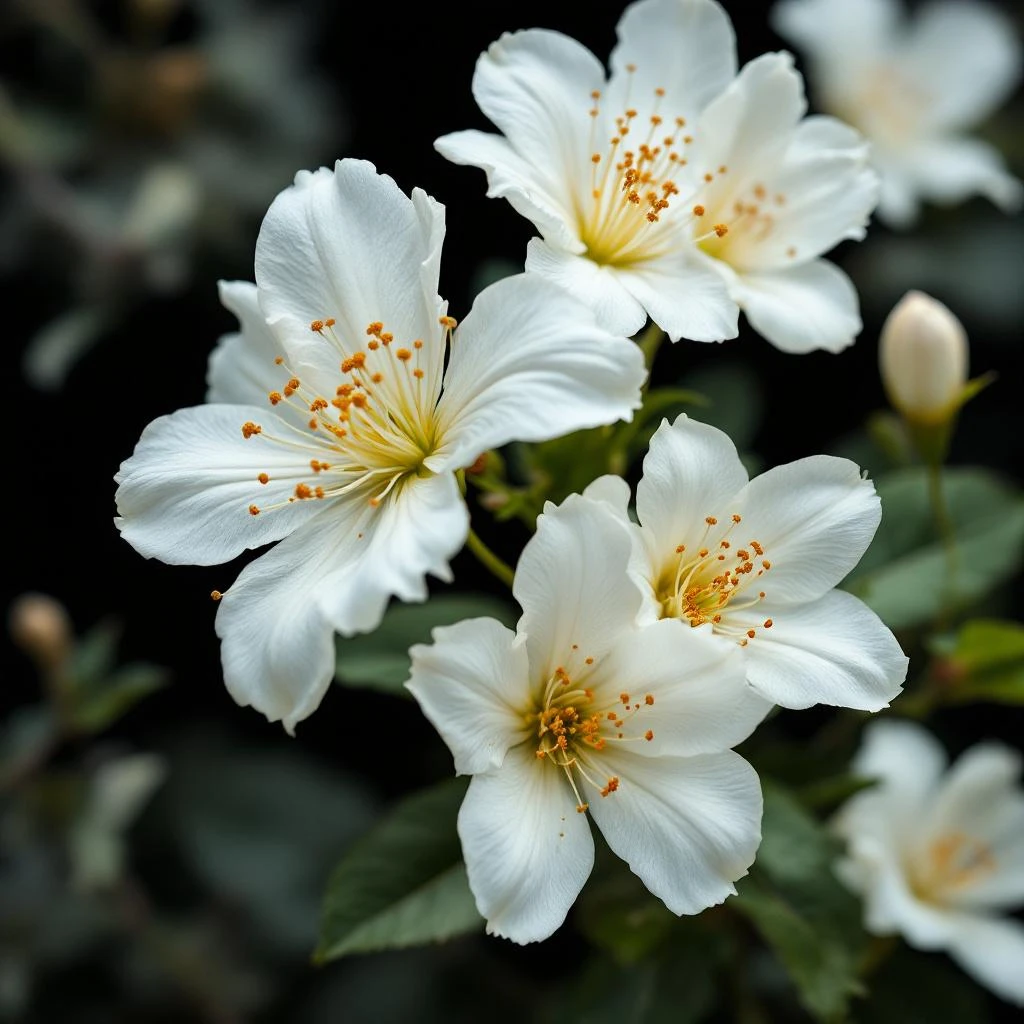
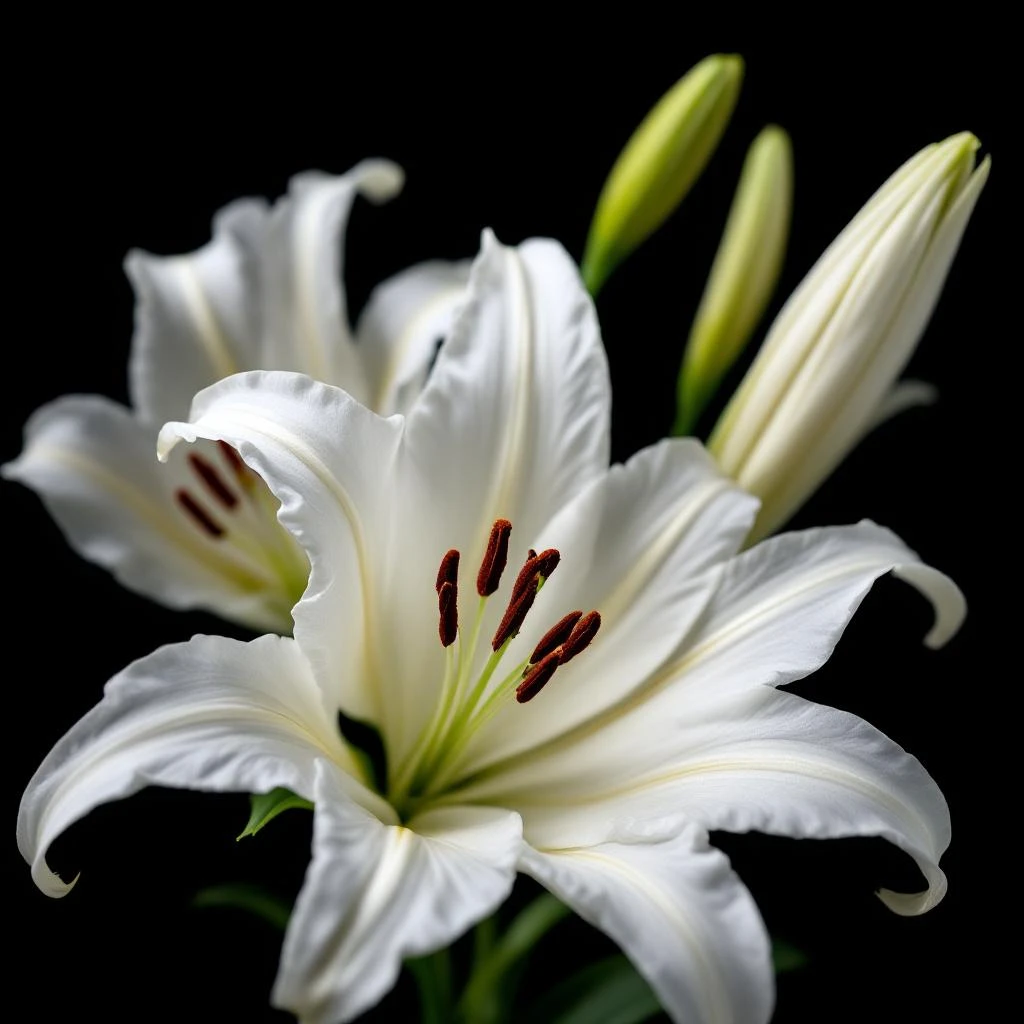
Costa Rican Coffee Flower
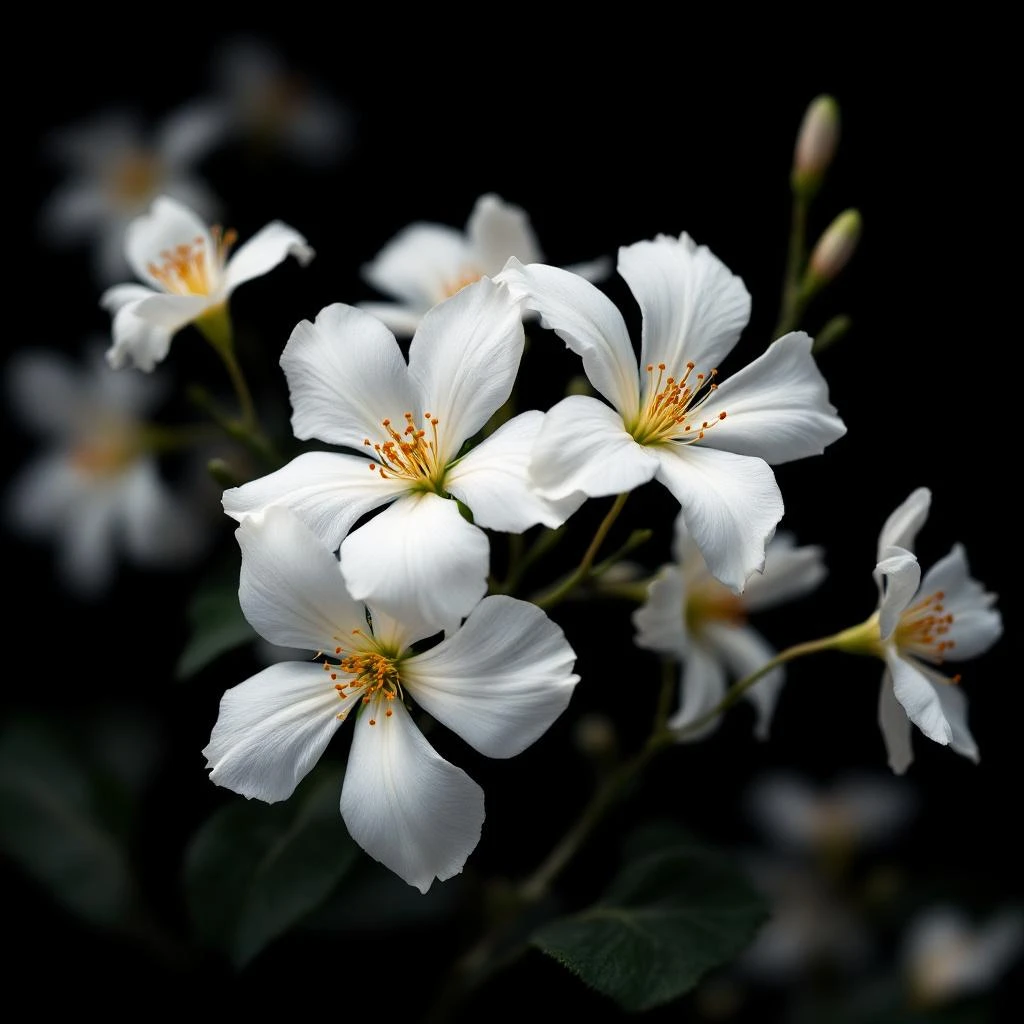
Costa Rican Coffee Flower captures the fleeting white blossom of Arabica plants just before they surrender to the bean. A rare perfumer's material with green, honeyed, and faintly cocoa-edged facets that pure coffee cannot replicate.
Character
How it smells
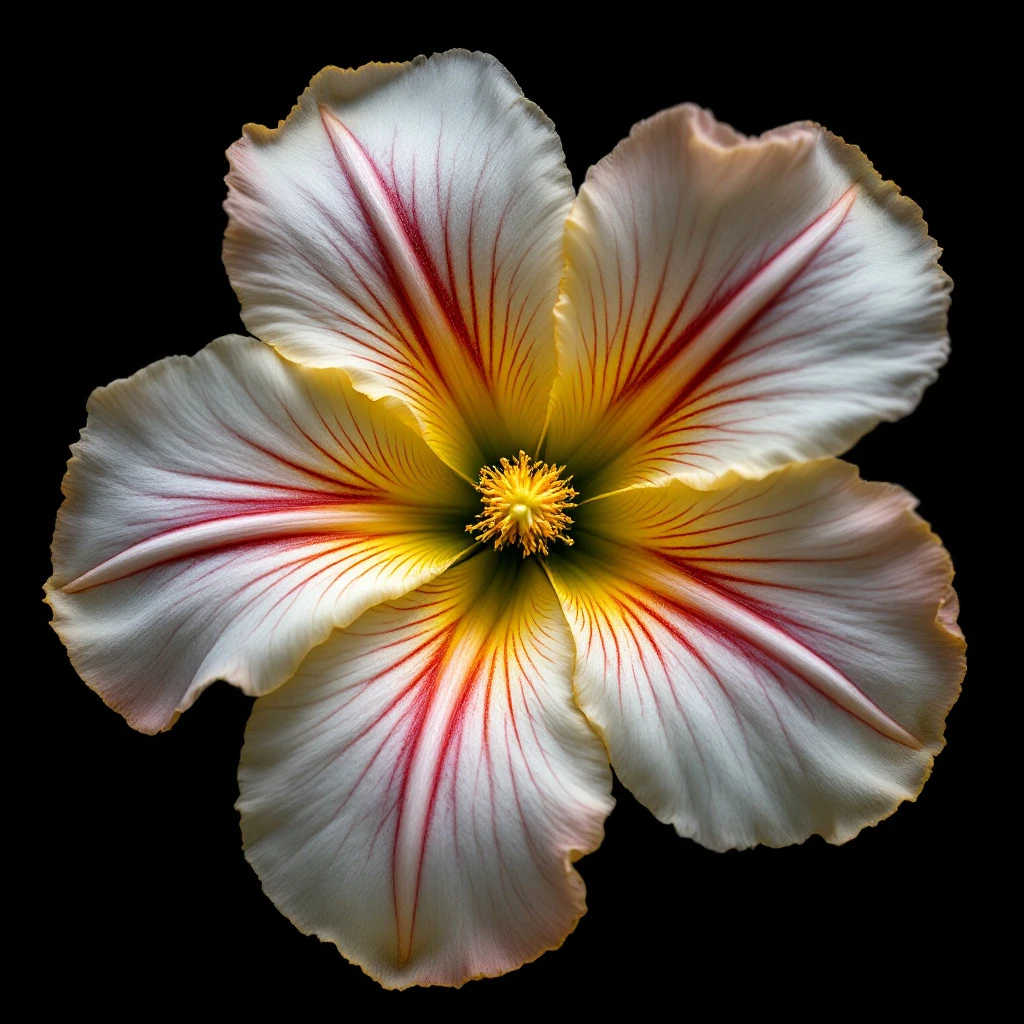
The white whisper before the bean.
Costa Rica banned Robusta cultivation for most of its history, making its coffee flowers exclusively Arabica, a restriction few coffee-producing nations impose.
Pairs beautifully with

Origin
Costa Rica
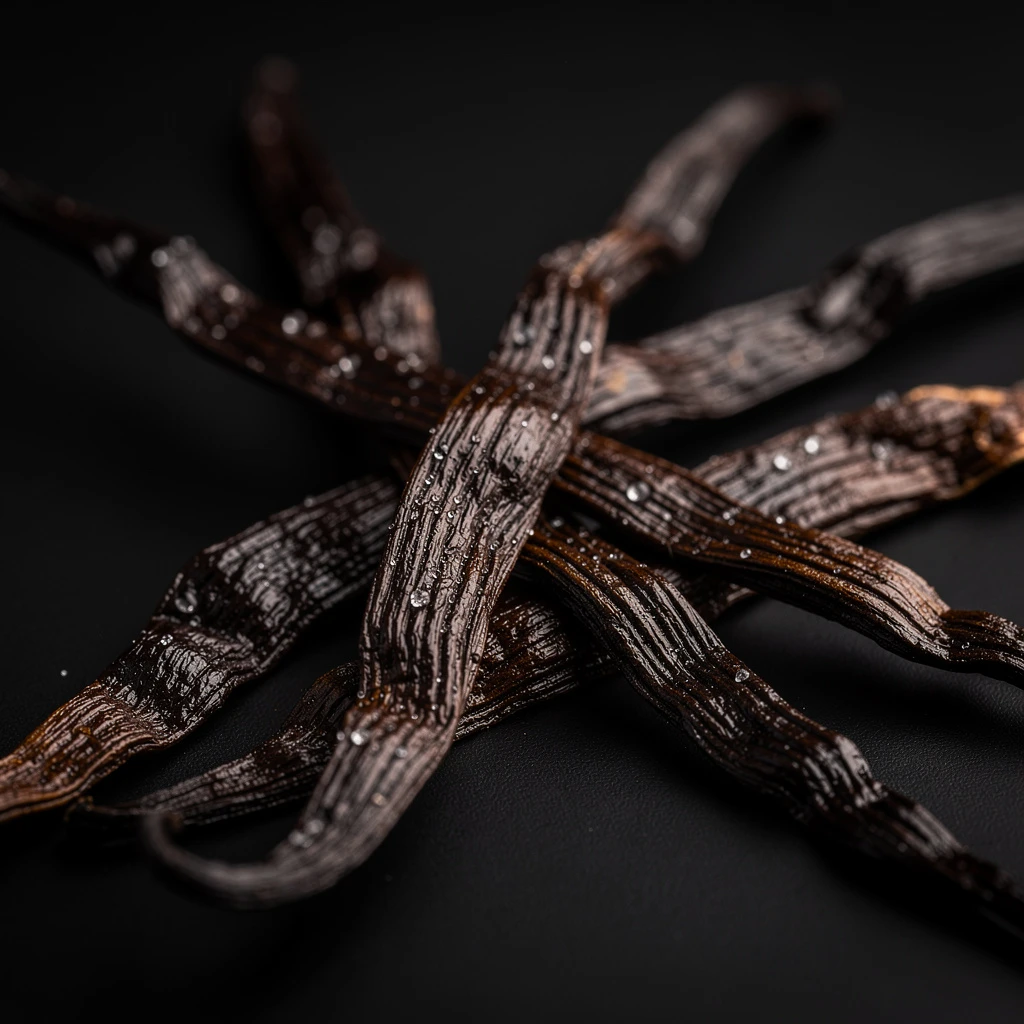
Arabica cultivation in Costa Rica traces to 1779, when seeds arrived from Cuba and took root in the volcanic soils of the Meseta Central. Commercial export began in 1820, and by the mid-1800s, coffee had reshaped the country's economy, infrastructure, and political class. Wealthy growers funded the first railroad to the Atlantic, built neoclassical theaters in San José, and effectively governed the young republic.
Costa Rica's coffee zone spans the Central, Western, and Tarrazú regions, with altitudes between 1,200 and 1,700 meters producing some of Latin America's most celebrated Arabica. In 1989, the Instituto del Café de Costa Rica (ICAFE) was established to regulate the industry and protect quality standards through Denomination of Origin laws.
While the bean dominated this story, the flower remained largely invisible outside agronomy until perfumers began seeking its ephemeral character in the early 2010s. Craft distillers and natural-extract houses now partner with Tarrazú farmers to capture the blossom during the March-to-May bloom. Each flower opens once, releases its perfume for a brief window, and falls, making this note one of perfumery's rarest links between agricultural discipline and olfactory art.
Wears it best
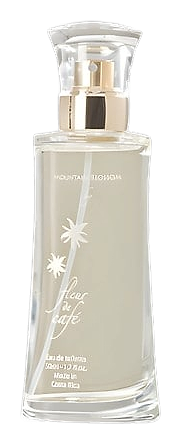
Fragrances featuring Costa Rican Coffee Flower
Brands
Brands known for Costa Rican Coffee Flower
Good to know
Questions, answered
The essentials on Costa Rican Coffee Flower in perfumery: how it smells, where it comes from, and how it behaves on skin.
What does Costa Rican Coffee Flower smell like in perfume?
It smells like a green, honeyed white blossom with soft jasmine edges and a faint cocoa warmth from trace pyrazines. Unlike roasted coffee accords, it carries a fresh, dew-laced quality rather than bitterness.
Is Coffee Flower used in real coffee fragrance production?
Rarely. The flowers last only two to three days before wilting, and solvent extraction yields under 0.1% absolute, so most 'coffee' notes in mainstream perfumery are reconstructed synthetically from pyrazines and furaneol.
What is the difference between Coffee Flower and roasted coffee notes?
Roasted coffee notes are dark, bitter, and built from molecules formed during bean pyrolysis, including alkylpyrazines and furans. Coffee Flower is green and floral, dominated by linalool, indole, and phenylethyl alcohol found in the live blossom.
Why is Costa Rican Coffee Flower more expensive than other floral absolutes?
Arabica flowers in Costa Rica bloom once yearly for a few days, and each tree yields only enough blossoms for a small fraction of an ounce of absolute. Limited harvest windows and hand-picking drive prices sharply above rose or tuberose.
When does Coffee Flower bloom in Costa Rica?
Flowering follows the rainy season, typically March through May in the Central and Tarrazú regions. The blossoms open with morning humidity and release peak scent for roughly 48 hours.
What extraction method captures Coffee Flower for perfumery?
Solvent extraction with ethanol or hexane is standard, since steam distillation damages the flower's delicate volatiles. Supercritical CO₂ is also used by some producers to avoid solvent residue.
Does Costa Rica produce all of the world's Coffee Flower absolute?
No. Coffee flowers are harvested across Latin America and East Africa, but Costa Rican material is prized because the country legally restricts cultivation to Arabica, ensuring genetic and aromatic consistency.
Are Coffee Flower fragrances sustainable?
Production is inherently low-volume and uses fallen or hand-collected blossoms that do not compromise the harvest. However, low yields limit scalability, so true absolutes remain niche rather than mass-market ingredients.