Cornbread
Cornbread brings the warm, nutty sweetness of baked maize into fragrance, conjuring buttery crust, toasted grain, and a soft golden warmth. Used primarily in gourmand compositions, it adds an unexpectedly comforting, edible quality.

Character
How it smells
Buttery, toasted, and unexpectedly wearable
Cornbread as a fragrance note draws its aroma profile from Maillard compounds found in baked cornmeal, the same chemistry that gives freshly baked loaves their golden crust.
Pairs beautifully with



Origin
United States
Cornbread as a fragrance concept is a recent invention, born from the gourmand perfume movement that gained momentum in the 1990s and early 2000s. While corn itself has deep agricultural roots in Mesoamerica, where indigenous peoples cultivated maize for over 9,000 years, its use as a perfume ingredient waited until perfumers began exploring edible, nostalgic scent profiles. Thierry Wasser and other contemporary noses started layering cereal and bread-like accords into compositions to evoke comfort and home cooking.
The note gained visibility through niche and indie perfumery, particularly in American houses drawing on Southern and rural culinary traditions. Cornbread specifically references a cultural staple of the American South, where it has been baked for centuries using ground cornmeal, buttermilk, and bacon fat or butter. Translating this into scent required advances in flavor chemistry, particularly the isolation of pyrazines and furans responsible for toasted grain aromas.
Today, cornbread appears in a small but growing number of fragrances, often paired with honey, butter, or vanilla notes to reinforce its bakery character.
Wears it best
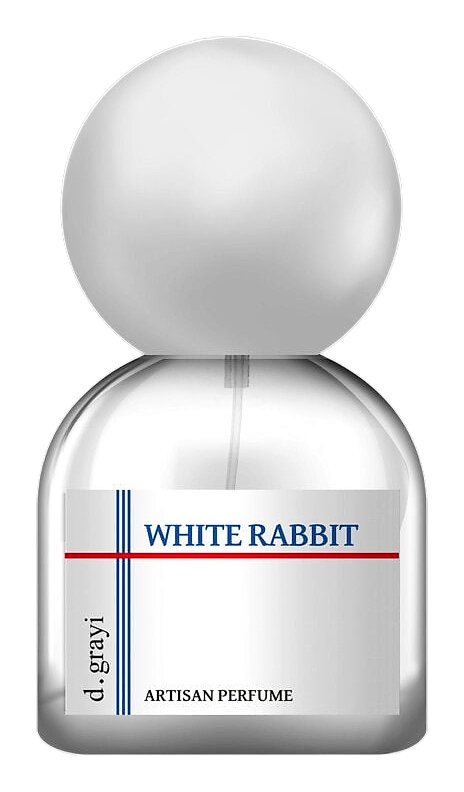
Fragrances featuring Cornbread
Brands
Brands known for Cornbread
Good to know
Questions, answered
The essentials on Cornbread in perfumery: how it smells, where it comes from, and how it behaves on skin.
What does cornbread smell like in perfume?
Cornbread in fragrance smells warm, buttery, and gently sweet, with toasted grain notes and a soft caramel undertone. It evokes the aroma of freshly baked cornmeal rather than raw corn on the cob.
Is cornbread a natural or synthetic fragrance note?
Most cornbread notes are reconstructed synthetically using aroma chemicals like furaneol and cyclotene. Natural CO2 extracts of toasted corn exist but are less common due to cost and yield limitations.
When did cornbread become a fragrance ingredient?
Cornbread entered perfumery during the gourmand movement of the 1990s and 2000s. Niche houses began incorporating baked-goods accords, and the note gained traction among indie perfumers exploring American culinary traditions.
What fragrances commonly use cornbread notes?
Cornbread appears in select niche and indie fragrances, often paired with honey, butter, vanilla, or sweet milk accords. It is uncommon in mainstream designer lines due to its niche cultural specificity.
What other notes pair well with cornbread?
Honey, butter, vanilla, maple, and warm spices like cinnamon complement cornbread. It also blends well with tobacco, leather, and oakmoss for a smoky, rustic composition.
Is cornbread note suitable for sensitive skin?
Cornbread accords are typically built from food-grade aroma chemicals with low sensitization potential. However, individual fragrance formulations vary, so patch testing is always recommended for sensitive skin.
How is natural corn extract made for perfume?
Natural corn extract is produced by grinding dried cornmeal, toasting it, then applying supercritical CO2 or solvent extraction. The resulting absolute carries toasted grain aromas but lacks the full buttery profile of a synthetic accord.
Can cornbread fragrances smell realistic?
Yes, skilled perfumers achieve convincing cornbread accords by balancing Maillard reaction compounds with dairy-sweet lactones. The realism depends on dosage and the quality of supporting ingredients in the formula.