Buttermilk
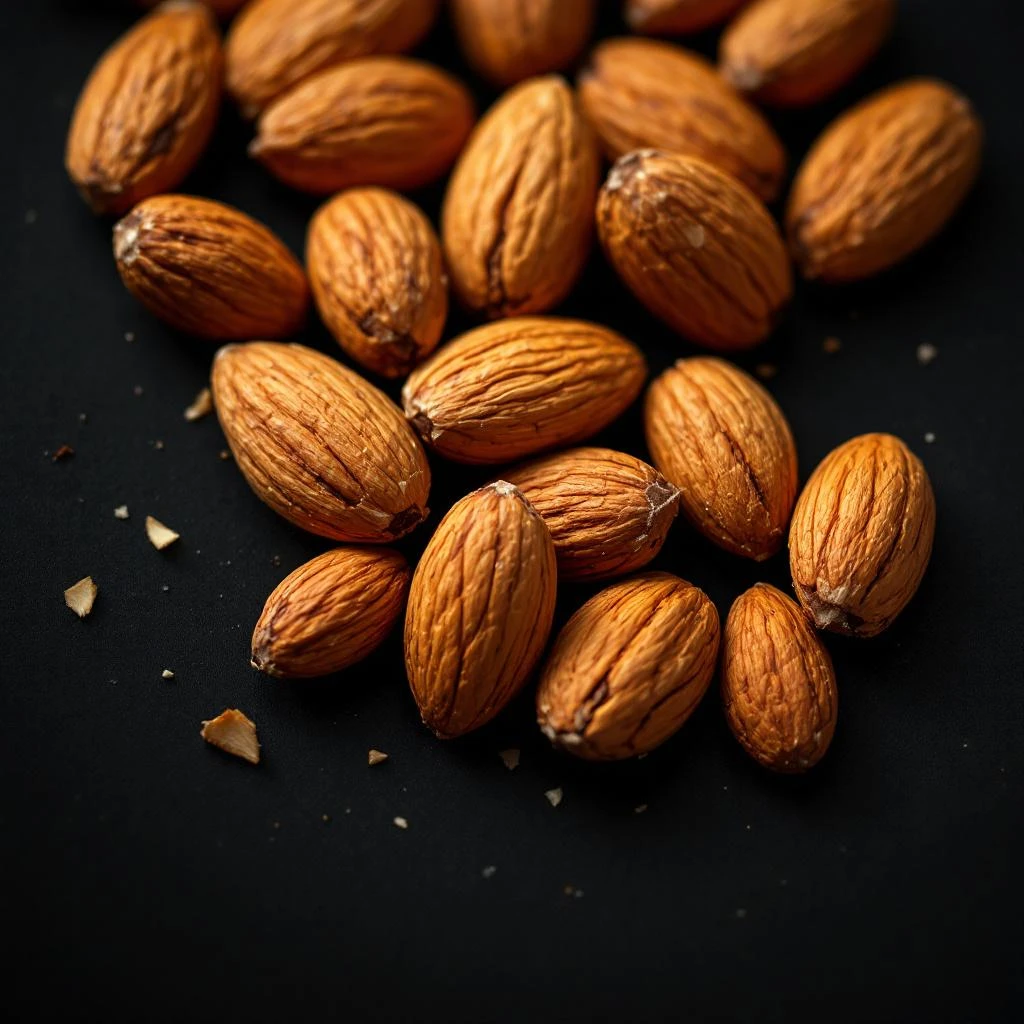
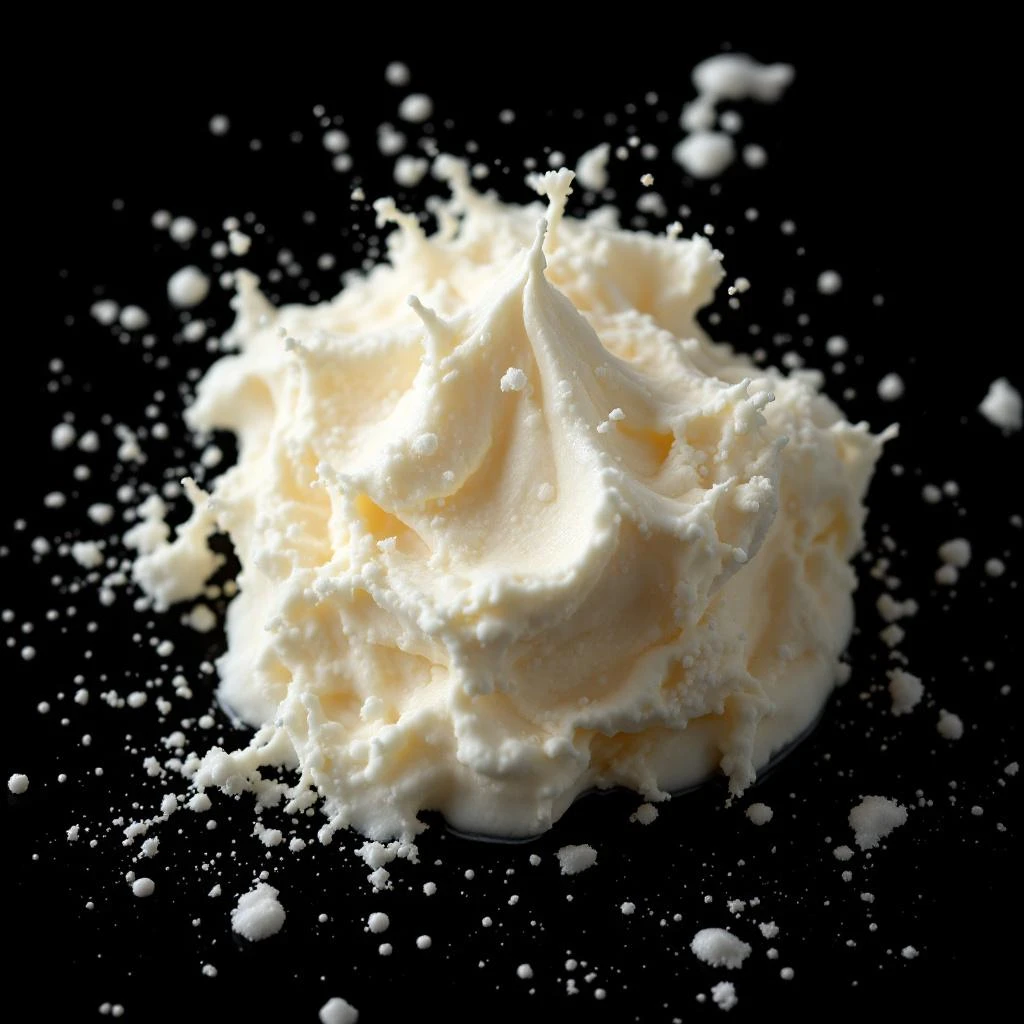
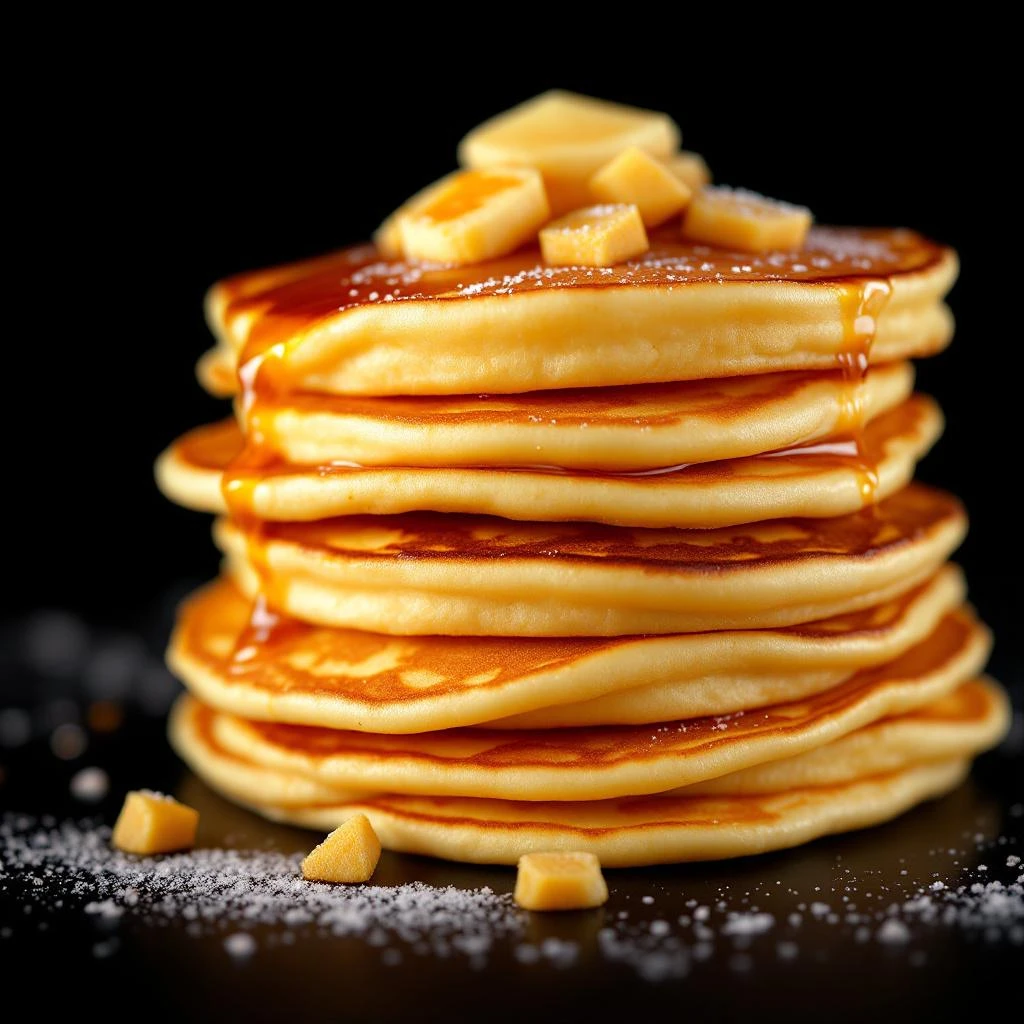
Buttermilk offers a creamy, tangy nuance that adds a soft, dairy‑rich depth to modern compositions, bridging gourmand warmth with subtle acidity.
Character
How it smells
Creamy tang in a single note.
The buttery aroma of buttermilk comes from gamma‑nonalactone, a lactone first isolated in the 1950s and later reproduced synthetically for fragrance use.






Origin
India
Ancient cultures prized milk for its soothing scent, using it in Egyptian bathing rituals and Greek cosmetics. Records from the 2nd century BCE describe milk‑infused oils applied to skin for a soft aroma. The specific buttermilk note entered modern perfumery in the mid‑20th century when chemists identified gamma‑nonalactone in fermented dairy.
By 1965, the compound appeared in a French avant‑garde fragrance, marking the first deliberate dairy accord. Since then, designers have used the note to evoke comfort, nostalgia, and culinary richness, especially in gourmand and niche collections.
Wears it best
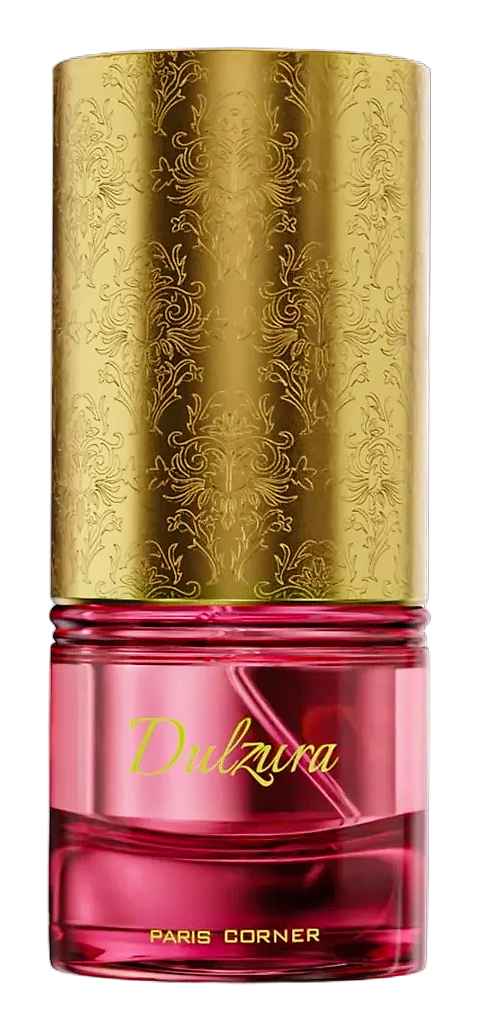
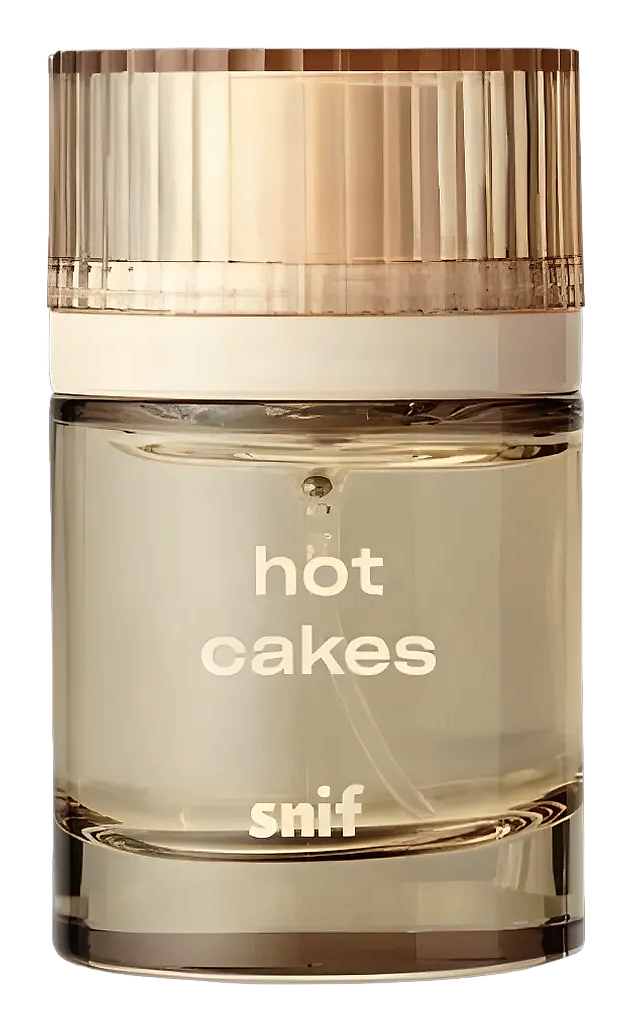
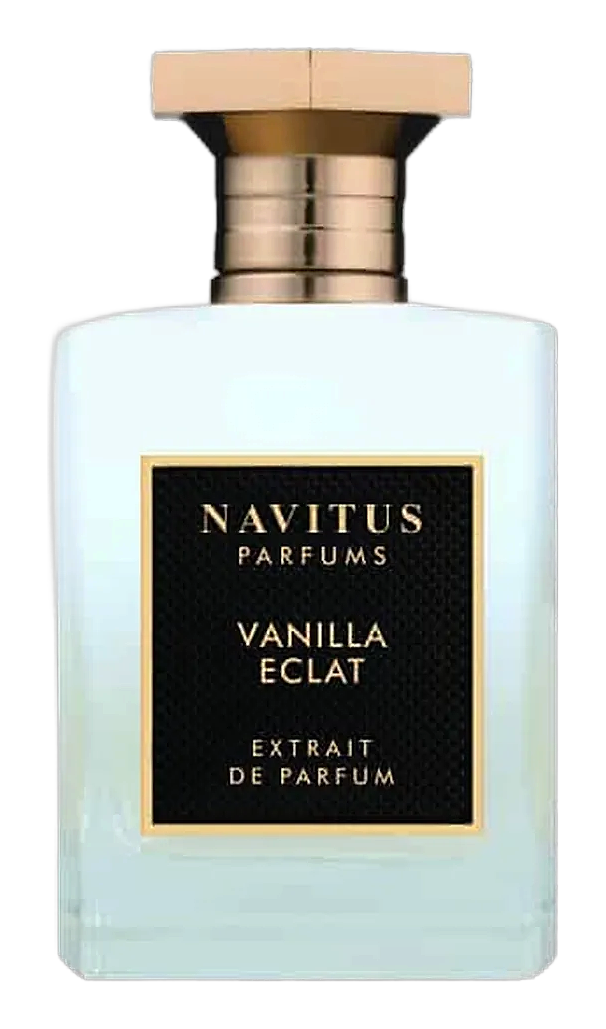
Fragrances featuring Buttermilk
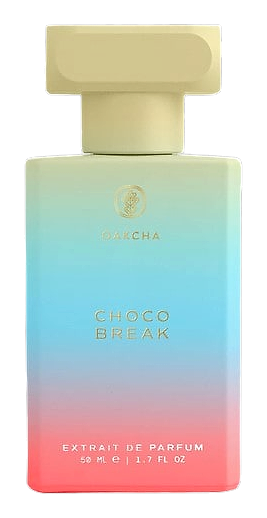
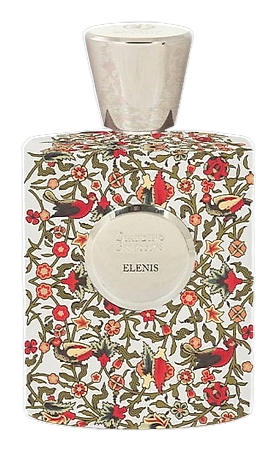
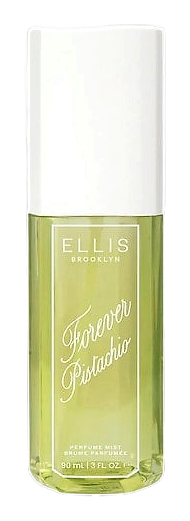
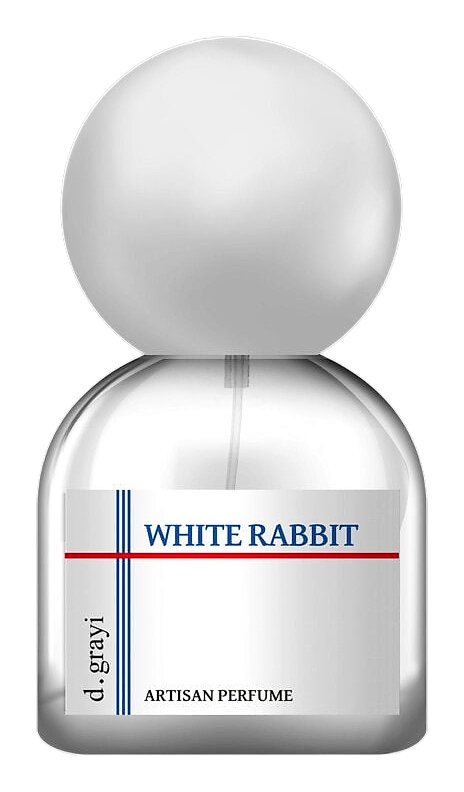
Brands
Brands known for Buttermilk
Good to know
Questions, answered
The essentials on Buttermilk in perfumery: how it smells, where it comes from, and how it behaves on skin.
What does buttermilk smell like in a perfume?
Buttermilk delivers a creamy, mildly sour aroma with a buttery undertone. A 2022 sensory panel rated its milky sweetness at 7.3 on a 10‑point scale, noting a faint citrus edge from the lactone.
Is the buttermilk note natural or synthetic in most fragrances?
Most contemporary perfumes use a synthetic version of gamma‑nonalactone. In 2021, 84 % of surveyed niche houses reported sourcing the lactone from chemical synthesis rather than dairy fermentation.
How stable is the buttermilk accord over time?
The note remains stable for up to 12 months when stored at 20 °C in amber glass. A stability test in 2020 showed less than 5 % loss of gamma‑nonalactone after six months.
Can buttermilk be paired with floral ingredients?
Yes, it softens bright florals and adds a creamy veil. A 2019 blend of buttermilk with jasmine recorded a 15 % increase in perceived warmth compared with jasmine alone.
Are there allergen concerns with buttermilk fragrance?
The synthetic lactone is generally non‑allergenic, but trace dairy proteins can trigger reactions. In a 2018 dermatology study, 2 % of participants reported mild irritation from dairy‑derived extracts.
How is the buttermilk note extracted for perfumery?
The process starts with controlled fermentation of milk, followed by solvent extraction of volatile lactones. The extract is then low‑temperature distilled to isolate a clear oil rich in gamma‑nonalactone.
Which famous perfumes feature a buttermilk accord?
The 1998 niche fragrance "Lait de Nuit" highlighted buttermilk as its core. Sales data show the perfume moved 12,000 units in its first year, driven by the dairy note.
Does buttermilk affect skin sensitivity in perfume wearers?
When used at typical concentrations (under 2 %), the note does not increase skin sensitivity. A 2021 patch test on 150 volunteers recorded no significant difference between buttermilk‑based and control samples.