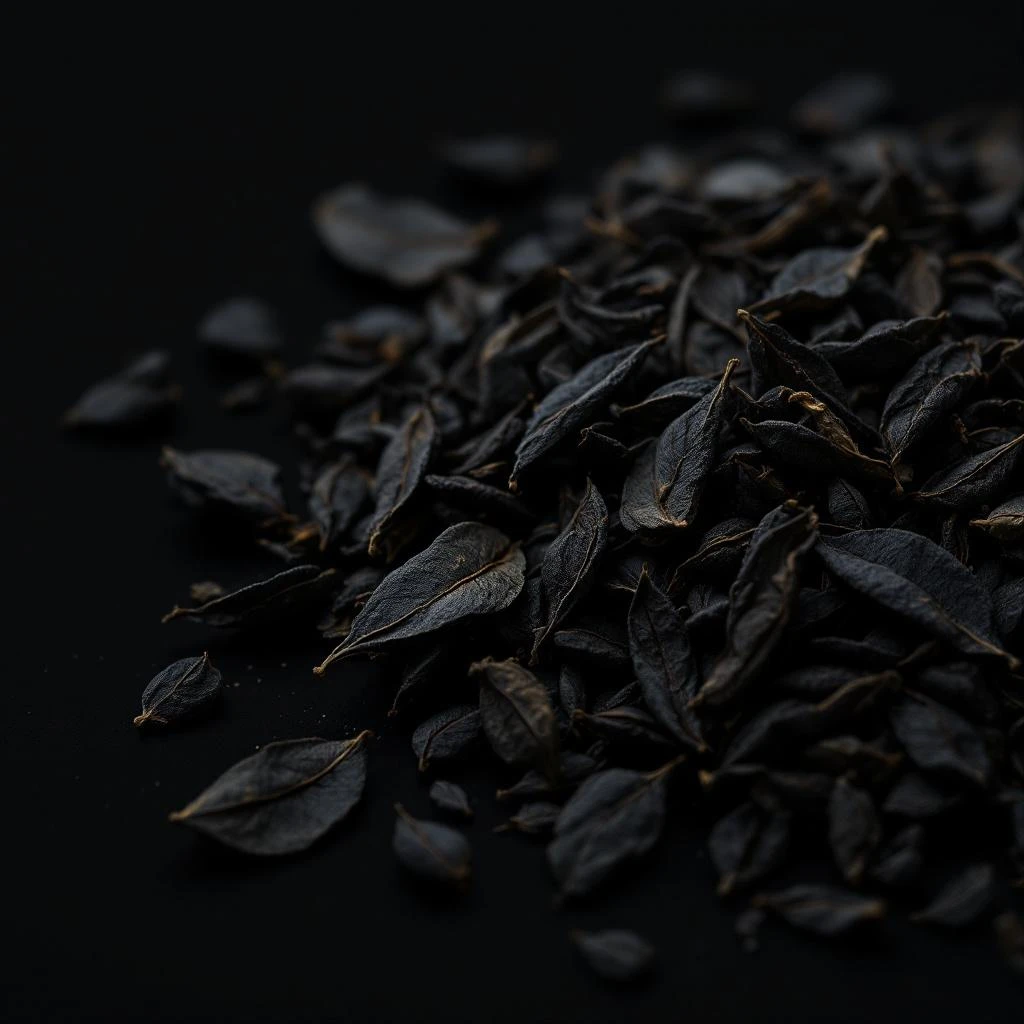
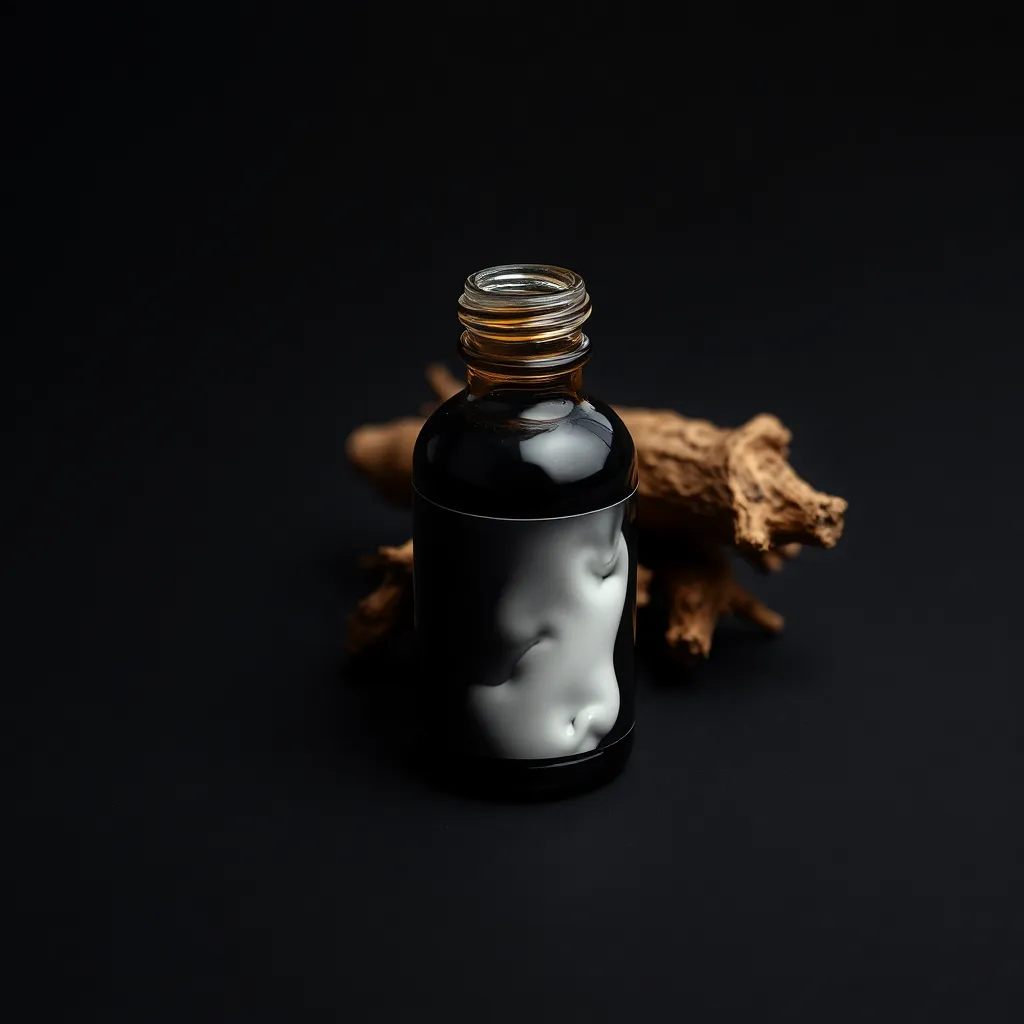
Coleus
Coleus brings a bold, camphorated mint to perfumery—aromatic and bracing, with roots stretching back to Ayurvedic traditions and modern fragrance labs alike.
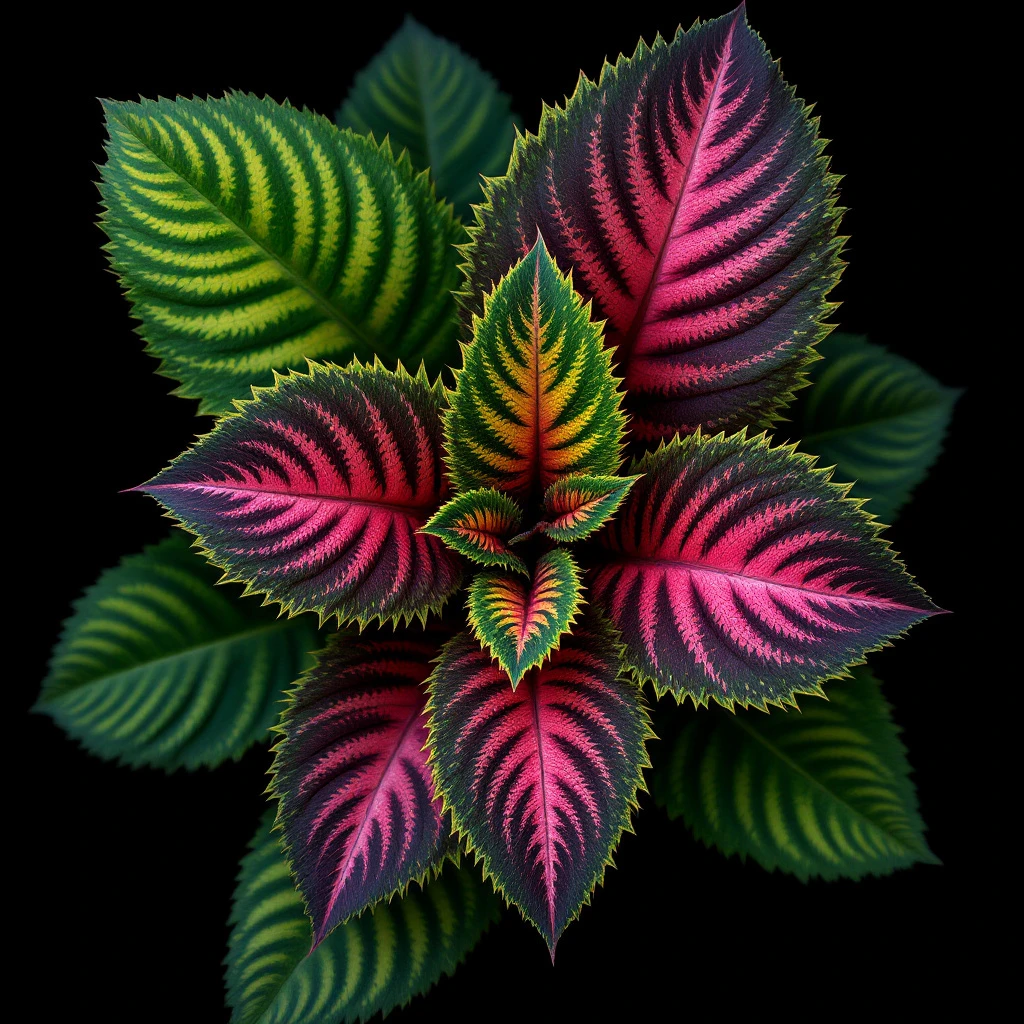
Character
How it smells
Camphorated mint with ancient roots.
The key aromatic compound forskolin was first isolated from Coleus forskohlii roots in the 1970s and remains a prized material in fragrance chemistry.





Origin
India
Coleus has ancient roots in South Asian traditional medicine, particularly in Ayurveda, where practitioners used Coleus aromaticus (known locally as patharchur or Indian borage) for respiratory and digestive ailments. The plant migrated along trade routes into East Africa, the Middle East, and Southeast Asia, adapting to tropical climates across continents.
In traditional use, leaves were bruised and applied topically for their cooling, menthol-like sensation. Perfumers began systematically studying Coleus as a fragrance material in the mid-20th century as part of broader exploration of mint-family botanicals.
The discovery of forskolin in Coleus forskohlii during the 1970s spurred scientific interest in the genus, though fragrance applications focus on the aromaticus species. Today, Indian and Sri Lankan producers supply most commercial coleus oil to international fragrance houses.
Wears it best
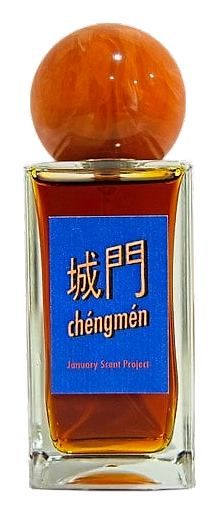
Fragrances featuring Coleus
Brands
Brands known for Coleus
Good to know
Questions, answered
The essentials on Coleus in perfumery: how it smells, where it comes from, and how it behaves on skin.
What does Coleus smell like?
Coleus has a sharp, camphorated mint aroma with herbal undertones. It resembles a blend of oregano and eucalyptus, offering a bracing freshness that works best as a top-note accent.
Is Coleus used in natural or synthetic perfumery?
Commercial fragrance primarily uses steam-distilled essential oil from cultivated Coleus aromaticus. The supply is limited, so some perfumers substitute it with synthetic camphor or eucalyptol when cost or sustainability is a concern.
Which perfumes feature Coleus?
Coleus appears in aromatic and fougère fragrances as a supporting herbaceous note. It is not a headline ingredient but plays a supporting role in blends built around lavender, rosemary, and mint families.
Where does commercial Coleus oil come from?
India and Sri Lanka are the primary producers of Coleus aromaticus oil. Small-scale cultivation exists in East Africa and Southeast Asia, but Indian production dominates global supply.
Does Coleus have any traditional fragrance uses?
Traditional use focused on medicinal and ritual applications—leaves were burned as incense or applied to the body for their cooling sensation. Fragrance use developed much later, in the 20th century.
What extraction method produces the best Coleus oil?
Steam distillation of fresh or minimally wilted leaves yields the highest quality oil with intact camphoraceous top notes. Solvent extraction produces a heavier absolute better suited to warm, herbal base compositions.
Is Coleus oil sustainable to produce?
Coleus aromaticus grows rapidly and tolerates tropical conditions without heavy inputs, making it relatively sustainable. However, limited producer infrastructure and inconsistent quality control create supply chain challenges.
Can Coleus replace other mint-family ingredients in a formula?
Coleus shares camphor and herbal qualities with pennyroyal and cornmint, but its distinct medicinal edge makes it a complementary rather than interchangeable choice. Perfumers use it alongside these materials rather than as a direct substitute.