Coconut palm
Coconut opens with sun-warmed sweetness, the unmistakable aroma of tropical shores. Behind that familiar beach-day charm lies a perfumery gem: coconut absolute delivers a deep, lactonic richness that captures the fruit's full sensory complexity. Here is what makes this island ingredient essential to fine fragrance.

Character
How it smells
Tropical richness distilled into liquid warmth.
A single mature coconut palm can produce up to 75 fruits per year, making it one of the most prolific fruit-bearing trees in tropical regions.



Origin
Sri Lanka
Coconut palms accompanied human migration across the Indo-Pacific at least 3,000 years ago, carried in outrigger canoes by Polynesian navigators who recognized the fruit as a portable source of water, oil, and nutrition. Ancient Sanskrit texts mention coconut oil in ritual contexts, while Arabian traders prized the nut as valuable cargo along historic maritime routes.
Coconut entered Western perfumery during the tropical exoticism trend of the 1920s and 1930s, when fragrance houses began experimenting with island ingredients to evoke escape and adventure. By mid-century, coconut featured prominently in suntan lotions and tropical fragrances, cementing its status as the olfactory emblem of leisure and sun-drenched coastlines.
Wears it best
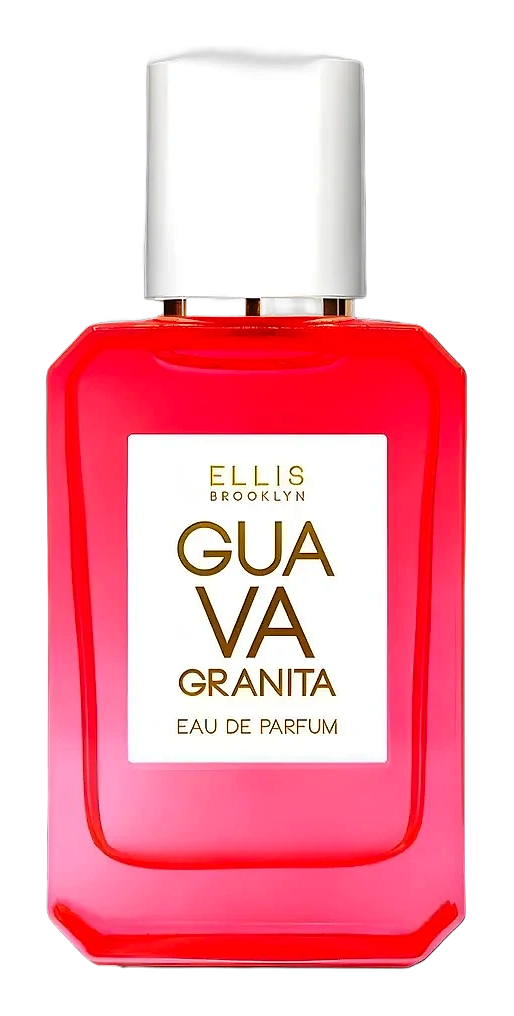
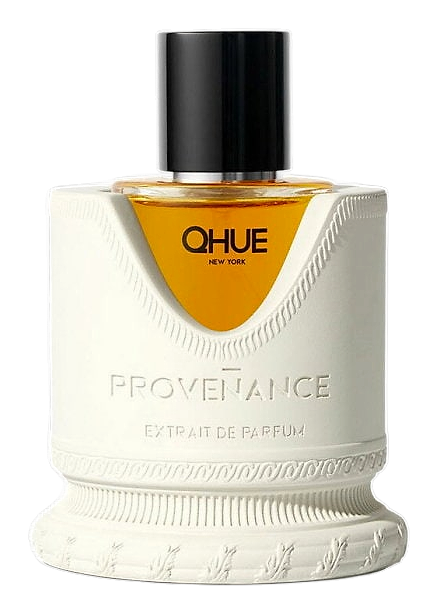
Fragrances featuring Coconut palm
Brands
Brands known for Coconut palm
Good to know
Questions, answered
The essentials on Coconut palm in perfumery: how it smells, where it comes from, and how it behaves on skin.
What does coconut absolute smell like in a fragrance?
Coconut absolute smells creamy and lactonic, with rich buttery warmth balanced by a subtle waxy quality. Unlike synthetic coconut compounds that read sharply tropical, the natural absolute adds depth and complexity with faint toasted and caramel undertones. It blends most naturally with salt notes, white florals, and woody bases.
Is coconut note in perfume natural or synthetic?
Both natural and synthetic coconut exists in fine fragrance. Natural coconut absolute is solvent-extracted from dried coconut kernel, offering depth and nuance. Most coconut-scented ingredients in mainstream perfumery are actually synthesized aroma chemicals like gamma-decalactone, which delivers the characteristic coconut-lactone character at lower cost and better stability.
How does coconut perform as a fragrance ingredient?
Coconut absolute works well as a heart or base note, providing warm, creamy body that softens sharper top notes. It functions beautifully as a fixative extender for florals, adding longevity to gardenia and ylang ylang compositions. In masculine bases, coconut bridges woody and aquatic elements with unexpected warmth.
Which fragrance families use coconut most often?
Coconut appears predominantly in tropical, floral, and fresh fragrance families. Beach and skin scents rely on coconut as a signature element, while oriental fragrances use it to add creamy warmth without heaviness. Some chypre and woody compositions incorporate coconut to soften and round their bases.
Does coconut palm have any traditional perfumery history?
Coconut entered Western perfumery in the 1920s, when tropical exoticism influenced fragrance design. It gained widespread popularity in suntan products and leisure fragrances through the 1950s and 1960s. Traditional South Asian perfumery used coconut oil as a base for attars long before Western interests developed, applying different extraction traditions centered on oil maceration rather than absolutes.
What regions produce the best coconut for perfumery?
Tropical coastal regions with humid, saline environments produce coconuts with the most aromatic complexity. Sri Lanka, the Philippines, Indonesia, and the Caribbean each yield distinct profiles shaped by soil composition and climate. Sri Lankan coconuts, grown in humid coastal conditions, have developed a particularly strong reputation among specialty ingredient suppliers.
How is coconut absolute actually produced?
The process starts with copra, dried coconut kernel from which coconut oil has been extracted or left intact. Manufacturers wash ground copra with food-grade solvents to create a coconut concrete, then dissolve this in alcohol to separate the absolute from waxes and pigments. The final product is a thick, amber liquid with characteristic creamy, warm aroma.
Is coconut safe to use in skin and body products?
Coconut-derived ingredients are generally safe and widely used in cosmetic formulations. Coconut oil appears in countless skin care products, while coconut absolute and aroma chemicals feature in perfumes at standard concentrations. True coconut allergies are rare compared to tree nut allergies, though those with sensitivities should verify specific formulations with their manufacturer.