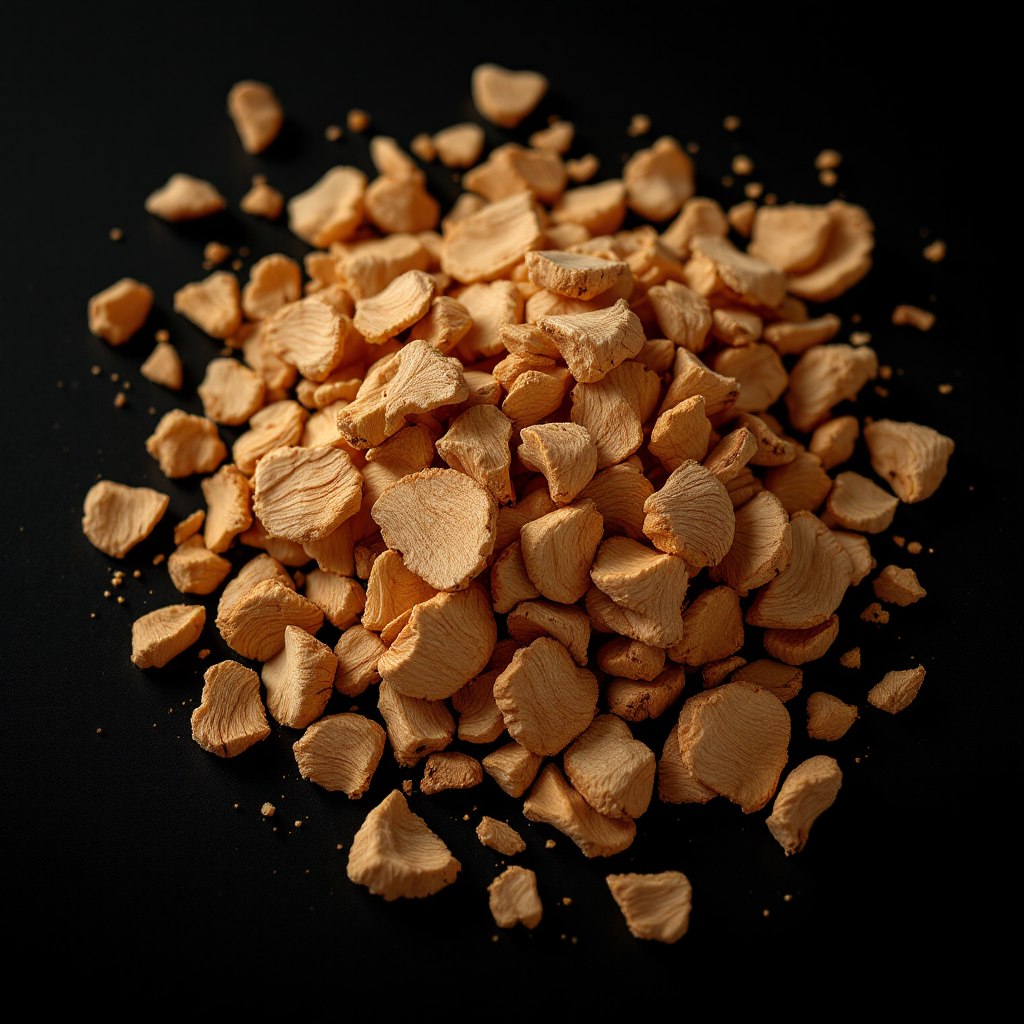
Cocoa Wood
Cocoa wood bridges two worlds of perfumery: the roasted warmth of cacao and the dry, resinous depth of fine timber. The note carries faint bitterness, a hint of smoke, and a quiet earthiness that anchors gourmand compositions without overwhelming them.
Character
How it smells
Roasted depth wrapped in dry timber.
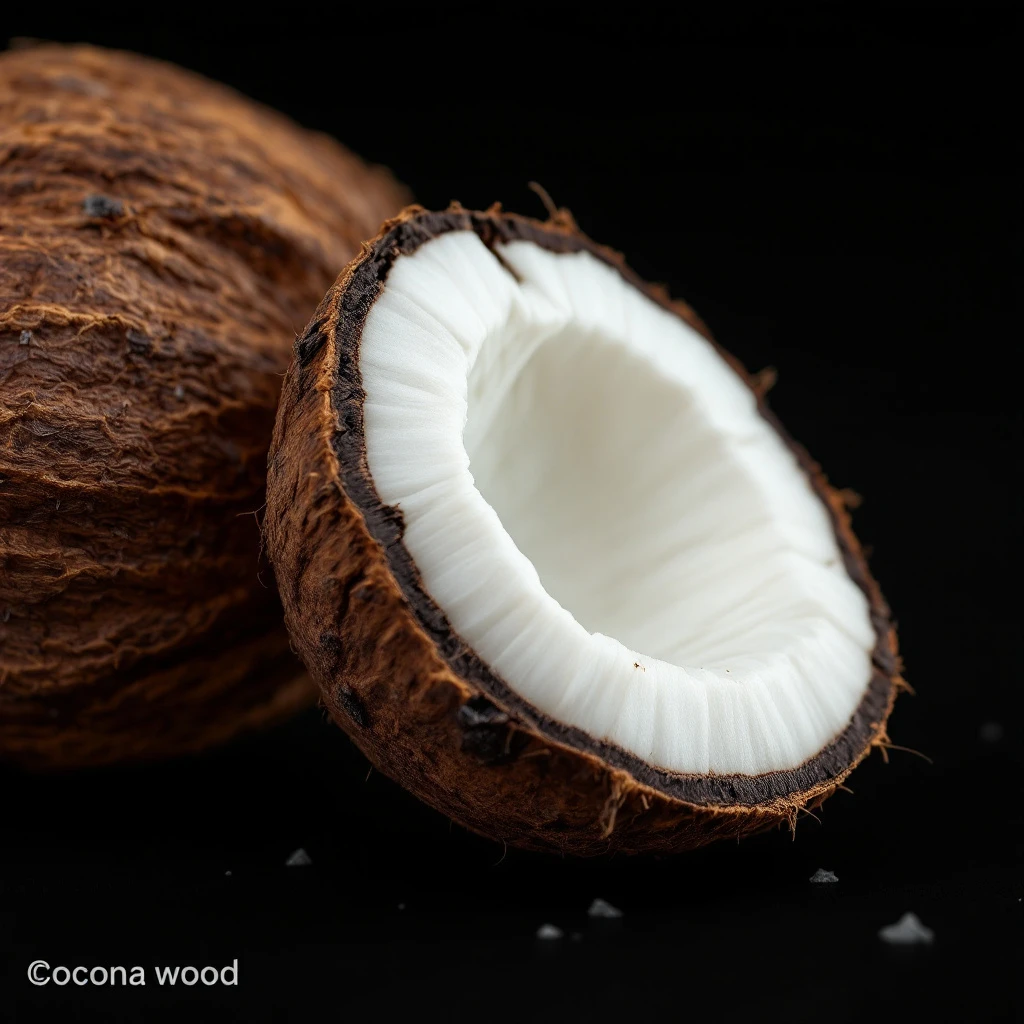
Cocoa wood is rarely a single material. It is a perfumer's accord, blending cacao absolutes with woods like guaiac or cedar to capture the scent of aged cacao beams used historically in tropical drying sheds.
Pairs beautifully with

Origin
Mexico
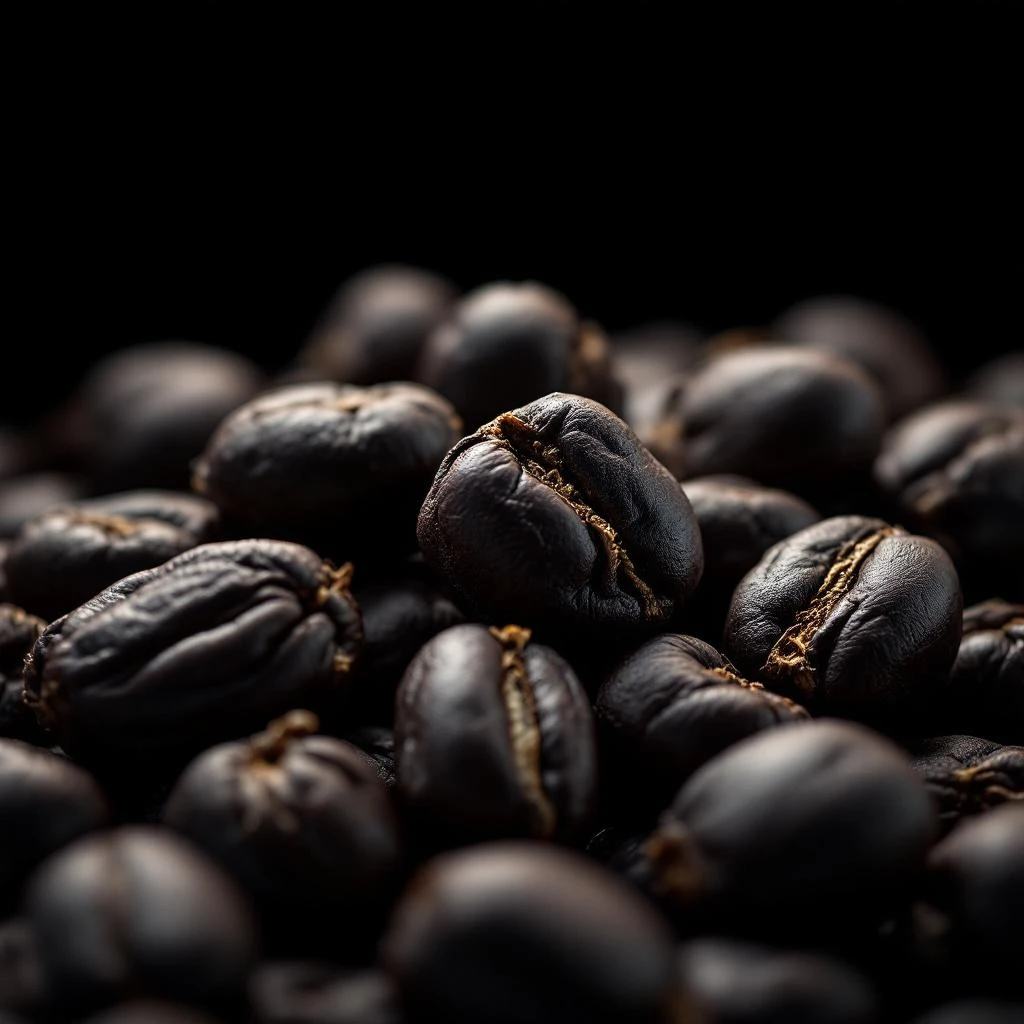
Cacao has been cultivated and consumed in Mesoamerica for at least 3,000 years, but its path into perfumery arrived much later. The Mayans and Aztecs prized cacao as a ceremonial ingredient, grinding roasted beans into beverages reserved for nobility and rituals. Spanish explorers introduced cacao to Europe in the 16th century, where it initially spread as a medicinal and culinary curiosity.
The leap into fragrance came during the late 19th and early 20th centuries, when advances in solvent extraction made it possible to capture the scent of roasted cacao rather than just its flavor. Early perfumers experimented with cocoa absolute in oriental and fougère compositions, drawn to its warm, slightly bitter profile.
The woody interpretation emerged from the traditional practice of storing cacao in wooden aging rooms. These spaces absorbed the aroma over decades, influencing how perfumers conceptualized the note. By the 1990s, cocoa wood had become a recognizable accord, especially within gourmand fragrance movements that valued its confectionery-meets-timber complexity.
Wears it best
Fragrances featuring Cocoa Wood
Brands
Brands known for Cocoa Wood
Good to know
Questions, answered
The essentials on Cocoa Wood in perfumery: how it smells, where it comes from, and how it behaves on skin.
What does cocoa wood smell like?
Cocoa wood combines the dry, bitter aroma of roasted cacao with the resinous warmth of fine timber. Expect notes of dark chocolate edges, faint smoke, and a smooth woody undertone. It reads richer than plain cocoa and drier than typical sandalwood.
Is cocoa wood a natural material?
Yes, cocoa wood ingredients derive from natural sources: cacao seeds (Theobroma cacao) and aromatic woods like guaiac or cedar. Most versions are constructed as accords rather than single-source extracts, blending cacao absolute with distilled wood oils.
How is cocoa wood used in perfumery?
Cocoa wood typically anchors the base of gourmand, oriental, and boozy fragrances. Perfumers value it for adding roasted depth without the sweetness of vanilla. It pairs especially well with spices, dried fruits, and smoky accords.
Where does cocoa wood originate?
The cacao component traces to Mesoamerica, particularly Mexico, where Theobroma cacao was first cultivated. The woody element varies, often sourced from sustainable plantations in South America or Africa that produce guaiac or cedar.
Is cocoa wood sustainable?
Cacao farming supports millions of smallholders in tropical regions, though deforestation concerns persist in West Africa. Sustainable certifications like Rainforest Alliance address these issues. Woody components depend entirely on which timber is selected.
What fragrance families feature cocoa wood?
Cocoa wood appears most frequently in gourmand, oriental, and boozy woody compositions. It occasionally surfaces in unisex dark-floral arrangements, where its bitter warmth contrasts with rose or jasmine. Pure chypre structures rarely use it.
How long does cocoa wood last in a fragrance?
Cocoa wood sits firmly in the base note category and typically lasts 6 to 10 hours on skin. Cocoa absolute contains heavy molecules including pyrazines that slow evaporation, giving the note exceptional staying power compared to most woods.
What ingredients pair well with cocoa wood?
Cocoa wood harmonizes with benzoin for sweetness, tonka bean for almond warmth, and oud for smoky depth. Citrus oils like bergamot cut through its heaviness at the top. Leather and tobacco accords amplify its roasted character without competing.