Chocolate Syrup
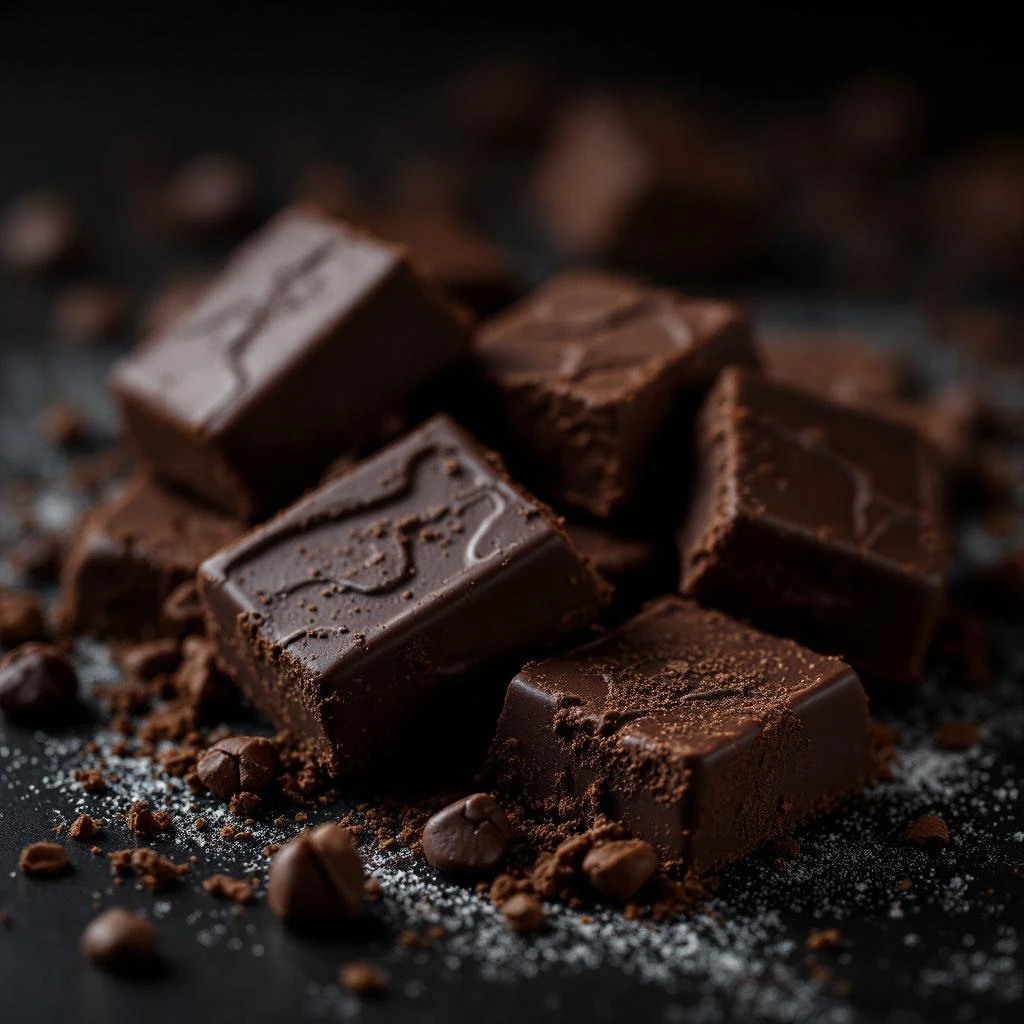
Rich, dark, and unapologetically indulgent. Chocolate Syrup captures the molten heart of cacao, blending bittersweet depth with syrupy warmth that lingers on the skin like a whispered secret.
Character
How it smells
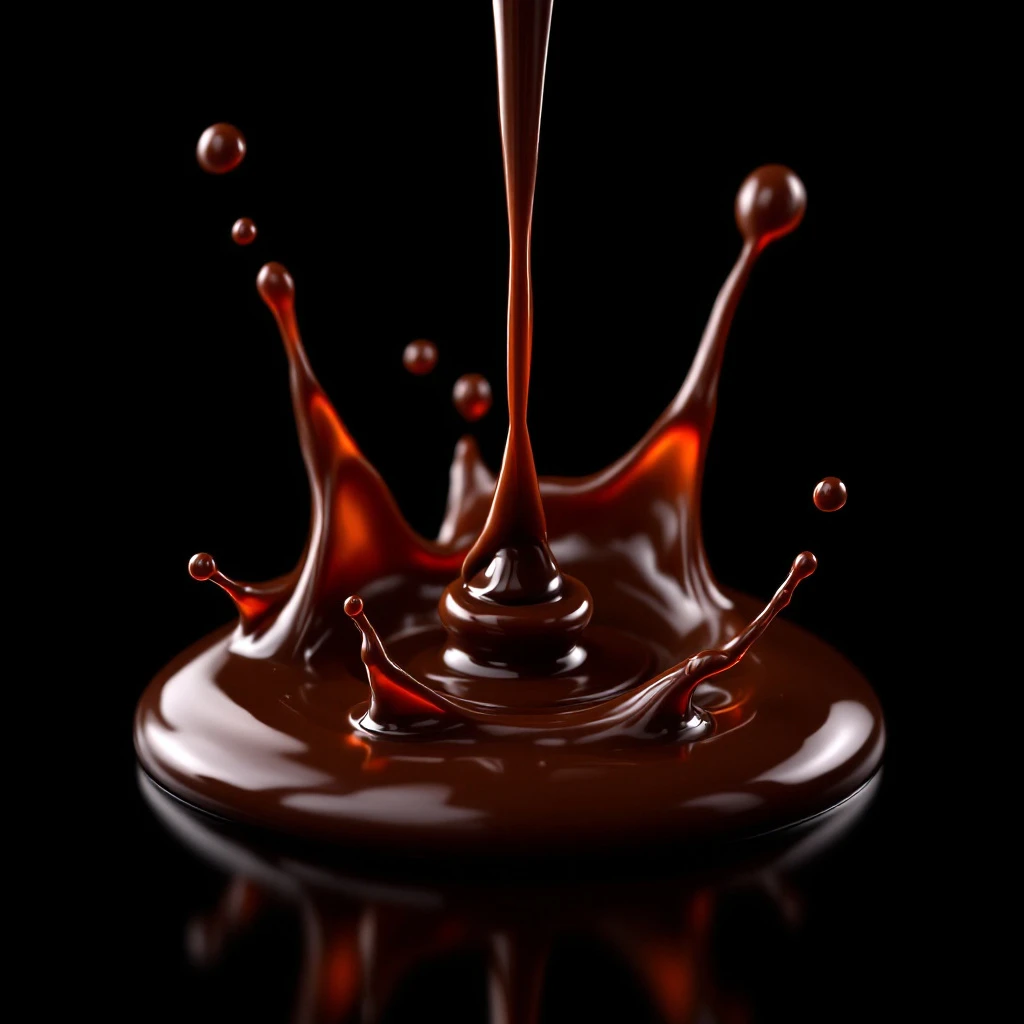
Seductive cocoa captured in liquid form.
Over 600 volatile compounds create chocolate's signature aroma, yet perfumers primarily synthesize the key ones because extracting real chocolate for fragrance proves impractical and unstable.
Pairs beautifully with
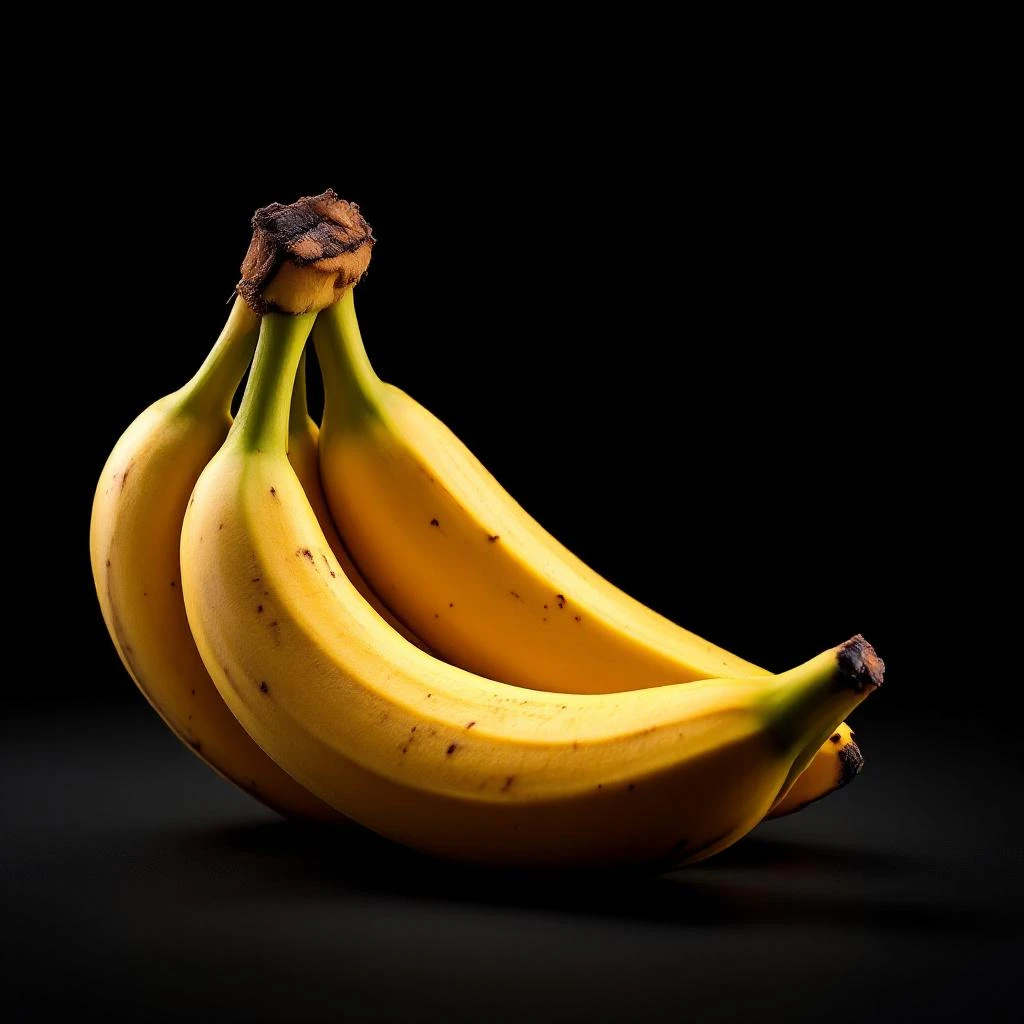
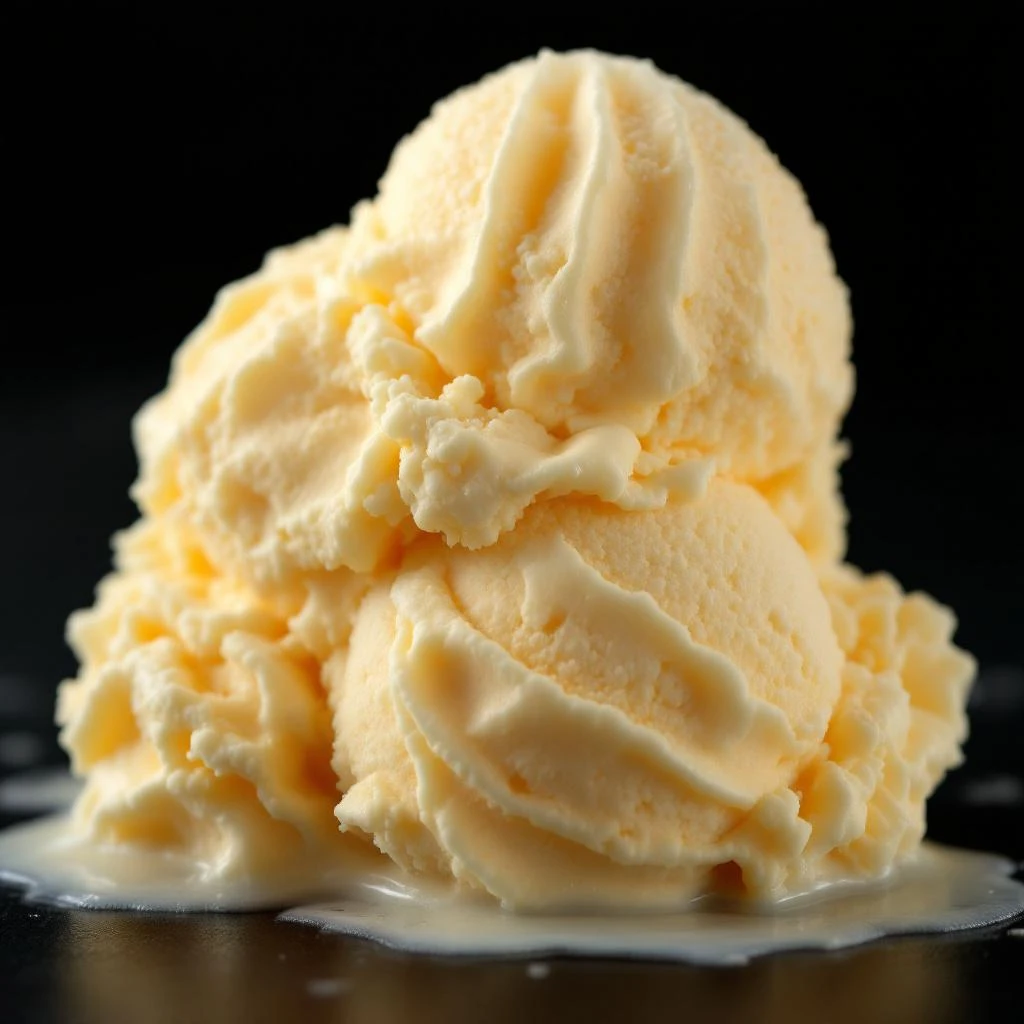
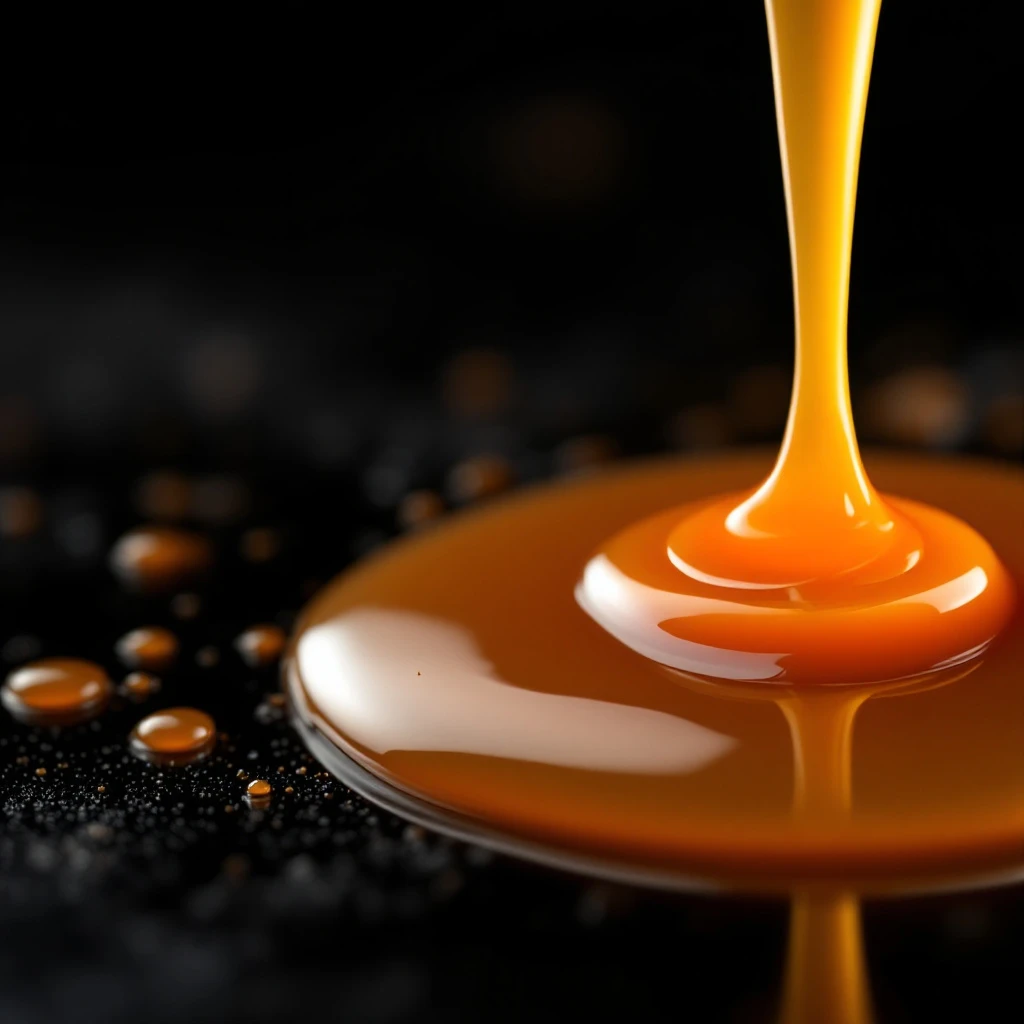
Origin
Mexico
Cacao traces its roots to Mesoamerica, where the Maya and Aztec civilizations revered the cacao bean as divine. They brewed bitter xocolatl drinks for ceremonies and used cacao beans as currency. Spanish conquistadors brought chocolate to Europe in the 16th century, where it transformed from a sacred bitter beverage into the sweetened confection we recognize today.
The industrial revolution made chocolate accessible to the masses by the 19th century. In perfumery, chocolate notes emerged later, gaining prominence in the late 20th century as the Gourmand family took shape. Vanillin, one of the first synthetically produced aroma compounds in the 1870s, enabled early chocolate recreations.
The true explosion of chocolate perfumery came with Thierry Mugler's Angel in 1982, which proved that edible, decadent notes could command serious fragrance respect. Today, chocolate remains a staple of warm, seductive fragrances worldwide.
Wears it best
Fragrances featuring Chocolate Syrup
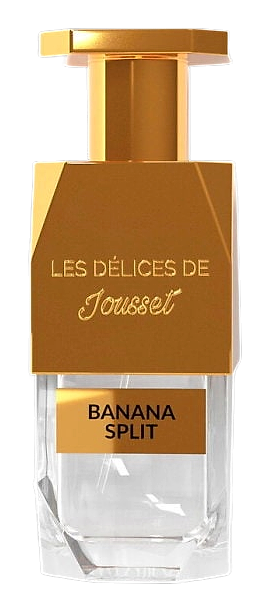
Brands
Brands known for Chocolate Syrup
Good to know
Questions, answered
The essentials on Chocolate Syrup in perfumery: how it smells, where it comes from, and how it behaves on skin.
Is chocolate in perfume made from real cocoa?
No. Most chocolate notes in perfumery are synthesized from aroma compounds like vanillin and cocoa-specific aromatics. Pure cocoa extraction is impractical for fragrance use because the compounds degrade quickly and lack the consistency perfumers need.
When did chocolate first appear in perfume?
Chocolate notes gained traction in perfumery during the late 20th century. Thierry Mugler's Angel in 1982 launched the Gourmand family and made chocolate an acceptable perfume note, though vanillin-based chocolate accords existed since the 19th century.
What role does chocolate syrup play in fragrance composition?
Chocolate functions as a base note that conveys richness, warmth, and seduction. It adds depth and sensuality to oriental and Gourmand fragrances and pairs well with vanilla, caramel, amber, and woody accords.
Are chocolate fragrance notes natural or synthetic?
Mostly synthetic or nature-identical. While natural cocoa absolute exists and some houses use real cocoa extracts, most chocolate perfume accords rely on synthesized compounds for stability and consistency in formulations.
Can someone be allergic to chocolate in perfume?
Cocoa-derived compounds in fragrance are generally safe in the low concentrations used. However, individuals with chocolate allergies should check ingredient lists, as some cocoa materials may trigger reactions.
What fragrances pair well with chocolate notes?
Chocolate harmonizes with vanilla, tonka bean, and caramel in Gourmand fragrances. It also complements jasmine and rose in floral-oriental compositions, and pairs beautifully with sandalwood, amber, and patchouli in deeper oriental blends.
What famous fragrances feature chocolate as a dominant note?
Chanel Coco Mademoiselle uses chocolate alongside patchouli for modern sensuality. Dior Hypnotic Poison pairs chocolate with vanilla and coconut. Mugler Angel remains iconic for its chocolate-caramel signature. Tom Ford Black Orchid features dark chocolate in an opulent floral-oriental structure.
Why do people find chocolate scents attractive?
Cocoa contains compounds that can trigger mood-elevating responses similar to falling in love, due to phenylethylamine content. In perfumery, chocolate notes trigger associations with comfort, indulgence, and warmth, making them inherently appealing.