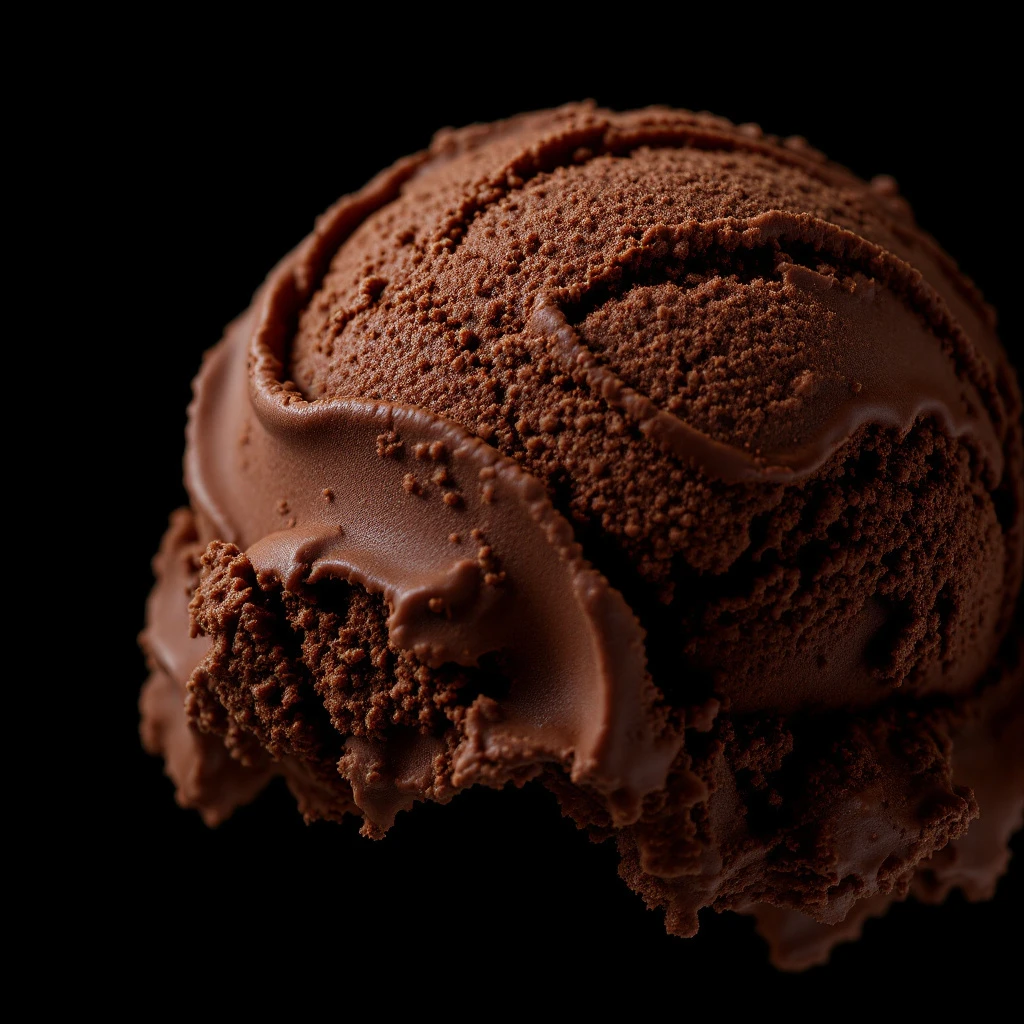
Chocolate Ice Cream
A gourmand fantasy built from cacao absolute and creamy lactones. Chocolate ice cream in perfumery smells richer than the dessert itself, with cocoa depth, milky sweetness, and a cool, vanillic softness.
Character
How it smells
Dessert reimagined through scent.
Chocolate ice cream was invented before vanilla. The first frozen chocolate recipe appeared in Naples in 1692, nearly 80 years before any recorded vanilla formula.
Pairs beautifully with
Origin
Ivory Coast
Chocolate reached Europe in the 16th century as a spiced beverage, and by 1692 Neapolitan cooks had published the first frozen chocolate dessert in "The Modern Steward," a Spanish-Italian culinary manual. The recipe predates vanilla ice cream by decades. Cacao's path into fragrance followed a different route.
Cacao absolute entered perfumery in the late 19th century, initially as a flavoring agent for chocolate liqueurs and confections before perfumers recognized its fixative properties and roasted complexity. The "gourmand" fragrance category that now defines chocolate ice cream accords barely existed before Thierry Mugler's Angel in 1992, which proved that edible-smelling compositions could anchor a serious perfume. Before that, chocolate notes lived mainly in masculine orientals and fougères.
The specific "ice cream" character depends on a relatively modern palette of aroma chemicals. Lactones were first isolated in the 1960s, and synthetic vanillin has been industrially available since the 1870s. The accord itself is a late 20th-century invention, layering centuries-old cacao tradition with synthetic dairy and sweetness molecules.
Wears it best
Fragrances featuring Chocolate Ice Cream
Brands
Brands known for Chocolate Ice Cream
Good to know
Questions, answered
The essentials on Chocolate Ice Cream in perfumery: how it smells, where it comes from, and how it behaves on skin.
What does chocolate ice cream smell like in perfume?
It smells richer than the dessert itself: deep roasted cocoa, creamy dairy sweetness, and a soft vanillic coldness. The effect comes from stacked aroma chemicals rather than any single natural material.
Is chocolate ice cream a natural or synthetic fragrance note?
It is constructed. Cacao absolute supplies the chocolate base, while synthetic lactones, vanillin, and pyrazines create the milky, sweet, toasted character that no single botanical provides.
When was chocolate ice cream invented?
The first frozen chocolate recipe was published in Naples in 1692 in "The Modern Steward," making it older than recorded vanilla ice cream by roughly 80 years.
What is cacao absolute?
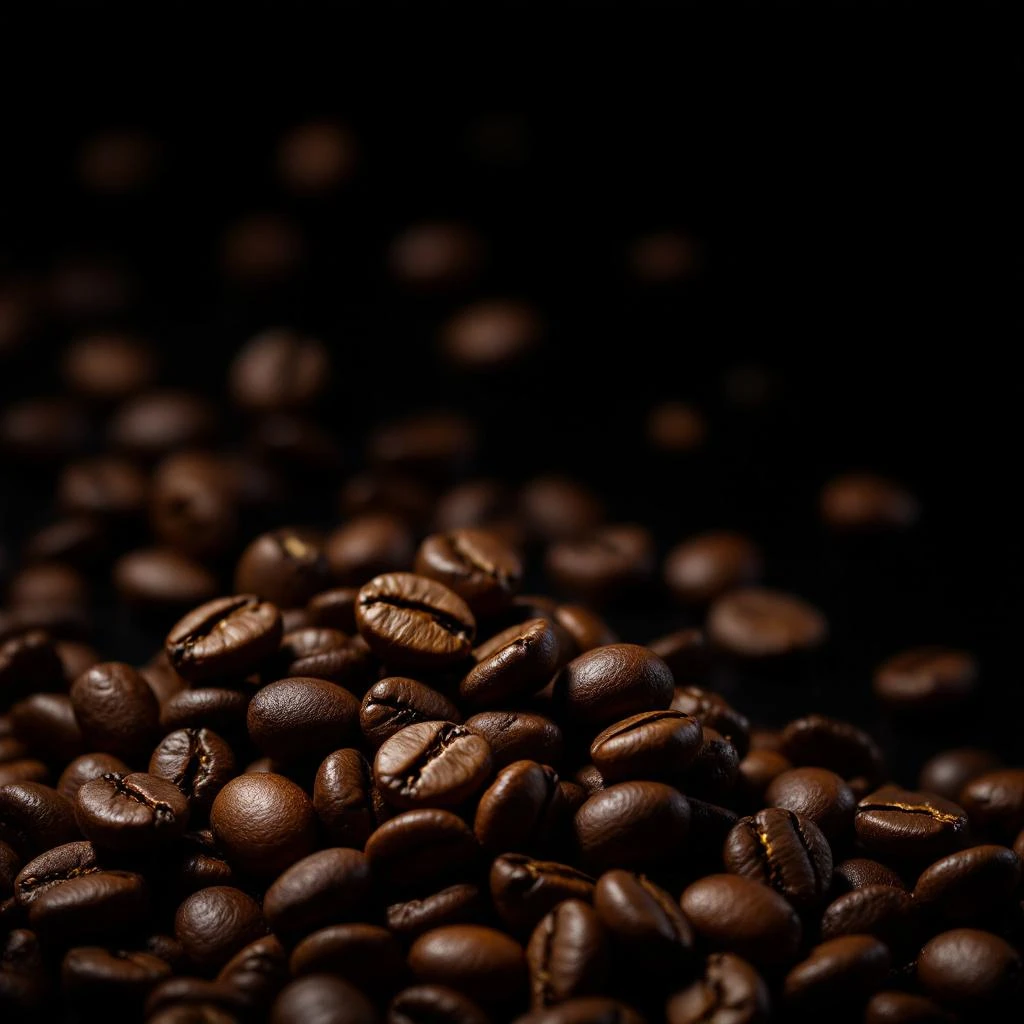
Cacao absolute is a concentrated aromatic extract obtained by solvent extraction of fermented, roasted cacao beans. It carries bitter, roasted, and faintly fruity notes used as a fragrance anchor.
Which chemicals create the creamy ice cream effect?
Lactones such as gamma-decalactone supply creamy, peachy softness, while methyl ketones like 2-heptanone add buttery richness. Vanillin contributes the sweet, frozen-dessert finish.
Which country produces most cacao absolute?
Côte d'Ivoire leads global cacao production, accounting for roughly 40% of the world's supply, followed by Ghana. Most cacao absolute is distilled from West African beans.
When did chocolate first appear in perfume?
Cacao absolute entered perfumery in the late 19th century, initially as a confectionery and liqueur flavoring before perfumers adopted it for its fixative qualities and roasted depth.
What was the first major perfume to feature a chocolate note?
Thierry Mugler's Angel (1992) launched the gourmand category and popularized edible-smelling accords, though earlier fragrances from the 1980s experimented with cocoa-adjacent compositions.