Chinchona Bark
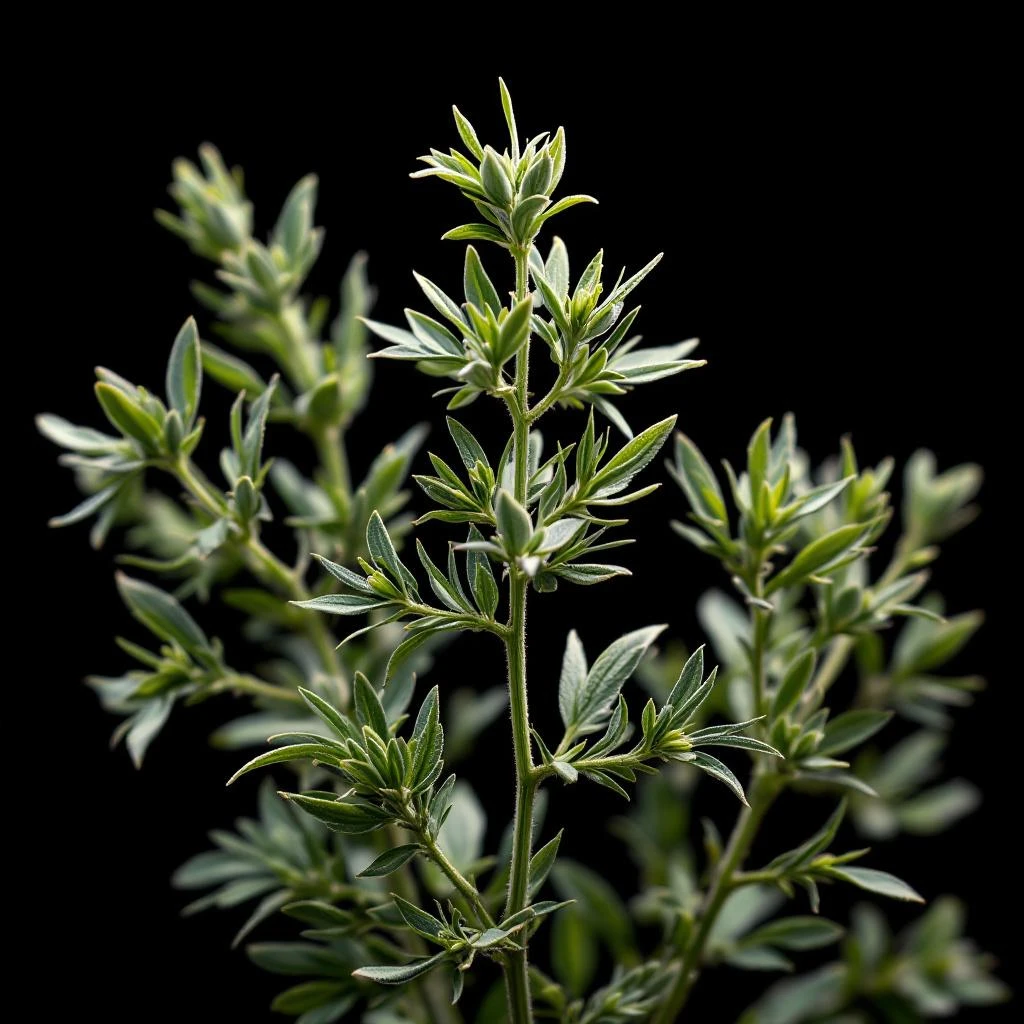
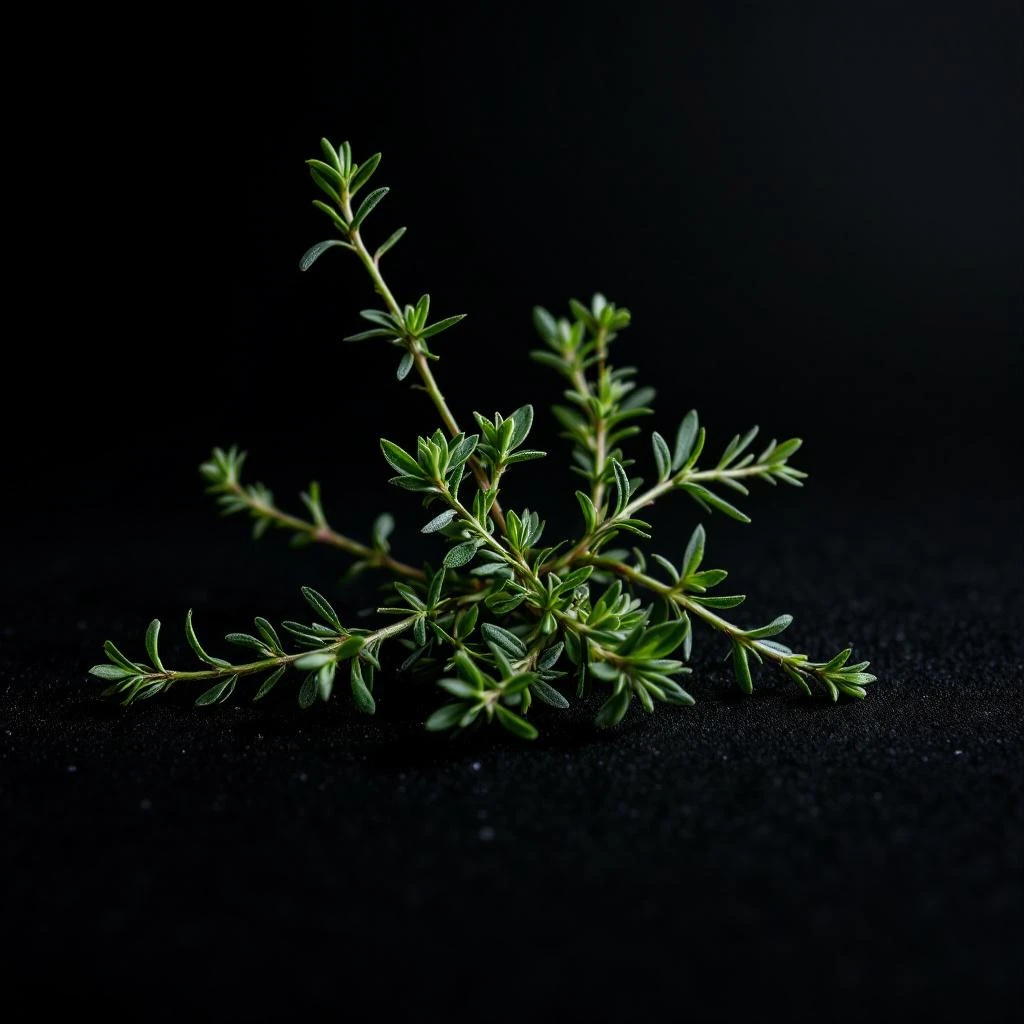
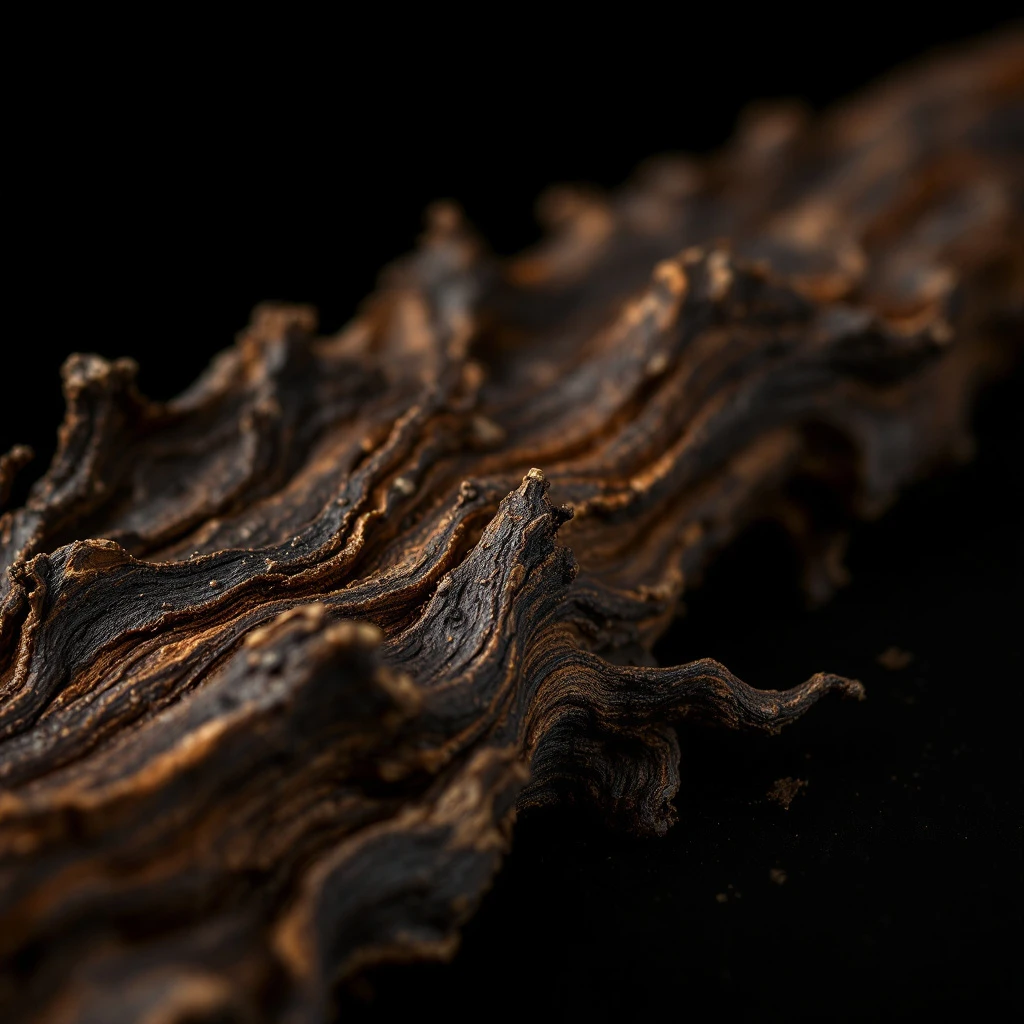
Cinchona bark brings a dry, bitter-warm edge to perfumery, carrying traces of quinine's medicinal sharpness alongside gentle woody undertones.
Character
How it smells
Bitter bark with a pharmaceutical past
Cinchona bark gave the world quinine, the antimalarial compound that made tonic water a British colonial staple.
Pairs beautifully with


Origin
Peru
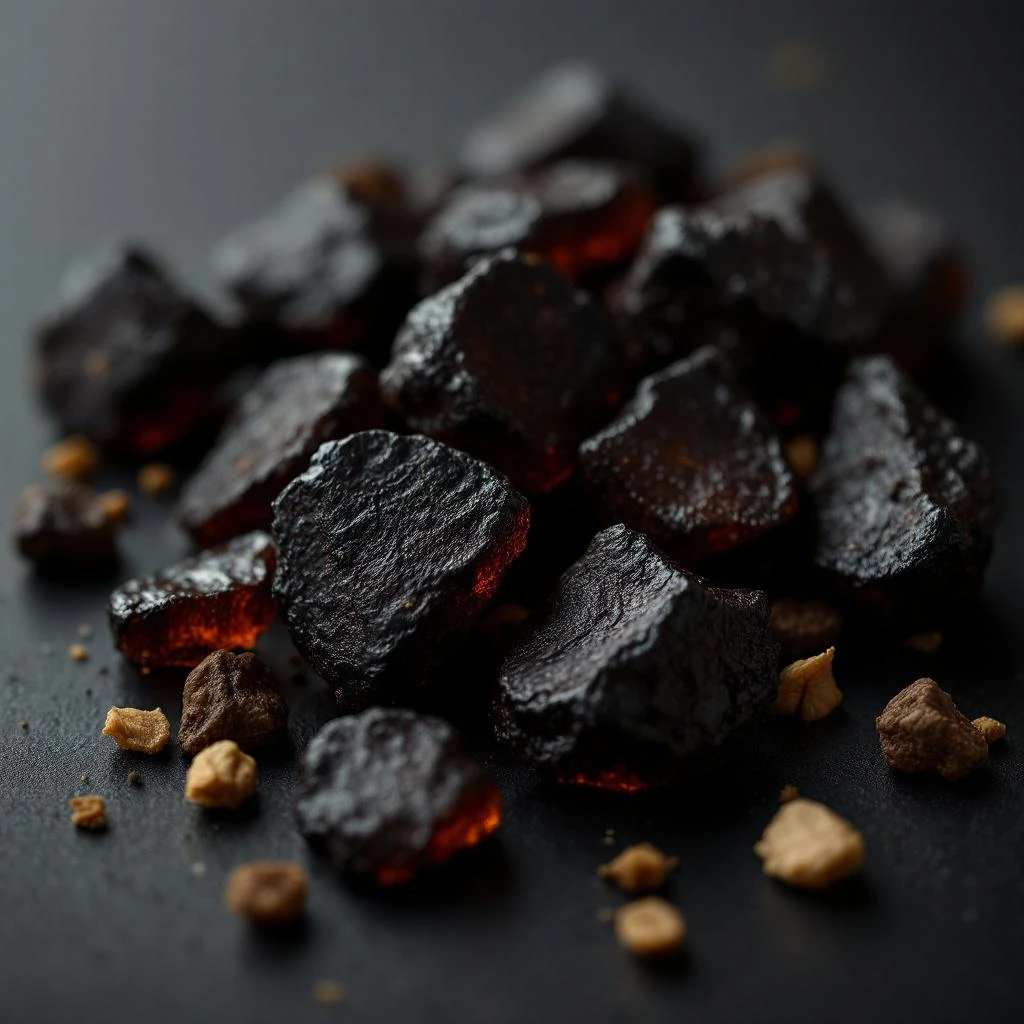
Cinchona bark carries one of the most consequential biographies in plant history. Indigenous Quechua peoples of the Andes had long used the bark to reduce fevers and ease muscle ailments before European contact. The tree entered European medicine during the 1630s, when Jesuit missionaries in Peru began distributing powdered bark as a fever remedy. Legend credits the Countess of Chinchon, wife of a Spanish Viceroy, with popularizing the cure after her own recovery from fever, though historians regard that account as partly apocryphal.
By the early 19th century, French chemists Pelletier and Caventou isolated quinine from the bark in 1820, earning global recognition and transforming malaria treatment worldwide. Demand exploded. British and Dutch colonial powers smuggled seeds and seedlings from South America, establishing vast plantations in Ceylon, India, and the Dutch East Indies by mid-century. The plants resisted transplantation for years before Clements Markham's expeditions and Charles Ledger's seed smuggling through an Andean guide named Manuel Incra Mamani eventually secured viable cultivars.
Quinine extracted from these plantations became a strategic commodity, dissolved into tonic water for British soldiers in India, creating the gin and tonic tradition. The bark's aromatic entry into perfumery came later, drawing on centuries of accumulated expertise in drying and processing that South American communities had refined across generations.
Wears it best
Fragrances featuring Chinchona Bark
Brands
Brands known for Chinchona Bark
Good to know
Questions, answered
The essentials on Chinchona Bark in perfumery: how it smells, where it comes from, and how it behaves on skin.
What does cinchona bark smell like in perfume?
Cinchona bark lends a dry, slightly bitter-warm character with woody and faintly tobacco-like undertones. It adds an herbal, medicinal edge to compositions without dominating the nose with quinine's sharper chemical facets.
Why is cinchona bark famous beyond perfumery?
Cinchona bark is the original source of quinine, the antimalarial alkaloid isolated by French chemists Pelletier and Caventou in 1820. Quinine's role in treating malaria reshaped 19th-century medicine and colonial history.
Where is cinchona bark originally from?
Cinchona trees are native to the eastern slopes of the Andes, spanning Peru, Ecuador, Bolivia, and Colombia. Wild populations declined sharply after colonial overharvesting in the 17th and 18th centuries.
Is cinchona bark sustainable?
Most commercial cinchona now comes from plantations in India and Indonesia established in the 19th century, which are managed for sustained bark harvest. Wild Andean populations remain protected under conservation programs.
How does cinchona bark differ from quinine in fragrance use?
Perfumery extracts the bark's aromatic profile through solvent methods, capturing bitter, woody, and faintly sweet notes. Quinine itself is odorless to most people and serves pharmacological, not aromatic, purposes.
Which perfumes commonly use cinchona bark?
Cinchona appears in several historical and niche compositions known for herbal-bitter accords, including certain eau de colognes and tobacco-leaning fragrances that reference apothecary traditions.
What family of ingredients does cinchona bark belong to?
Cinchona bark sits within the herbal-bitter fragrance category, sharing territory with wormwood, tobacco, and certain gentian extracts. Its bitter-warm character bridges herbal and woody families.
Can cinchona bark cause skin reactions?
Cinchona extracts can cause sensitivity in individuals allergic to quinine alkaloids. Standard IFRA usage limits apply, and perfumers typically dose cinchona at low concentrations to avoid skin irritation.