Cherimoya
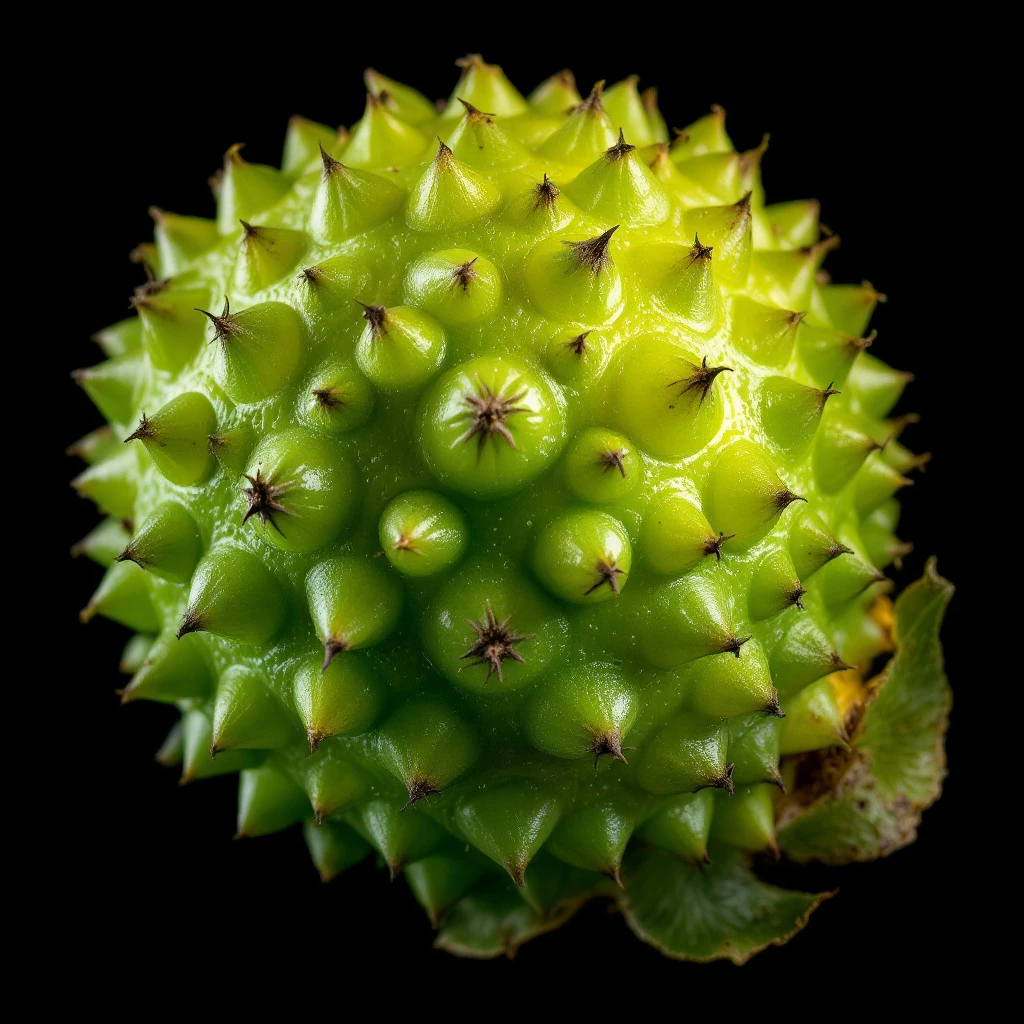
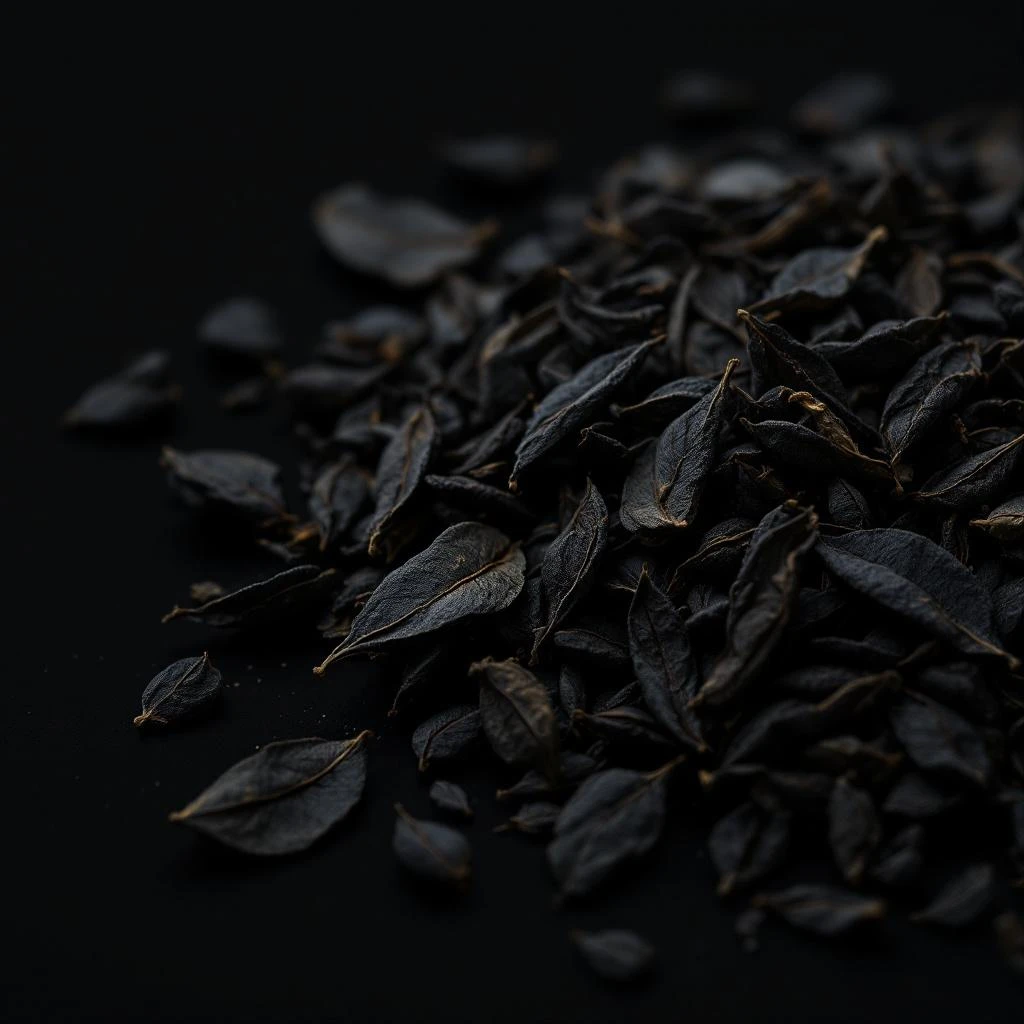
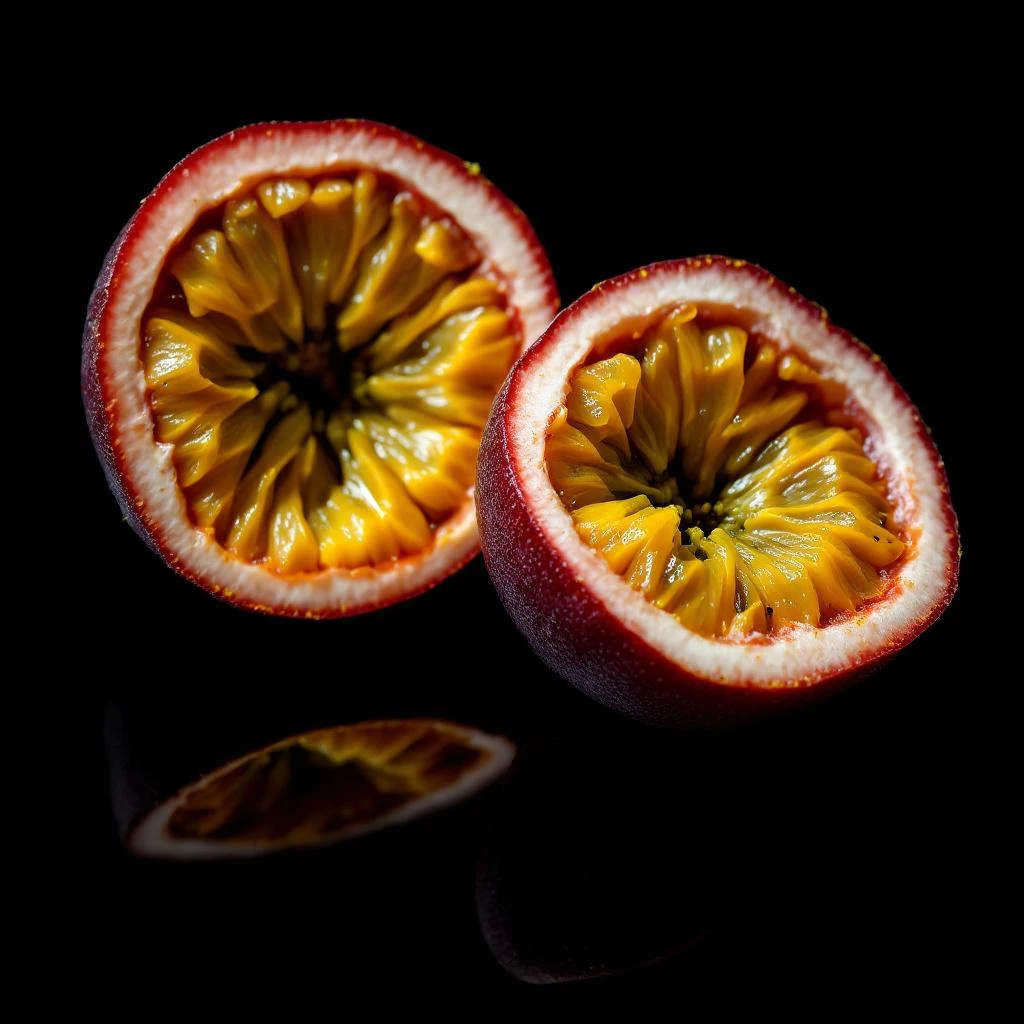
Cherimoya brings a lush tropical sweetness to perfumery, combining creamy custard notes with bright tropical fruit brightness. Though no natural extract exists, synthetic recreation captures its distinctive character: a fruit that tastes like sunrise and feels like velvet.
Character
How it smells
Tropical sweetness with a creamy, custard heart.
Mark Twain called cherimoya "the most delicious fruit known to man" after encountering it in South America.



Origin
Peru
Cherimoya originates in the Andes, where it grew wild across Colombia, Ecuador, Peru, and Bolivia for centuries before Spanish colonizers spread it to Central America and beyond. Indigenous peoples cultivated the fruit long before European contact, treasuring its creamy white flesh and delicate tropical flavor. The fruit eventually reached California in the late 19th century, where it found a new home in avocado country along the coast.
Today, most commercial cherimoya production occurs in Peru, Chile, and California's Central Coast. Though rare as a natural perfumery material, its story reflects the broader history of South American botanicals being reimagined by global fragrance chemistry.
Wears it best
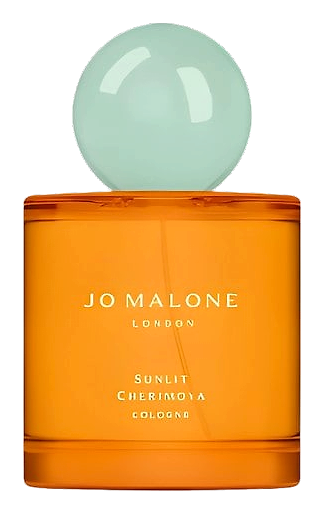
Fragrances featuring Cherimoya

Brands
Brands known for Cherimoya
Good to know
Questions, answered
The essentials on Cherimoya in perfumery: how it smells, where it comes from, and how it behaves on skin.
Is cherimoya used as a natural extract in perfumery?
No. Cherimoya does not yield a commercial natural extract for perfumery. Perfumers recreate its scent profile synthetically by blending aromatic compounds that mirror the fruit's sweet, creamy character.
What does cherimoya smell like in a fragrance?
Cherimoya reads as a sweet tropical fruit with creamy, custard-like depth. It blends the brightness of pineapple with the softness of banana and a milky richness that gives it unusual warmth for a fruit note.
What aromatic compounds create cherimoya's scent?
Key odorants include various lactones and esters that produce creamy, buttery effects alongside lighter fruity top notes. These same compound families appear in coconut and peach reconstructions.
Which fragrance families use cherimoya notes?
Cherimoya appears most often in fruity, tropical, and floriental compositions. It adds warmth to bright citrus openings and lends creamy depth to white floral foundations.
Where does cherimoya grow naturally?
Cherimoya evolved in the Andean highlands of South America, thriving in the cool, mountain air of Peru, Ecuador, Bolivia, and Colombia at elevations between 1,500 and 2,000 meters.
Can you make perfume from fermented cherimoya?
Some experimental perfumers have explored spontaneous fermentation of fresh cherimoya to develop novel aromatic profiles. Fermentation shifts the fruit's sugars into new volatile compounds, producing earthy, complex notes.
What gives cherimoya its distinctive creamy texture and flavor?
The fruit's white flesh contains natural sugars and a high water content with low acidity, creating a custard-like mouthfeel. This same creamy quality translates into the reconstructed fragrance note.
How does cherimoya compare to related fruits like soursop or custard apple?
Cherimoya offers a gentler tropical sweetness compared to soursop's tartness or custard apple's punchier flavor. In perfumery, each fruit receives its own synthetic reconstruction tuned to its specific aromatic fingerprint.