Celadon
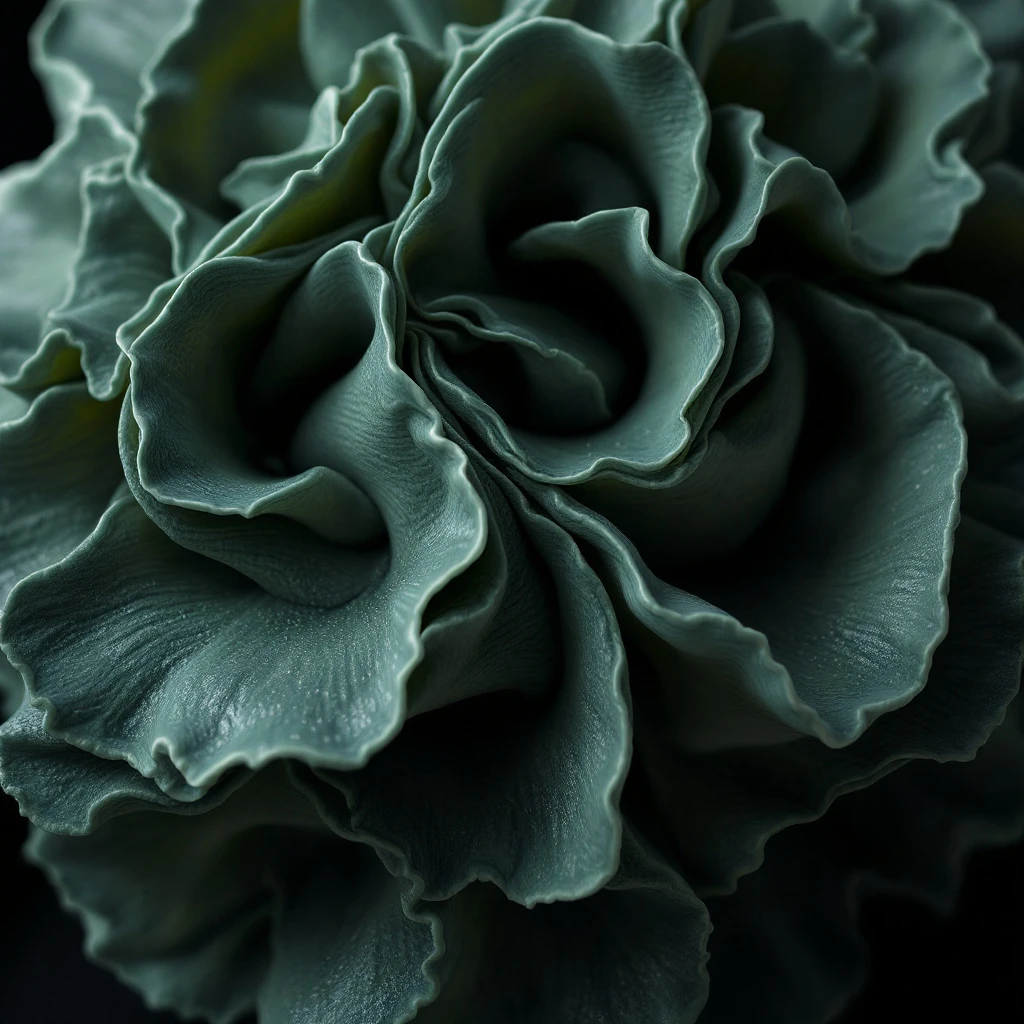
Celadon captures the calm of a rain-washed Chinese garden, pairing green freshness, luminous florals, and woods with the quiet depth of tea and moss.
Character
How it smells
Rain on jade, flowers in light.
Celadon is the European name for a green-blue-grey ceramic glaze that originated in China, where jade-like surfaces long signified refinement and purity.




Origin
China
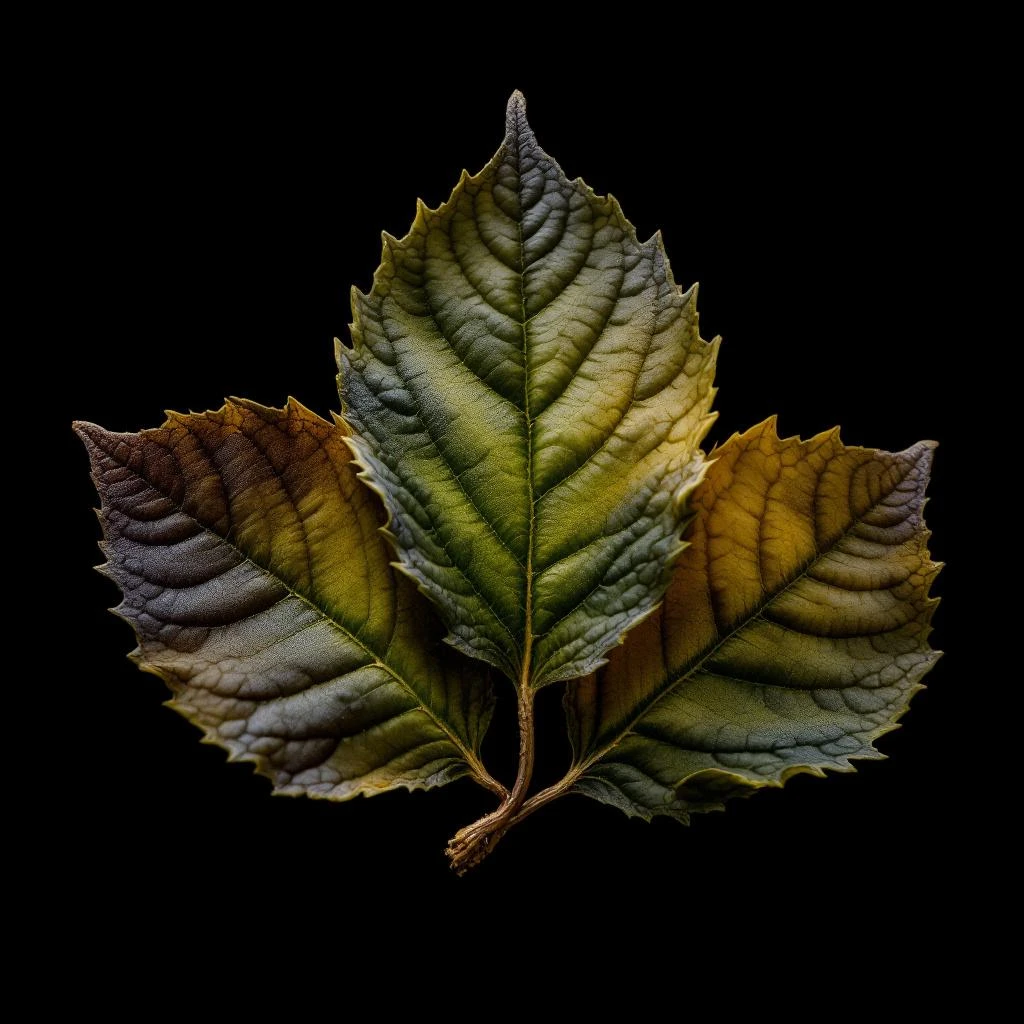
Celadon takes its name from a celebrated Chinese ceramic tradition. The European word refers to a green-blue-grey glaze that first developed in China, valued for its resemblance to jade and association with purity, refinement, and cultivated taste. The name later crossed through trade and collecting traditions into European design and perfumery.
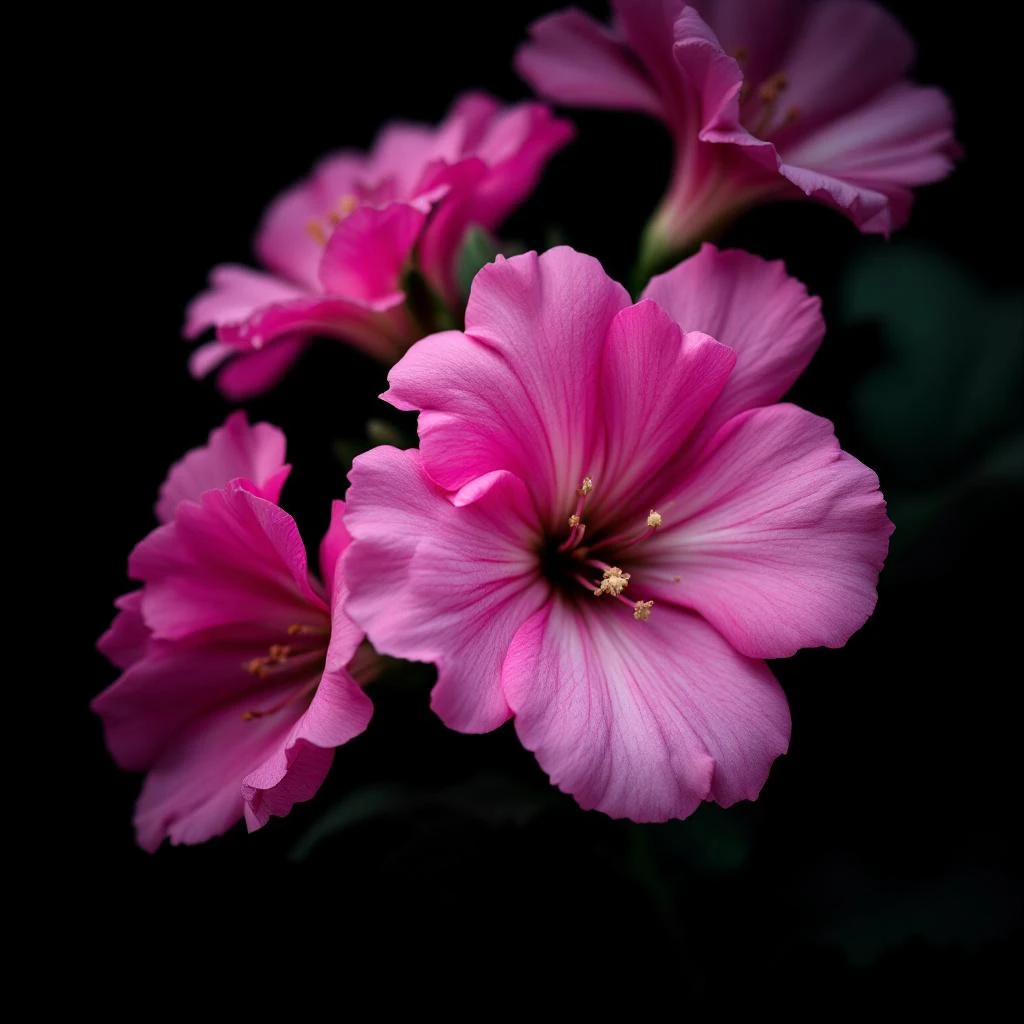
For Miller Harris, Chinese ceramics and gardens shaped the visual and sensory idea behind Celadon: sun rays, snow, rain, moss, and jade. The fragrance translates these impressions into an aromatic structure. Cardamom contributes a cool, aromatic brightness; magnolia adds a creamy floral accent; tea and mate suggest leaves, smoke, and dry warmth.
Cedarwood and moss root the composition in a more tactile register. Its historical significance lies in the meeting of Chinese material culture and European fragrance naming, turning a ceramic glaze into a distinct olfactory vocabulary of green, pale florals, mineral air, and polished wood.
Wears it best
Fragrances featuring Celadon
Brands
Brands known for Celadon
Good to know
Questions, answered
The essentials on Celadon in perfumery: how it smells, where it comes from, and how it behaves on skin.
What does the fragrance note Celadon smell like?
Celadon smells green, fresh, and gently floral, often with tea, moss, and soft woods. Miller Harris Celadon adds cardamom, magnolia, smoked tea, and mate for a cool Chinese-garden impression. Its woody base is formed by cedarwood, moss, and smoky notes.
Is Celadon a natural fragrance ingredient?
Celadon is usually a fragrance concept rather than one plant material. It can combine natural extracts with synthetic aroma compounds. Miller Harris Celadon uses several botanical materials, including cardamom, magnolia, tea, mate, cedarwood, and moss.
Where does the name Celadon originate?
The name comes from a green-blue-grey ceramic glaze that originated in China. Its jade-like appearance became associated with purity and refinement, inspiring modern fragrances built around green leaves, pale florals, mineral air, and woods.
Does Celadon Eau de Parfum contain upcycled ingredients?
It may include an upcycled material, but the page does not identify which one. Miller Harris states that 20% of its Eau de Parfums contain at least one upcycled ingredient, using by-products and surplus from the supply chain.
What are the main notes in Miller Harris Celadon?
Its characteristic notes are cardamom, magnolia, smoked tea, and mate, followed by cedarwood, moss, and smoke. The result combines a sparkling opening with creamy floral detail and a grounded woody finish.
Is Celadon a unisex fragrance?
The name and composition do not assign a fixed gender. Its fresh green opening, floral heart, and woody base can appeal across preferences, though fragrance naming conventions vary by brand and retailer.
Is Miller Harris Celadon suitable for vegans?
Yes. Miller Harris states that all of its products are suitable for vegans. The brand also excludes phthalates, artificial colorants, parabens, and formaldehydes from its formulas.
What inspired Miller Harris Celadon?
It was inspired by Chinese ceramics and a novel with a Chinese setting. Karine Nb drew on the imagery of rain, snow, sunlight, moss, and jade, then translated that atmosphere into cardamom, magnolia, tea, mate, woods, and smoke.