Carissa
Carissa, derived from fragrant night-blooming flowers of the Carissa spinarum shrub, delivers a sweet, jasmine-like aroma with green undertones. This floral absolute has been prized across India and tropical Asia for centuries, prized for its intoxicating nocturnal scent and its ability to add depth to white floral compositions.
Character
How it smells
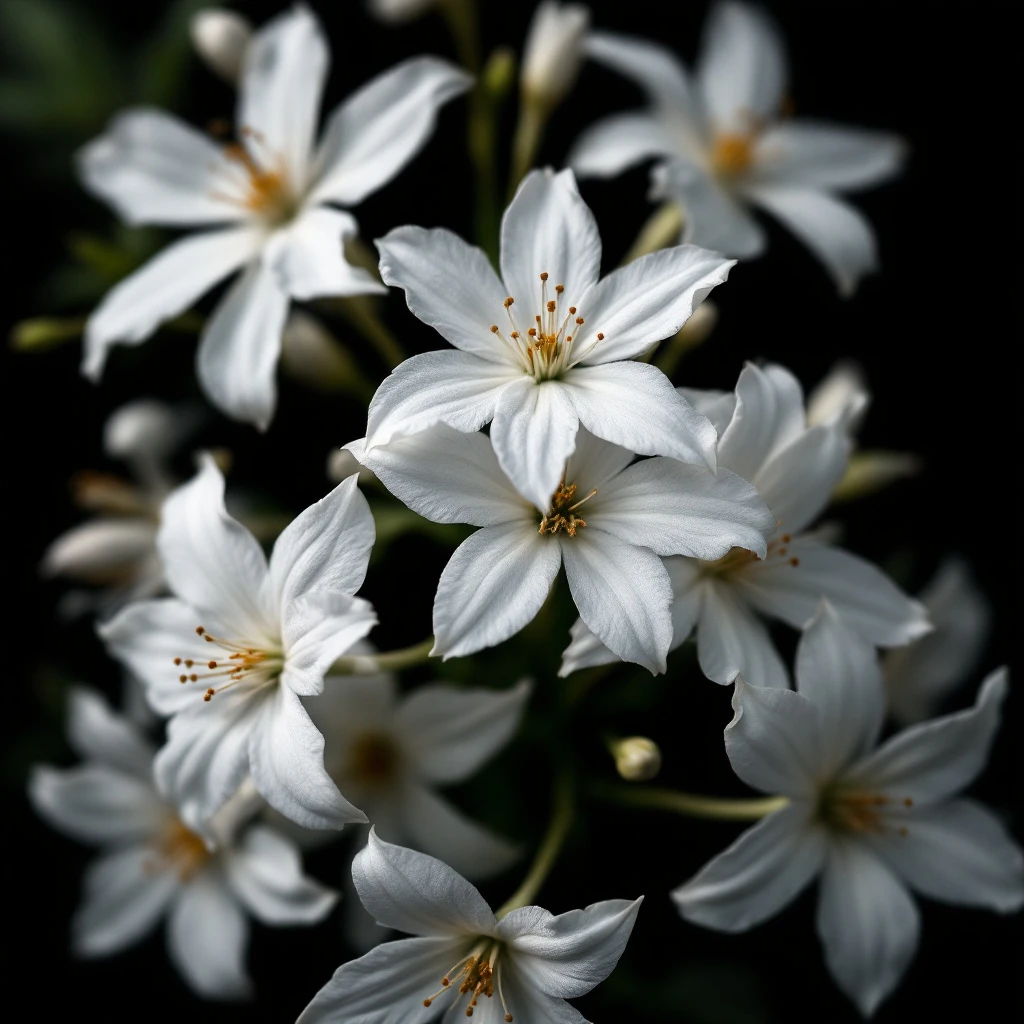
Night-blooming florals with jasmine-like grace.
Carissa flowers release their most powerful fragrance after sunset, a trait that shaped traditional harvest practices across South Asia.



Origin
India
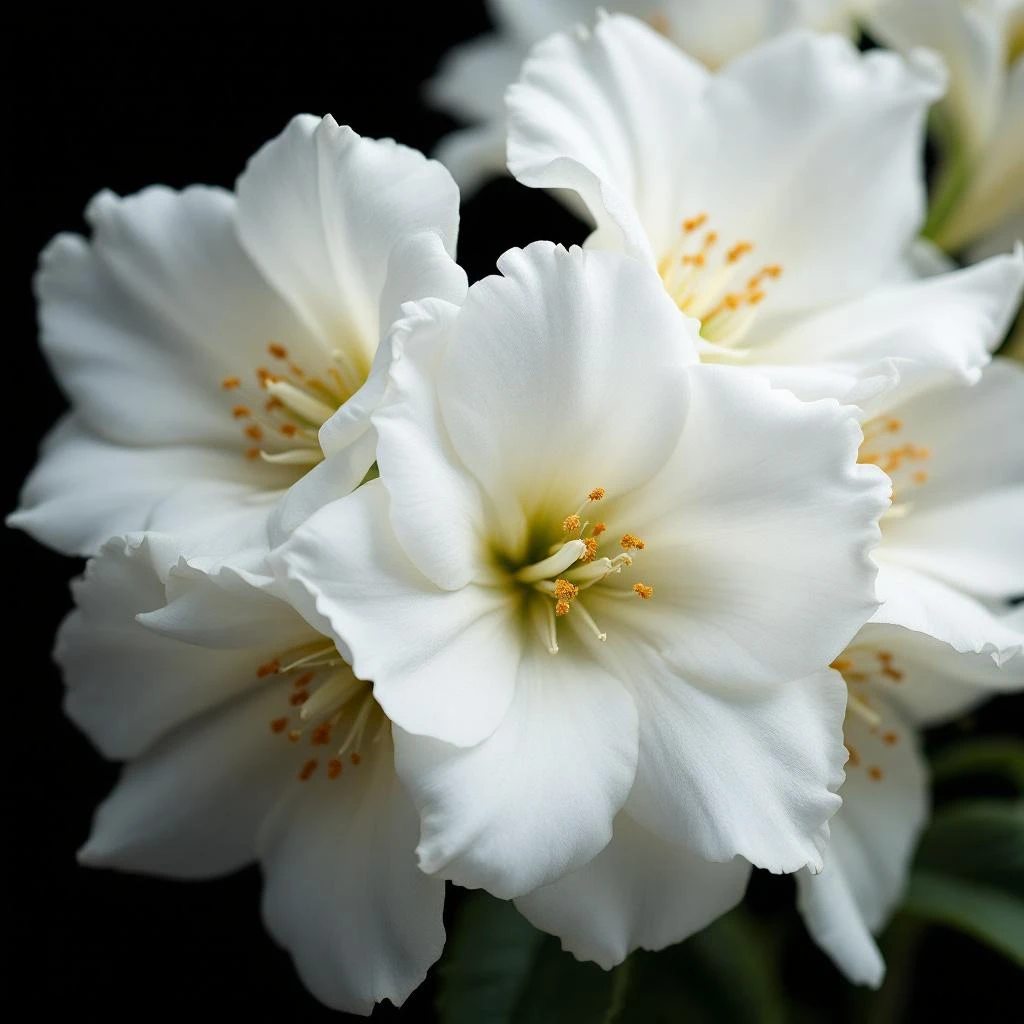
Carissa spinarum has grown wild across India, Southeast Asia, and parts of Africa for centuries. Traditional medicine systems used various parts of the plant, but its fragrant flowers held a special place in folk perfumery and ritual garlands. In Indian and Southeast Asian gardens, the shrub was cultivated as much for its scented blooms as for its ornamental value.
Ancient texts from Ayurveda and traditional Arabian medicine mention Carissa preparations for aromatic and therapeutic purposes. The shift from folk use to professional perfumery happened gradually as Western fragrance houses began sourcing exotic absolutes from colonial-era botanical suppliers in India and Ceylon during the 19th and early 20th centuries.
Wears it best
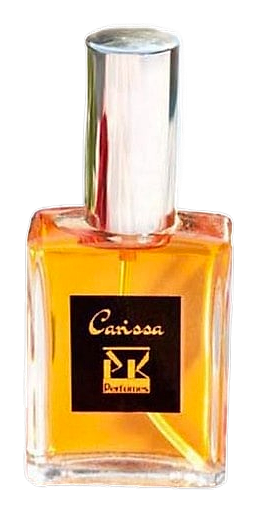
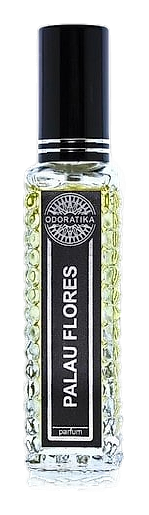
Fragrances featuring Carissa
Brands
Brands known for Carissa
Good to know
Questions, answered
The essentials on Carissa in perfumery: how it smells, where it comes from, and how it behaves on skin.
What does Carissa smell like?
Carissa absolute has a sweet, heady floral scent resembling jasmine with green, dewy undertones. It carries a natural complexity that blends floral sweetness with slightly bitter, plant-like notes.
Where does Carissa absolute come from?
Carissa spinarum grows across India, Sri Lanka, and tropical regions of Asia and Africa. India and Sri Lanka serve as primary sourcing regions for perfumery-grade material.
Is Carissa natural or synthetic in perfume?
Carissa used in perfumery is a natural absolute extracted from fresh flowers. The shrub grows wild and is also cultivated in traditional gardens across South Asia.
How is Carissa extracted for perfumery?
Perfumers use solvent extraction on freshly harvested Carissa flowers. This method captures aromatic compounds from the delicate petals without applying heat that would damage the scent molecules.
What fragrance families pair well with Carissa?
Carissa absolute works naturally with jasmine, tuberose, and gardenia in white floral compositions. It also complements green notes, ylang ylang, and warm bases like sandalwood.
Why are Carissa flowers harvested at night?
Carissa flowers release their strongest fragrance after dark. Traditional harvesters discovered that night-picked flowers yielded a more potent aromatic extract, a practice still respected today.
What part of the Carissa plant is used in perfumery?
Only the small white flowers of Carissa spinarum are used. The shrub produces fragrant blossoms that are hand-picked during their brief blooming season.
Is Carissa commonly found in commercial perfumes?
Carissa absolute appears less frequently than jasmine or rose in mainstream perfumes but remains a valued ingredient among artisan and niche fragrance houses for its distinctive green-floral character.