Caramelized Peanut
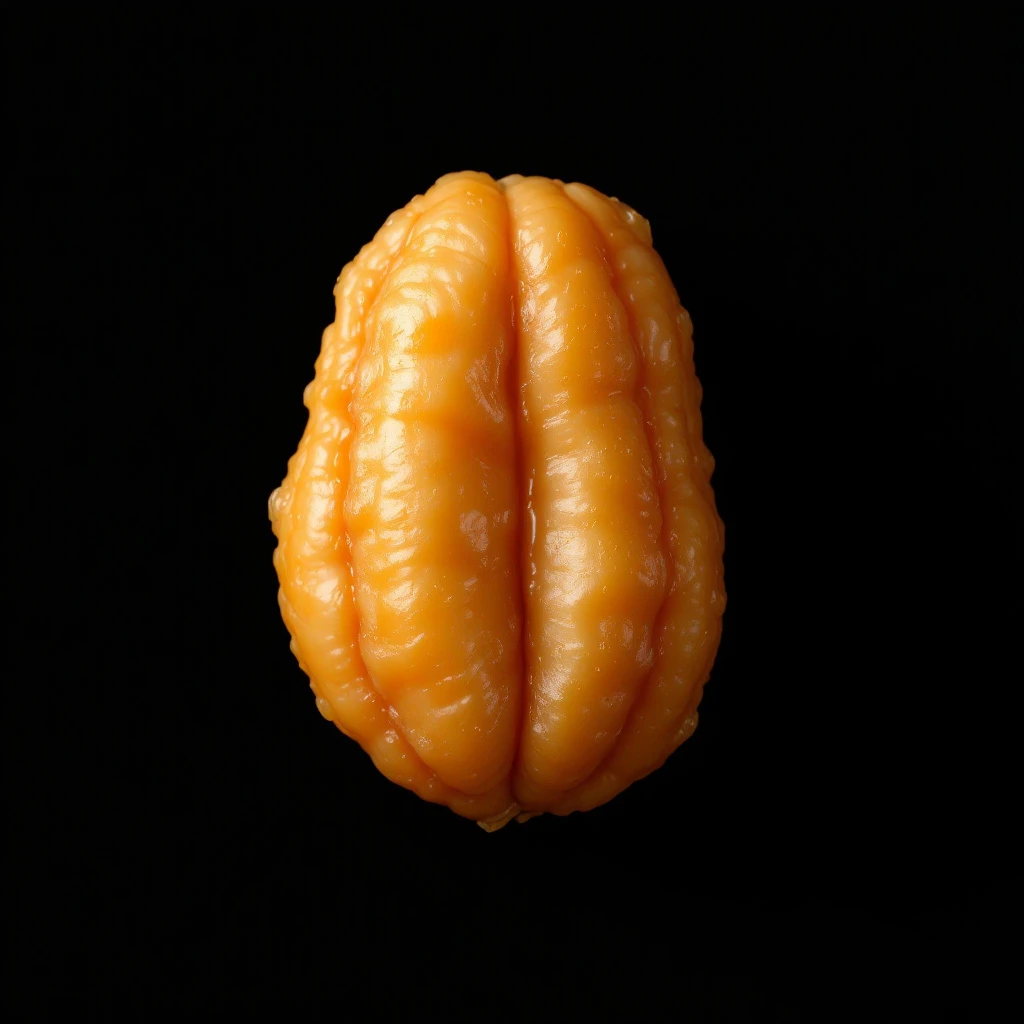
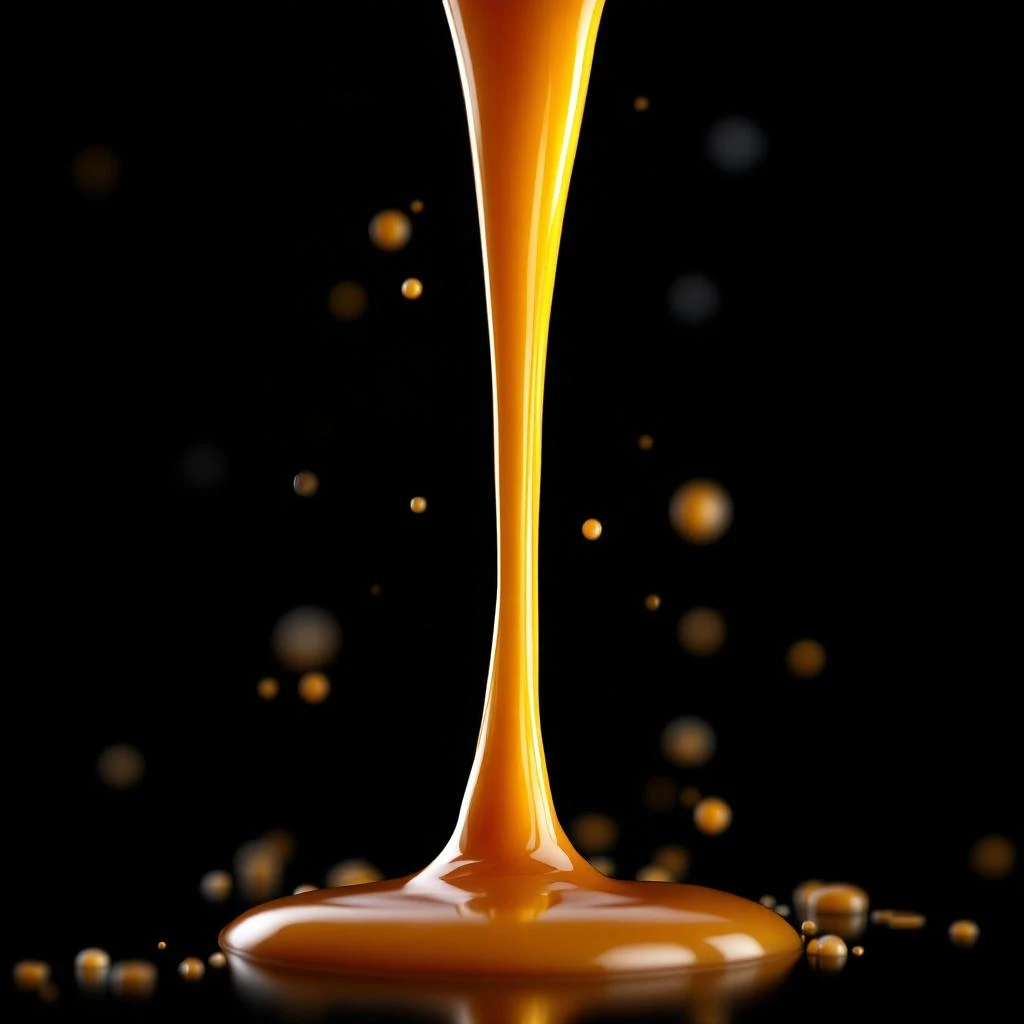
Caramelized Peanut pairs toasted nut warmth with a rounded caramel accent, recalling roasted peanuts dipped in sweet sugar without relying on an actual food extract.
Character
How it smells
Toasted peanuts wrapped in a dark-sugar glow.
The caramel note in perfumery is recreated with synthetic molecules because cooked sugar does not yield a stable, usable natural extract.
Origin
France
Caramel entered modern perfumery through the development of synthetic aroma materials during the 19th century, when chemists began reproducing food-like odors that were difficult to obtain from natural sources. Its history in fragrance became especially visible with Angel, released in 1992, widely recognized as a pioneering gourmand perfume. The composition connected sweet, powdery, and caramel-like effects with cotton candy, a reference that helped establish edible gourmand notes as a major perfumery direction.
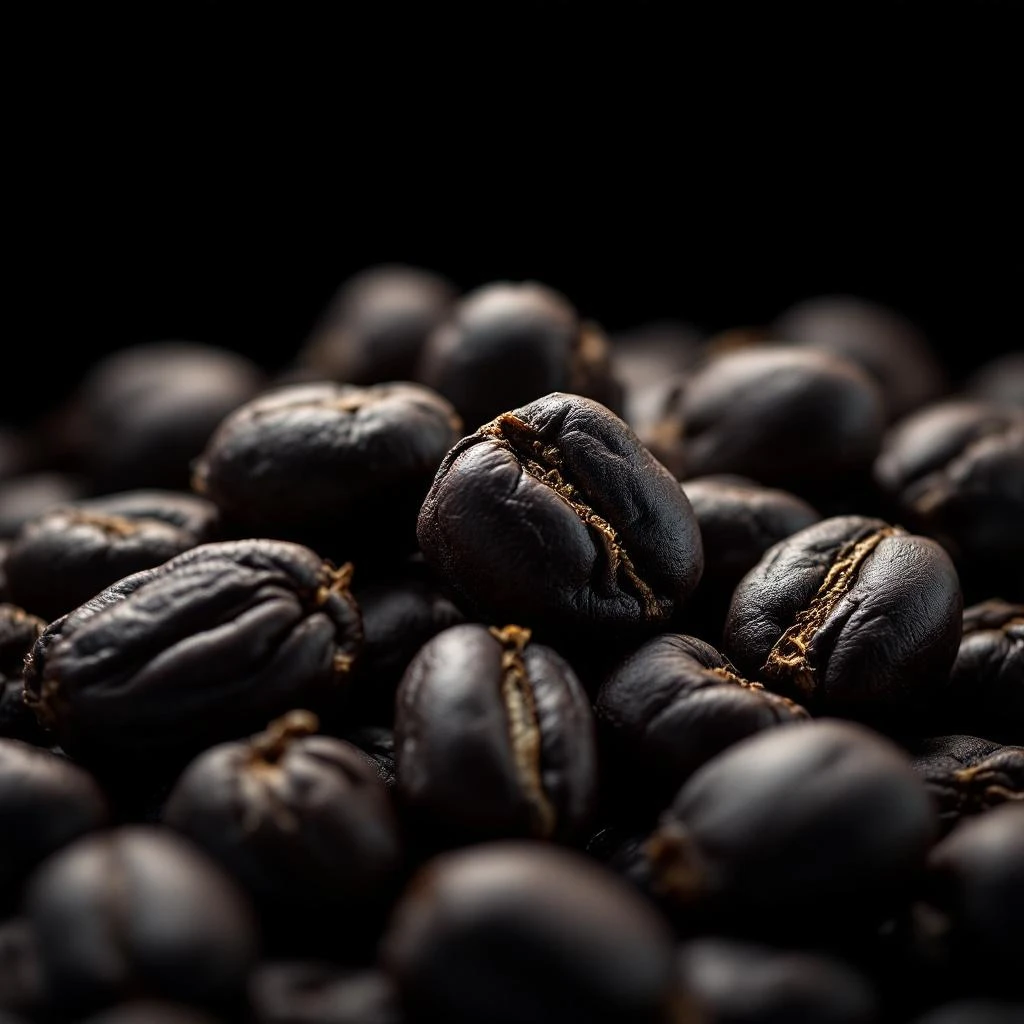
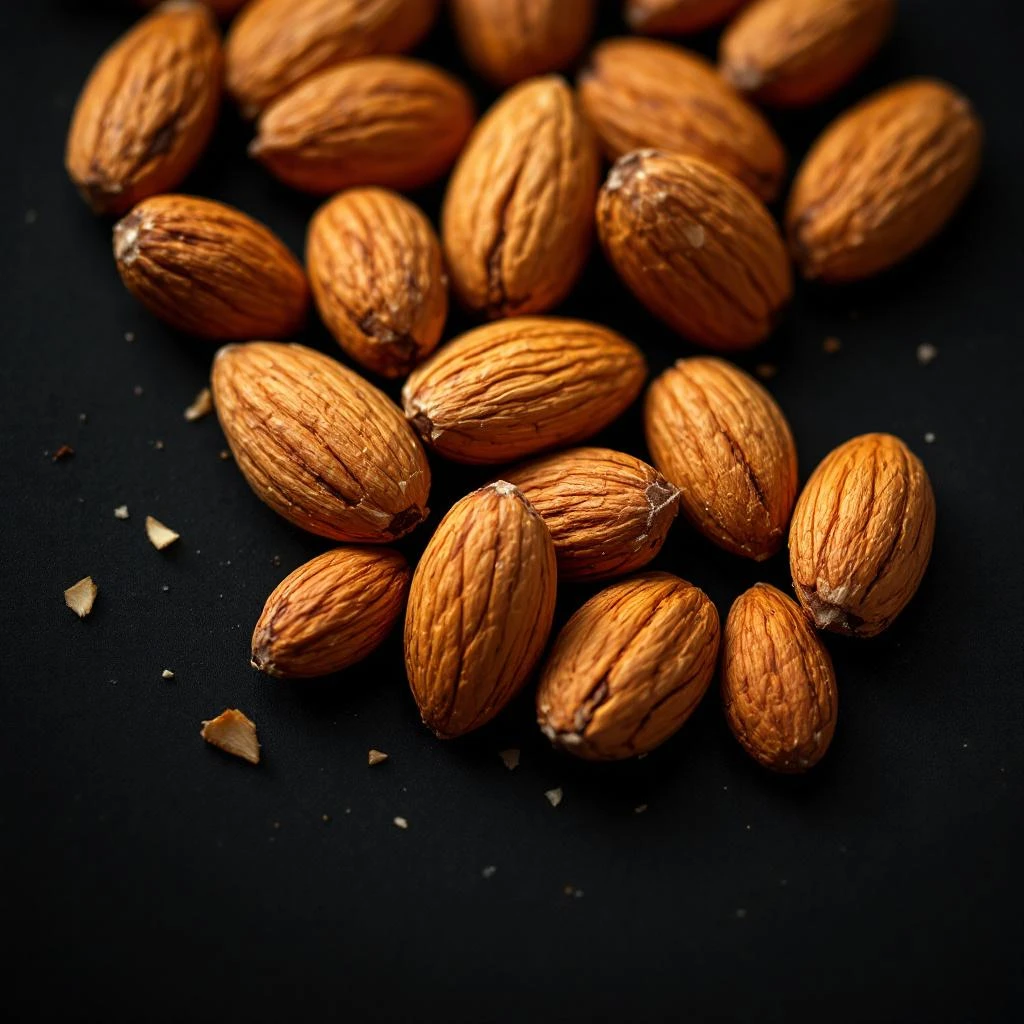
Caramelized Peanut extends that tradition by placing a nutty roast character beside the sugar note. It does not imitate one fixed food, but combines familiar sensations: the dryness of toasted peanuts, the depth of browned sugar, and a faint smoky finish. Its appeal lies in this contrast between savory nuttiness and sweet warmth.
In contemporary formulas, synthetic recreation gives perfumers control over intensity and stability, allowing the effect to function as both a recognizable signature and a supporting base.
Wears it best
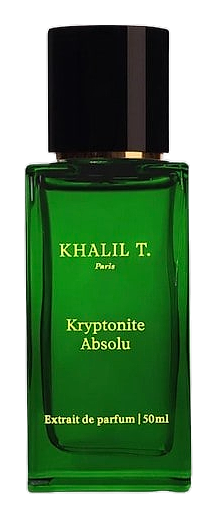
Fragrances featuring Caramelized Peanut
Brands
Brands known for Caramelized Peanut
Good to know
Questions, answered
The essentials on Caramelized Peanut in perfumery: how it smells, where it comes from, and how it behaves on skin.
What does caramelized peanut smell like in perfume?
It smells like roasted peanuts beside dark caramel, with toasted, slightly smoky warmth and a restrained sweetness. The effect is usually a constructed accord rather than a literal peanut extract.
Is caramelized peanut a natural ingredient?
Usually, no. Caramelized Peanut is generally a fragrance accord built from synthetic materials, so it does not depend on a stable natural caramel or peanut extraction.
How is caramel produced for perfumery?
Perfumers use synthetic aromatic molecules to suggest caramel's cooked-sugar character. One specific point is that no natural extraction process yields a stable, broadly usable caramel note for perfumery.
Does caramelized peanut contain real peanuts?
No requirement exists for a finished fragrance to contain real peanuts. The name describes the scent impression created through selected aromatic materials.
When did caramel become important in perfume?
Caramel became especially prominent in modern gourmand perfumery after Angel debuted in 1992. That release helped establish sweet food-like accords as a recognizable fragrance category.
Is caramelized peanut the same as caramel perfume?
Not quite. Caramel focuses mainly on cooked sugar and browned sweetness, while Caramelized Peanut adds a roasted, nutty facet and often a drier, smokier texture.
Can caramelized peanut be used in unisex fragrances?
Yes. Its roasted nut and caramel profile can work across gender presentations, especially when balanced with woods, spices, vanilla, or less sweetness.
Why does caramelized peanut smell edible?
Its profile combines associations learned from browned sugar and roasted nuts. Synthetic aroma materials reproduce these sensory cues, so the fragrance can suggest food without containing food ingredients.