Caramelized Coconut
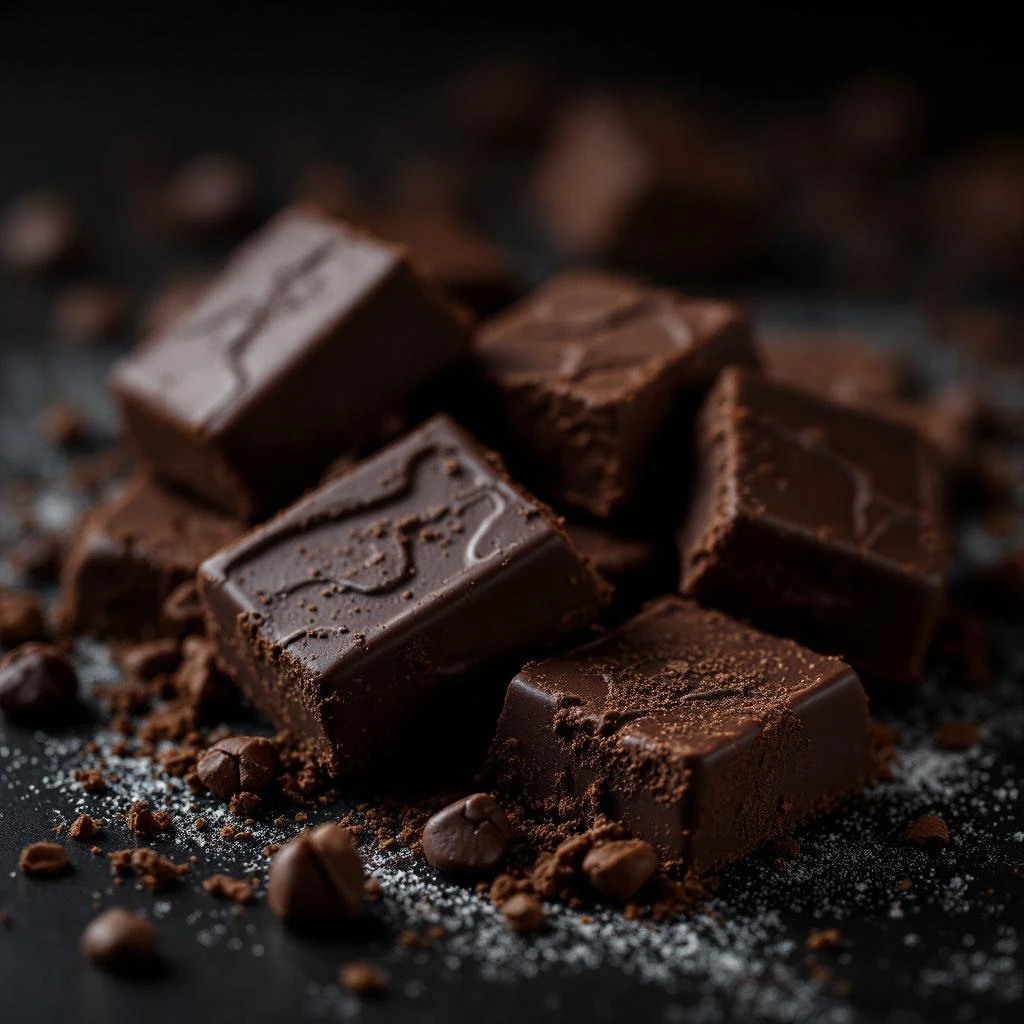
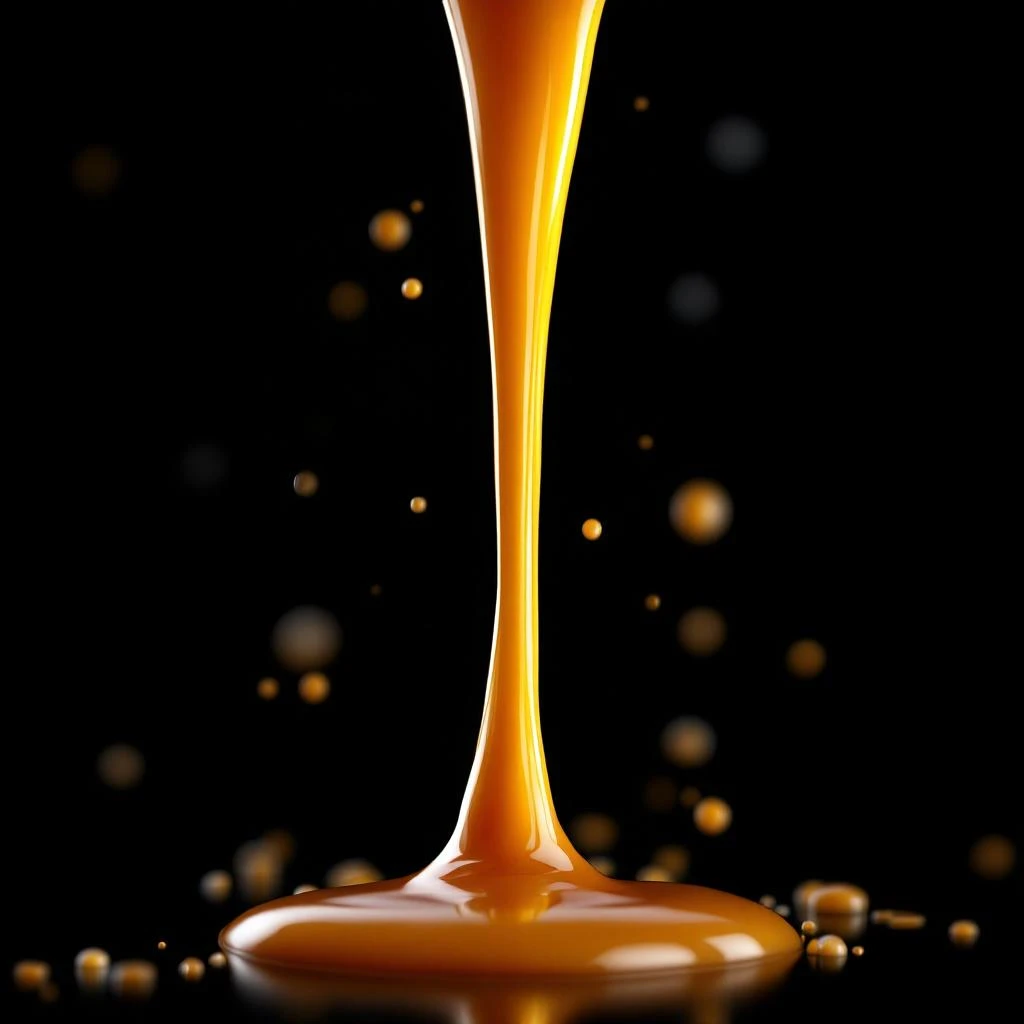
Warm, buttery sweetness with toasted edges. Caramelized coconut brings a sun-kissed richness that lingers like a beach memory long after sunset.
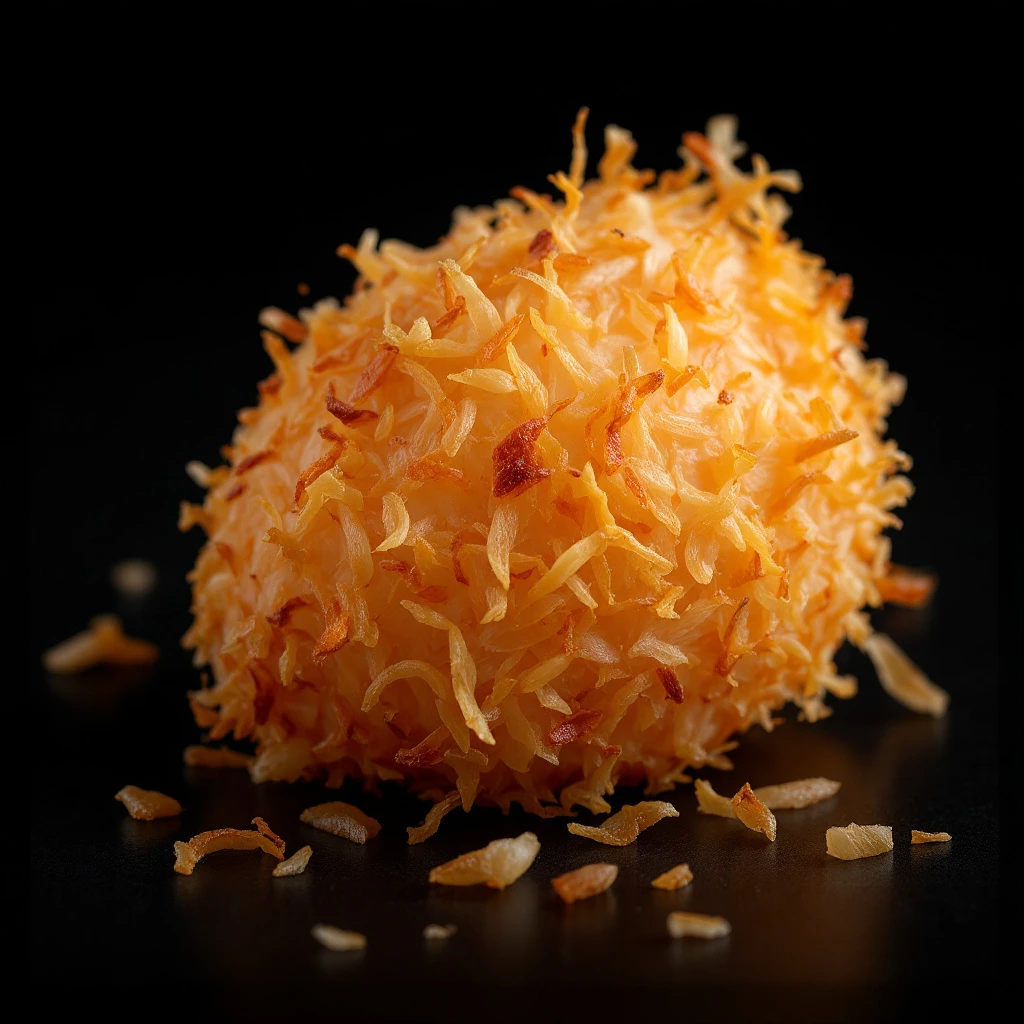
Character
How it smells
Sun-dried sweetness with toasted warmth.
Coconut gets its name from the Portuguese word 'coco,' meaning head—the three germination pores really do resemble a face.


Origin
Philippines
Coconut has grown wild across tropical coastlines for millennia, but human cultivation dates back at least 2,300 years in the Asia-Pacific region. The word 'coco' entered European vocabulary after Portuguese explorers encountered the fruit in the 16th century, struck by the three dark holes that gave it an uncanny resemblance to a human face.
Traditional Polynesian cultures used coconut in sacred ceremonies and daily life, but perfumery's embrace of coconut took much longer. The note gained prominence only in the late 20th century as synthetics made tropical materials more accessible and affordable for Western fragrance houses.
Wears it best
Fragrances featuring Caramelized Coconut
Brands
Brands known for Caramelized Coconut
Good to know
Questions, answered
The essentials on Caramelized Coconut in perfumery: how it smells, where it comes from, and how it behaves on skin.
What does caramelized coconut smell like?
Caramelized coconut combines creamy coconut sweetness with warm, toasted caramel undertones. It reads as buttery, slightly nutty, and deeply warm, without the sharp fresh coconut water quality of the fruit itself.
Is caramelized coconut natural or synthetic?
Caramelized coconut can be produced both ways. Natural versions use heat-treated coconut derivatives, while many modern interpretations combine coconut aroma chemicals with vanillin to achieve the effect consistently and affordably.
What fragrance families use caramelized coconut?
Caramelized coconut appears primarily in orientals and gourmand compositions. It also works well in modern florals and casual daytime fragrances that aim for a warm, beachy quality without full tropical intensity.
How does caramelized coconut differ from coconut cream?
Coconut cream delivers fresh, milky sweetness with a delicate tropical character. Caramelized coconut carries deeper, toastier notes with amber warmth and a richer, more persistent dry-down that suggests confection rather than fresh fruit.
Which companion notes pair well with caramelized coconut?
Vanilla amplifies the sweet warmth. Sandalwood grounds it with creamy woodiness. Tonka bean adds Coumarin depth. Light florals like frangipani or tiare balance the richness with tropical freshness.
Where does the coconut in perfumery originate?
The Philippines leads global coconut production, followed by Indonesia and India. These tropical nations provide the warm, humid coastal conditions that shape coconut's distinctive scent character.
Does caramelized coconut have aromatherapy applications?
Coconut aromas are associated with relaxation and stress reduction in aromatherapy practice. The warm, sweet character creates an immediately calming atmosphere often linked to vacation settings and restful associations.
When did coconut become prominent in Western perfumery?
Coconut entered mainstream Western fragrance construction in the 1970s, gaining momentum through tropical-inspired releases. Synthetics from the late 19th century onward made coconut notes more stable and cost-effective for commercial fragrance production.