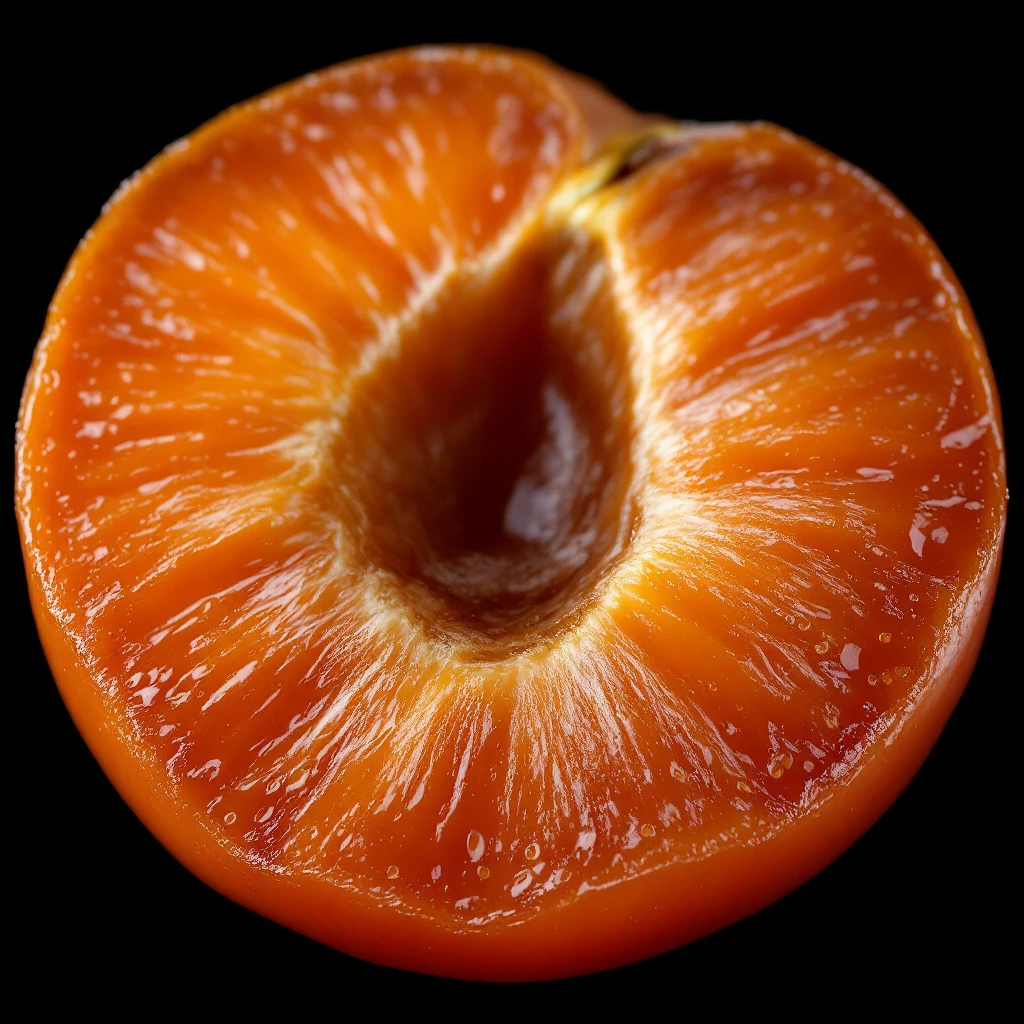
Caramelized Apricot
A warm, jammy note that bridges the gap between sun-ripe stone fruit and golden caramel. Caramelized Apricot captures the moment apricot halves turn soft and glossy under heat, releasing their concentrated sweetness into the air. This note adds depth and comfort without cloying heaviness.
Character
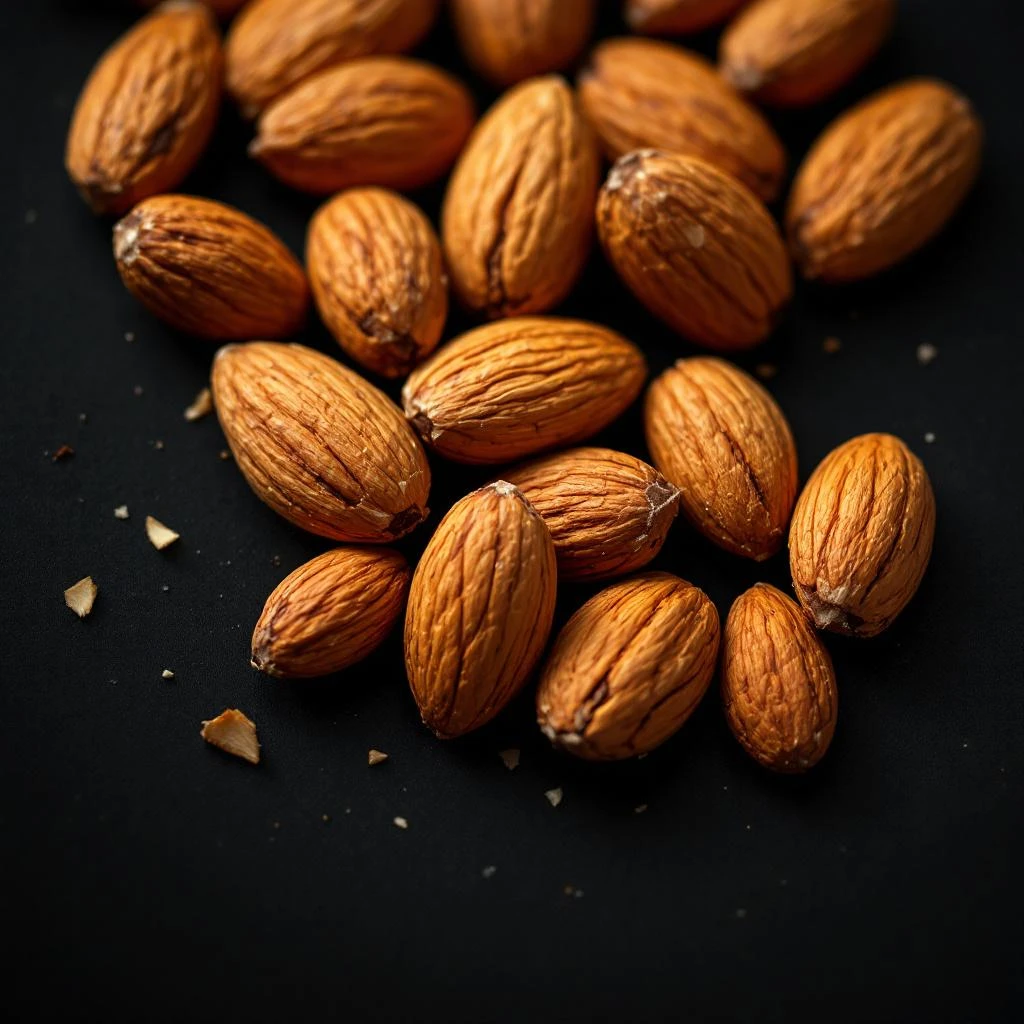
How it smells
Summer stone fruit, preserved in golden heat.
Apricots were among the first fruit trees cultivated by humans, appearing in Chinese gardens over 4,000 years ago before spreading along the Silk Road.




Origin
Armenia
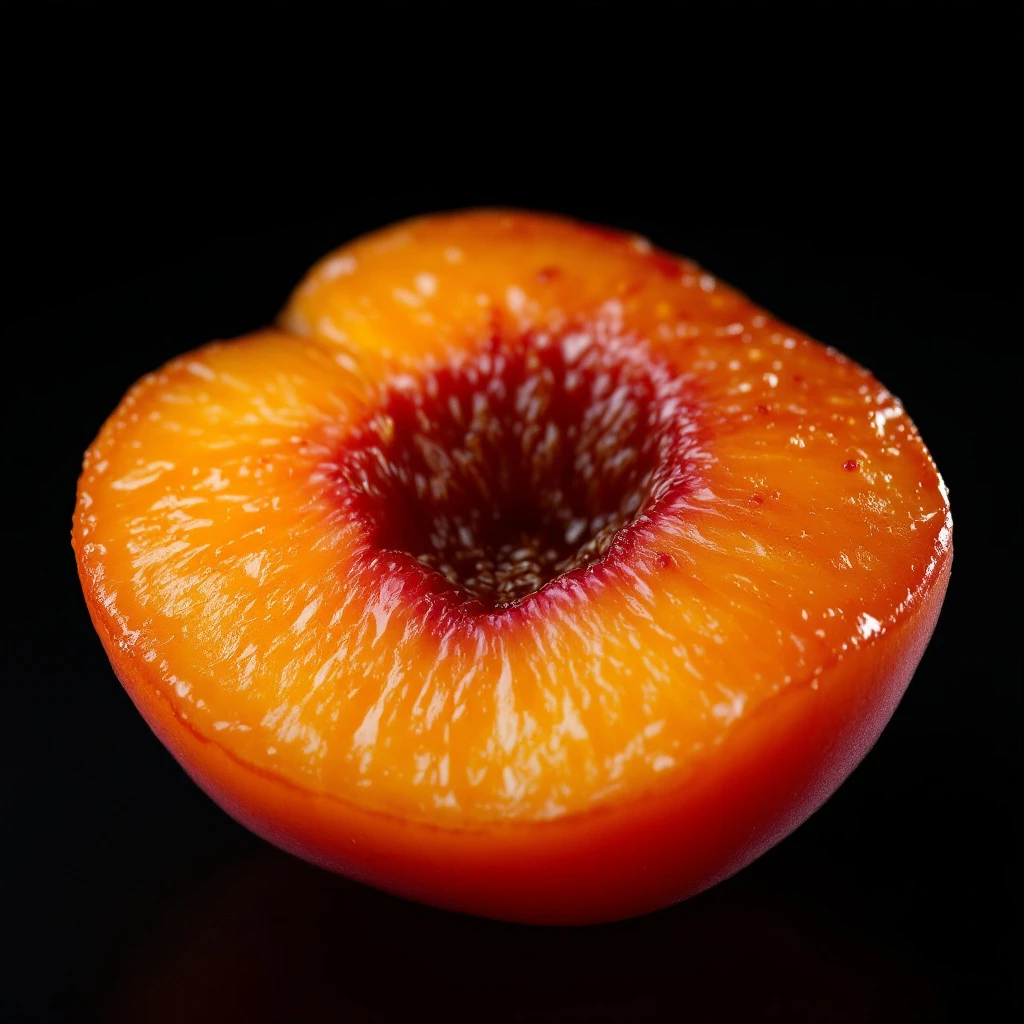
The apricot earned its scientific name Prunus armeniaca from the belief that it originated in Armenia, though botanical evidence traces its true homeland to the mountain valleys of Central Asia. Chinese horticulturalists cultivated apricots at least 4,000 years ago, valuing both the fruit and the kernel. The apricot traveled westward along ancient trade corridors, reaching the Mediterranean by the 1st century CE.
Arab perfumers were the first to systematically incorporate apricot into scented preparations; the 9th-century polymath Al-Kindi documented apricot kernels in his perfume treatises alongside rose, jasmine, and sandalwood. The caramelized iteration emerged much later, reflecting the modern perfumer's appetite for edible, gourmand-inspired materials that blur the line between fragrance and food.
Wears it best
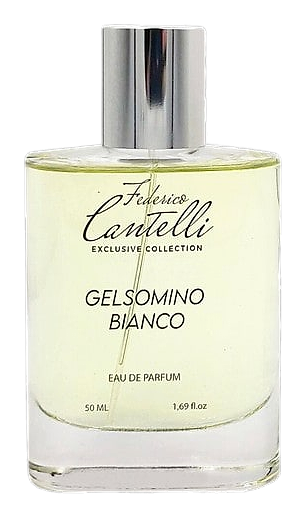
Fragrances featuring Caramelized Apricot
Brands
Brands known for Caramelized Apricot
Good to know
Questions, answered
The essentials on Caramelized Apricot in perfumery: how it smells, where it comes from, and how it behaves on skin.
Is Caramelized Apricot a natural or synthetic ingredient?
It is typically a hybrid. Natural apricot essence comes from kernel extraction, but the full caramelized effect relies on synthetic lactones like gamma-decalactone to achieve consistent, heat-developed character.
What does Caramelized Apricot smell like?
It reads as warm stone fruit with jammy sweetness and subtle toasted, caramel-like depth. The note sits comfortably between fresh apricot and amber, lending softness to heart and base compositions.
What family does Caramelized Apricot belong to?
It falls within the fruityolfactory family, specifically the stone fruit subcategory. In practice, perfumers often classify it as a gourmand-adjacent material due to its cooked, confection-like quality.
Which fragrance notes pair well with Caramelized Apricot?
Vanilla, sandalwood, and amber provide warmth and round out the caramel character. Jasmine or neroli add lift and prevent the note from becoming heavy. Musk grounds it in the dry-down.
Is Caramelized Apricot safe for sensitive skin?
IFRA regulations cap gamma-decalactone at 5% in fine fragrance applications. Most commercial perfumes using the note fall well below this threshold, making it suitable for general use.
How long has apricot been used in perfumery?
Arab perfumers documented apricot in fragrance recipes as early as the 9th century. Caramelized apricot as a distinct perfumery concept only emerged in the late 20th century with the rise of gourmand fragrance.
Does Caramelized Apricot appear more in niche or designer fragrances?
Both. Niche houses use it for signature gourmand compositions, while designer brands employ it as a bridging note between floral and oriental structures in mainstream releases.
Can Caramelized Apricot replace vanilla in a formula?
Not directly. Vanilla provides creamy, balsamic depth, whereas Caramelized Apricot brings brighter, fruitier warmth. They layer effectively together but are not interchangeable.