Canella Winterana
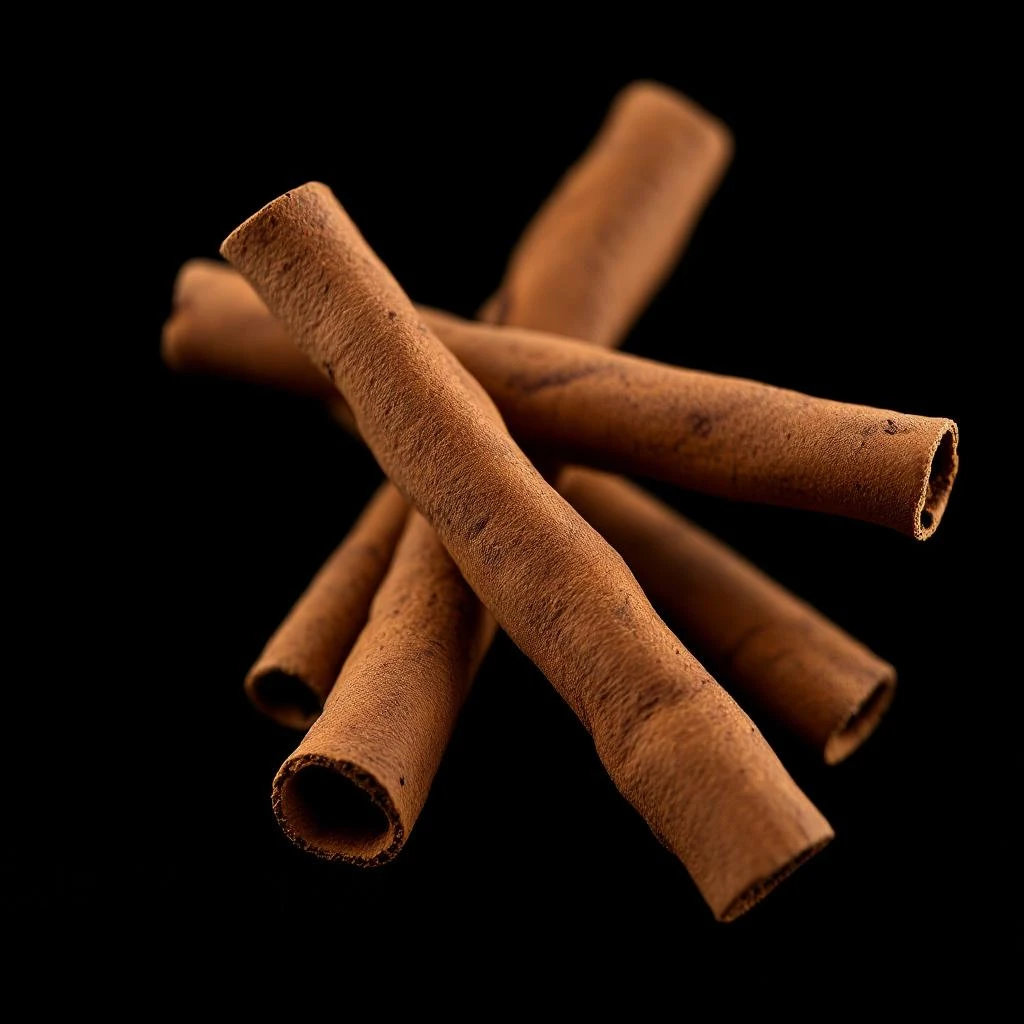
Canella Winterana, wild cinnamon of the Caribbean, yields a bark oil rich in cinnamaldehyde with sweet, clove-like warmth. Once prized by 16th-century explorers as true cinnamon, this Bahamian native now serves niche perfumers seeking a softer, spicier edge.

Character
How it smells
The Caribbean's forgotten cinnamon
Spanish settlers in the 1500s called Canella Winterana 'canela' believing they had reached the Spice Islands. Real cinnamon from Ceylon replaced it in trade within decades.
Pairs beautifully with


Origin
Bahamas
Canella Winterana, sometimes called wild cinnamon or white cinnamon bark, played a brief but fascinating role in 16th-century European exploration. Spanish and Portuguese sailors harvesting bark in the Bahamas and Greater Antilles shipped it home believing it was true cinnamon from Asia. The substitution fed European apothecaries and kitchens for roughly a century before genuine Cinnamomum verum dominated trade routes.
In colonial Caribbean medicine, Canella Winterana bark featured in remedies for stomach ailments, fever, and as a breath freshener. Spanish physicians documented its use as early as 1535. The tree held ceremonial importance among Taíno communities before European contact.
By the 1800s, displaced by cheaper Asian cinnamon, Canella Winterana faded from international commerce but persisted in Caribbean folk perfumery and cooking, where its distinctively softer, more floral-cinnamic profile found devoted regional use.
Wears it best
Fragrances featuring Canella Winterana
Brands
Brands known for Canella Winterana
Good to know
Questions, answered
The essentials on Canella Winterana in perfumery: how it smells, where it comes from, and how it behaves on skin.
What does Canella Winterana smell like in perfumery?
Canella Winterana produces a warm, sweet-spicy aroma with cinnamon dominance, subtle clove undertones, and a soft floral lift. The scent reads as gentler and less sharp than Ceylon cinnamon, with a powdery, almost confectionary quality that suits gourmand and oriental compositions.
Is Canella Winterana the same as true cinnamon?
No. Canella Winterana is a different species from true cinnamon, though 16th-century Europeans initially confused the two. The Canella species contains similar cinnamaldehyde but offers a milder, more floral-cinnamic profile compared to Cinnamomum verum.
Where does Canella Winterana grow naturally?
Canella Winterana grows wild throughout the Caribbean, particularly in the Bahamas, Cuba, Hispaniola, and parts of southern Florida. It thrives in dry coastal forests and rocky limestone terrain, often reaching 10 to 15 meters tall at maturity.
Can Canella Winterana essential oil be used in perfume?
Yes, though production remains limited. The IFRA database classifies its extract as information-only, but the distilled essential oil is occasionally used by niche perfumers seeking authentic Caribbean spice notes in artisanal formulations.
What part of the Canella Winterana tree is used?
The bark is the primary aromatic material. Harvesters strip the outer bark carefully without damaging the inner cambium, allowing trees to regenerate. Leaves contain some aromatic oils but yield less concentrated material than bark.
How is Canella Winterana oil extracted?
Steam distillation of dried bark is the standard method. The process typically requires several hours and yields a pale yellow to amber oil. Solvent extraction is possible but rarely practiced commercially due to the species' limited scale.
What is the history of Canella Winterana in trade?
Spanish and Portuguese traders exported Canella Winterana to Europe from the 1500s, initially believing it was true cinnamon. Genuine Asian cinnamon displaced it within roughly a century, and the bark faded from international commerce by the 1700s.
Is Canella Winterana sustainable to harvest?
Wild populations remain stable but limited. Small-scale harvesters in the Bahamas and Cuba practice rotational gathering, which supports sustainability. Commercial-scale cultivation is minimal, making the ingredient a rare, small-volume aromatic material.