The Story
Why it exists.
The beginning
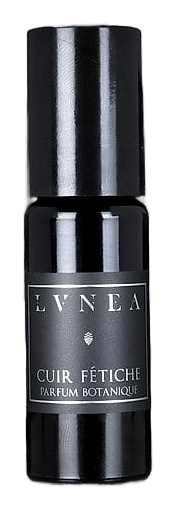
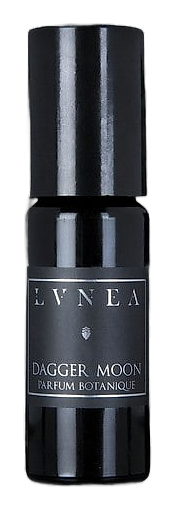
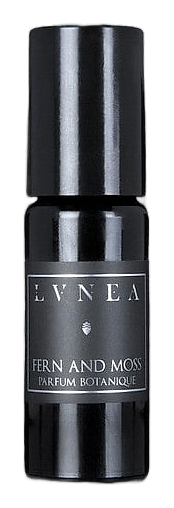
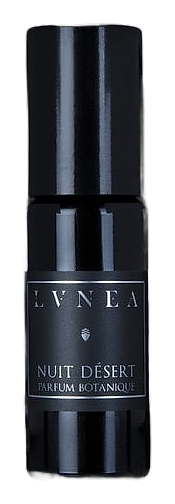
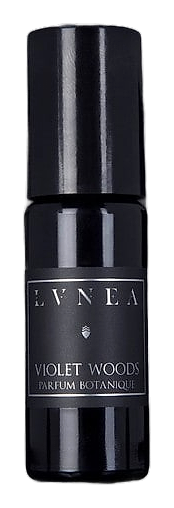
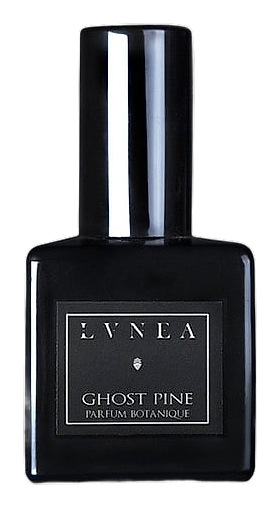
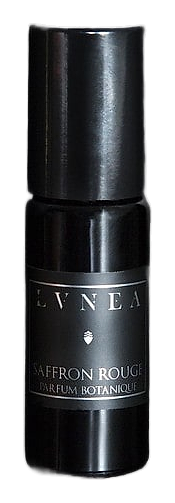
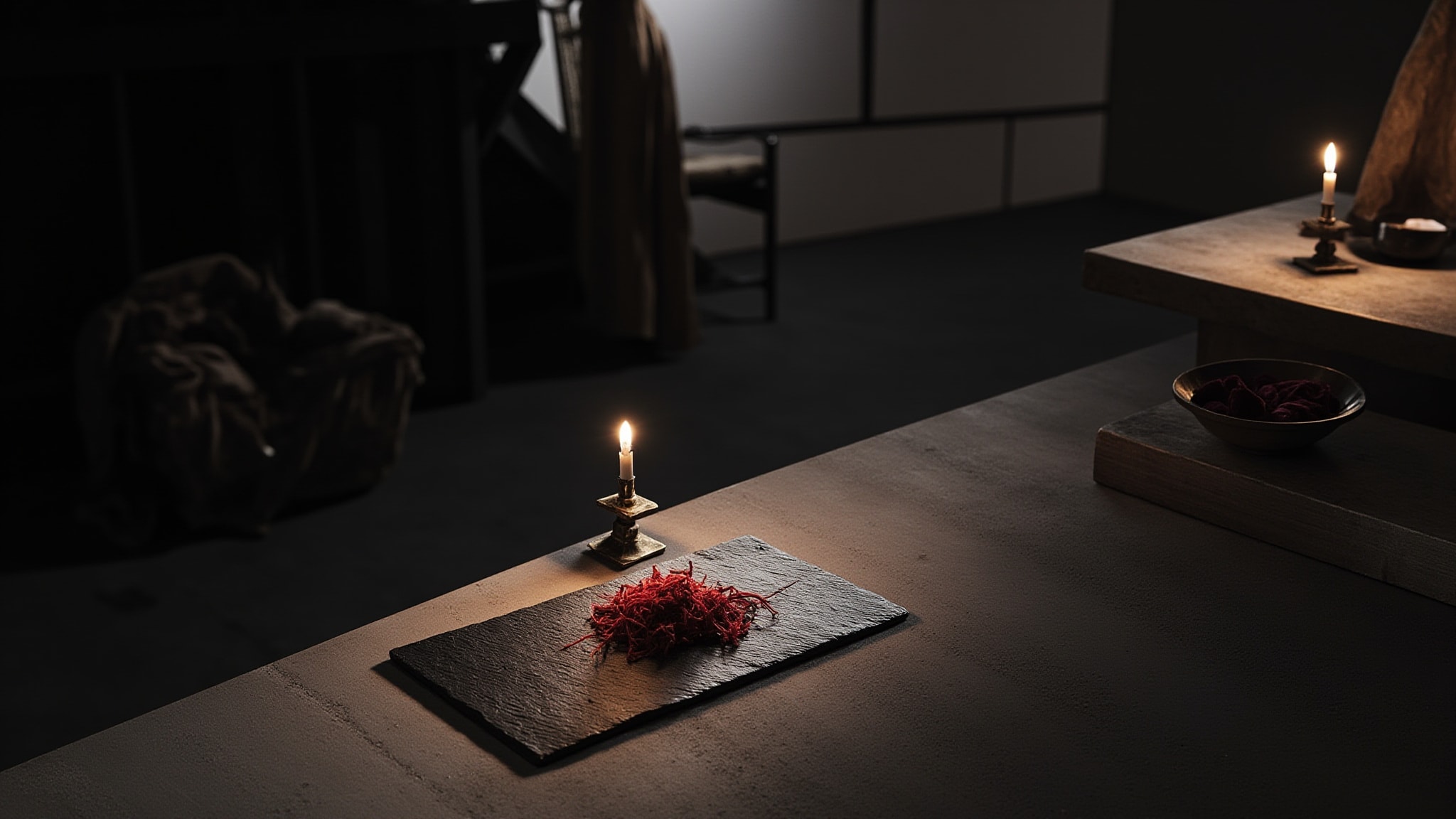
Saffron Rouge comes from April Lea, the perfumer behind Lvnea. The brief here was direct and ancient. Berber legend holds that saffron carries the power to make people fall in love. April built a composition around that claim, a saffron-forward oil that works with the wearer's own skin chemistry rather than masking it. The rouge in the name isn't decorative. It nods to the red threads of saffron, the rose attar at its center, and the flushed warmth the oil leaves behind. Every ingredient here earned its place in the story before it earned its place in the bottle. The whole idea is to let saffron do what it already does in the world: seduce, redden, linger. The oil format keeps it intimate, a close-skin thing that reveals itself in layers rather than announcing itself all at once.
The composition is unusual in its restraint. Spikenard brings the rooty, meditative depth associated with ancient Himalayan aromatherapy. Calamus adds a green, almost bitter aromatic sharpness that keeps the saffron honest. Rose attar gives the fragrance its floral gravity without sliding into soapy territory. Canella winterana closes the base. Together these materials build something that smells like it was grown, not engineered. There's a dryness here that rewards patience. The saffron doesn't blaze so much as glow, and the rose underneath has a dusty, almost jammy weight that grounds it.
The evolution
The opening is dominated by saffron, and there's no way around that. It opens metallic and slightly sharp, almost mineral, the way saffron threads smell before they hit heat. A leather accord surfaces as the composition settles, not animalic or aggressive, more like the inside of a well-worn glove that still holds the shape of a hand. Rose arrives next, but it doesn't bloom so much as settle, dusty and attar-rich rather than dewy. The saffron mellows into something warmer and rounder as time passes, and the calamus shows up green and herbaceous at the edges. The drydown is where this fragrance earns its reputation. Spikenard and the residual rose linger close, close enough to catch only when you move or when the air shifts. The oil format means it never truly disappears. It just gets quieter, rootier, more like a memory than a statement.
Cultural impact
Saffron Rouge sits within a current of indie perfumery where botanical materials and oil-based formats take precedence over conventional commercial structures. It appeals to wearers who treat fragrance as an extension of personal mythology rather than accessorizing, and the saffron-forward composition places it among a small group of releases that treat that spice as more than a fleeting accent. Among collectors of apothecary-style perfumery, the oil format and the restrained palette give it a distinct identity. It rewards slow wearing and revisits its own materials with each phase.