Candy Cane
A bright, playful aroma capturing the cool snap of peppermint with whispers of vanilla sweetness. This synthetic confection note evokes holiday nostalgia, bringing crisp refreshment to modern winter and gourmand fragrances.

Character
How it smells
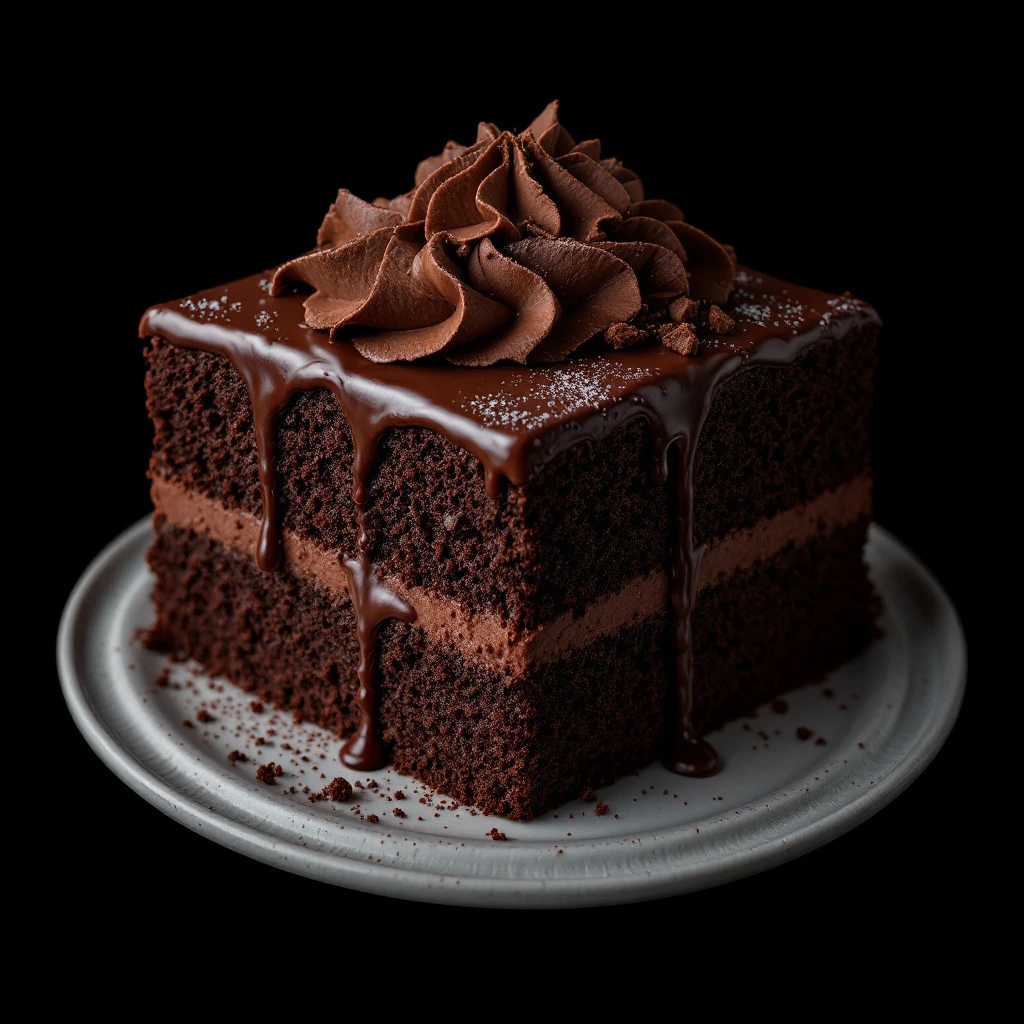
Cool peppermint meets sweet nostalgia.
Candy cane as a confection only dates to the 1600s, yet perfumers engineered its cool-sweet signature in labs within decades of the first synthetic aroma compounds.


Origin
Switzerland
The striped candy cane itself originated in 17th-century Europe, with German and Swedish confectioners debating its first appearance. Originally white and straight, the familiar J-shape and red stripes emerged later as decorative Christmas ornaments. The fragrance industry adopted candy cane as a conceptual note much more recently, during the late 20th-century expansion of synthetic aromatic compounds.
As perfumers gained access to lab-created molecules like menthol, vanillin, and coumarin, they could construct entirely imaginary scent experiences without botanical source materials. Candy cane fragrance represents this modern approach: a nostalgic taste-memory translated into olfactory form. The note gained popularity in niche and seasonal fragrances during the 2000s as brands sought playful, story-driven ingredients.
Today it appears in winter collections, gourmand compositions, and unisex fragrances that aim to evoke warmth and celebration.
Wears it best
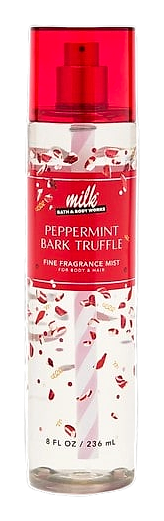
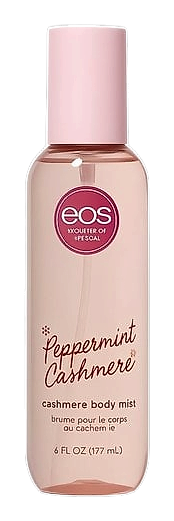
Fragrances featuring Candy Cane
Brands
Brands known for Candy Cane
Good to know
Questions, answered
The essentials on Candy Cane in perfumery: how it smells, where it comes from, and how it behaves on skin.
Is candy cane a natural or synthetic fragrance ingredient?
Candy cane is exclusively synthetic. Perfumers construct this aroma by combining menthol with sweet molecules like vanillin to replicate the cool, sugary character of the confection. No natural extraction yields this specific note.
What does candy cane smell like in perfume?
It delivers an immediate cooling sensation from menthol followed by a sweet, slightly vanillic dry-down. The effect resembles biting into a peppermint candy with lingering sugary warmth.
Which seasons or occasions suit candy cane fragrances?
Candy cane works best in autumn and winter, particularly for holiday-themed fragrances. Its crisp sweetness also suits playful daytime wear and seasonal limited editions.
What fragrance families commonly use candy cane?
Gourmand, fresh, and fougere compositions most frequently feature candy cane. Perfumers pair it with vanilla, mint, spices, and woody base notes to build complex winter scents.
How does candy cane differ from standard peppermint in perfumery?
Standard peppermint is a single botanical note with strong cooling properties. Candy cane adds a sweet dimension through vanillin or coumarin, creating a rounder, more dessert-like impression.
What concentration levels typically contain candy cane in fragrances?
As a top-note heart ingredient, candy cane usually appears at 2-8% of the concentrate. Higher concentrations risk overwhelming other notes; skilled perfumers use it as an accent rather than a dominant element.
Which companion ingredients pair well with candy cane?
Vanilla, benzoin, tonka bean, other mint varieties, cinnamon, and ambergris complement candy cane effectively. These additions either enhance sweetness or provide warmth that balances the menthol coolness.
When did candy cane first appear as a named fragrance note?
Candy cane entered fragrance marketing vocabulary around 2005-2010, coinciding with the rise of niche perfumery and seasonal collections. Its confectionery heritage made it instantly recognizable to consumers.