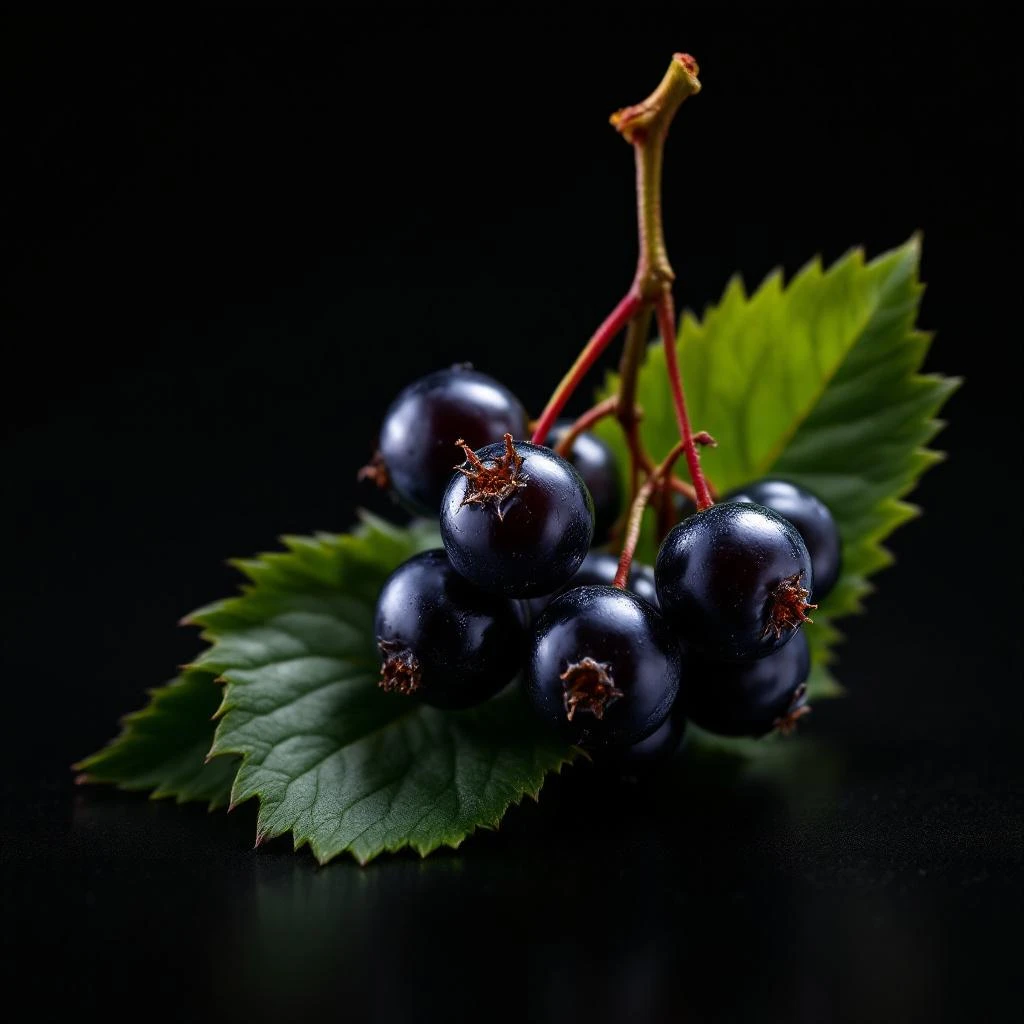
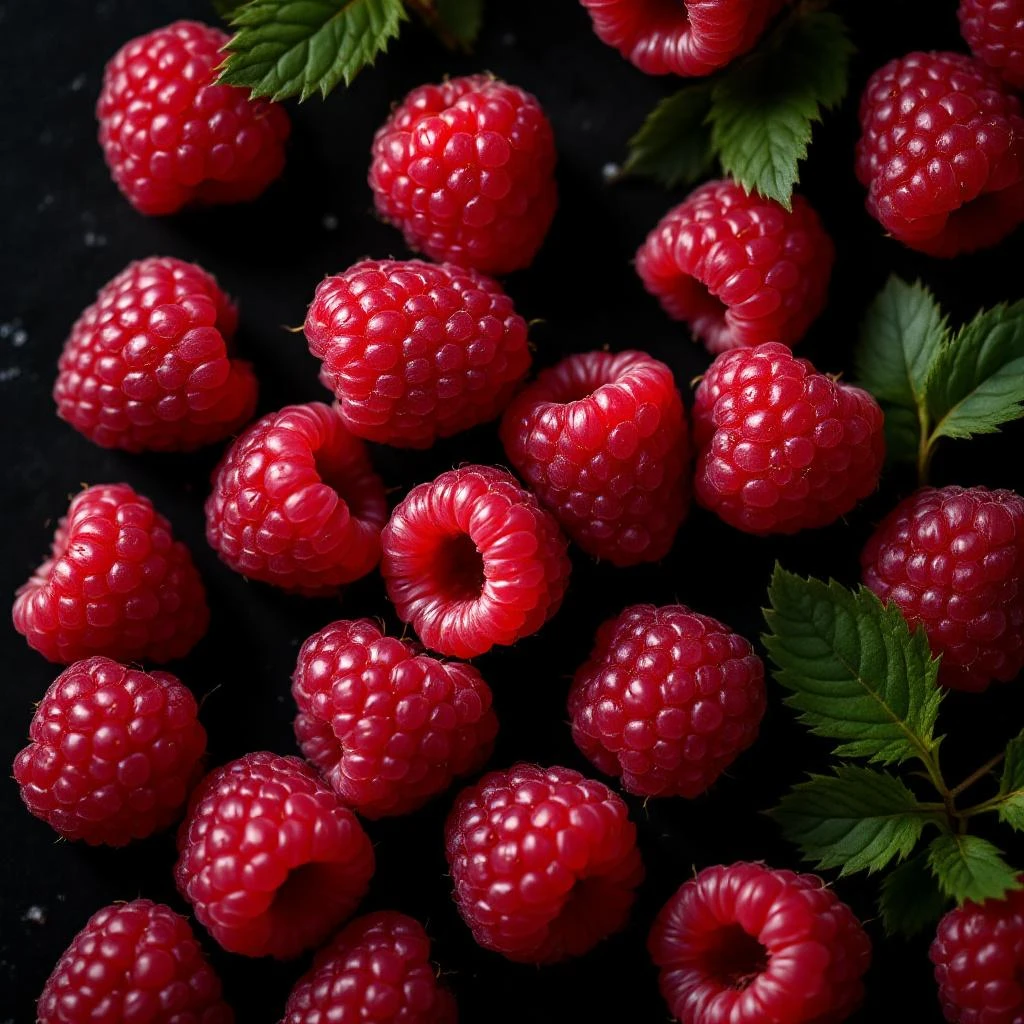
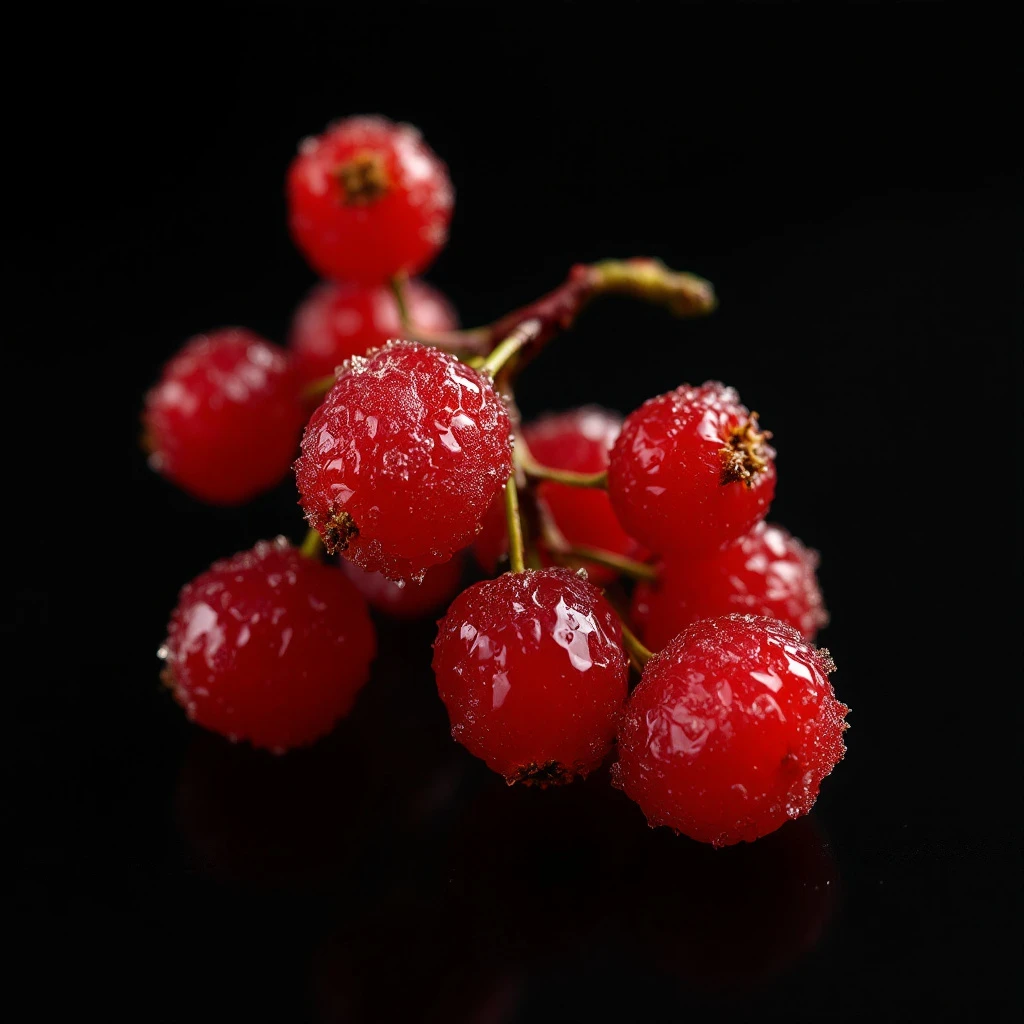
Candied Hawthorn Berry
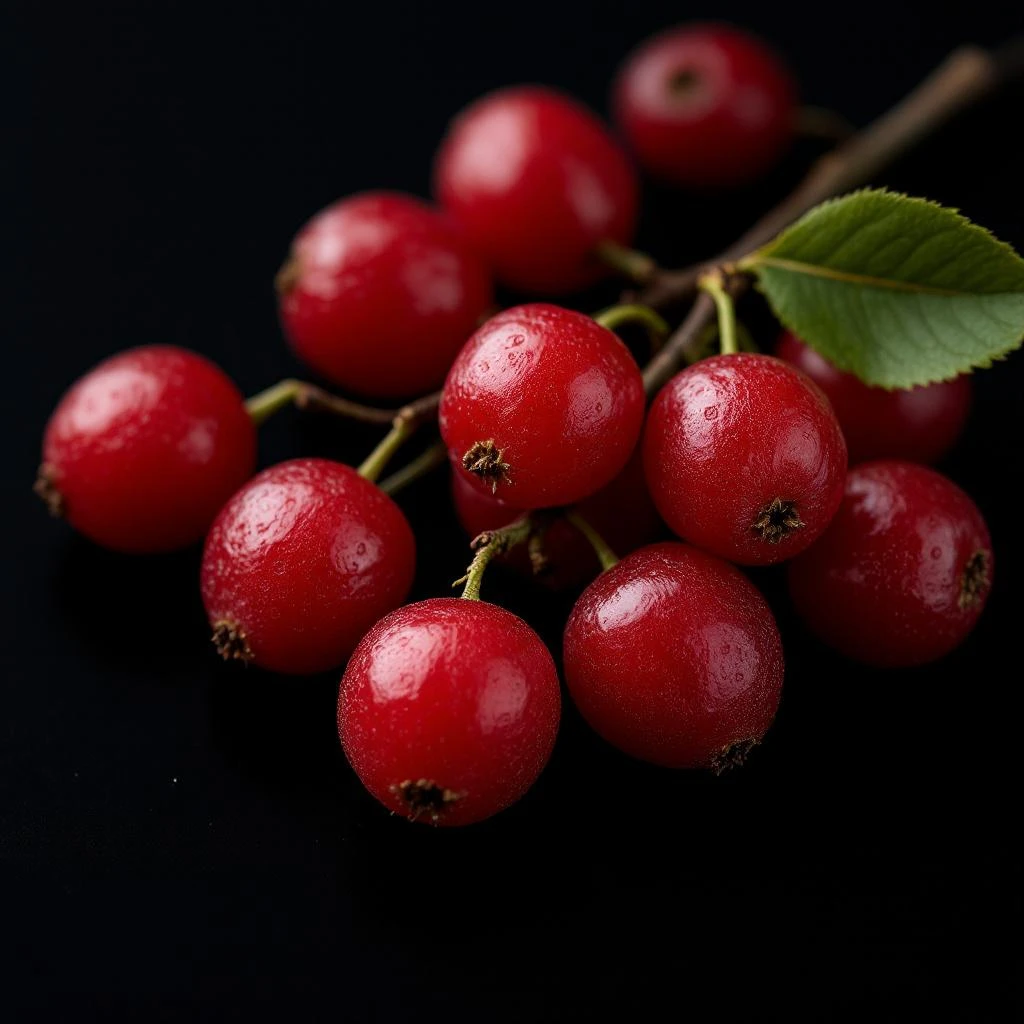
A confectionery accord recreating the glossy sugar crust of Chinese tanghulu, where ripe hawthorn berries emerge beneath shattering caramelized sugar. Sweet, tart, and irresistibly nostalgic.
Character
How it smells
Shattering sugar meets wild berry
In Beijing, traditional tanghulu vendors carried their wares on long poles and announced their arrival with a small bell, a practice that continued through the twentieth century.
Pairs beautifully with
Origin
China
The candy that inspired this fragrance note dates to the Southern Song Dynasty, when street vendors in what is now Hangzhou first began coating hawthorn berries in sugar syrup. The technique likely emerged as a preservation method, allowing seasonal fruit to be enjoyed well beyond harvest. By the Ming Dynasty, candied hawthorn had spread northward and become a fixture of Beijing's winter street life, where vendors carried their wares on long poles and announced their arrival with a small bell.
The treat remained a children's staple through the twentieth century, and by the 1980s it experienced a nostalgic revival that continues today. In traditional Chinese medicine, hawthorn berries had been used since the seventh century to aid digestion, meaning that tanghulu was never merely a sweet distraction but also a functional one. This dual identity as both medicine and indulgence gives the candied berry its particular resonance.
When perfumers began translating this flavor into an aromatic accord, they drew on that layered history, creating a note that carries not just sweetness but also the warmth of a centuries-old tradition.
Wears it best
Fragrances featuring Candied Hawthorn Berry
Brands
Brands known for Candied Hawthorn Berry
Good to know
Questions, answered
The essentials on Candied Hawthorn Berry in perfumery: how it smells, where it comes from, and how it behaves on skin.
What does candied hawthorn berry smell like in perfume?
Candied hawthorn berry smells sweet with bright tartness, like a sugar-coated fruit candy. The note captures the contrast between a hard sugar shell and fresh berry acidity. In fragrances, it reads as a playful, nostalgic fruity sweetness rather than a fresh botanical scent, with a confectionery character that feels both festive and familiar.
Is candied hawthorn berry a natural fragrance ingredient?
Candied hawthorn berry is almost always a synthetic accord in perfumery. Rather than extracting from the fruit, perfumers combine aromatic molecules like lactones, aldehydes, and esters to recreate the candy's sweet-tart character. Some formulations may incorporate hawthorn absolute for added authenticity, but the note itself is reconstructed.
What types of fragrances use candied hawthorn berry?
Fruity and gourmand fragrances most commonly feature candied hawthorn berry. The note appears in oriental fragrances, fruity florals, and playful summer scents where a sweet-tart confection character is desired. It pairs naturally with other edible notes like vanilla, caramel, and tonka bean.
What does tanghulu have to do with traditional Chinese medicine?
Hawthorn berries have been used in traditional Chinese medicine since at least the seventh century to aid digestion. Tanghulu was therefore both a seasonal treat and a functional confection. This medicinal heritage gives the candied berry a layered cultural significance that perfumers often reference when using the note.
How does candied hawthorn differ from other berry notes in perfumery?
Candied hawthorn has a distinctive sweet-tart balance and candied sugar character that sets it apart from fresh berry notes. Unlike raspberry or blackberry accords, it carries the unmistakable impression of sugar glaze rather than raw fruit. The note evokes confectionery rather than botany, with a playful quality that feels more nostalgic than natural.
What season is candied hawthorn berry best suited for?
Candied hawthorn berry is versatile but pairs particularly well with autumn and winter fragrances. Its festive, nostalgic quality makes it popular in holiday releases, though perfumers also use it year-round for its cheerful fruity character. The note adds warmth to winter florals and richness to autumn orientals.
Where does tanghulu come from geographically?
Tanghulu originated in what is now China during the Southern Song Dynasty, with Hangzhou considered a likely point of origin as the dynasty's capital. The practice spread northward over centuries and became especially associated with Beijing, where winter street vendors made it a seasonal staple. Today it remains popular throughout China and among diaspora communities worldwide.
Can you use candied hawthorn berry in natural perfumery?
Natural perfumery has limited options for this note. Hawthorn absolute and CO2 extract exist but capture fresh fruit more than candied character. Achieving the sugar-coated effect requires synthetic aromatics, making candied hawthorn fundamentally a constructed accord. For natural-focused formulations, pairing hawthorn absolute with sweet gum or benzoin can approximate a candied effect.