Candied Chestnut
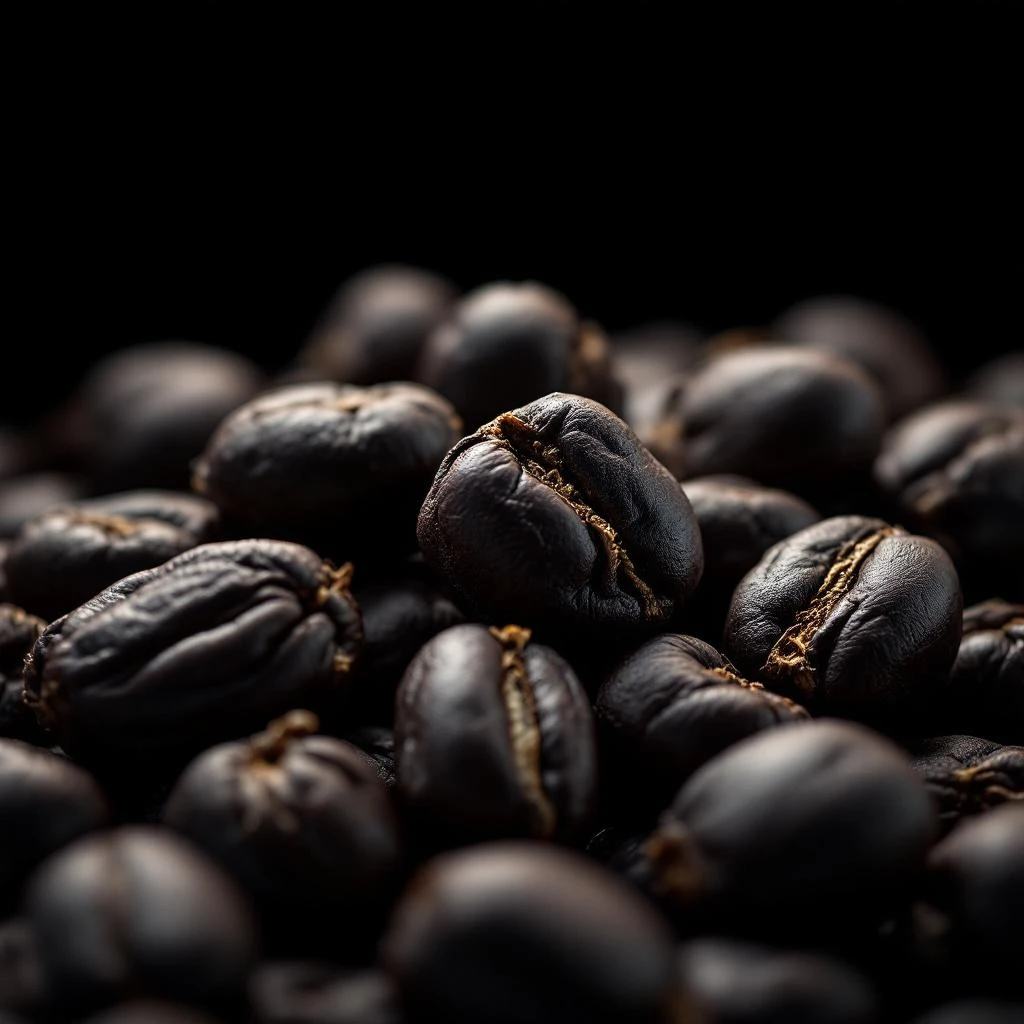
Smoky sweetness and toasted warmth: candied chestnut captures the moment chestnuts split open over open flames, releasing their honeyed, caramelized soul into cold autumn air.
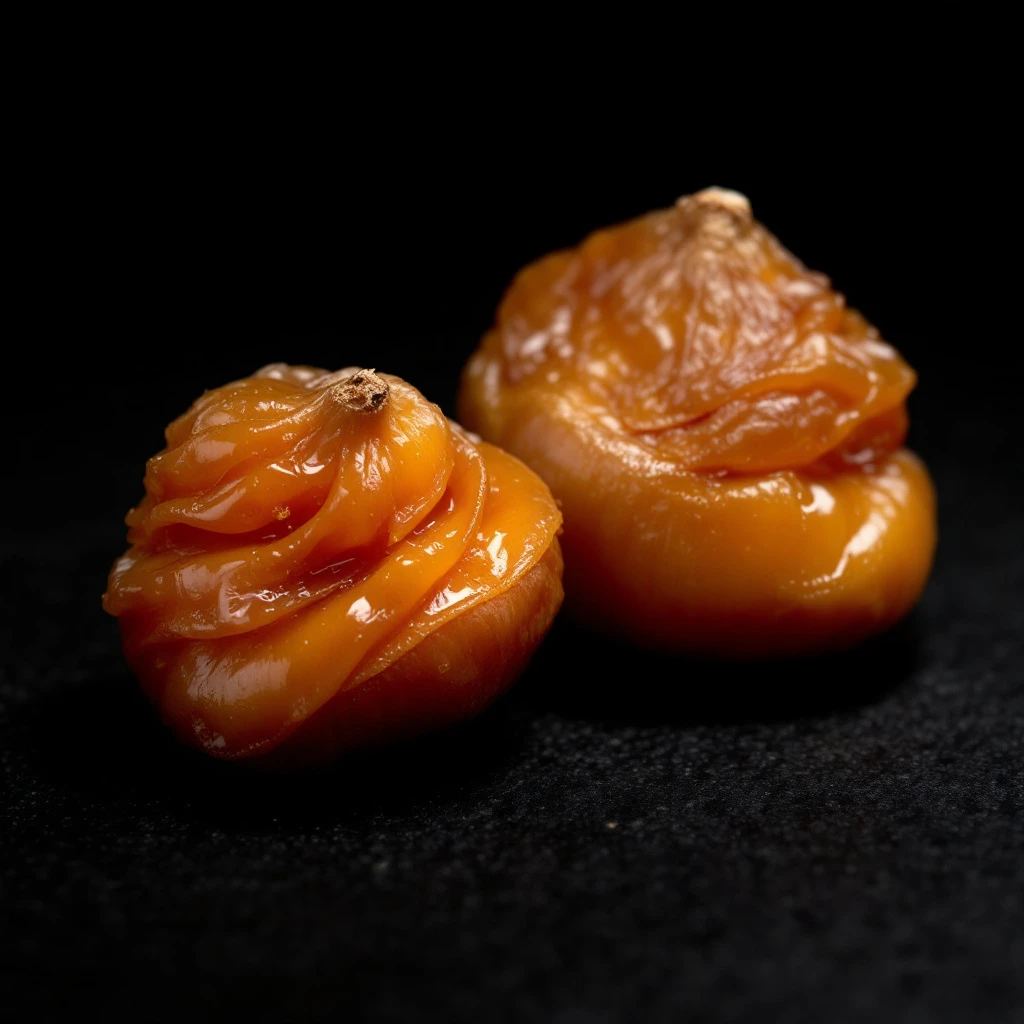
Character
How it smells
Autumn's fire-kissed sweetness in a bottle.
A single kilogram of natural chestnut absolute requires processing roughly 200 kilograms of roasted nuts, making it one of perfumery's rarest materials.

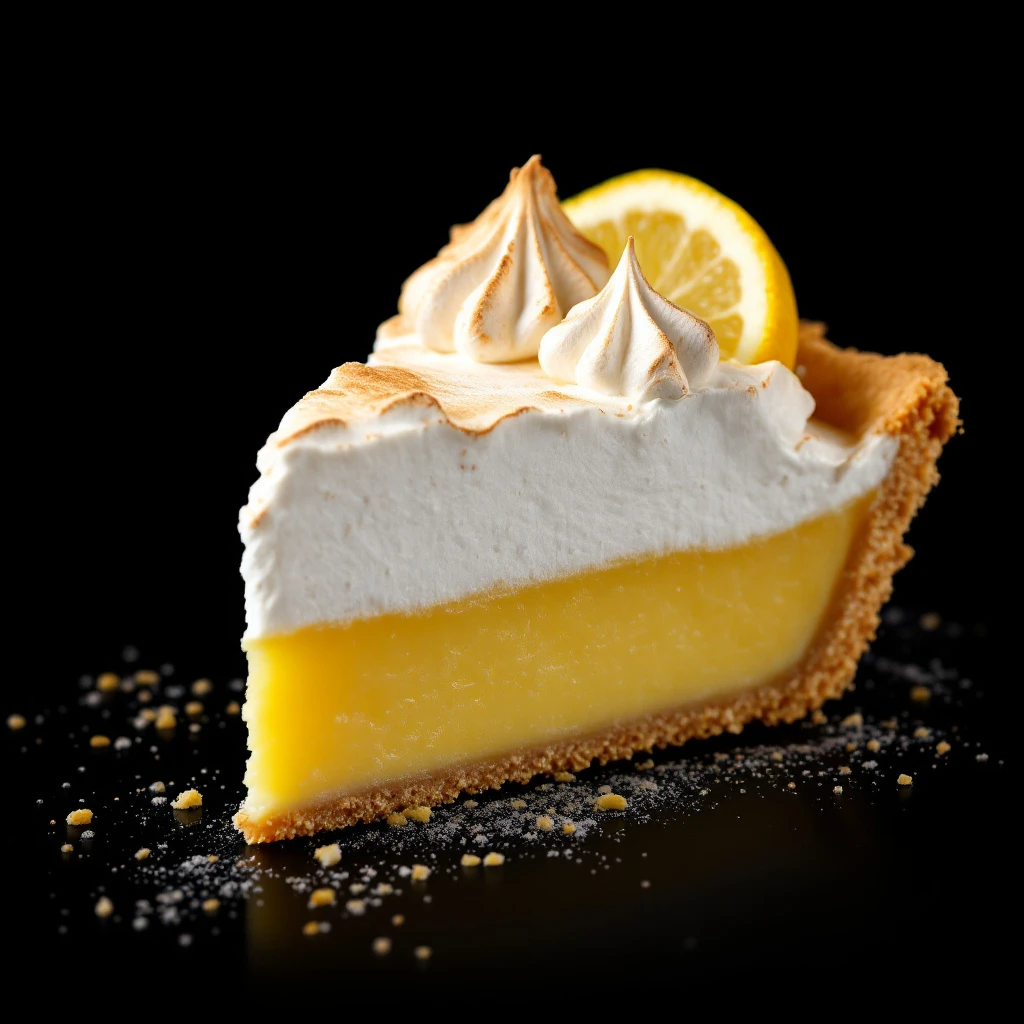
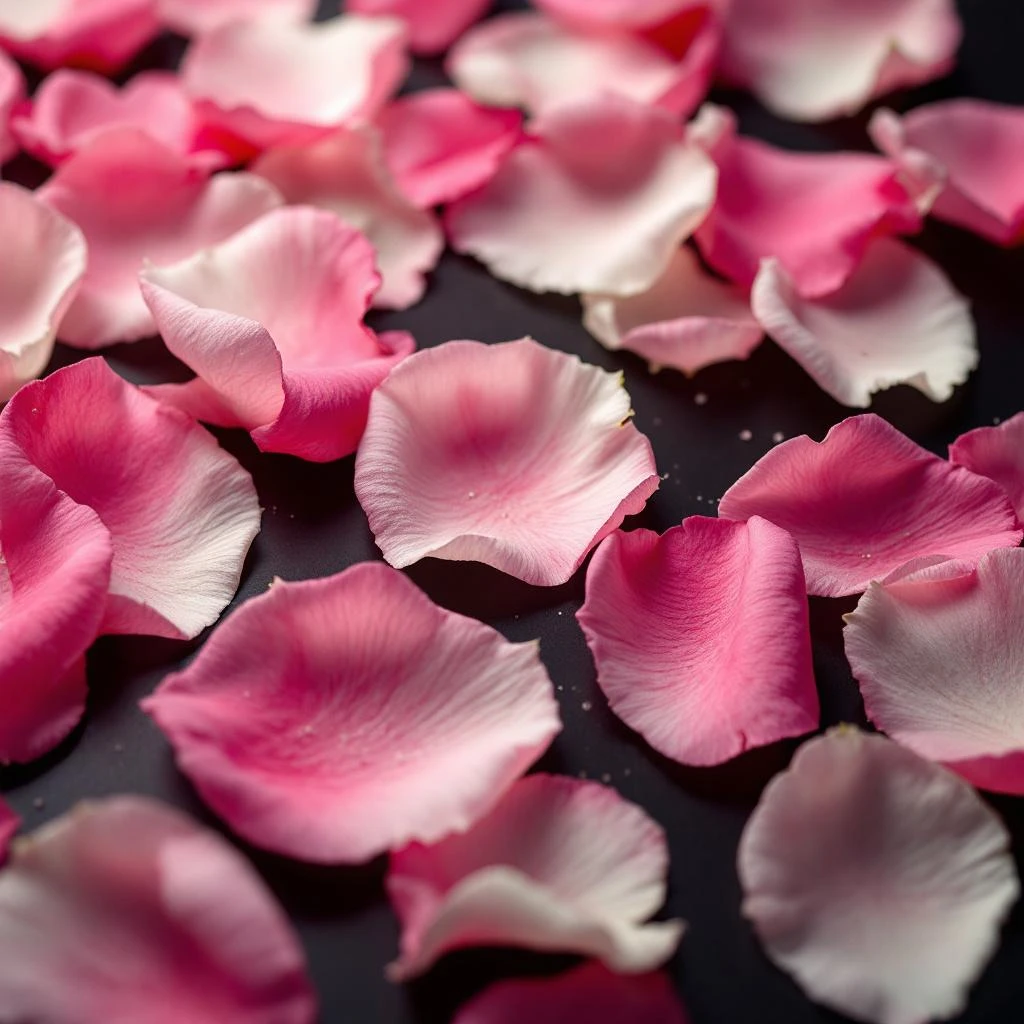
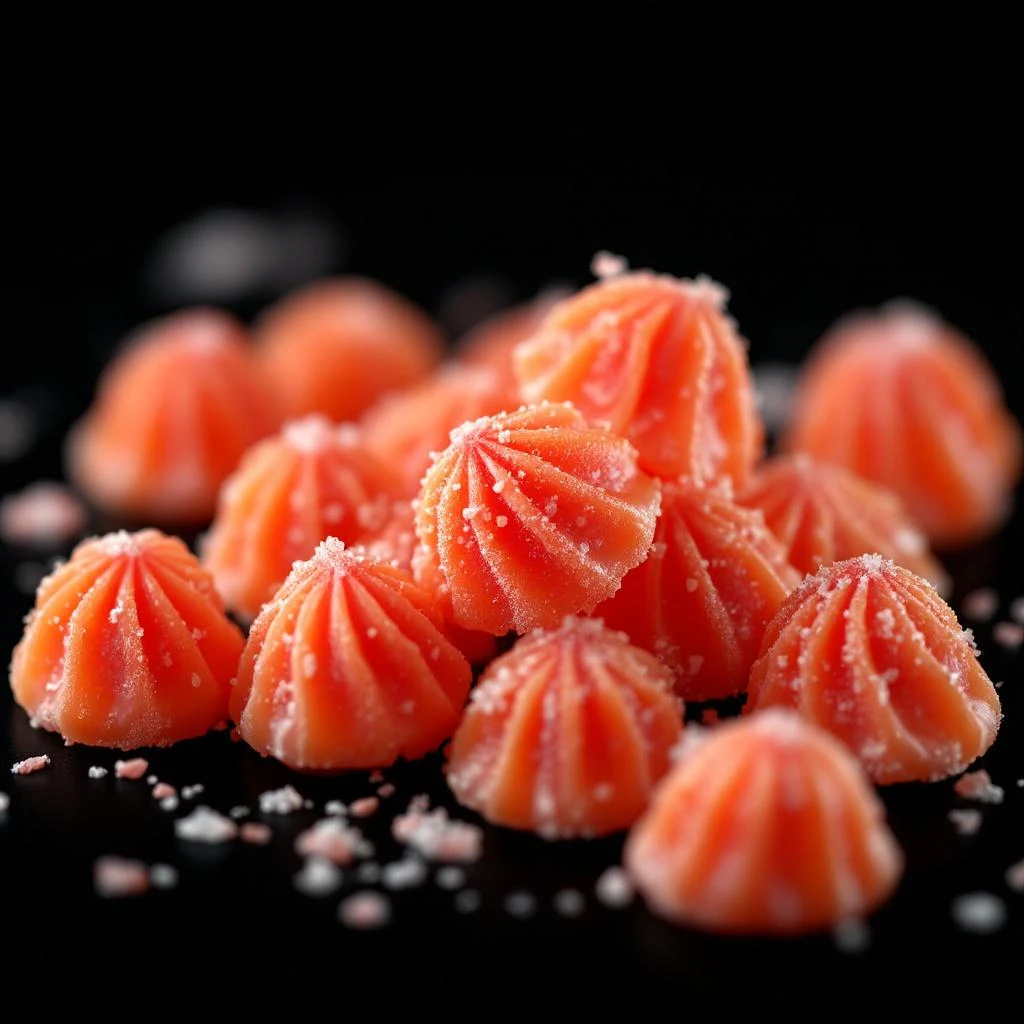

Origin
Turkey
Chestnut entered perfumery through cultural memory rather than extraction technology. Street vendors across France, Italy, and Japan have roasted chestnuts over open coals for centuries, making the scent a shared sensory landmark of autumn.
Perfumers first attempted to bottle this nostalgia in the late twentieth century when gourmand fragrance trends demanded edible, comforting notes. The challenge was clear: natural chestnut absolute barely existed in commercial quantities.
Creators turned to aroma chemistry, identifying the specific molecules that create roasted, caramelized nuttiness. Today, candied chestnut exists primarily as a synthetic construction that captures an authentic sensory memory using laboratory precision rather than botanical extraction.
Wears it best
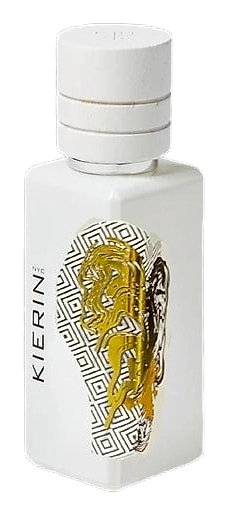
Fragrances featuring Candied Chestnut
Brands
Brands known for Candied Chestnut
Good to know
Questions, answered
The essentials on Candied Chestnut in perfumery: how it smells, where it comes from, and how it behaves on skin.
Is candied chestnut a natural or synthetic ingredient?
Candied chestnut is primarily synthetic. Natural chestnut absolute exists but remains extremely rare due to low yields. Perfumers recreate the warm, roasted, caramelized character using aroma chemicals that mimic chestnut's distinctive pyrazines and furanones.
What does candied chestnut smell like?
Candied chestnut smells like chestnuts roasted over an open flame, with honeyed sweetness, subtle smoke, and a buttery, caramelized warmth. It reads as edible and cozy without the heaviness of nut oils.
Which fragrance families commonly use candied chestnut?
Gourmand and oriental fragrances most frequently feature candied chestnut. It also appears in woody-gourmand and chypre compositions seeking warm autumnal character. Unisex and masculine fragrances favor it most often.
What ingredients pair well with candied chestnut?
Vanilla amplifies its sweetness. Cedar and sandalwood ground its warmth in woodiness. Smoke and leather enhance its roasted character. Tonka bean and benzoin add complementary caramel depth.
Does candied chestnut occur naturally in any fragrance material?
Natural chestnut absolute exists but commercial quantities rarely appear in perfume production. The roasted nut character in most fragrances comes from synthetic reconstruction using specific aroma molecules.
When did perfumers first use chestnut notes?
Chestnut entered modern perfumery in the late twentieth century during the gourmand fragrance boom. Earlier perfumers avoided it because no practical extraction method existed; the note required synthetic chemistry to become widely available.
Is candied chestnut suitable for sensitive skin?
As a synthetic material, candied chestnut offers cleaner allergen profiles than many naturals. However, fragrance formulations containing it may include other ingredients that cause reactions. Review the full INCI list for personal sensitivity concerns.
What情绪 does candied chestnut convey in a fragrance?
Candied chestnut conveys comfort, nostalgia, and warmth. It evokes autumn markets and cozy gatherings. Perfumers use it when seeking sensory associations with hearth, harvest, and seasonal transition.