Lemon Meringue Pie
Lemon Meringue Pie is a gourmand fragrance note that recreates the bright, sweet aroma of the beloved dessert. It combines citrus lemon curd with warm vanilla meringue and buttery pastry accord. This indulgent note brings warmth and approachability to fragrance compositions, evoking comfort and nostalgia while maintaining olfactory sophistication.

Character
How it smells
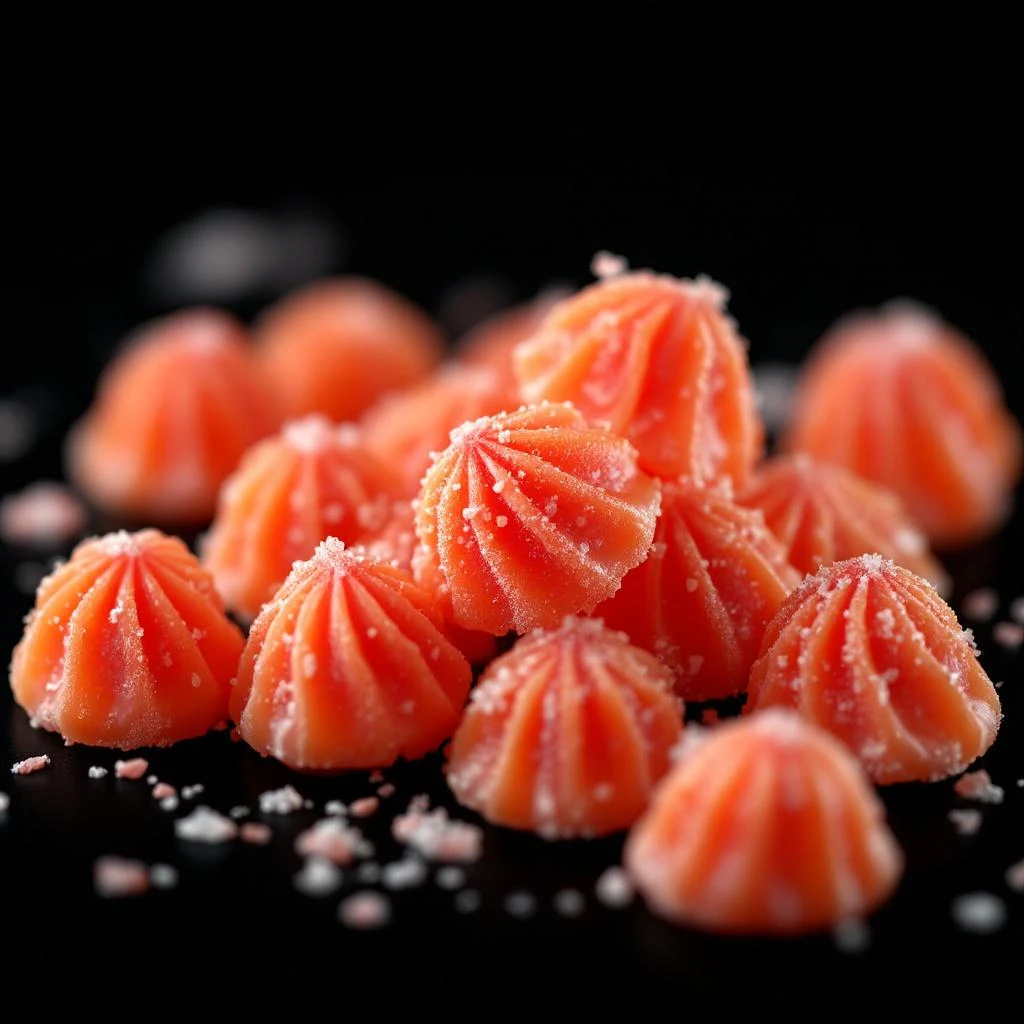
Bright citrus meets warm vanilla, capturing sunshine in a pie crust.
The lemon meringue pie was officially declared a comfort food by American home economists in the 1920s, and now inspires perfumers worldwide.







Origin
France
The culinary Lemon Meringue Pie traces back to 19th century America, where it appeared in Fannie Farmer's 1896 Boston Cooking School Cook Book. Yet its individual components have older roots. Italian recipe books document lemon custard tarts from the mid-1500s. French confectioners developed their own versions just after 1600. Victorian England knew it as Lemon Chester Pudding, while Quakers in Philadelphia refined the lemon curd recipe that would define the American version.
The fragrance interpretation of this beloved dessert emerged much later, gaining prominence in the late 20th century as perfumers began exploring edible, comfort-food inspired themes. The first true gourmand fragrances in the 1990s opened doors for dessert-based accords in serious perfumery. Today, Lemon Meringue Pie represents one of the most recognizable food-inspired notes, demonstrating how culinary heritage translates into olfactory art. The note connects perfume wearers to centuries of baking tradition while serving contemporary desires for warmth and personal comfort in fragrance.
Wears it best
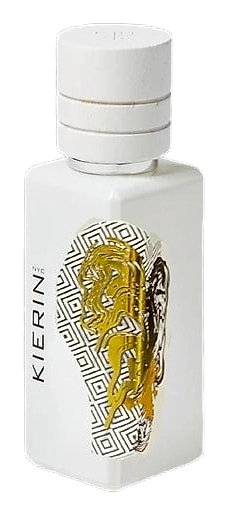
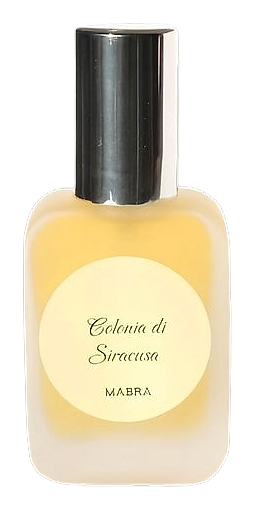
Fragrances featuring Lemon Meringue Pie

Brands
Brands known for Lemon Meringue Pie
Good to know
Questions, answered
The essentials on Lemon Meringue Pie in perfumery: how it smells, where it comes from, and how it behaves on skin.
What does Lemon Meringue Pie smell like in perfume?
Lemon Meringue Pie in perfume smells like the dessert: bright lemon citrus on opening, sweet creamy vanilla in the heart, and a warm buttery base. The overall effect is tart yet comforting, with a distinct edible quality that distinguishes it from floral or citrus-only fragrances. The lemon note specifically reads as fresh lemon curd rather than harsh cleaning citrus.
Why is Lemon Meringue Pie used in perfumery?
This note adds brightness, sweetness, and an approachable edible quality to fragrances. Perfumers use it to evoke comfort and warmth while creating inviting, modern scents. The combination of tart lemon and sweet vanilla also extends fragrance longevity when combined with deeper heart and base notes, making compositions feel more complete.
Is Lemon Meringue Pie in perfume natural or synthetic?
Lemon Meringue Pie is inherently synthetic in perfumery because it is a conceptual accord, not a natural material. The note is crafted by blending citrus materials (which can be natural like cold-pressed lemon oil), vanilla extracts, and aromatic synthetics. No natural source captures the complete lemon meringue pie aroma. Modern aromatic chemistry allows recreation of individual components with 85-95% accuracy for citrus aromatics.
What famous perfumes contain Lemon Meringue Pie?
Several niche and designer fragrances feature this accord. The scent is most prominently featured in Byredo's Gypsy Water (reformulated), L'Artisan Parfumeur's Havana Vanilla, and various Aquolina and Lekala gourmand releases. The exact note appears differently across houses: some emphasize citrus brightness while others highlight vanilla warmth. Ingredient lists on Sephora show lemon meringue as a noted heart or main accord.
Is Lemon Meringue Pie a top note, heart note, or base note?
Lemon Meringue Pie functions primarily as a heart note in most compositions. The citrus elements appear early, giving an initial bright impression, but the main vanilla and buttery character reveals itself during the heart phase. The note typically lasts 2-4 hours depending on concentration and accompanying materials. In some modern fragrances designed to project immediately, it can serve as a prominent opening with continued presence.
What notes pair well with Lemon Meringue Pie in perfume?
Lighter fragrances pair lemon meringue with berries, tropical fruits, or white tea for freshness. Warmer compositions benefit from tonka, sandalwood, or benzoin, which reinforce the comfort-food character. Gourmand fragrances often combine it with chocolate, caramel, or praline. Floral pairings like orange blossom or gardenia soften the sweetness, while musk adds longevity. Avoid pairing with heavy leather or smoke notes, which compete with the delicate pie character.
Where does Lemon Meringue Pie come from?
As a fragrance note, Lemon Meringue Pie originates from modern perfumery's development of gourmand aesthetics in the late 20th century. While the dessert itself has 19th century American roots (Fannie Farmer 1896 cookbook) and earlier European antecedents (Italian lemon tarts from the 1500s), the fragrance accord emerged as perfumers began interpreting edible themes in the 1990s. The note synthesizes culinary heritage with contemporary aromatic artistry.
Is Lemon Meringue Pie used in men's or women's fragrances?
This note appears in fragrances across the gender spectrum. Originally more common in women's and Unisex releases, perfumers increasingly use lemon meringue pie in masculine compositions too. The citrus brightness appeals broadly while the vanilla warmth resonates with modern preferences for comfort in fragrance. Gender-neutral niche fragrances frequently feature this note prominently. Brands like Byredo and Le Labo use it in both men's and women's marketed scents.