Candied Bergamot
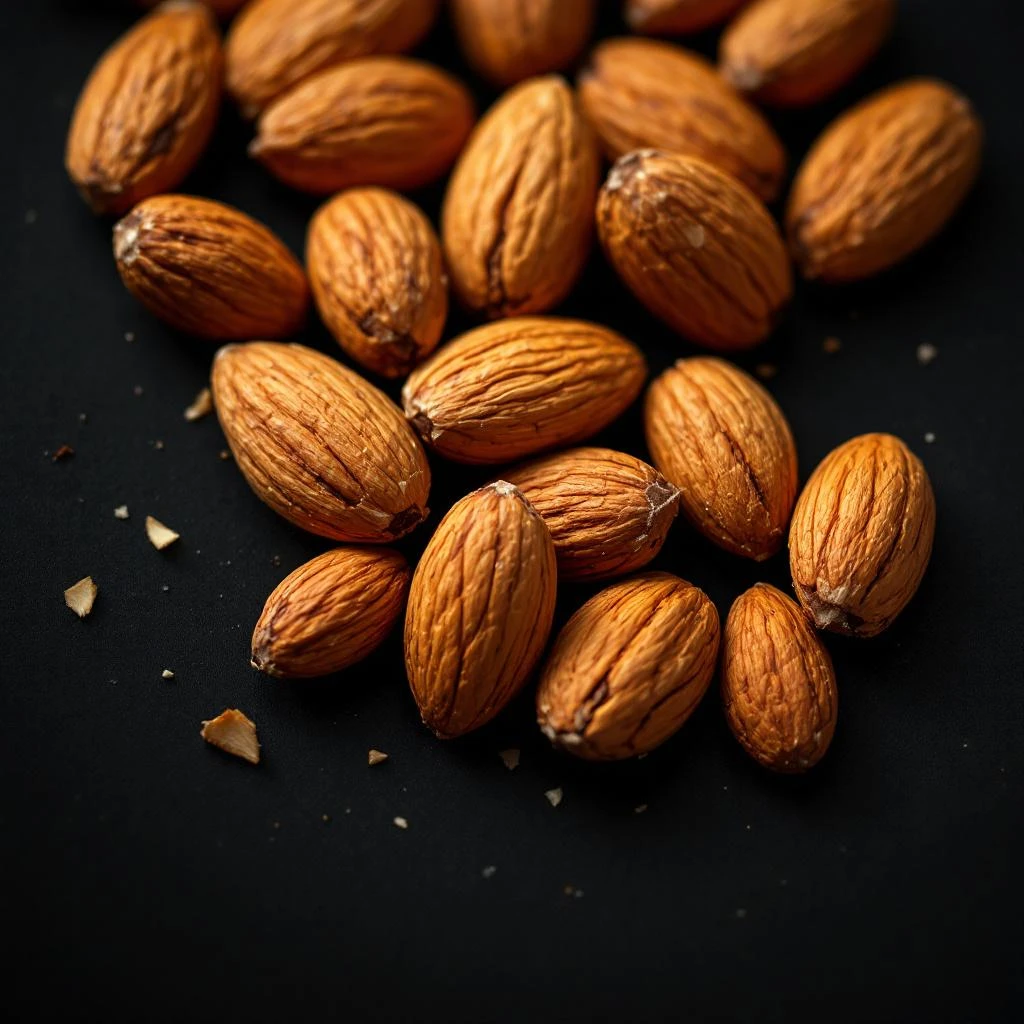
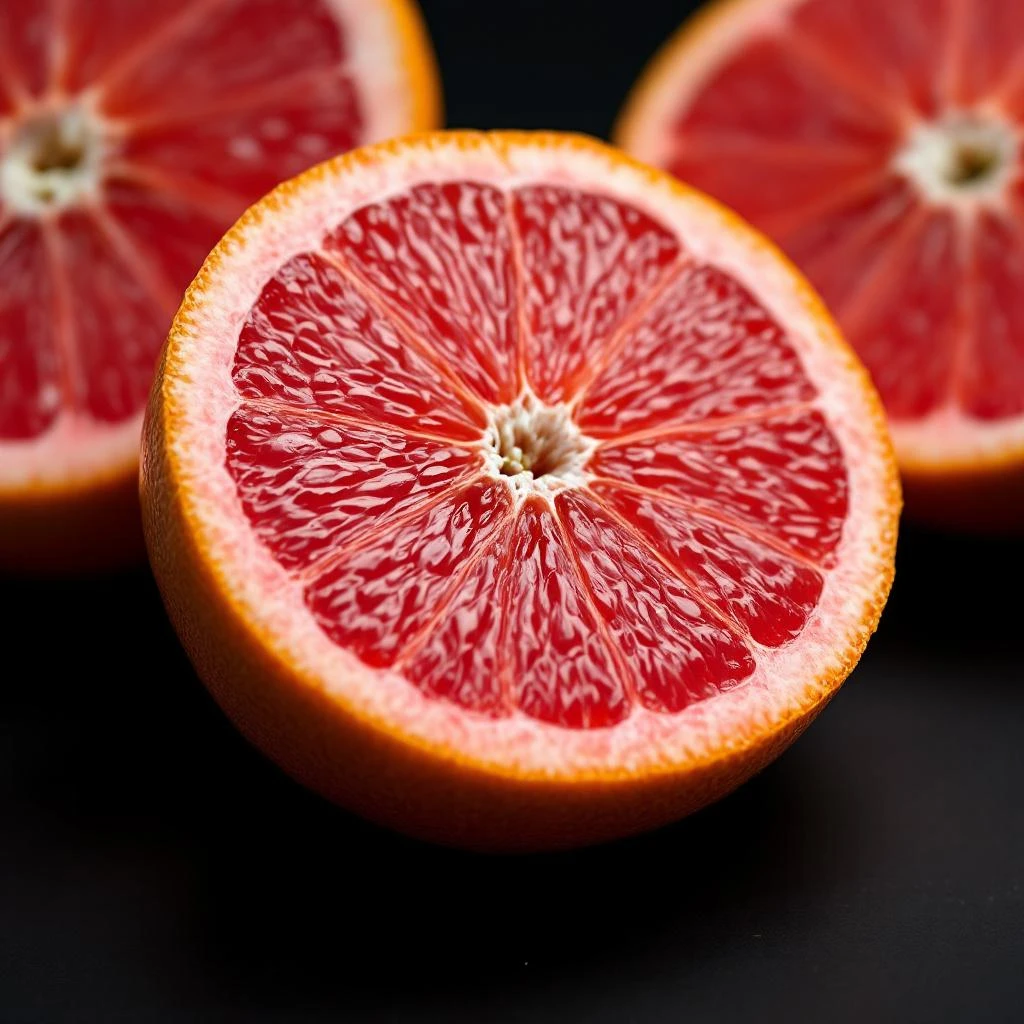
Candied Bergamot transforms the bright citrus of fresh bergamot peel into a softer, sweeter character reminiscent of sugar-coated citrus peel. The candying process mellows sharp edges while preserving the signature floral-spicy warmth that defines bergamot in fine fragrance.

Character
How it smells
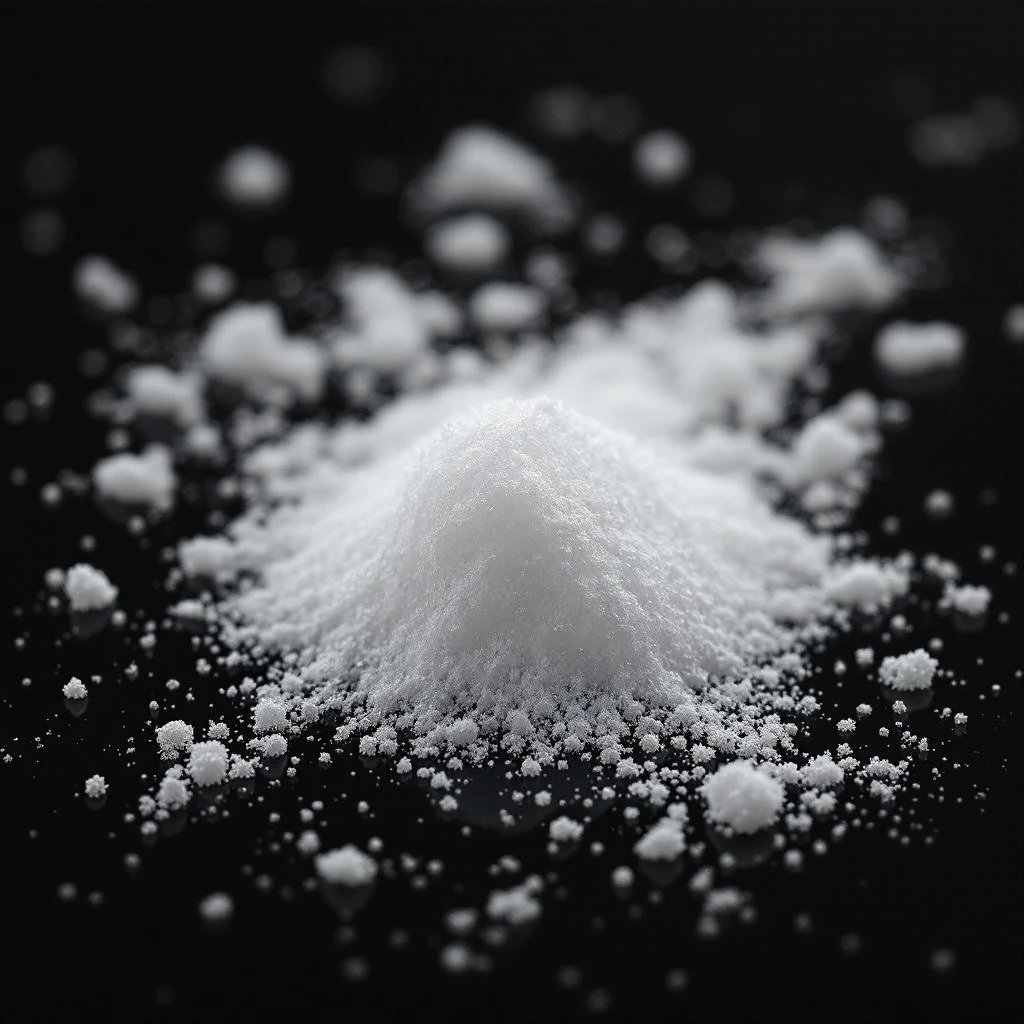
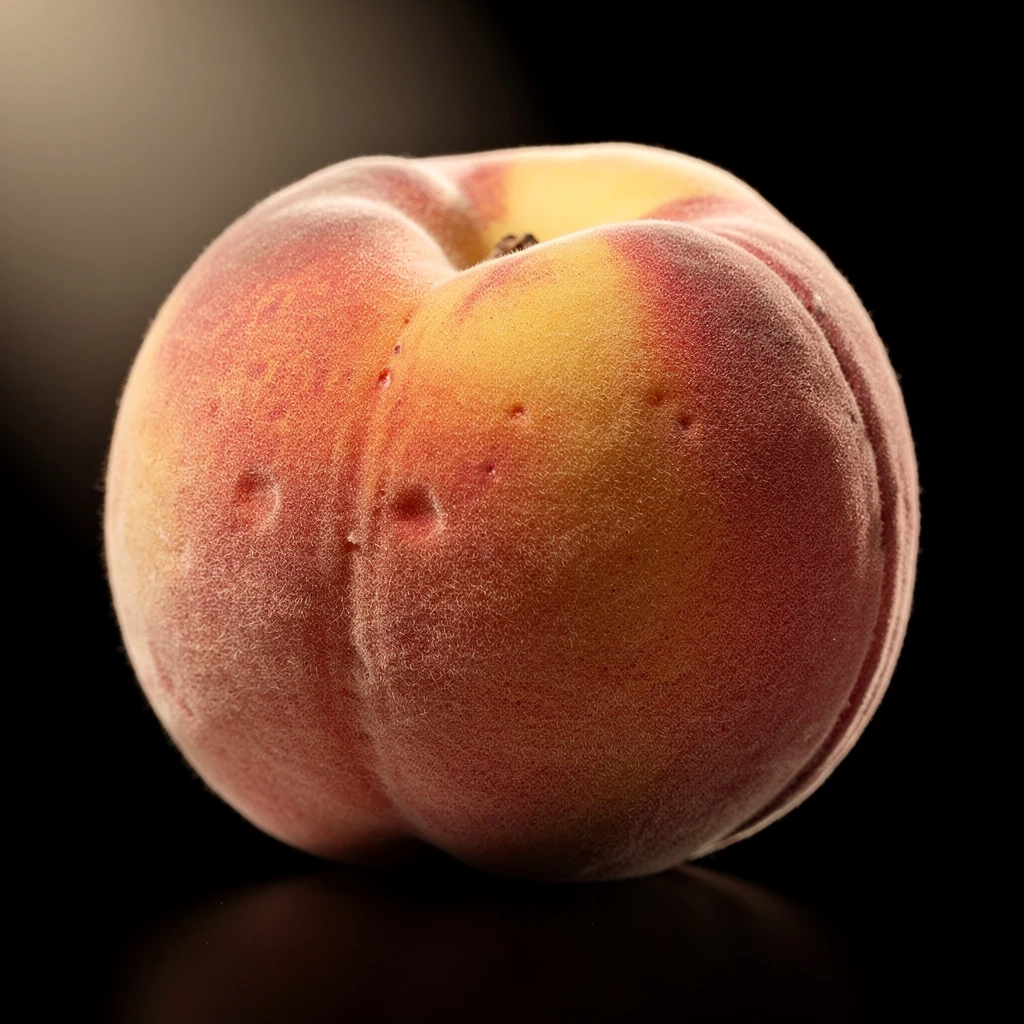
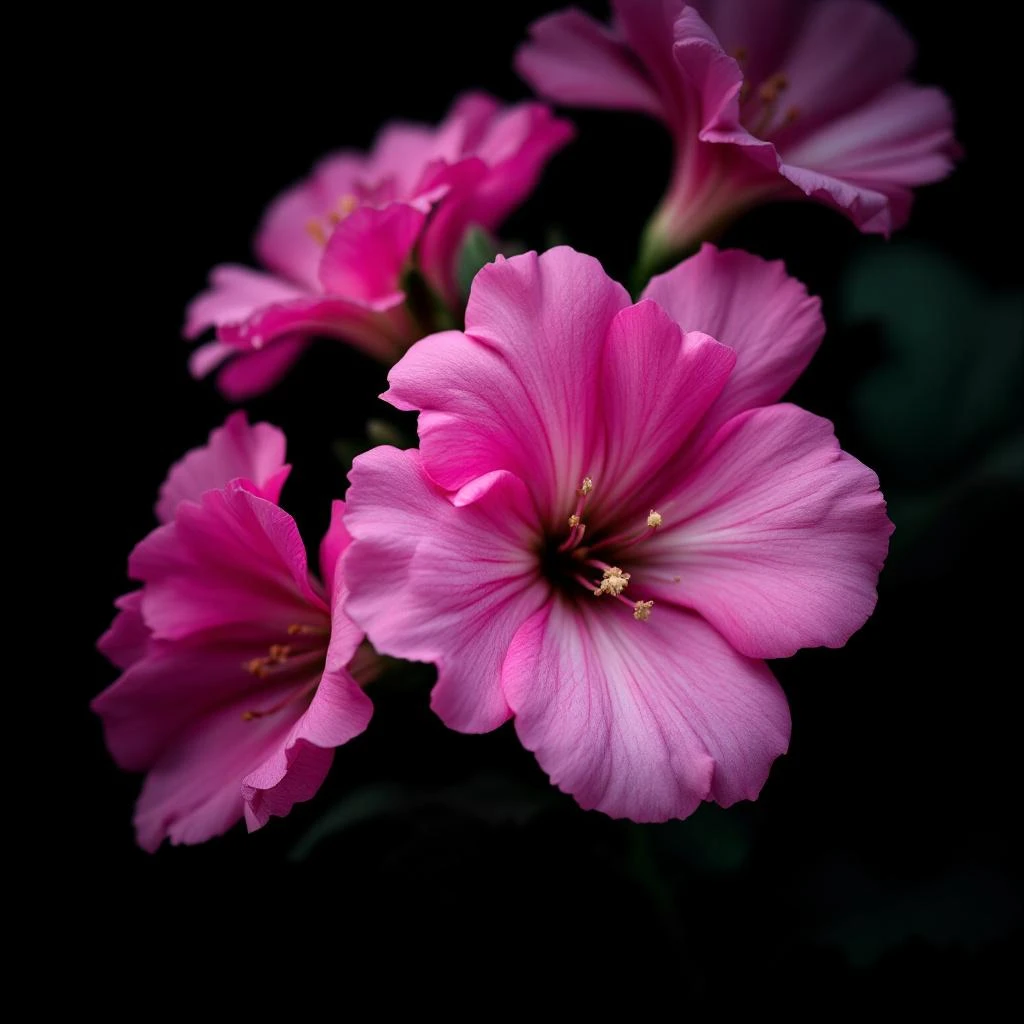
Citrus sweetness preserved, blossom-warm and honeyed.
The bergamot pear-shaped boxes of 17th-century Grasse once held potpourri and perfumes, crafted from fragrant fruit peel.





Origin
Italy
Bergamot's story spans continents and centuries. Genetic research confirms Citrus Bergamia as a probable hybrid descending from lemon, itself a complex citrus hybrid. The plant likely originated in Southeast Asia before traveling through Turkey to Europe, where it found its spiritual home in Calabria's Ionian coast.
Italian cultivators in the region of Bergamo gave the fruit its enduring name. For 600 years, Calabrian growers have perfected bergamot cultivation, creating a crop so region-specific that it rivals wine's concept of terroir. The fruit's journey from Asian forests to Calabrian groves shaped both perfumery and the flavor of Earl Grey tea.
Candied Bergamot as a fragrance note represents a modern interpretation, honoring this heritage while exploring the fruit's sweeter potential.
Wears it best
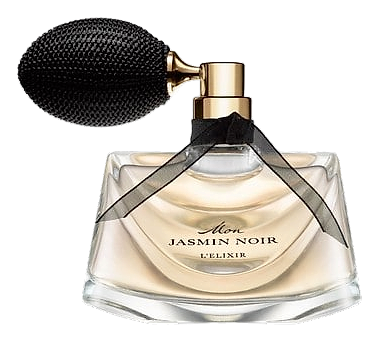
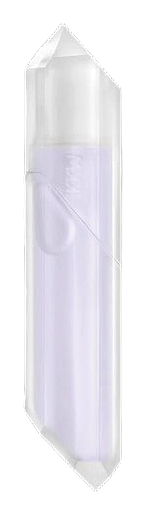
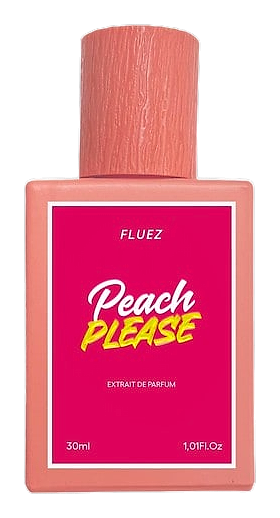
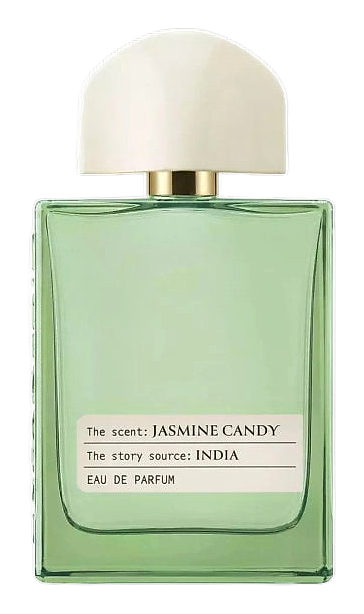
Fragrances featuring Candied Bergamot
Brands
Brands known for Candied Bergamot
Good to know
Questions, answered
The essentials on Candied Bergamot in perfumery: how it smells, where it comes from, and how it behaves on skin.
What does Candied Bergamot smell like?
Candied Bergamot offers sweet citrus with honeyed warmth. It retains bergamot's signature floral-spicy character but with softened edges and a rounder, more confectionery quality than sharp fresh bergamot.
Is Candied Bergamot natural or synthetic?
Candied Bergamot is typically derived from natural bergamot essential oil through processing that enhances sweeter aromatic fractions while managing potentially photosensitizing compounds.
What makes Calabrian bergamot special for perfumery?
Calabrian bergamot has been cultivated for 600 years along a specific coastal microclimate. The Ionian coast's unique soil and conditions produce bergamot with a particularly refined aromatic profile prized by perfumers worldwide.
Which fragrance families use Candied Bergamot?
Candied Bergamot appears frequently in citrus, floral, and oriental compositions. It bridges fresh top-note applications and warmer heart-note positioning, adding sweetness to chypre, amber, and gourmand structures.
What extraction method produces bergamot essential oil?
Bergamot oil is extracted via cold-pressing the fruit's peel using a pelatrice machine. This mechanical process punctures and grates the rind, collecting aromatic oils without heat that could alter the delicate scent profile.
Can Candied Bergamot replace fresh bergamot in formulations?
Candied Bergamot works as an alternative when a sweeter, more stable citrus note is desired. It offers better longevity and reduced photosensitivity while maintaining bergamot's characteristic floral warmth.