Caffè Latte
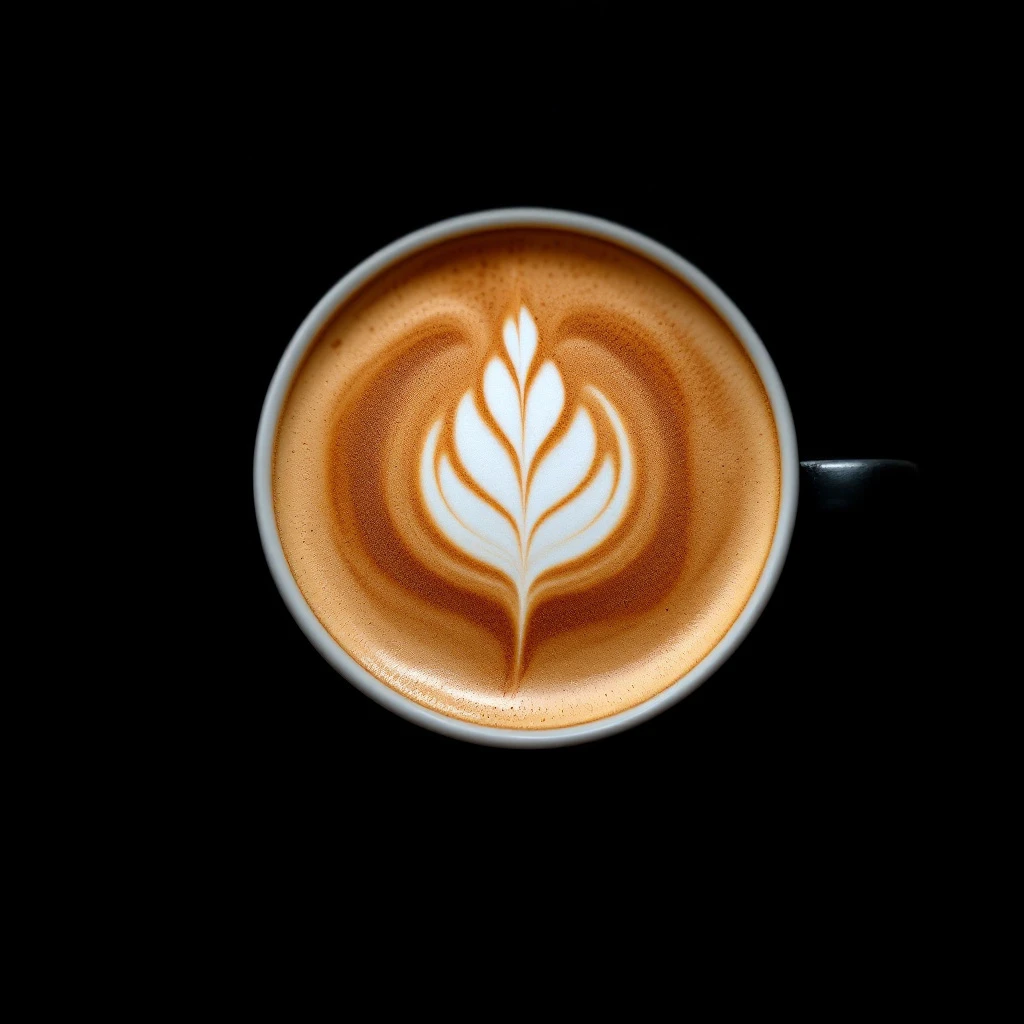
Caffe Latte captures the warm embrace of morning ritual. Dark roasted coffee beans meet creamy steamed milk in a scent that comforts and awakens. This gourmand note brings the sensory richness of Italian espresso bars into your fragrance wardrobe.
Character
How it smells
The comforting aroma of morning coffee culture.
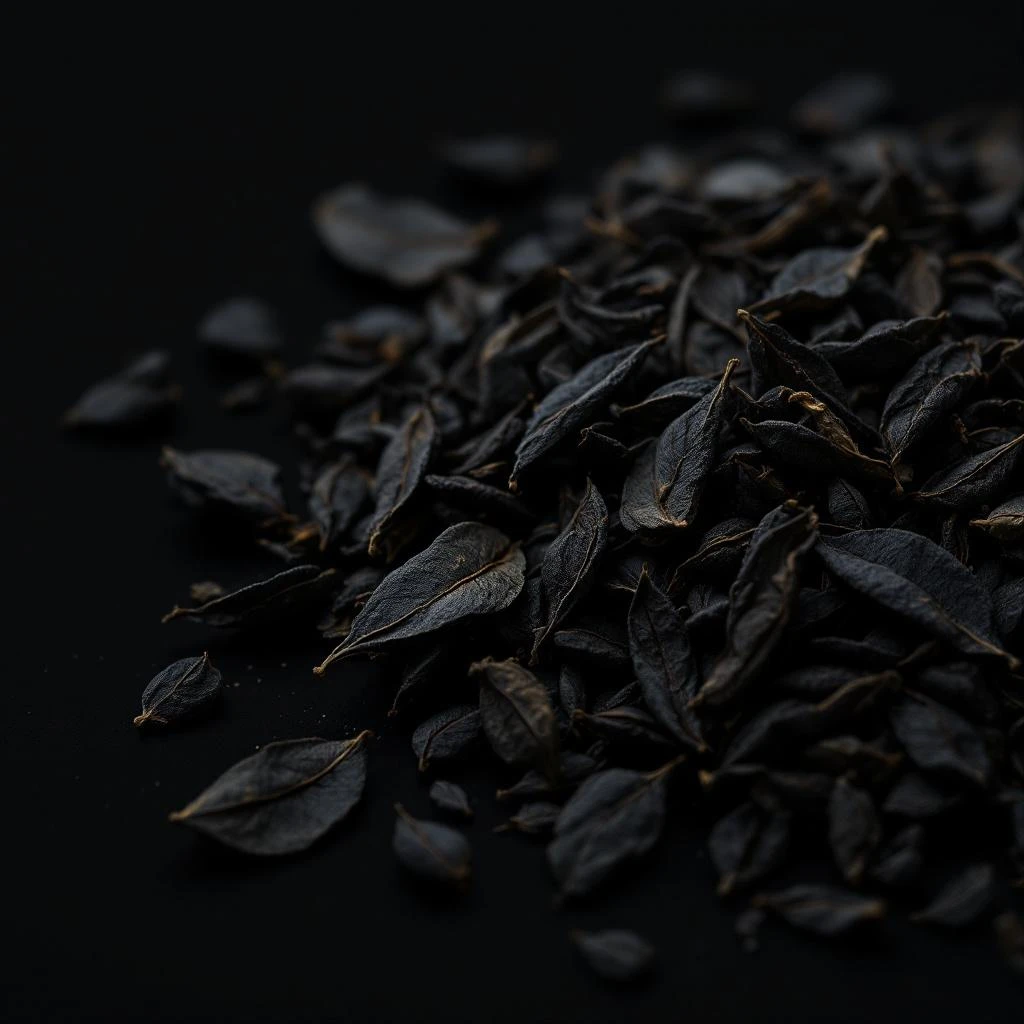
Perfumers extract fragrance from green (unroasted) coffee beans. The raw beans produce a more nuanced aroma than their roasted counterparts.




Origin
Ethiopia
Coffee originated in the Ethiopian highlands, where local legend attributes its discovery to a goat herder named Kaldi around 850 AD. Yemeni traders brought the plant across the Red Sea by the 15th century, and Sufi monks there first brewed it to stay alert during nighttime devotions.
European traders encountered coffee in the Ottoman Empire during the 1600s and brought it westward. Coffeehouses quickly spread through Venice, Paris, and London, becoming centers of intellectual life.
French perfumers began incorporating coffee into fragrances during the late 1800s, drawn to its complex aromatic profile. The Caffe Latte interpretation emerged as perfumers explored gourmand compositions, combining coffee's intensity with creamy, sweet supporting notes that evoke comfort and warmth.
Wears it best
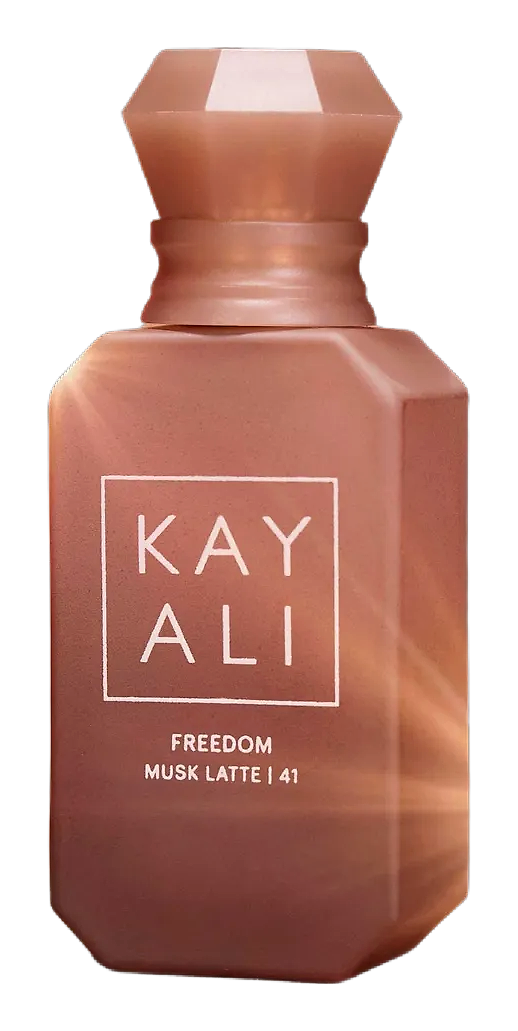
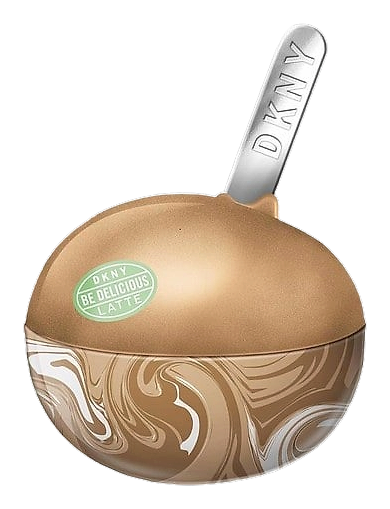
Fragrances featuring Caffè Latte
Brands
Brands known for Caffè Latte
Good to know
Questions, answered
The essentials on Caffè Latte in perfumery: how it smells, where it comes from, and how it behaves on skin.
What does Caffe Latte smell like in perfumery?
Caffe Latte combines dark roasted coffee notes with creamy, milky undertones. The coffee provides bitter, slightly smoky depth while the lactonic elements add sweet, buttery softness. The result balances energizing warmth with comforting gourmand appeal.
Is coffee in perfume made from actual coffee beans?
Yes, most coffee fragrance materials come from green (unroasted) coffee beans. Perfumers extract aromatic compounds through solvent extraction or supercritical CO2 processing. The raw beans yield different aromatic qualities than roasted beans.
What extraction methods work best for coffee fragrance?
Supercritical CO2 extraction produces the cleanest, most natural coffee aroma. Solvent extraction creates a coffee absolute with richer, more concentrated notes. Both methods preserve the complex aromatic profile that defines quality coffee materials.
Which countries produce the best coffee for perfumery?
Ethiopia, Colombia, and Brazil supply most perfumery-grade coffee materials. Ethiopian beans offer bright, complex notes. Colombian varieties provide balanced acidity. Brazilian beans contribute deeper, more bitter characteristics.
Does Caffe Latte work year-round or only in certain seasons?
Caffe Latte compositions suit cooler months particularly well. The warm, gourmand quality matches autumn and winter preferences. However, lighter interpretations can transition into spring with fresher, less heavy formulations.
What fragrance families pair well with Caffe Latte notes?
Oriental fragrances showcase Caffe Latte beautifully. Gourmand compositions featuring chocolate, caramel, or vanilla harmonize naturally. Amber and woody fragrances also accommodate coffee notes without competing.
How long do Caffe Latte notes typically last on skin?
Coffee materials vary in longevity depending on concentration and formulation. Coffee absolutes generally last 4-6 hours. Blended Caffe Latte accords with vanilla or amber undertones may extend wear time significantly.
Are synthetic coffee fragrance alternatives available?
Yes, perfumers use both natural and synthetic materials for coffee accords. Synthetic molecules like cafleur and coffee lactone recreate specific coffee facets. Blending natural and synthetic often produces the most realistic Caffe Latte impressions.