Brassavola Nodosa
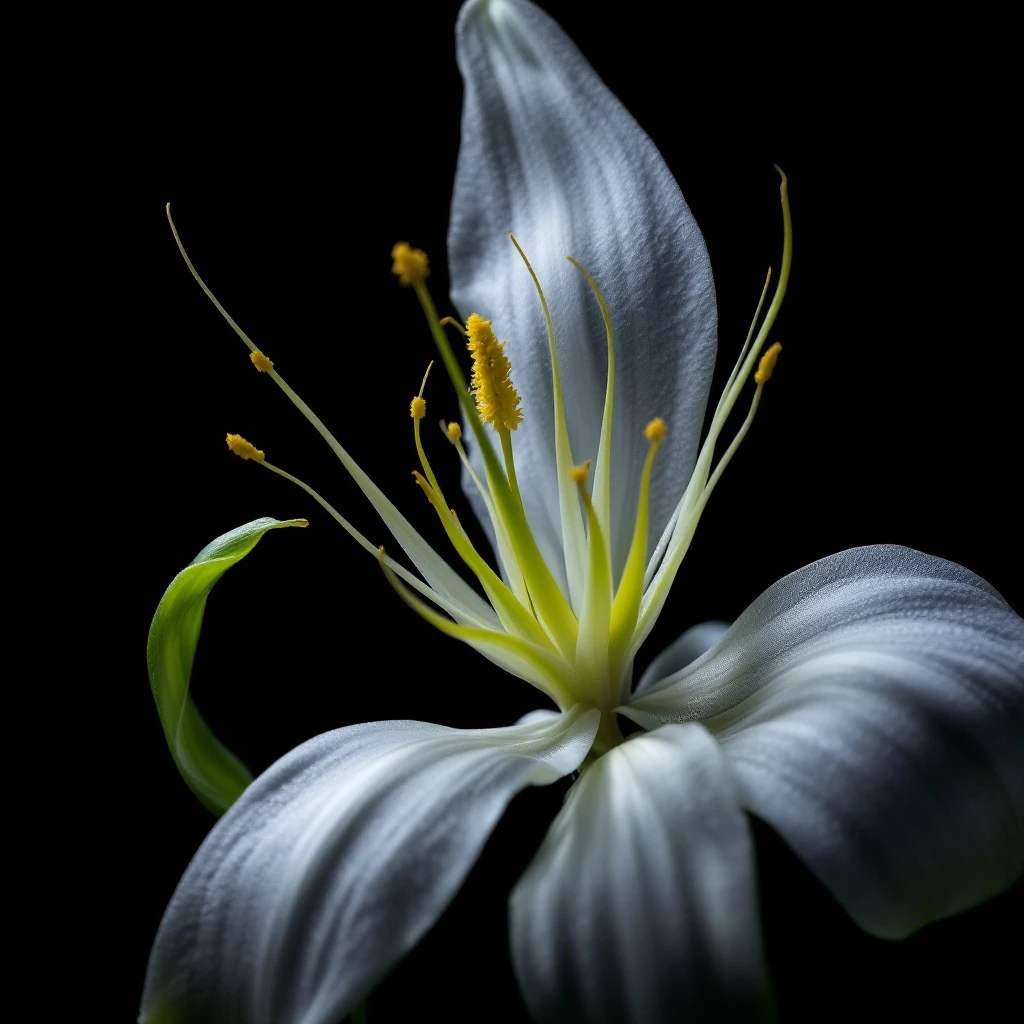
Brassavola nodosa, the Lady of the Night orchid, releases its most powerful fragrance after sunset. This compact epiphytic species from Central and South American coastlines offers a heady blend of gardenia and citrus that has captured the attention of perfumers seeking nocturnal floral accords.
Character
How it smells
The night-blooming orchid with gardenia-citrus fragrance.
The plant only releases its intense fragrance after dark, when it attracts nocturnal pollinators like moths in its native habitat.
Pairs beautifully with




Origin
Mexico
Botanist John Lindley formally described Brassavola nodosa in 1840, though the species had already been known to Mesoamerican cultures for centuries. Indigenous peoples of Mexico and Central America valued the orchid for traditional medicinal applications long before European botanical classification. The species earned its common name, Lady of the Night, from colonial-era observers who noted the dramatic shift in fragrance intensity after dark.
During the Victorian orchid craze of the 19th century, collectors sought the compact species for greenhouse cultivation across Europe. Today, it remains one of the most accessible orchid species for home cultivation while remaining relatively uncommon in commercial perfumery.
Wears it best
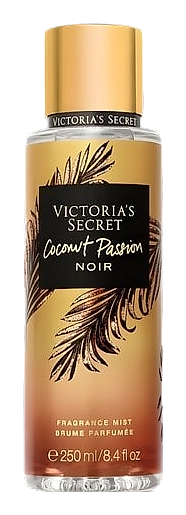
Fragrances featuring Brassavola Nodosa
Brands
Brands known for Brassavola Nodosa
Good to know
Questions, answered
The essentials on Brassavola Nodosa in perfumery: how it smells, where it comes from, and how it behaves on skin.
What does Brassavola nodosa smell like?
The orchid produces a gardenia-like floral scent combined with fresh citrus notes. The fragrance only becomes fully apparent after nightfall, intensifying through the dark hours.
Is Brassavola nodosa used in commercial perfumery?
Direct natural extraction is not commercially viable. Perfumers use synthetic aromachemicals to recreate its gardenia-citrus profile for fragrance formulations.
Why is it called Lady of the Night?
The name reflects its nocturnal fragrance behavior. While the white flowers remain open day and night, the scent intensifies dramatically after sunset to attract nighttime pollinators.
Where does Brassavola nodosa grow naturally?
The species grows epiphytically along the coastal regions of Mexico, Central America, the West Indies, and northern South America, typically on mangrove trees and coastal forest branches.
Can I grow Brassavola nodosa at home?
Yes, it is considered one of the more approachable orchid species for cultivation. It tolerates variable conditions better than many tropical orchids and adapts well to indoor environments with sufficient light.
Does the orchid face conservation concerns?
While not currently endangered, wild populations face pressure from habitat loss in coastal regions. Commercially available plants typically come from cultivated stock rather than wild collection.
What pollinators does Brassavola nodosa attract?
The night-blooming fragrance specifically attracts nocturnal moths. The white flowers and strong evening scent are evolutionary adaptations for moth pollination.
What makes this orchid distinctive among orchid species?
The combination of compact growth habit, relatively easy cultivation, and intense nocturnal fragrance makes Brassavola nodosa unique. It blooms more freely than many showier orchid species.





