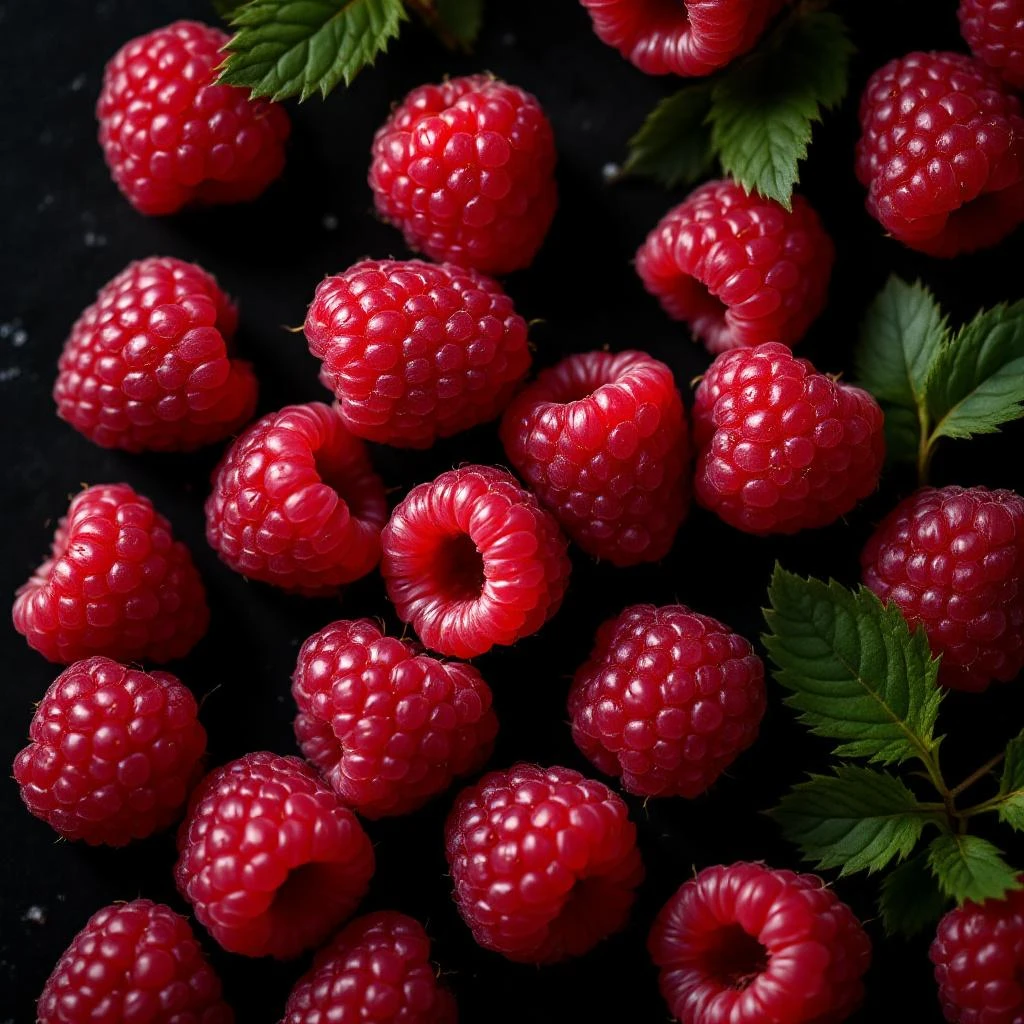
Blackberry Wine
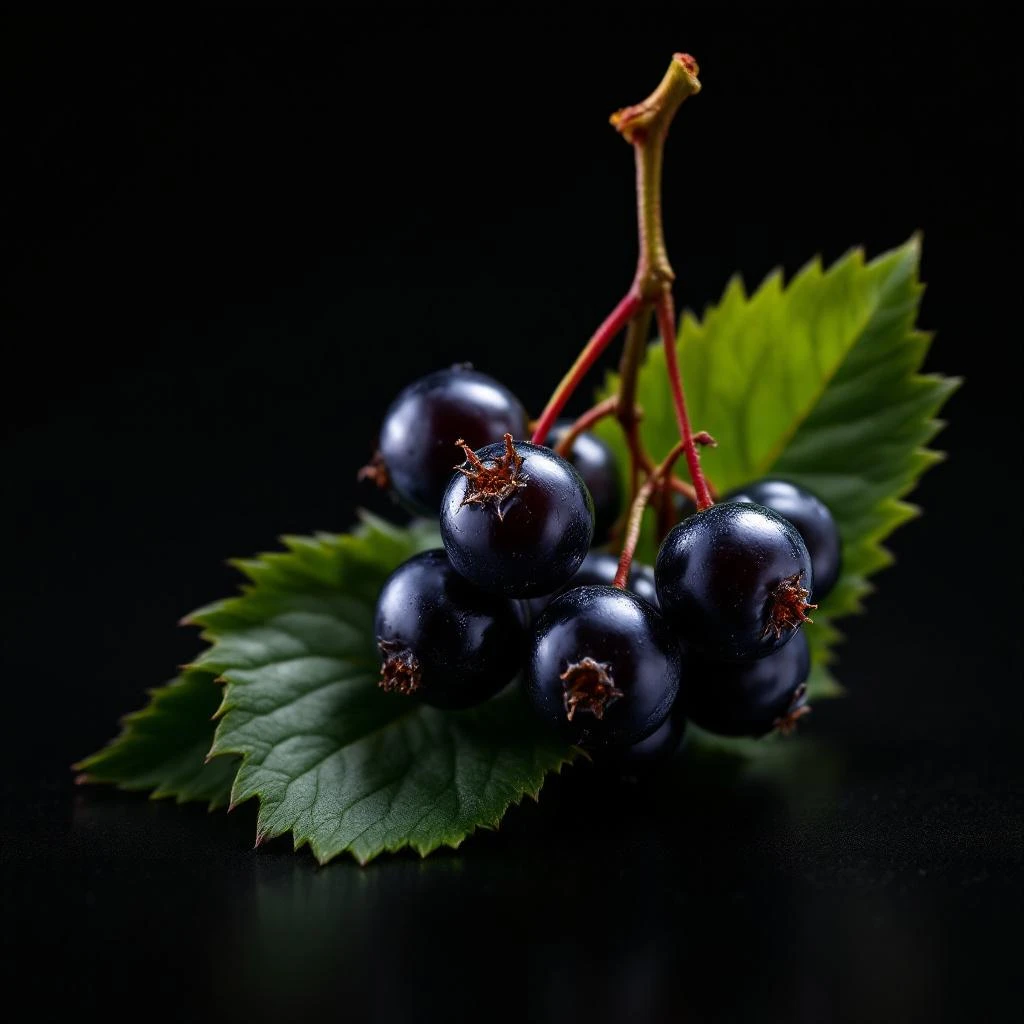
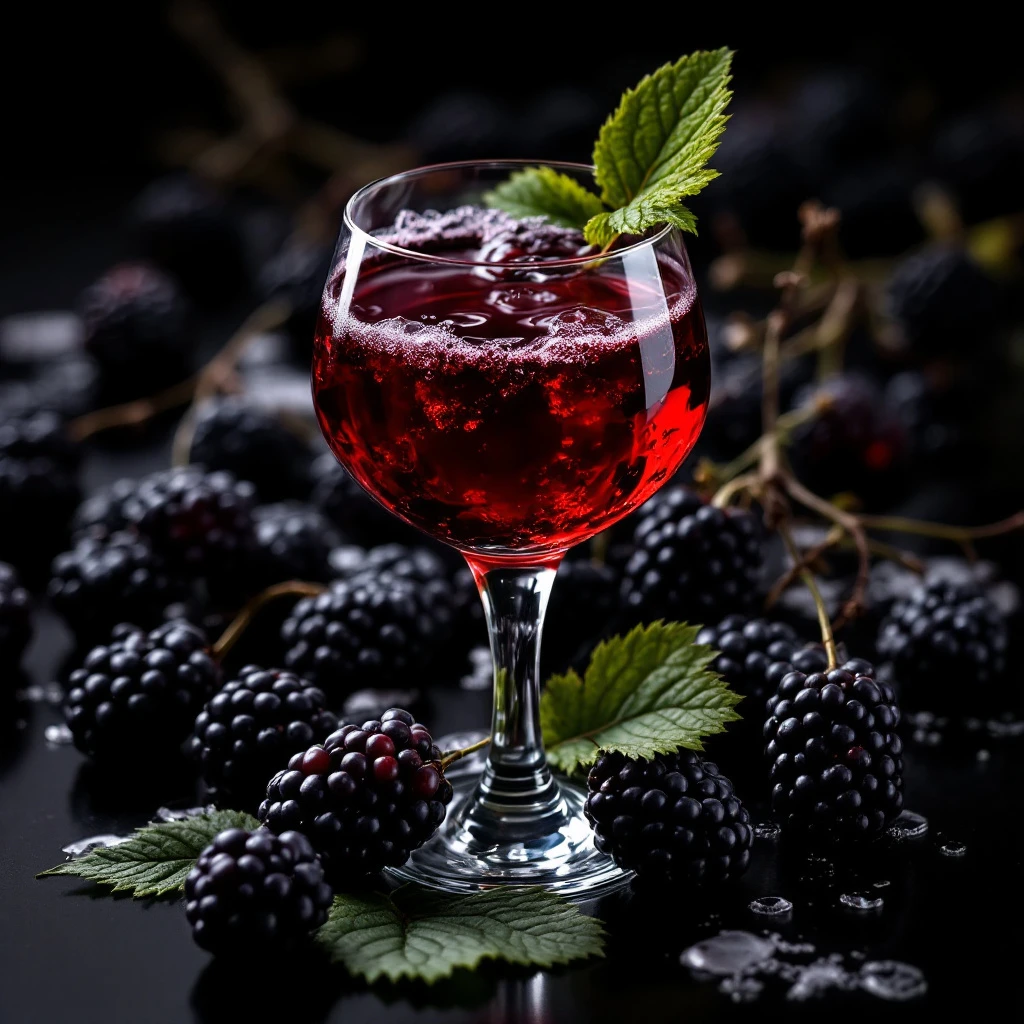
Blackberry Wine captures the fermented, jammy soul of late-summer harvests. This reconstructed accord blends dark berry sweetness with wine's subtle tartness and oak undertones, creating a rich fruity nuance that perfumers value for its complexity and warmth.
Character
How it smells
Fermented berries meet vinous depth.
No natural blackberry essential oil exists. Every blackberry note in perfumery originates from laboratory reconstruction using aromatic molecules that mirror the fruit's scent profile.

Origin
France
The marriage of fruit and wine in perfumery traces back to ancient Mesopotamian traditions, where early perfumers experimented with aromatic oils infused with fermented ingredients around 1200 BCE. However, blackberry wine as a distinct perfumery note emerged only in the twentieth century, when synthetic chemistry enabled perfumers to capture fruit nuances that traditional extraction methods could not provide. Essential oil extraction from blackberry fruit proved impossible due to the fruit's chemical composition, leaving perfumers without a natural source.
The modern perfume industry, which took shape in Paris between 1889 and 1921 with the rise of synthetic fragrance materials, eventually enabled the laboratory reconstruction of blackberry's complex scent profile. Today, reconstructed blackberry wine accords represent a significant achievement in analytical perfumery, where chemists reverse-engineer the fruit's aromatic signature using dozens of individual ingredients.
Wears it best
Fragrances featuring Blackberry Wine
Brands
Brands known for Blackberry Wine
Good to know
Questions, answered
The essentials on Blackberry Wine in perfumery: how it smells, where it comes from, and how it behaves on skin.
Is Blackberry Wine a natural ingredient?
No, blackberry wine is not a natural ingredient. No natural essential oil can be extracted from blackberry fruit, so perfumers reconstruct the note synthetically using aromatic compounds that mirror the fruit's scent profile.
What chemicals create the blackberry wine scent?
Perfumers use dozens of aromatic molecules to reconstruct blackberry wine, including esters for fruity sweetness, aldehydes for depth, and wine-derived compounds for fermented, tannic undertones. The exact composition varies by manufacturer.
How do perfumers create the wine character in this note?
The wine character comes from combining fruity ester compounds with wine-specific aromatic molecules that evoke fermentation, oak aging, and grape-derived acidity. Some formulations incorporate actual wine extracts or distillates.
What fragrances typically use Blackberry Wine?
Blackberry Wine appears in fruity-chypre and gourmand fragrance families. Perfumers use it to add fermented berry depth in women's fragrances and contemporary unisex scents seeking rich, harvest-season character.
Does Blackberry Wine note have good longevity?
Reconstructed blackberry wine notes typically offer moderate longevity of 4-6 hours in fragrance concentrations. The wine elements add some fixative properties, but performance depends on the overall fragrance composition.
What is the origin of blackberry in perfumery?
Blackberry's perfumery journey began in the twentieth century when synthetic chemistry enabled reconstruction. The fruit grows wild across temperate regions including Europe, North America, and Asia, but its chemical makeup prevents direct extraction.
How does terroir affect blackberry wine quality?
Terroir significantly shapes blackberry's natural scent profile, affecting sugar content, acidity, and aromatic compounds. When perfumers incorporate actual wine elements, the origin region's soil, climate, and grape variety influence the final accord.
What does Blackberry Wine smell like?
Blackberry Wine smells like dark, ripe berries with jammy sweetness balanced against wine's fermented tartness and subtle oak tannins. The scent evokes late-summer harvest and vintage wine cellars with rich, complex depth.