Hibiscus Tea
Tart, bright, and unmistakably tropical. Hibiscus brings a floral acidity that few ingredients can match, equally at home in sparkling top notes and deeper heart compositions. Extracted from the calyces of Hibiscus sabdariffa, it delivers a scent that is fruity, floral, and unmistakably alive.
Character
How it smells
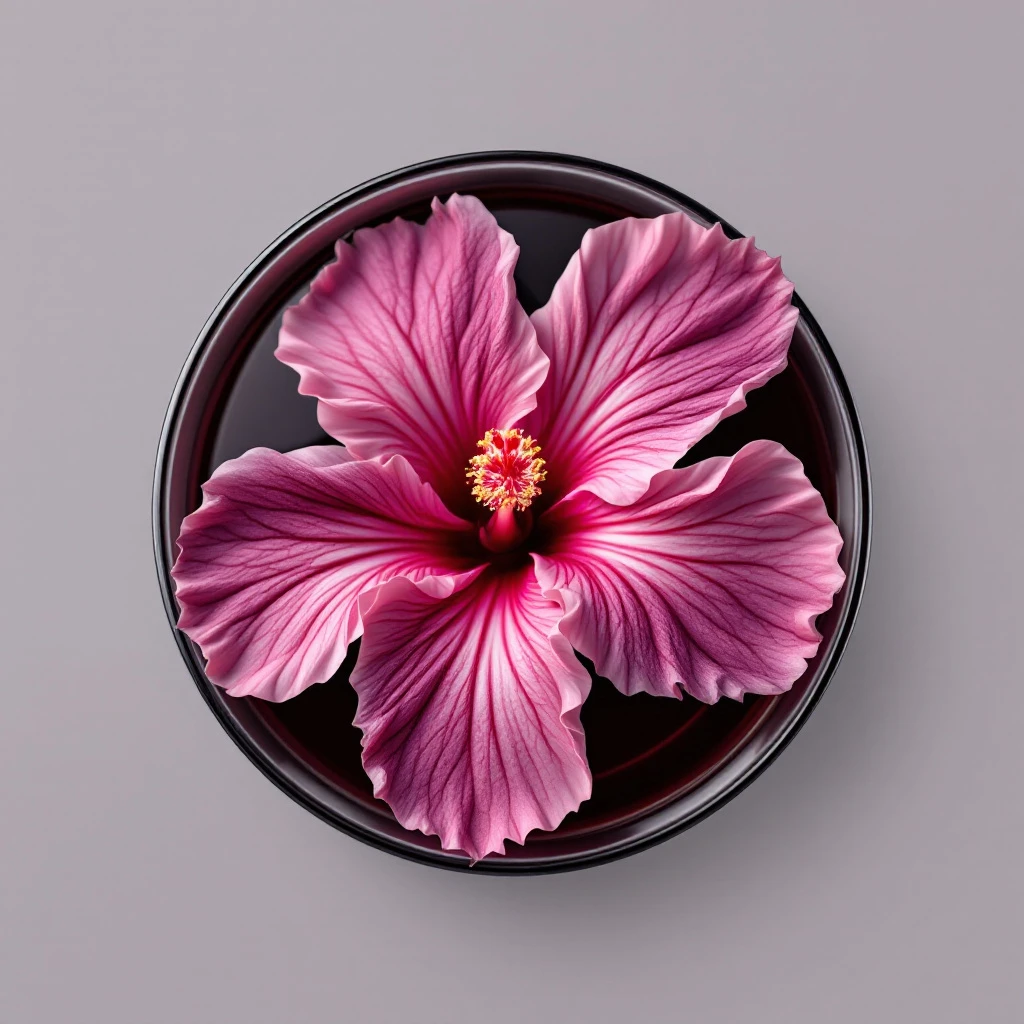
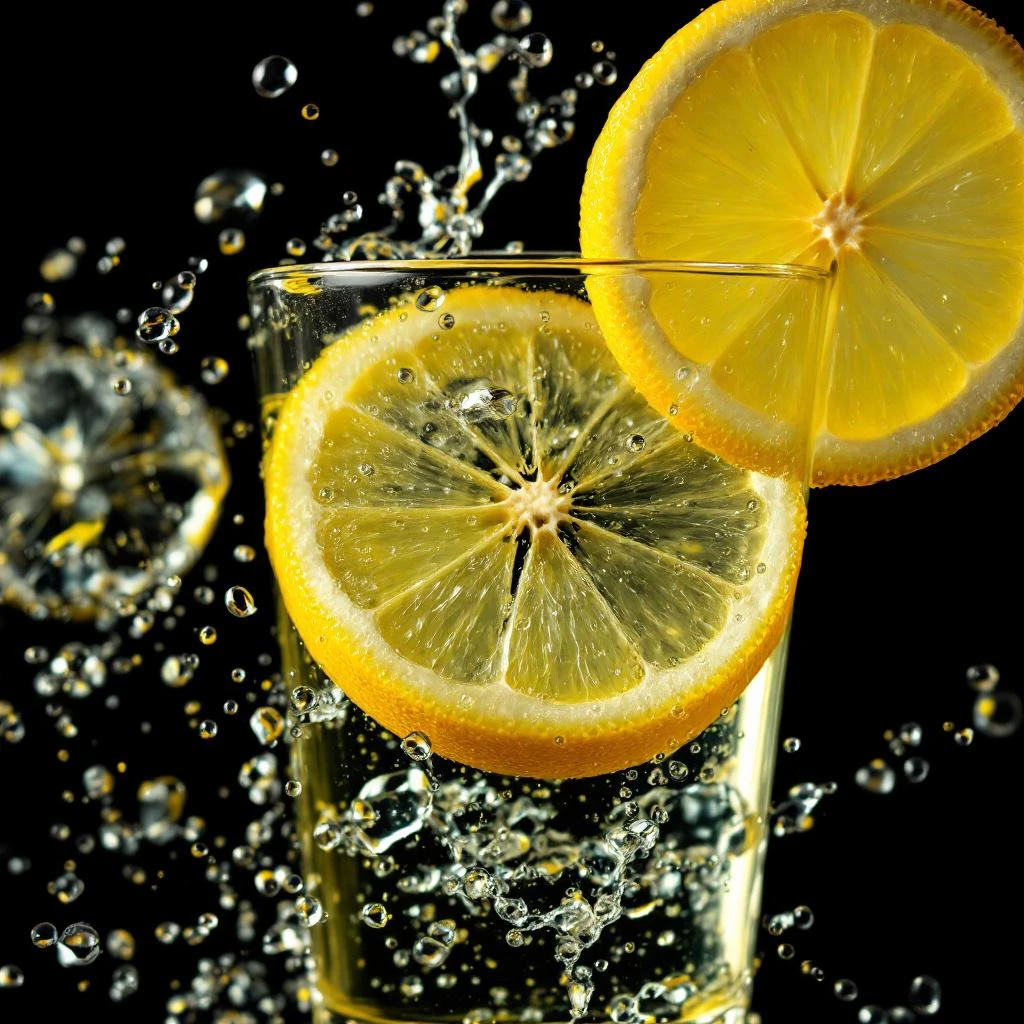
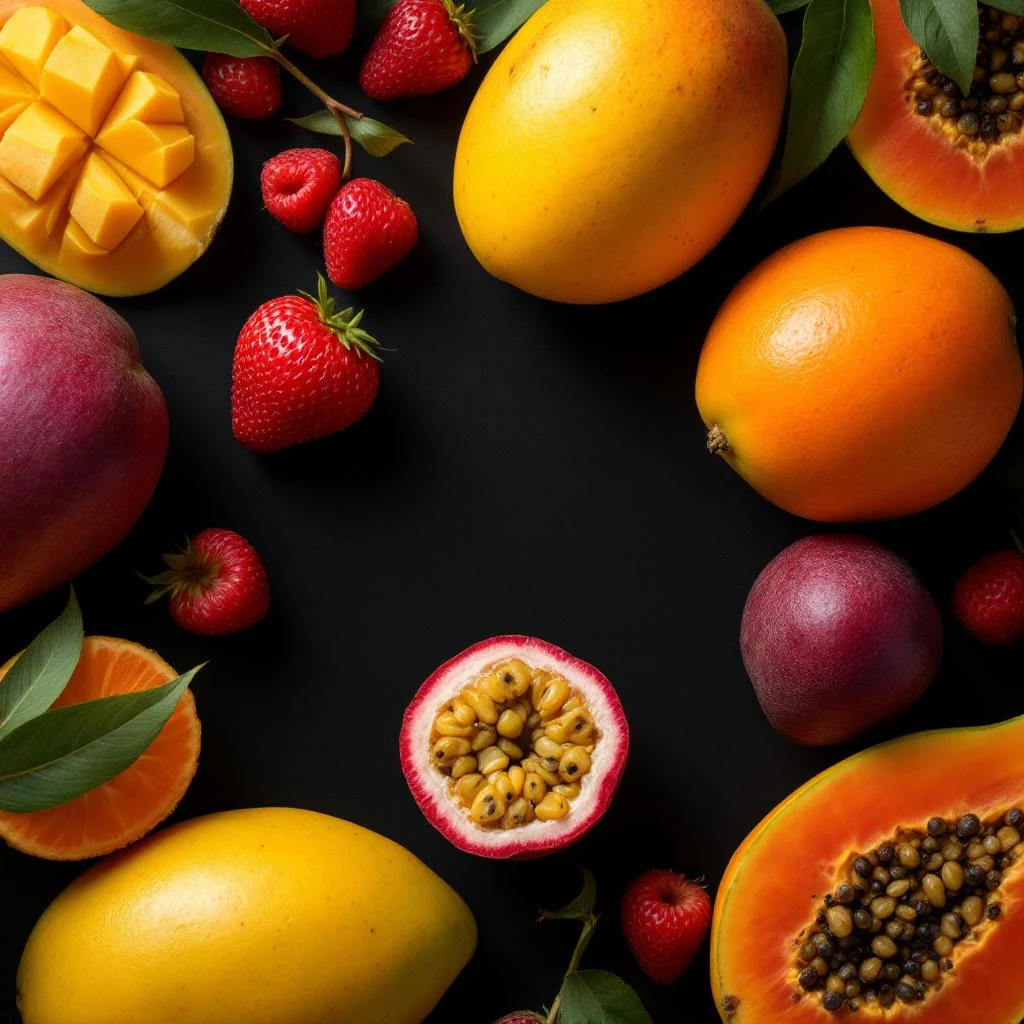
Tart, bright, and tropical: a floral with teeth.
Hibiscus sabdariffa, the species used in perfumery, is a distinct plant from ornamental hibiscus varieties. Its calyces, not petals, hold the prized aromatic compounds.

Origin
Egypt
Hibiscus sabdariffa has deep roots in the Nile Valley, where ancient Egyptians cultivated it for beverages, medicinal preparations, and ceremonial offerings. The Sudanese and Egyptian traditions of brewing hibiscus into bright red infusions predate modern perfumery by centuries. While distillation techniques developed by Persian chemist Ibn Sina spread through the Islamic world around the 11th century, perfumers only began applying hibiscus as a dedicated fragrance ingredient in the late 20th century as extraction methods advanced.
Before that, hibiscus appeared mainly as a decorative motif in perfumery marketing rather than as an actual olfactory component. The shift from folk beverage to perfumery material reflects a broader industry move toward sourcing exotic botanicals from traditional cultivation regions like Egypt and Sudan, where climate and soil produce calyces with particularly concentrated aromatic compounds.
Wears it best
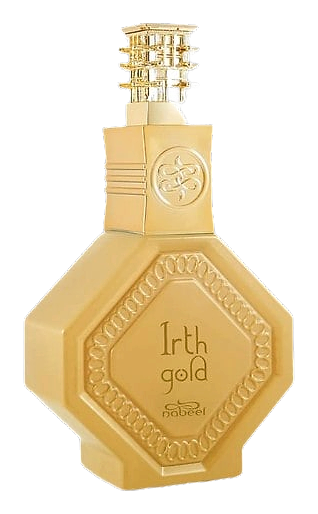
Fragrances featuring Hibiscus Tea
Brands
Brands known for Hibiscus Tea
Good to know
Questions, answered
The essentials on Hibiscus Tea in perfumery: how it smells, where it comes from, and how it behaves on skin.
What does hibiscus smell like in perfumery?
Hibiscus smells tart, bright, and tropical. It combines the acidity of a fresh fruit with lush floral notes, often compared to rose but with a sharper, more effervescent quality that gives fragrances an energetic lift.
How is hibiscus absolute produced for perfumery?
Hibiscus absolute is produced through solvent extraction of dried hibiscus calyces. The calyces are the red cup-like sepals beneath the flower, not the petals themselves. Solvent extraction captures the full tart-floral aromatic profile, yielding a dark, viscous absolute.
Is hibiscus absolute natural or synthetic?
Hibiscus absolute is a natural ingredient extracted from the calyces of Hibiscus sabdariffa. Synthetic versions exist for cost and consistency reasons, but natural extracts retain a more complex aromatic profile that most perfumers prefer.
Where does hibiscus used in perfumery come from?
The primary cultivation regions for Hibiscus sabdariffa used in perfumery are Egypt, Sudan, and parts of Asia. Egyptian hibiscus is particularly prized for its balanced tartness and rich aromatic concentration, shaped by the regional terroir and traditional farming methods.
What fragrance families pair well with hibiscus?
Hibiscus works across fruity, floral, and tropical fragrance families. It pairs naturally with tea accords, bright citruses, deeper florals like rose and jasmine, and warm bases featuring musks or woods. Its tartness also balances sweeter orientals.
What is the difference between hibiscus tea and hibiscus absolute?
Hibiscus tea is a brewed infusion consumed as a beverage, while hibiscus absolute is a concentrated aromatic extract used in perfumery. Both come from the same plant, but perfumers extract the scent through solvent or CO2 methods rather than water infusion.
What is hibiscus absolute used for in fragrance formulations?
Hibiscus absolute functions as a modifier and bridge between fruity and floral notes. It adds lift to top notes, creates a tropical floral heart, and contributes an acidic warmth to base compositions. It reads as both fruit and flower simultaneously.
Why is hibiscus considered unusual in perfumery?
Hibiscus occupies a rare position as an ingredient that crosses between fruity and floral without belonging fully to either category. Its tart, acidic quality is uncommon among natural florals, giving perfumers a tool to add brightness and complexity that most other materials cannot replicate.