Bitter-wood
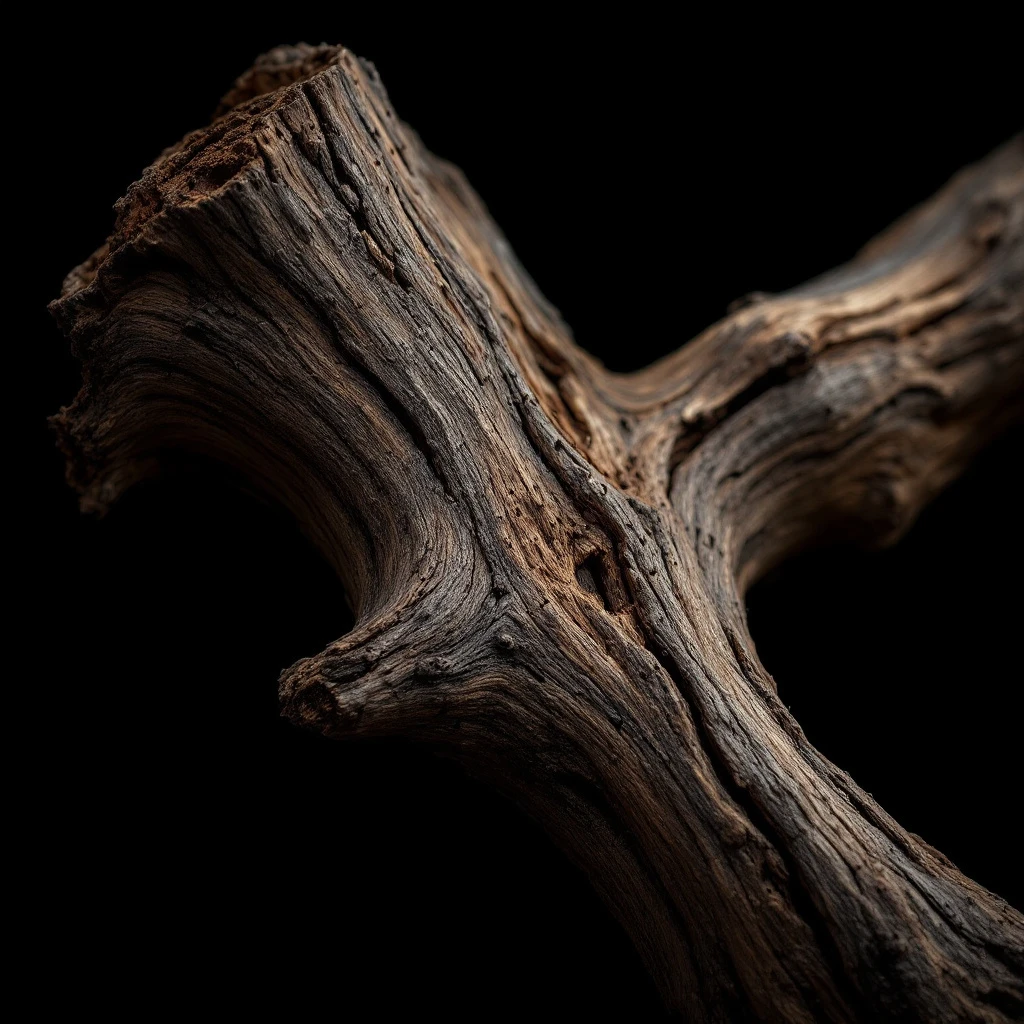
Bitter-wood delivers a sharp, medicinal aroma with smoky undertones and a dry, almost mineral finish. This rare perfumery material brings bitter intensity and structural backbone to compositions seeking depth beyond sweetness.
Character
How it smells
Bitter intensity with smoky resolve
The term bitter-wood refers to several botanically distinct species across tropical regions, yet perfumers prize them for remarkably similar astringent, quinine-like character.
Pairs beautifully with


Origin
Suriname
Indigenous communities in the Caribbean and northern Amazon basin used quassia bark and wood for centuries before European contact, preparing bitter decoctions for digestive ailments and fever. The tree takes its common name from Graman Quassi, an 18th-century healer in Suriname who introduced enslaved Africans and Dutch colonists to its medicinal properties. By the late 1700s, quassia wood had reached European apothecaries, listed in pharmacopoeias as a digestive tonic and antiperiodic treatment for malaria-like fevers.
Its intensely bitter principle, isolated and named quassin in 1835, became one of the reference standards for measuring bitterness in pharmacological research. In perfumery, bitter-wood entered compositions during the 19th century when herbal and medicinal accords gained popularity. Contemporary perfumers value it for adding bitter counterpoints to gourmand and floral structures, creating tension that prevents sweetness from becoming cloying.
The material remains relatively uncommon in mainstream fragrance, appearing more frequently in artistic and niche compositions.
Wears it best
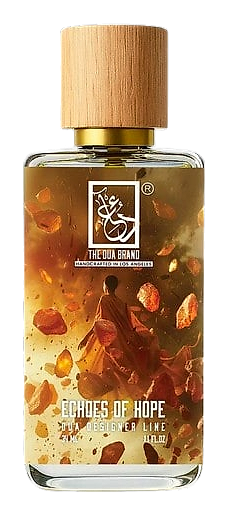
Fragrances featuring Bitter-wood
Brands
Brands known for Bitter-wood
Good to know
Questions, answered
The essentials on Bitter-wood in perfumery: how it smells, where it comes from, and how it behaves on skin.
What does bitter-wood smell like in perfumery?
Bitter-wood presents a sharp, dry aroma with medicinal bitterness and subtle smoky undertones. It contributes an astringent, almost quinine-like quality that adds structural contrast to sweeter fragrance components.
Is bitter-wood a natural or synthetic ingredient?
Bitter-wood is sourced naturally from quassia tree species in the Simaroubaceae family. Steam distillation of the heartwood yields the essential oil, though some modern compositions use isolated quassin compounds for consistency.
Which trees produce bitter-wood used in fragrance?
Quassia amara and Picrasma excelsa are the primary species. Both belong to the Simaroubaceae family and grow throughout tropical regions of the Caribbean and northern South America.
When was bitter-wood first used in perfumery?
Bitter-wood entered European fragrance compositions during the 19th century alongside growing interest in herbal and medicinal accords. Its earlier use centered on pharmaceutical applications dating to the 1700s.
Why do perfumers use bitter-wood in compositions?
Perfumers add bitter-wood to create tension and prevent sweetness from becoming cloying. Its astringent character balances gourmand, floral, and oriental structures, adding sophistication to otherwise simple formulas.
How is bitter-wood essential oil produced?
Producers chip the heartwood into small fragments, then subject the material to steam distillation. Yields are relatively low, requiring substantial wood volumes to produce modest quantities of the intensely bitter oil.
Is bitter-wood sustainable to harvest?
Sustainability varies by source. Wild populations face pressure from deforestation, but managed plantations in Suriname and Guyana now supply much commercial demand. Certification programs help track responsibly harvested material.
What fragrances commonly feature bitter-wood?
Bitter-wood appears more frequently in niche and artistic perfumery than mainstream releases. Its inclusion signals sophisticated bitter-aromatic constructions that draw on apothecary traditions and herbal complexity.




