Benzyl Salicylate
Benzyl salicylate is a synthetic ester that acts as a versatile blender, soft floralizer, and fixative in perfumery. Its gentle, balsamic-floral character makes it a quiet workhorse in countless fragrance formulations.
Character
How it smells
The quiet backbone of modern florals.
It also absorbs UV light, giving it a second life in sunscreen formulations.







Origin
Germany
Benzyl salicylate rose to prominence during the great expansion of synthetic aromatics between 1880 and 1900. As perfume houses began incorporating artificial aroma chemicals alongside naturals, chemists discovered that combining benzyl alcohol with salicylic acid derivatives produced a material with remarkable blending properties. Its subtle, balsamic-floral character allowed it to soften and unify fragrance compositions without imposing its own identity.
By the early 20th century, benzyl salicylate had become a foundational fixative in countless commercial fragrances. Its longevity and versatility helped shape the modern fragrance industry, where it remains one of the most frequently reported ingredients in cosmetic formulations worldwide.
Wears it best
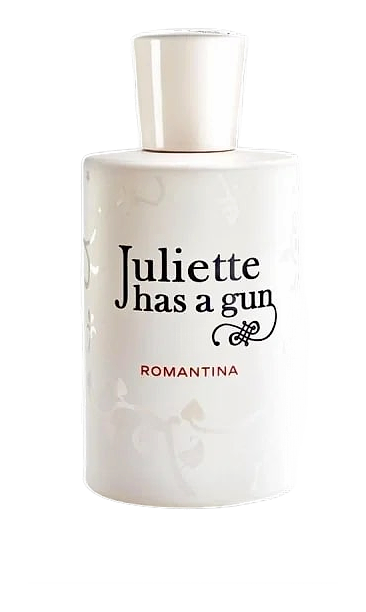
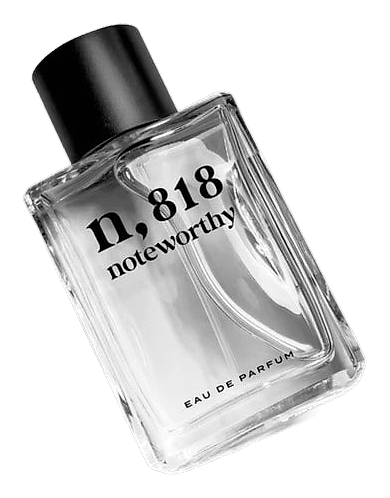
Fragrances featuring Benzyl Salicylate
Brands
Brands known for Benzyl Salicylate
Good to know
Questions, answered
The essentials on Benzyl Salicylate in perfumery: how it smells, where it comes from, and how it behaves on skin.
What does benzyl salicylate smell like?
Benzyl salicylate has a very faint, soft floral odor with a subtle balsamic quality. It does not dominate a fragrance. Instead, it lifts and rounds floral notes while providing a quiet, powdery warmth that most wearers never consciously detect.
Why do perfumers use benzyl salicylate?
Perfumers use benzyl salicylate primarily as a fixative and blender. It slows the evaporation of more volatile top and heart notes, extends a fragrance's longevity on skin, and softens any harsh edges in a formula, creating a smoother, more cohesive composition.
Is benzyl salicylate natural or synthetic?
Benzyl salicylate is a synthetic ester. It does not occur naturally in significant quantities. Perfumers create it by combining benzyl alcohol with salicylic acid through controlled chemical synthesis, a process that became common during the late 19th-century rise of synthetic perfumery.
How many products contain benzyl salicylate?
According to FDA VCRP data from 2019, benzyl salicylate appears in approximately 3,079 reported cosmetic and fragrance formulations. This makes it one of the most widely used fragrance ingredients in the industry, appearing across perfumes, skincare, and household products.
What is the chemical structure of benzyl salicylate?
Benzyl salicylate is an ester formed from benzyl alcohol and salicylic acid. Its ester functional group gives it a moderate molecular weight that contributes to its fixative properties, allowing it to remain on skin longer than lighter volatile compounds.
Does benzyl salicylate have uses beyond fragrance?
Yes. Beyond perfumery, benzyl salicylate functions as a UV absorber in cosmetic formulations. This dual utility means the same compound that extends fragrance longevity also helps protect skincare and sunscreen products from UV-induced degradation.
Is benzyl salicylate safe to use in perfume?
Major fragrance safety evaluations, including IFRA and SCCS assessments, confirm benzyl salicylate is safe for use in fragrance at standard concentrations. It is one of the most thoroughly reviewed fragrance materials, with established usage limits to protect sensitive skin.
What fragrance families use benzyl salicylate?
Benzyl salicylate appears across multiple fragrance families, particularly florals, chypres, and oriental bases. Its gentle character makes it especially useful in fine florals, where it amplifies rose, jasmine, and ylang-ylang notes without adding detectable aroma of its own.
In the same family