Benzyl Alcohol
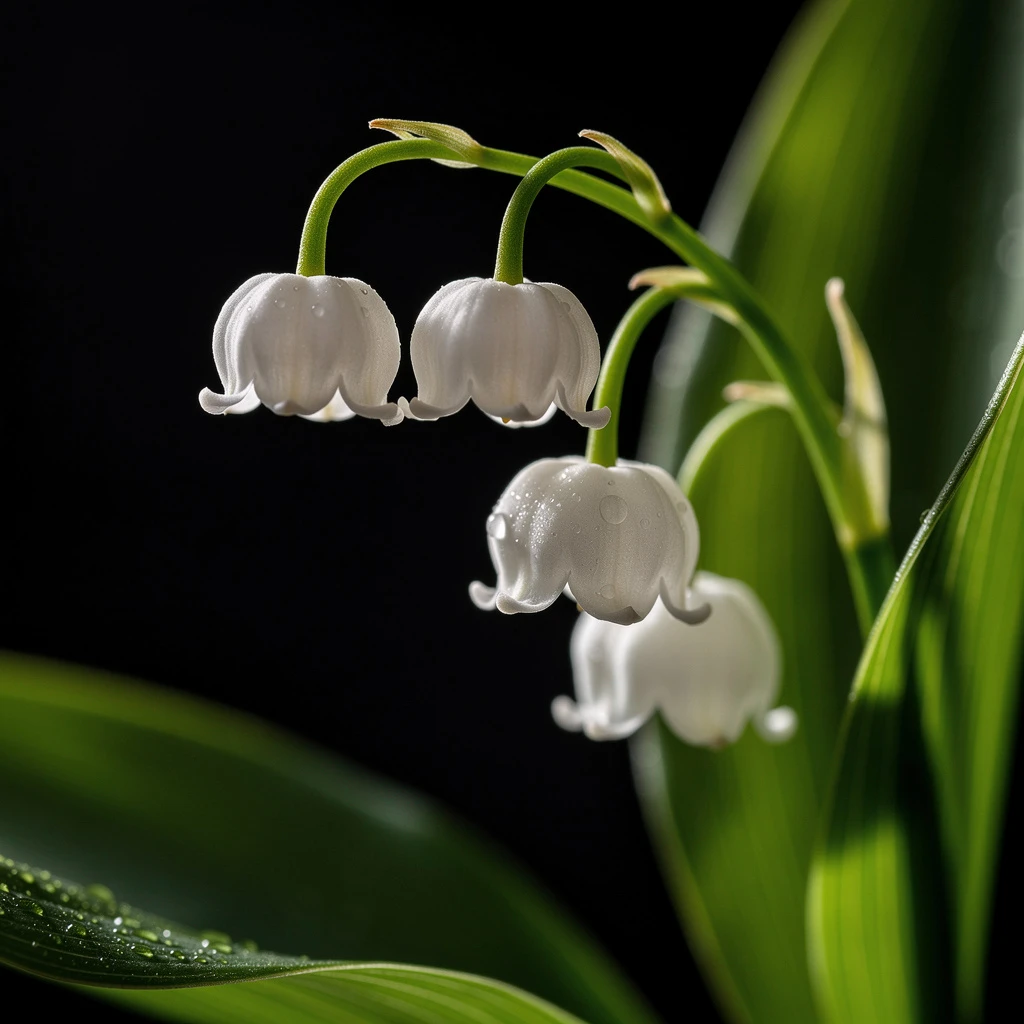
Benzyl alcohol bridges the natural and synthetic worlds of perfumery. This primary alcohol appears in jasmine and ylang-ylang, yet chemists produce it commercially from petrochemical sources, making it one of the industry's most versatile and accessible materials.
Character
How it smells
The invisible workhorse of modern perfumery.
Benzyl alcohol does double duty: it carries fragrance and preserves formulas, acting as both carrier and guardian in the same molecule.

Origin
United States of America
The aromatic properties of benzyl alcohol entered scientific literature in the early 19th century, though perfumers had likely encountered it indirectly through natural absolutes for centuries before its isolation. The compound earned systematic attention when chemists began mapping the molecular architecture of fragrance materials during the 1850s and 1860s. Its practical value in perfumery crystallized in the 20th century as the industry scaled up synthetic chemistry.
By mid-century, benzyl alcohol had become a standard fixative and solvent in mass-market and luxury fragrances alike, appreciated for its ability to stabilize delicate floral accord without contributing noticeable odor of its own. Today it remains one of the most widely used aromatic chemicals in the world, appearing in formulations from artisanal eaux de parfum to household cleaning products.
Wears it best
Fragrances featuring Benzyl Alcohol
Brands
Brands known for Benzyl Alcohol
Good to know
Questions, answered
The essentials on Benzyl Alcohol in perfumery: how it smells, where it comes from, and how it behaves on skin.
What does benzyl alcohol smell like?
In its pure form it carries a faint, mild scent described as slightly sweet with subtle bitter notes. In perfumery it functions as a carrier rather than a character note, so you perceive it most often as the backbone that holds other materials in place.
Is benzyl alcohol natural or synthetic?
It exists in both forms. Benzyl alcohol occurs naturally in jasmine, ylang-ylang, and several resins. Commercially it is often synthesized from petrochemical derivatives, producing a molecule chemically identical to the natural version.
What role does benzyl alcohol play in fragrances?
It serves primarily as a fixative and solvent. Perfumers use it to dissolve crystalline aroma chemicals like musks that resist standard alcohol carriers, and to stabilize volatile top notes so they linger longer on the skin.
How long has benzyl alcohol been used in perfumery?
Fragrance chemists identified the compound in the 19th century, but perfumers had encountered it indirectly through natural absolutes for generations before its isolated form entered commercial production in the early 20th century.
Can benzyl alcohol be derived from renewable sources?
Yes. Biotech fermentation processes now produce benzyl alcohol through enzymatic conversion of natural feedstocks, offering a renewable alternative to traditional petrochemical synthesis.
Is benzyl alcohol regulated in the fragrance industry?
It is one of the most thoroughly evaluated fragrance ingredients available. The International Fragrance Association confirms its safe use within specified concentration limits, and EU scientific bodies have assessed its profile extensively.
Which fragrance families use benzyl alcohol most?
It appears across floral, oriental, and woody compositions as a supporting material. Perfumers rely on it heavily in jasmine, rose, and ylang-ylang bases where it helps blend volatile floral notes with heavier fixatives.
Does benzyl alcohol contribute to the final scent profile?
Only in trace amounts at typical usage levels. Its main contribution is structural rather than olfactory: it helps crystalline materials dissolve properly and extends the wear time of the fragrance on skin.
In the same family