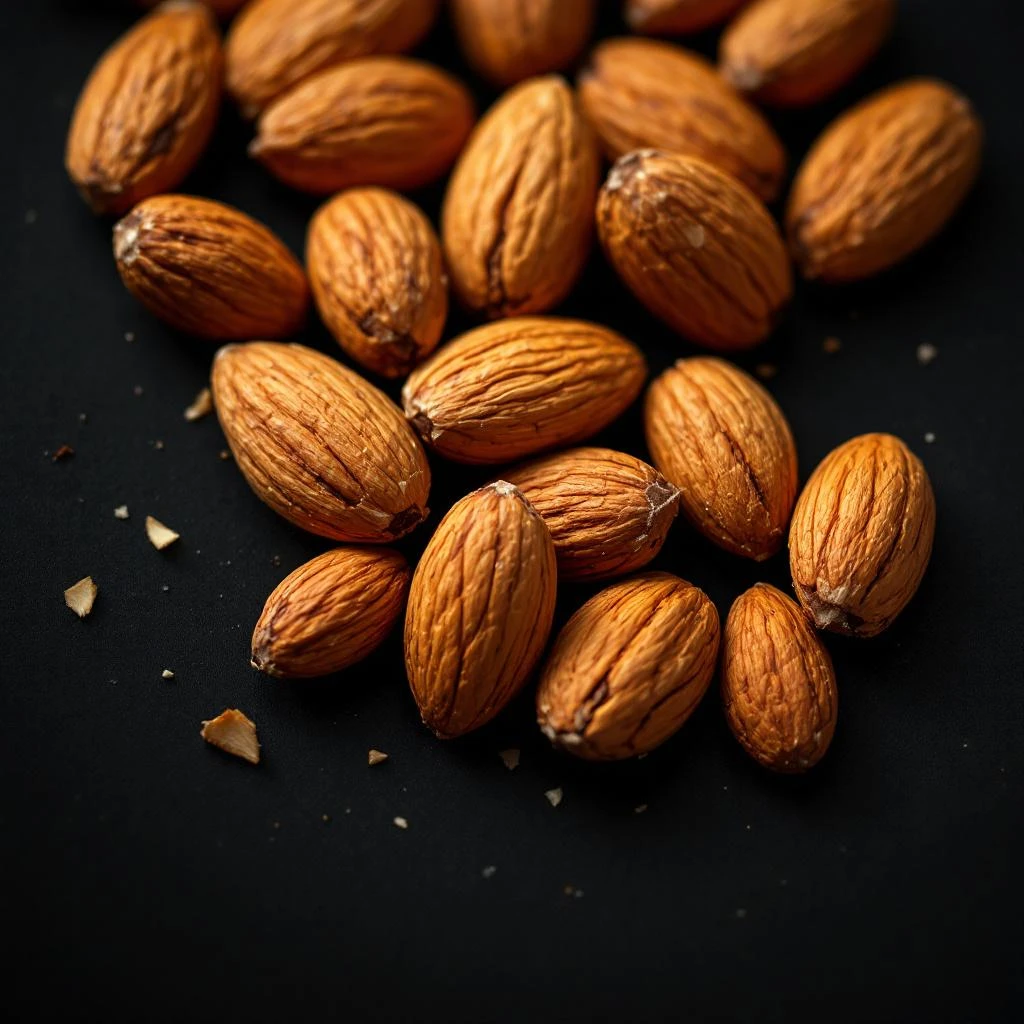
Belgian Dark Chocolate
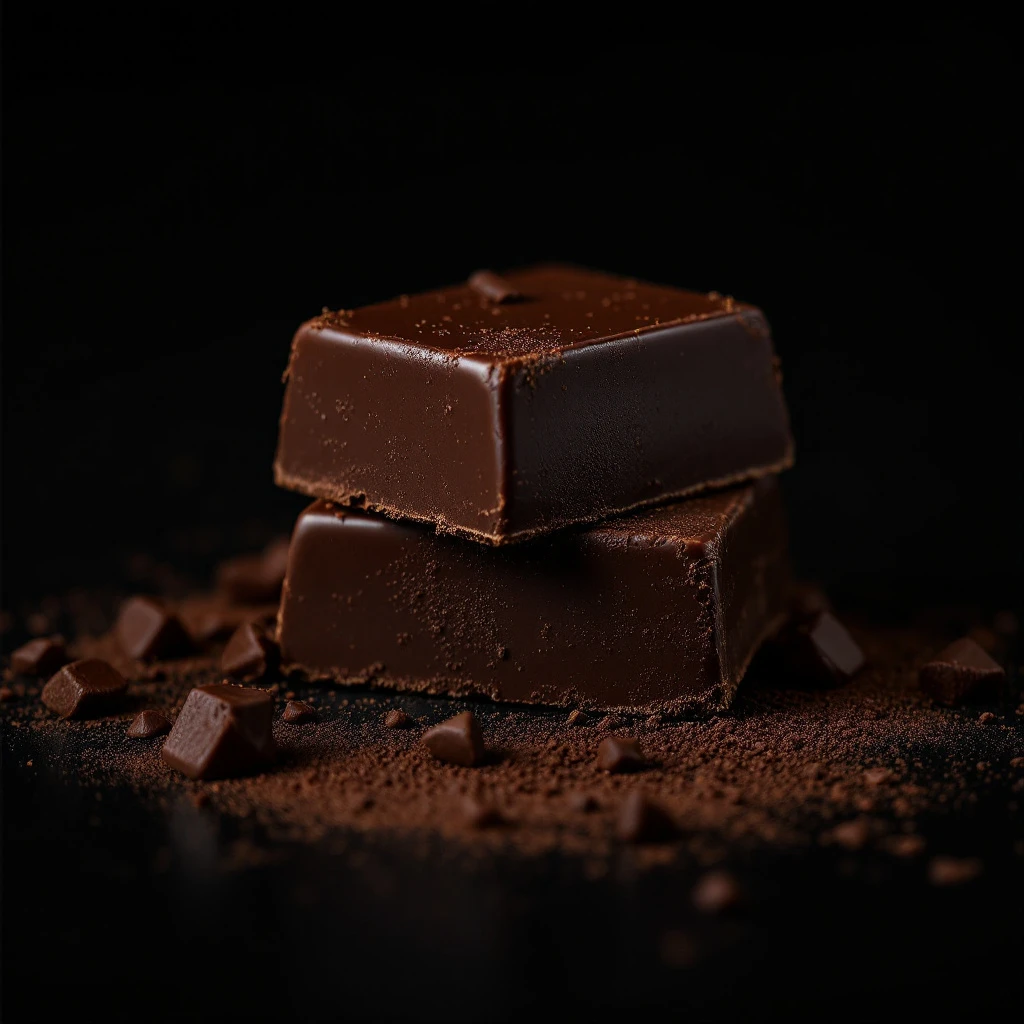
Rich and complex, Belgian dark chocolate delivers an intensely bitter-sweet cacao experience that anchors oriental and Gourmand fragrances with unmistakable warmth and depth.
Character
How it smells
Intense. Velvety. Unforgettably decadent.
The Aztecs valued cacao so highly they used the beans as official currency, exchanging them for goods, services, and even human sacrifices.



Origin
Belgium
Cacao traces its roots to the rainforests of Mesoamerica, where the Maya and later the Aztec civilizations cultivated Theobroma cacao as a sacred crop. They prepared xocolatl, a bitter beverage flavored with vanilla and chili, reserved for royalty and religious ceremonies.
Spanish conquistadors introduced cacao to Europe in the 16th century, initially as a bitter medicinal drink. When Belgian traders gained access to colonial cacao sources in the 19th century, they refined processing techniques that would define premium chocolate worldwide.
Today, Belgium processes roughly 400,000 tonnes of cocoa beans annually, maintaining its reputation as the world's chocolate capital. The Belgian dark chocolate tradition, built on centuries of expertise and access to fine cacao, produces the intensely flavored, high-cocoa products that perfumers use to create some of the most memorable Gourmand fragrances.
Wears it best
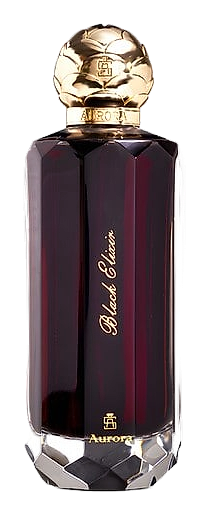
Fragrances featuring Belgian Dark Chocolate
Brands
Brands known for Belgian Dark Chocolate
Good to know
Questions, answered
The essentials on Belgian Dark Chocolate in perfumery: how it smells, where it comes from, and how it behaves on skin.
What does Belgian dark chocolate smell like in a fragrance?
Belgian dark chocolate in perfume smells intensely bitter-sweet with warm, roasted, and slightly nutty undertones. The high cocoa solid content creates a rich, velvety depth that lingers on the skin for hours. It often features subtle notes of dried fruit and earthiness, making it far more complex than standard chocolate flavors.
Is Belgian dark chocolate a natural or synthetic ingredient in perfumery?
It is a natural ingredient derived from cacao beans, but with important distinctions. While the cacao itself is plant-based, modern perfumery often uses nature-identical aroma molecules that replicate chocolate's key scent compounds. Both forms are considered natural in perfumery classification because they originate from real cacao chemistry.
Which fragrance families commonly use Belgian dark chocolate notes?
Oriental and Gourmand families most frequently feature Belgian dark chocolate. It appears in womenswear fragrances like Tom Ford Black Orchid and menswear options such as Dior Fahrenheit. Chypre and leather fragrances also incorporate chocolate for its warmth and depth. The note bridges the gap between sweet and dark, making it surprisingly versatile.
What role does fermentation play in chocolate's scent profile?
Fermentation is essential for developing chocolate's characteristic aroma. Cacao beans undergo five to seven days of fermentation, during which microbial activity breaks down pulp sugars and triggers enzymatic reactions. These reactions produce the precursor compounds that roasting later transforms into chocolate's signature scent, color, and flavor complexity.
What distinguishes Belgian dark chocolate from other chocolate notes in perfumery?
Belgian chocolatiers maintain exceptionally high standards for cocoa solid content, typically above 70 percent, with minimal dairy fat. This produces an intense, complex bitterness that distinguishes it from sweeter chocolate variations. Belgian chocolate also benefits from centuries of refining techniques, resulting in a cleaner, more refined aroma that translates elegantly into fragrance.
Which aroma compounds give chocolate its distinctive fragrance?
Chocolate's scent comes from dozens of volatile compounds. Key contributors include vanillin, which provides sweet, creamy undertones, and phenylethyl alcohol, adding floral honey notes. Pyrazines contribute roasted, nutty character, while aldehydes add depth and complexity. Theobromine, though more associated with flavor, reinforces chocolate's characteristic bitterness.
How does Belgian dark chocolate evolve during the fragrance dry-down?
Chocolate notes typically bloom as top notes dissipate, revealing deeper dimensions over two to four hours. Belgian dark chocolate starts as a sharp, bitter cacao impression that gradually softens into warm, sweet undertones. On dry skin, it settles into a long-lasting, powdery cocoa warmth that can remain detectable for six or more hours.
What ingredients pair well with Belgian dark chocolate in fragrance formulations?
Vanilla amplifies chocolate's sweetness and creaminess, while spices like cardamom and pink pepper add warmth and modernity. Patchouli and amber create darker, more intense compositions. Rose and iris introduce contrast through powdery florality. Coffee, rum, and tobacco are also classic companions that reinforce chocolate's rich, indulgent character.