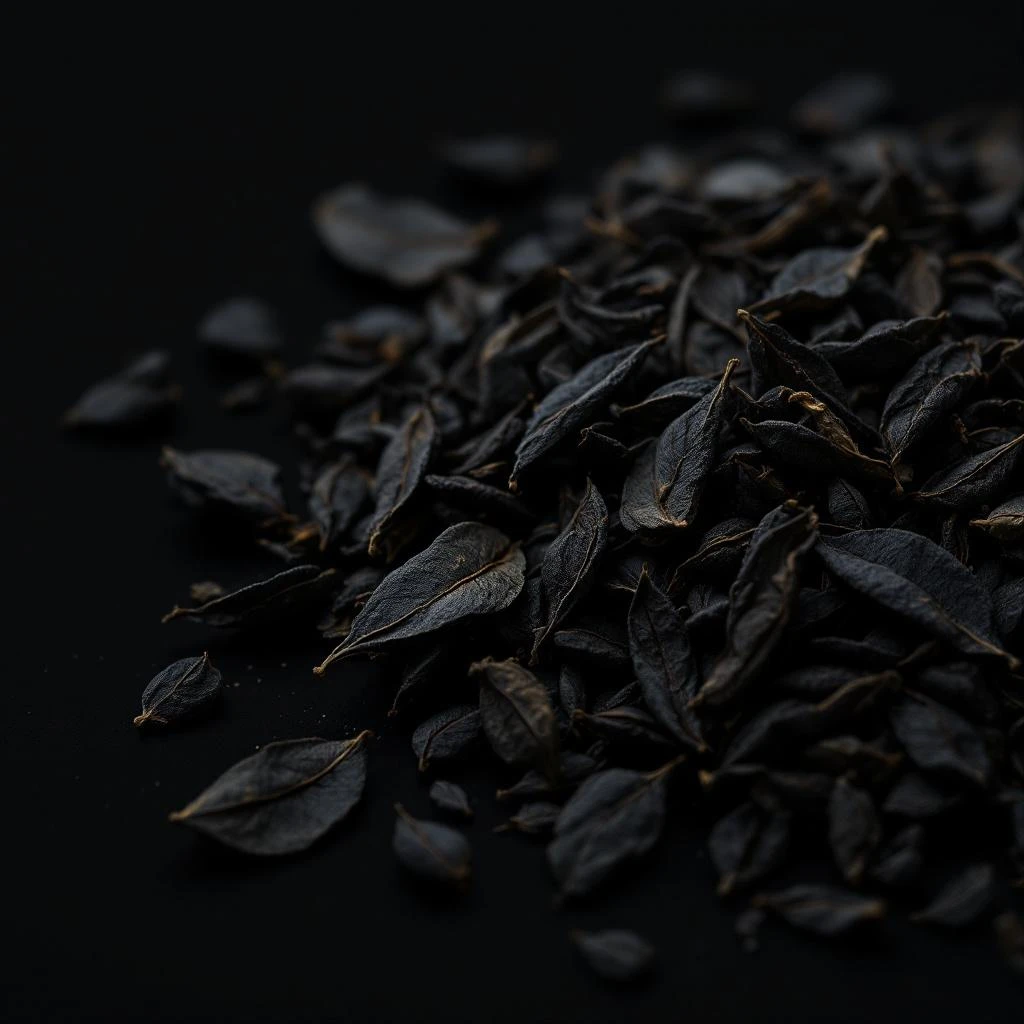
Behini Tree
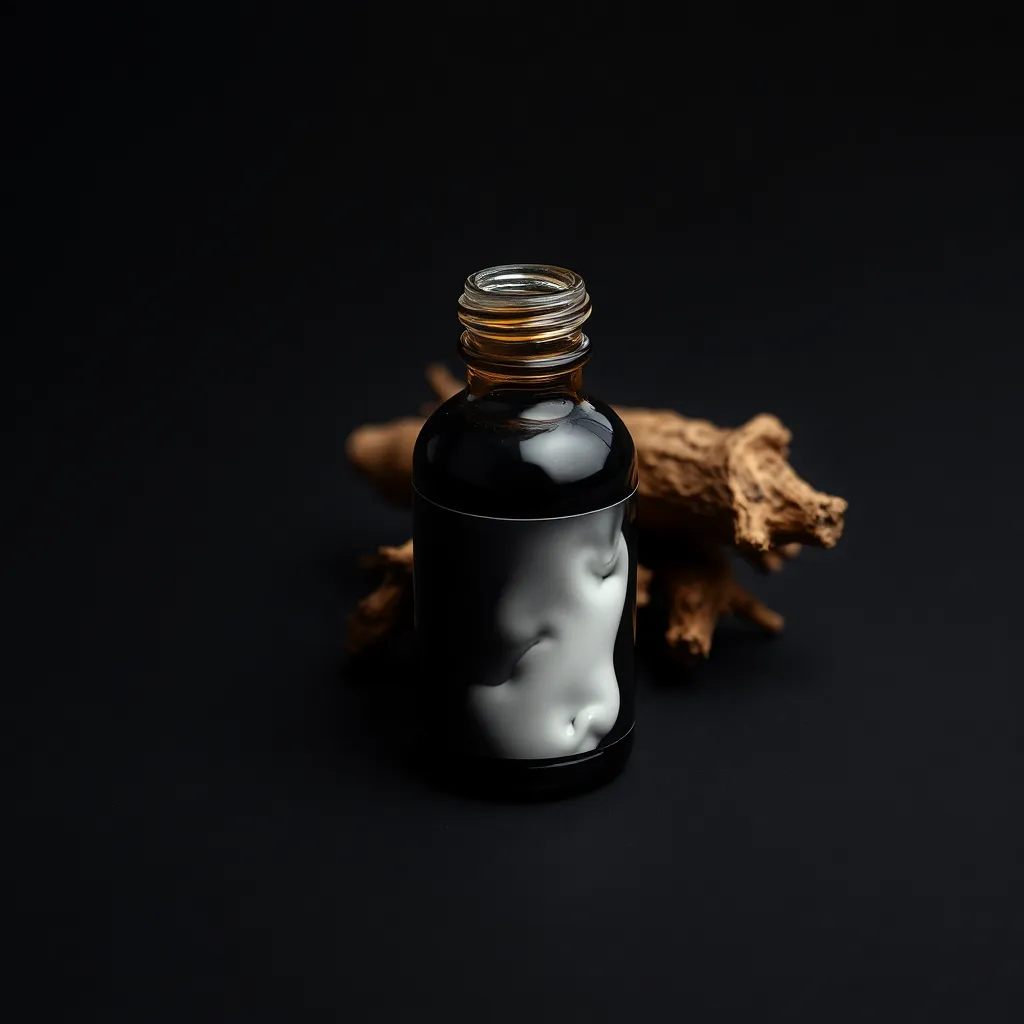
Ben oil, pressed from the seeds of the Behen tree, powered ancient Egyptian perfumery and endures as a rare carrier oil prized for its exceptional stability and skin-affinity.
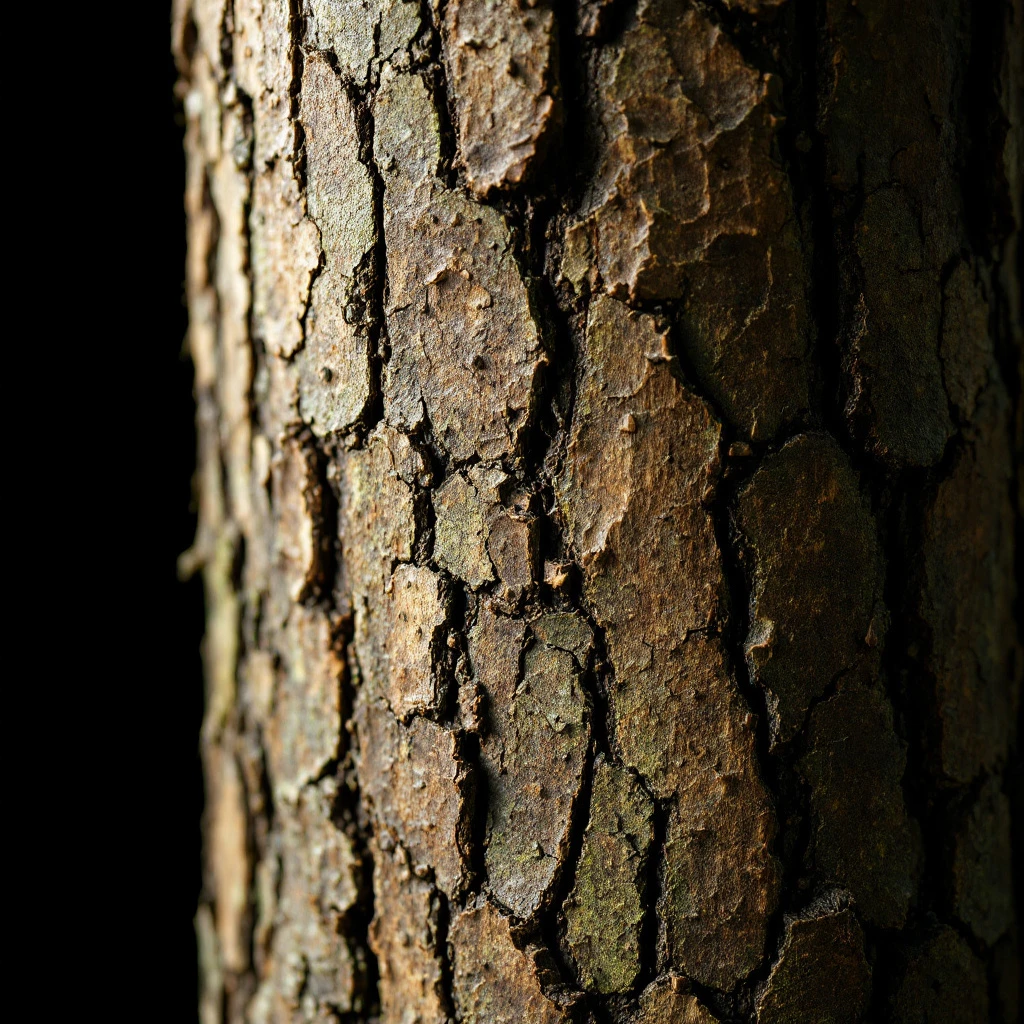
Character
How it smells
Ancient Egypt's forgotten perfumery secret.
The Ebers Papyrus lists ben oil in over 100 medicinal and cosmetic formulas, making it one of antiquity's most documented ingredients.



Origin
India
The Behen tree earned its name from the Arabic term 'behn,' meaning 'sacred,' reflecting the reverence ancient cultures held for this botanical. Egyptian perfumers working in workshops along the Nile selected ben oil as their primary carrier not for its scent but for its remarkable resistance to oxidation and its ability to penetrate skin deeply.
The Ebers Papyrus, dating to approximately 1550 BCE, documents ben oil appearing in formulas for wound treatments, skin balms, and fragrant unguents prepared for pharaohs and priests. Trade routes carried ben oil throughout the Mediterranean, where Greek and Roman physicians documented its uses in medical texts.
The oil remained a staple of Eastern perfumery traditions through the medieval period before gradually fading from Western formulations as synthetic alternatives emerged. Contemporary natural perfumers have revived interest in ben oil, recognizing its stability and skin-compatibility as qualities modern carriers rarely match.
Wears it best
Fragrances featuring Behini Tree
Brands
Brands known for Behini Tree
Good to know
Questions, answered
The essentials on Behini Tree in perfumery: how it smells, where it comes from, and how it behaves on skin.
What is ben oil and where does it come from?
Ben oil comes from the seeds of the Behen tree (Moringa oleifera), native to India. Egyptian perfumers used it as a carrier oil over 3,500 years ago.
Why was ben oil important to ancient Egyptian perfumery?
Ben oil served as the primary carrier oil for Egyptian fragrance makers due to its exceptional stability and skin-penetrating properties, documented in the Ebers Papyrus (c. 1550 BCE).
How is ben oil produced today?
Producers extract ben oil through cold pressing the seeds of Moringa oleifera at temperatures below 40 degrees Celsius to preserve its quality and aromatic profile.
What does ben oil smell like?
Ben oil has a faint, nutty aroma that dissipates rapidly when used as a carrier oil, leaving no trace on the fragrance composition.
What makes ben oil special compared to modern carrier oils?
Ben oil resists oxidation more effectively than most natural carrier oils, extending the shelf life of fragrance formulations without synthetic preservatives.
Which parts of the Behen tree are used in perfumery?
Perfumers use only the seeds of the Behen tree, which contain approximately 35-40 percent oil by weight.
Where is the Behen tree grown commercially?
While native to India, the Behen tree now grows throughout tropical regions including Africa, Southeast Asia, and the Caribbean.
Is ben oil still used in contemporary perfumery?
Natural and niche perfumers increasingly incorporate ben oil as a carrier due to its stability, skin affinity, and connection to historical perfumery traditions.