Begonia
A whisper of green, begonia lends perfumery a delicate watery facet. Its fleeting floralcy carries faint cucumber coolness and dewy stems, brightening compositions without dominating them.
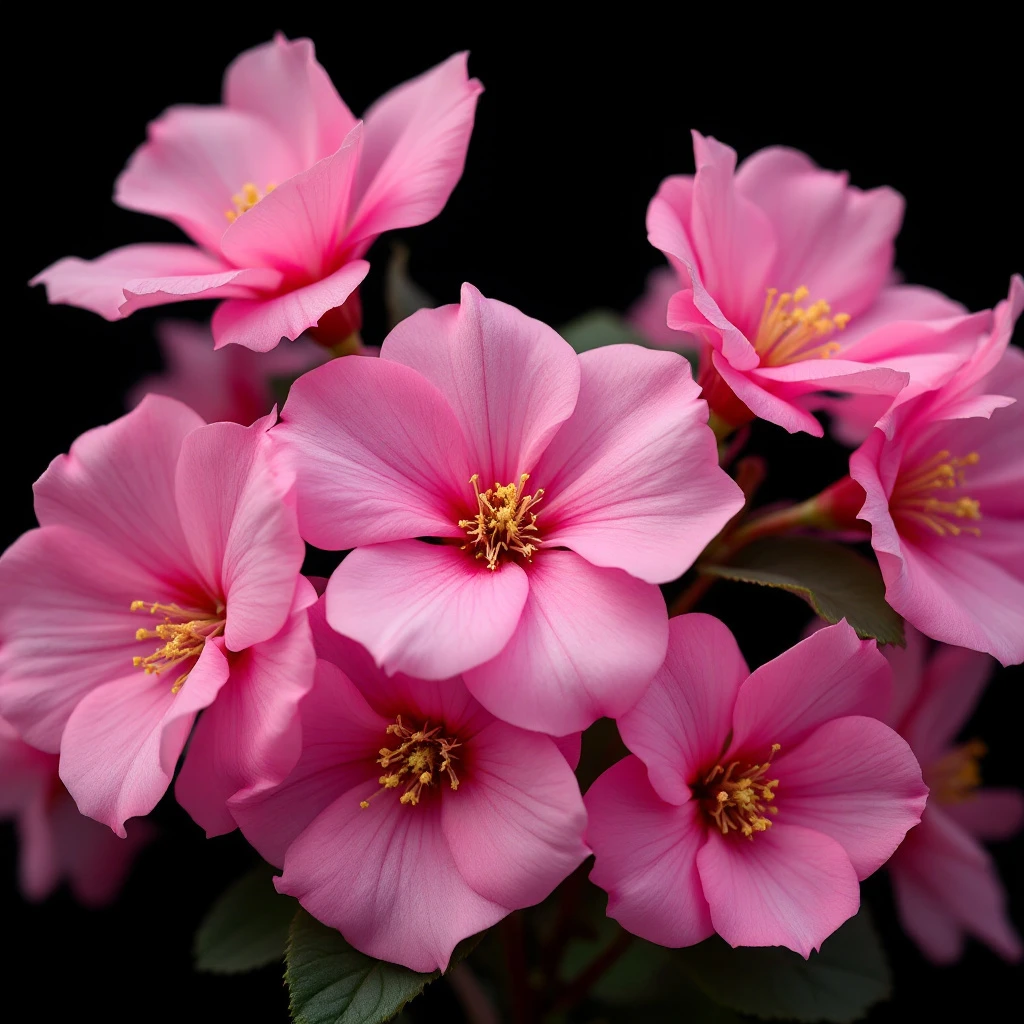
Character
How it smells
Green dew on a leaf that never fully opens
Begonia produces almost no natural essential oil, so nearly every begonia note in perfumery is a reconstructed accord built from aroma chemicals.
Pairs beautifully with


Origin
Brazil
Begonia entered European consciousness in the late 17th century when French botanist Charles Plumier named the genus after Michel Bégon, a colonial administrator in Saint-Domingue. The plants had been catalogued across South America and the Caribbean long before that, cultivated by indigenous peoples for food and folk medicine. Tuberous and fibrous-rooted species spread rapidly through Victorian glasshouses, prized for ornamental foliage as much as flower colour.
Their entry into perfumery came later, quietly, during the 20th century as green and watery olfactory families gained ground. Early 20th-century perfumers experimented with enfleurage on the waxy petals, though yields were disappointing. The note became practical only after modern aroma chemistry identified the key volatile components responsible for the flower's scent.
By the 1990s, begonia accords began appearing in fresh green florals, lending an unusual watery-green signature. Today the note appears in both fine fragrance and functional scenting, valued for its restraint and cool character. It remains one of the more elusive floral recreations in the perfumer's palette.
Wears it best
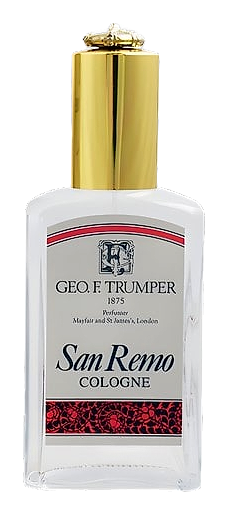
Fragrances featuring Begonia
Brands
Brands known for Begonia
Good to know
Questions, answered
The essentials on Begonia in perfumery: how it smells, where it comes from, and how it behaves on skin.
What does begonia smell like in perfume?
Begonia smells green, watery, and mildly floral with a faint cucumber-like coolness. It contributes freshness without sweetness, often used to lighten heavier floral compositions. The note is subtle and transparent.
Is begonia a natural or synthetic fragrance note?
Almost entirely synthetic or reconstructed. The flower yields negligible amounts of essential oil on commercial extraction, so perfumers build the scent using individual aroma molecules such as linalool and (Z)-3-hexenol.
Where does the begonia plant originate?
Begonias originate in tropical and subtropical regions of South America, particularly Brazil. French botanist Charles Plumier named the genus in 1703 after Michel Bégon, a French colonial administrator.
Which fragrances contain begonia notes?
Begonia appears as a supporting accent in many green florals and aquatic fragrances, particularly from the 1990s onward. It is rarely a dominant theme but frequently adds a watery-green lift to compositions.
Why is begonia so rare in perfumery?
Begonia yields almost no usable essential oil through conventional extraction. The flower's delicate chemistry degrades quickly, making natural production impractical at commercial scale.
How is a begonia scent created if the flower cannot be extracted?
Perfumers use molecular reconstruction, combining aroma chemicals like (Z)-3-hexenol, cis-3-hexenyl acetate, and linalool. This method reproduces the flower's green, aqueous character reliably.
What fragrance families use begonia?
Begonia finds its place in green, floral, and aquatic fragrance families. It works well in fresh spring compositions and lighter florals where transparency and a dewy quality are desired.
Is begonia safe for skin in perfumes?
Yes. Since the note is almost always a reconstruction of approved aroma chemicals, it carries the same safety profile as those individual ingredients. All components used at typical concentrations pass standard safety assessments.




