Banana Nectar
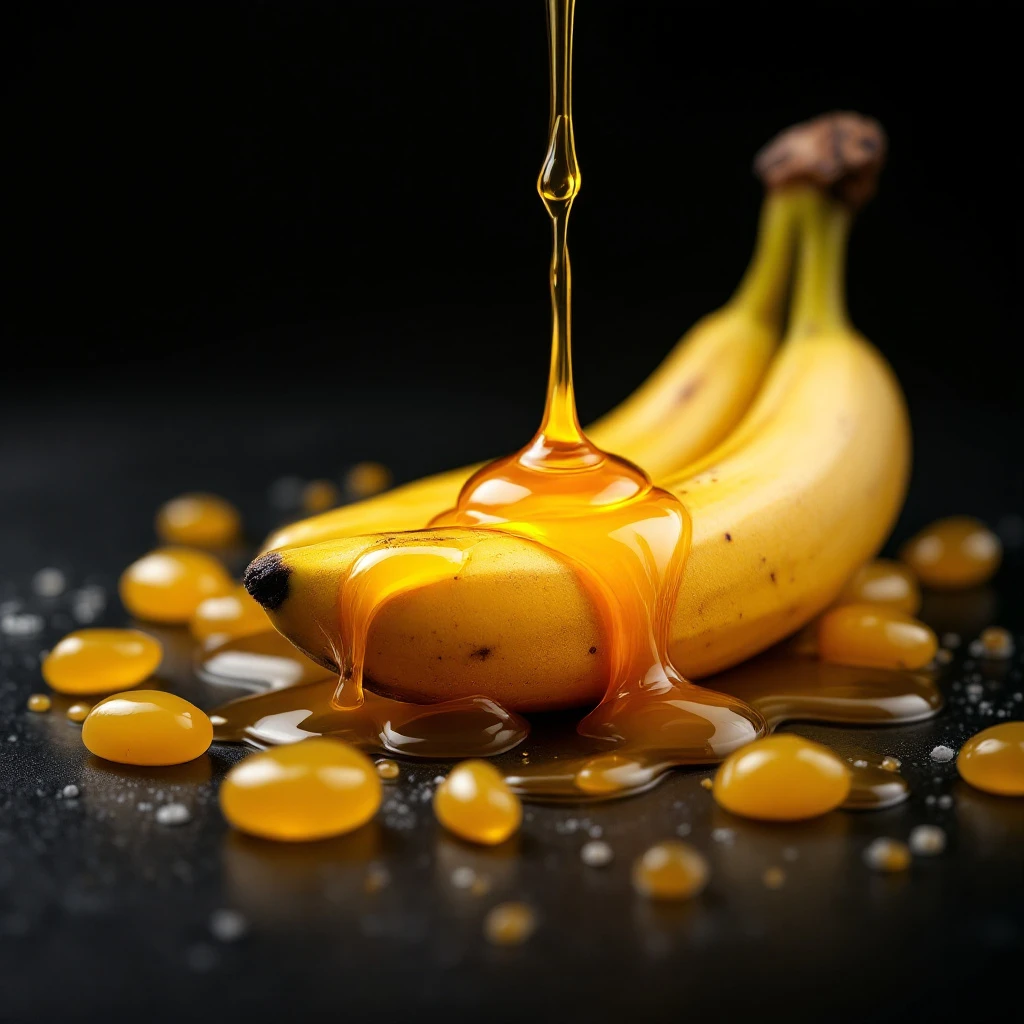
Banana absolute ranks among perfumery's rarest ingredients. The fruit yields minimal aromatic oil, making genuine extraction uncommon. Most banana notes today are synthetic recreations, but real banana absolute offers a buttery, tropical sweetness rarely found in fragrance.
Character
How it smells
A rare tropical absolute few perfumers use.
ISO amyl acetate, the compound that gives banana its scent, was first isolated in 1890. This single molecule defines the fruit's recognizable aroma.
Pairs beautifully with


Origin
Indonesia
Humans have cultivated bananas for thousands of years, with evidence of Musa species domestication dating to around 8000 BCE in New Guinea, spreading later through Southeast Asia and India. Ancient cultures across these regions used the banana plant for nutritional and ritual purposes, though its application in perfumery remained limited due to extraction difficulties. The banana plant eventually spread to Africa and the Americas through trade routes, becoming one of the most cultivated fruits globally.
Despite this widespread growth, natural banana absolute never became a standard perfumery ingredient. The fruit's low oil yield and challenging extraction process kept it on the periphery of fragrance history. Today, banana absolute represents one of the rarest materials in perfumery, with only a handful of houses ever working with genuine natural extracts.
The ingredient remains a curiosity rather than a staple, a testament to the challenges of capturing tropical fruit notes through traditional aromatic extraction methods.
Wears it best
Fragrances featuring Banana Nectar
Brands
Brands known for Banana Nectar
Good to know
Questions, answered
The essentials on Banana Nectar in perfumery: how it smells, where it comes from, and how it behaves on skin.
Is banana nectar natural or synthetic in perfumery?
True banana absolute is extremely rare. The banana fruit yields minimal aromatic oil, making natural extraction impractical for most producers. Most banana notes in perfumery are synthetic recreations using aroma chemicals like isoamyl acetate.
How is banana nectar extracted?
Banana absolute uses solvent extraction with hexane or ethanol. The solvent pulls aromatic compounds from the banana material, then evaporates to leave the absolute. Banana flowers yield more usable aromatic material than the fruit itself.
What compounds give banana its scent?
Isoamyl acetate is the primary aroma compound in banana. First isolated in 1890, this ester delivers the sweet, fruity character that defines banana's scent. Natural banana absolute contains this compound alongside trace elements found in the fruit.
What does natural banana absolute smell like?
Natural banana absolute offers a buttery, tropical sweetness distinct from synthetic versions. It captures the fruit's creamy interior character rather than just peel notes. The scent is rounder and more complex than single-compound recreations.
Why is natural banana absolute so rare?
Banana plants yield minimal aromatic material compared to other botanical sources. The fruit's high water and sugar content complicates extraction. These factors make natural banana absolute one of the rarest ingredients in perfumery.
What fragrance families pair well with banana nectar?
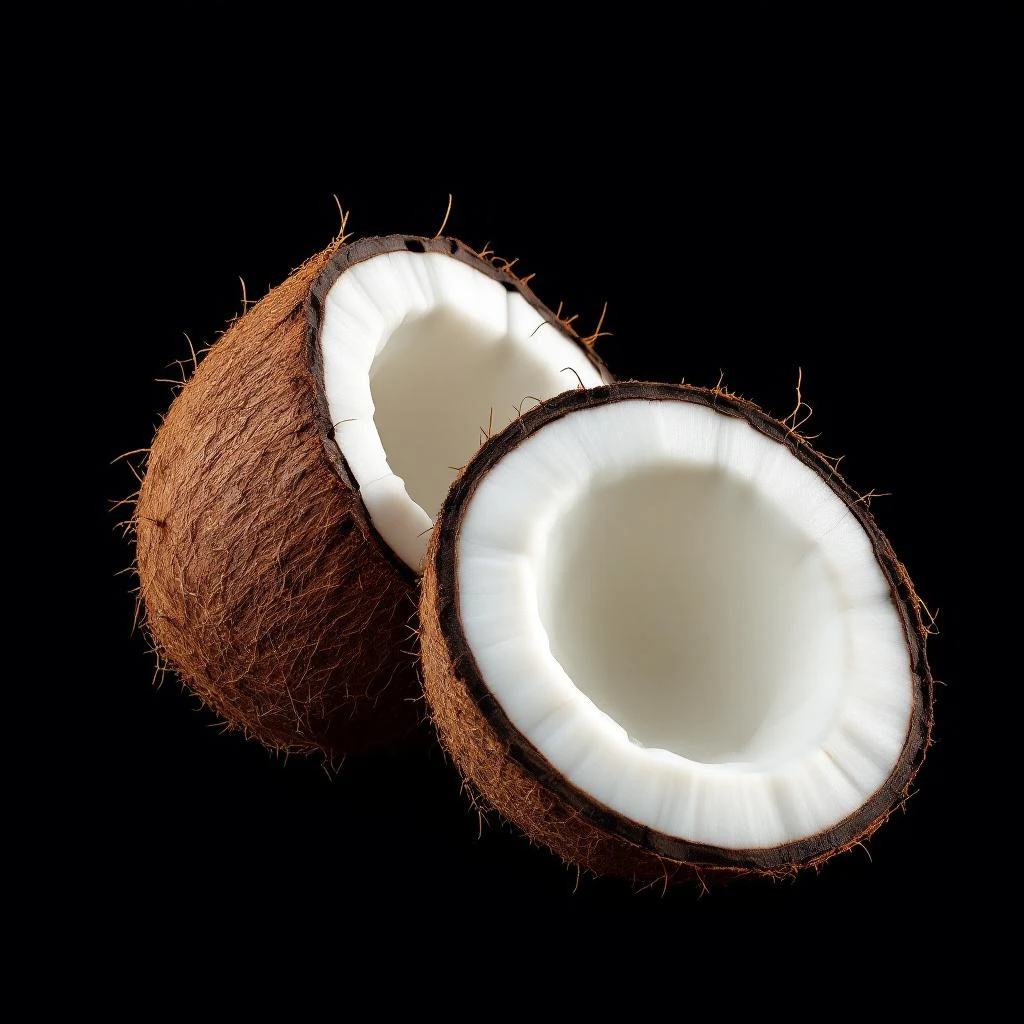
Banana nectar works well in tropical, fruity, and gourmand compositions. It blends naturally with coconut, vanilla, and other fruit notes. In chypre or oriental bases, it adds unexpected tropical warmth.
What role does banana nectar play in fragrance pyramids?
Banana absolute typically functions as a heart note in fragrance composition. Its tropical sweetness emerges during the mid-palette phase, adding body to fruity and floral constructions. It rarely serves as a dominant top note.
Where does the banana plant originate?
The banana plant (Musa species) originated in Southeast Asia, with early cultivation documented in New Guinea around 8000 BCE. The region spanning Indonesia, India, and the Philippines remains the primary source of aromatic banana material today.