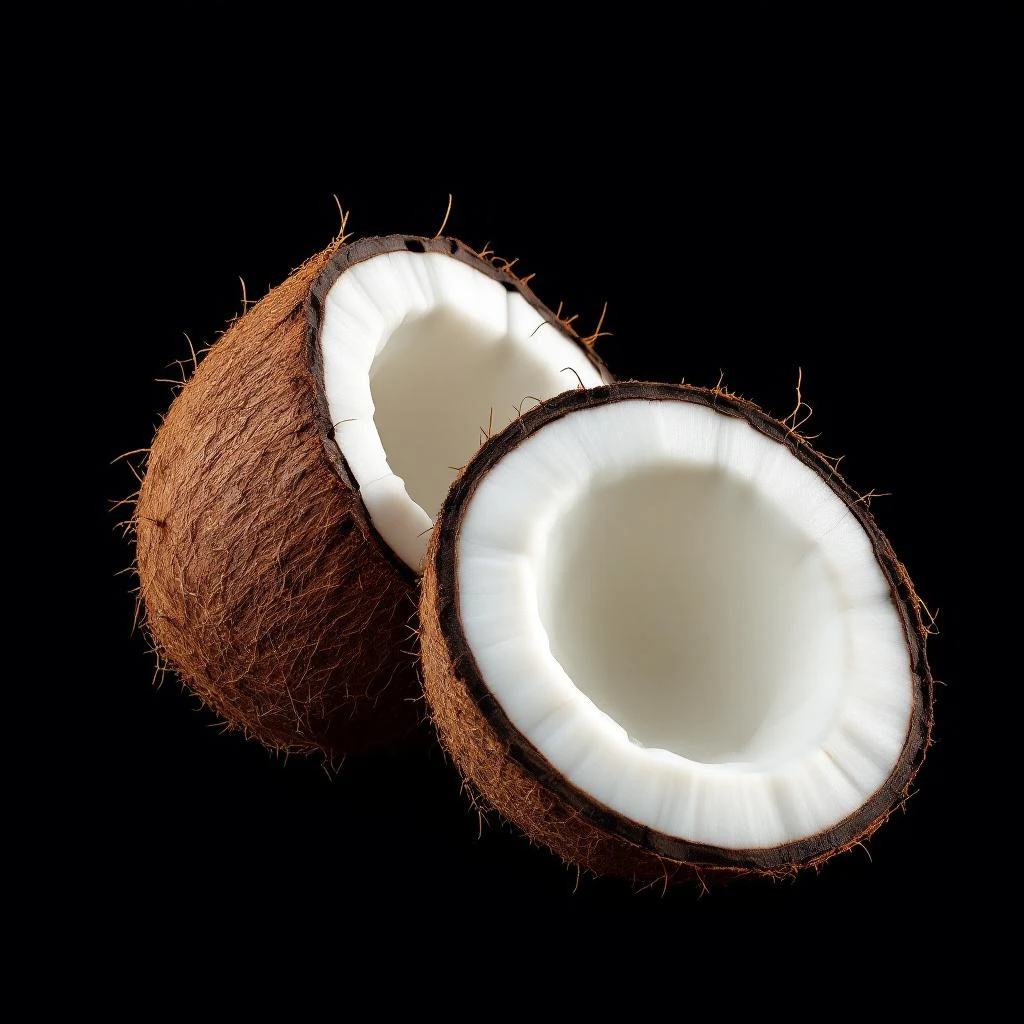
Baked Quince
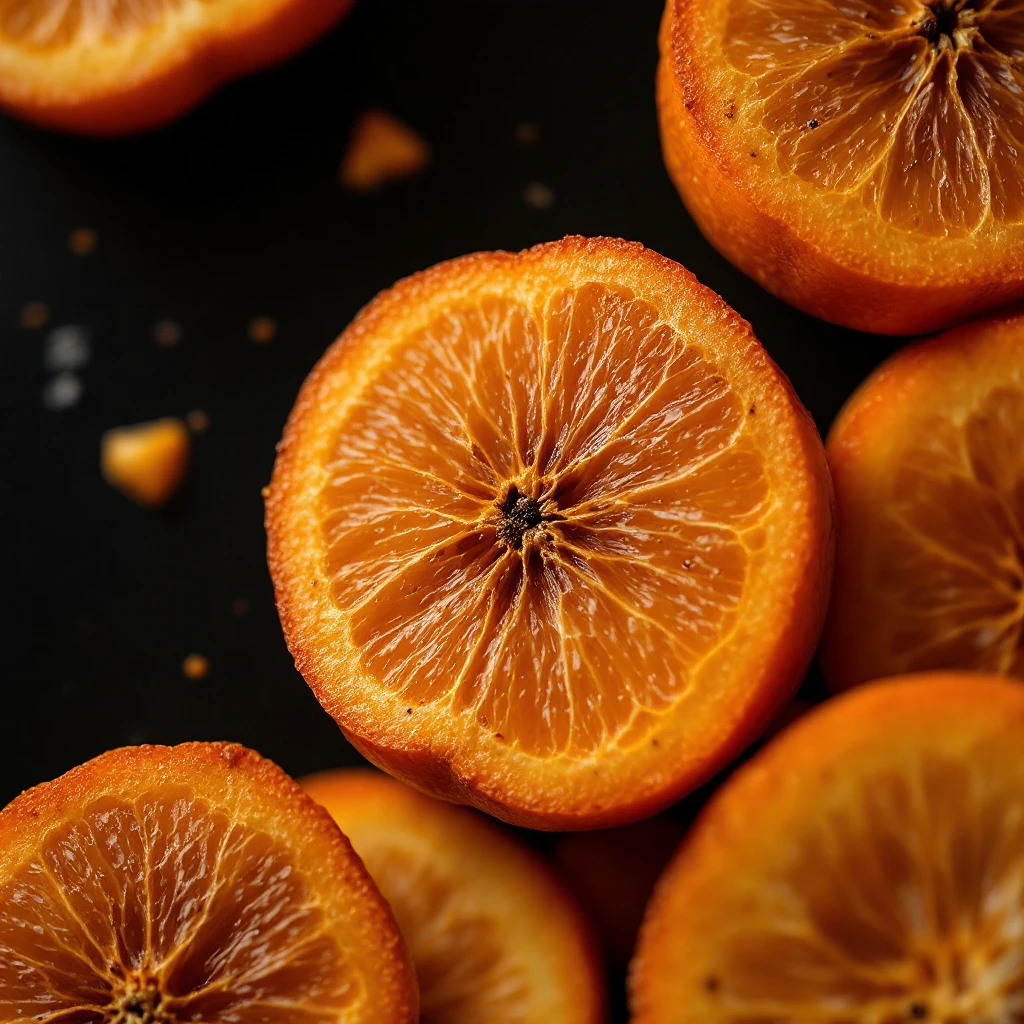
Baked quince transforms the raw fruit into something deeply aromatic and warm. Heat unlocks caramelized sugars and buttery depth, creating an accord that smells like membrillo left to caramelize in the oven.
Character
How it smells
Warmth captured from ancient orchards
Roman brides traditionally carried quince as symbols of love and fertility, and the fruit was so prized it inspired the word 'marriage' itself.
Pairs beautifully with


Origin
Iran
Quince holds one of the oldest places in perfumery history. Ancient Arab perfumers steeped quince in oils to create luxurious beauty treatments, while the Greeks and Romans called it the 'golden apple' and crafted dedicated flower perfumes.
Greek brides received quince as wedding gifts, believing it symbolized devotion and fertility. Pliny the Elder documented quince preparations used by Roman women for skincare.
The fruit traveled with civilization along trade routes from Persia to the Mediterranean, adapting to different climates while maintaining its distinctive aromatic character. Modern perfumery rediscovered quince's unique warmth, finding that heat transformation unlocks aromatic compounds unavailable in the raw fruit.
Wears it best
Fragrances featuring Baked Quince
Brands
Brands known for Baked Quince
Good to know
Questions, answered
The essentials on Baked Quince in perfumery: how it smells, where it comes from, and how it behaves on skin.
What does baked quince smell like?
Baked quince smells like warm membrillo with caramelized honey notes, subtle tannic depth, and buttery richness. The heat treatment transforms sharp, raw fruit acidity into something soft and luminous.
Is baked quince a natural or synthetic ingredient?
Baked quince exists primarily as an accord, combining natural aromatic extracts with carefully selected aromatic molecules. No single natural extraction fully captures the baked fruit character.
How does baked quince differ from fresh quince in fragrance?
Fresh quince smells green, slightly astringent, and floral. Baked quince loses that sharpness, replacing it with jammy warmth, caramelized sugar notes, and deeper honeyed complexity.
What fragrance families typically use baked quince?
Baked quince appears most often in oriental and warm spicy fragrances. It bridges fruit and Gourmand categories, pairing naturally with amber, vanilla, and spice notes.
Which countries produce quince for perfumery?
Iran leads global production, contributing roughly 25% of worldwide quince. Turkey and Greece also cultivate significant quantities specifically for aromatic and perfumery use.
What pairs well with baked quince in fragrance composition?
Baked quince harmonizes with warm woods, tonka bean, amber, and spices like cardamom and cinnamon. It also complements lighter fruits without overwhelming them.
Why is baked quince considered unusual in perfumery?
The cooked, caramelized character requires specific processing that most natural ingredients do not offer. This makes the warm baked note relatively rare and distinctive when it appears.
How long has quince been used in perfumery?
Quince appears in perfumery records dating to ancient Greece and Rome. Early Arab perfumers developed steeping techniques using quince flowers and fruit over 1,500 years ago.