Aquatic Florals
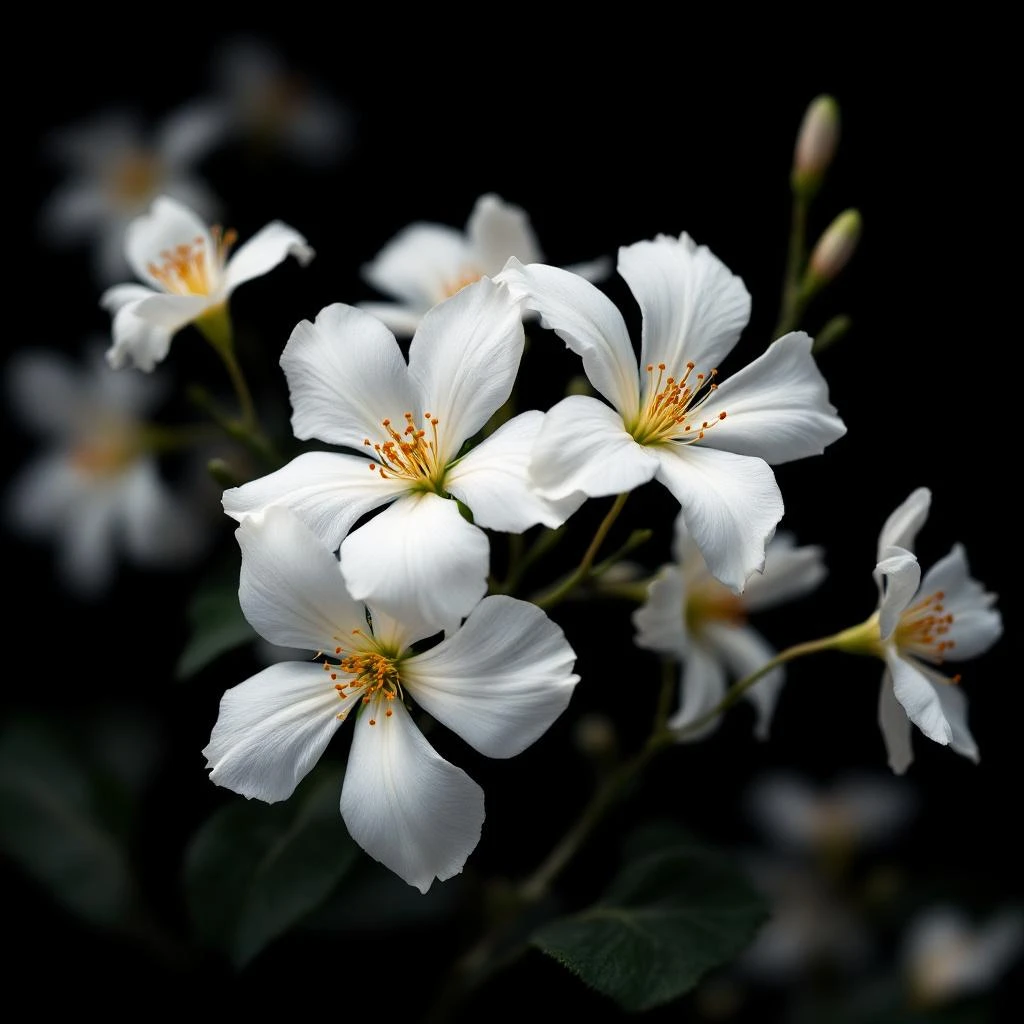
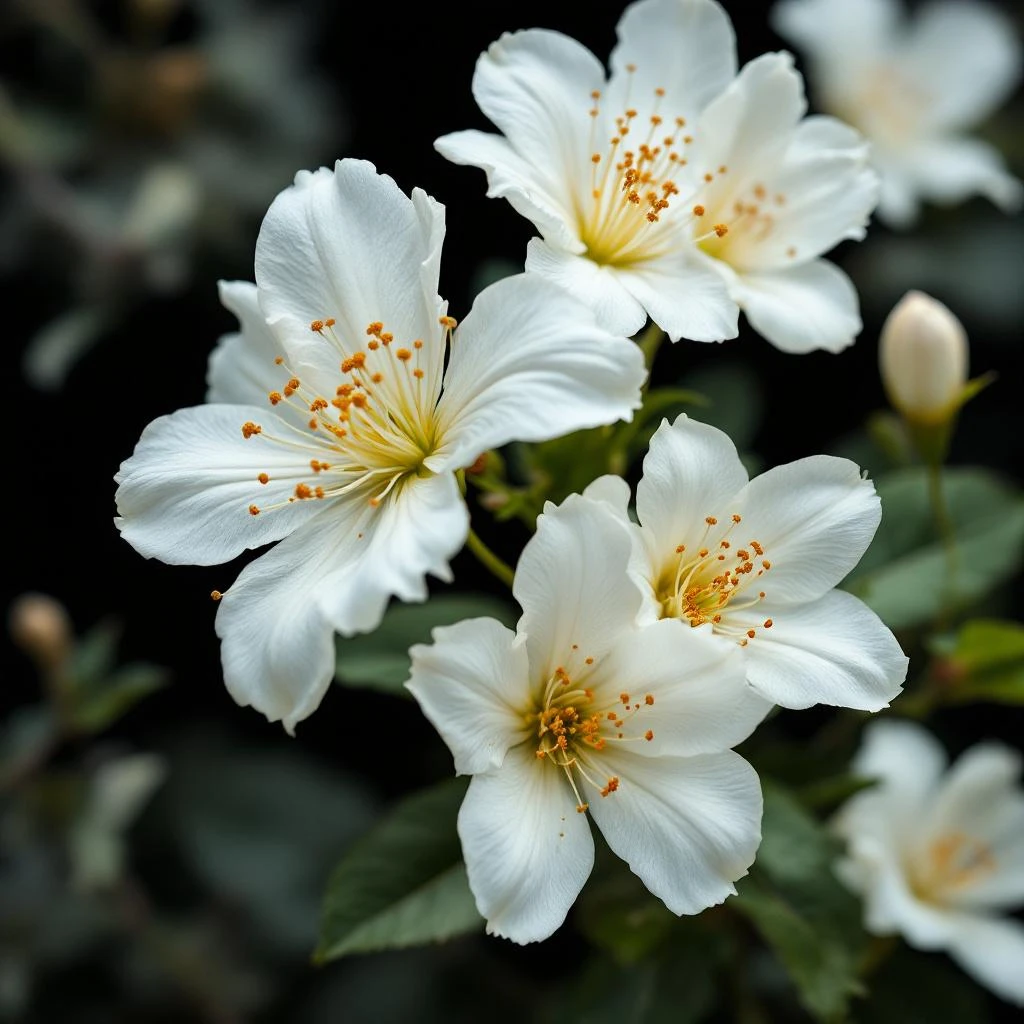
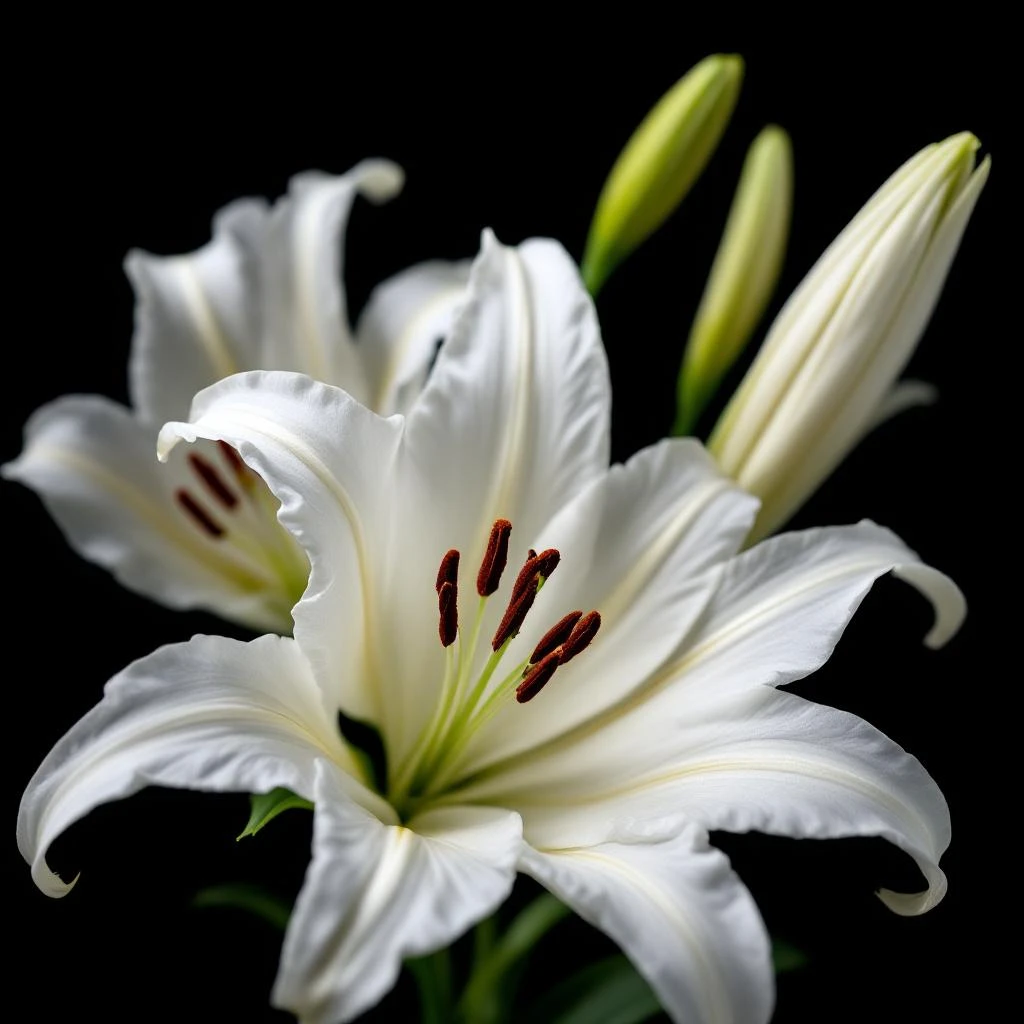
Aquatic florals capture the scent of flowers blooming on still water—transparent, cool, and impossibly fresh. This accord is a modern perfumery construction built from synthetic molecules that recreate the freshness of water lilies and lotus without using the flowers themselves.
Character
How it smells
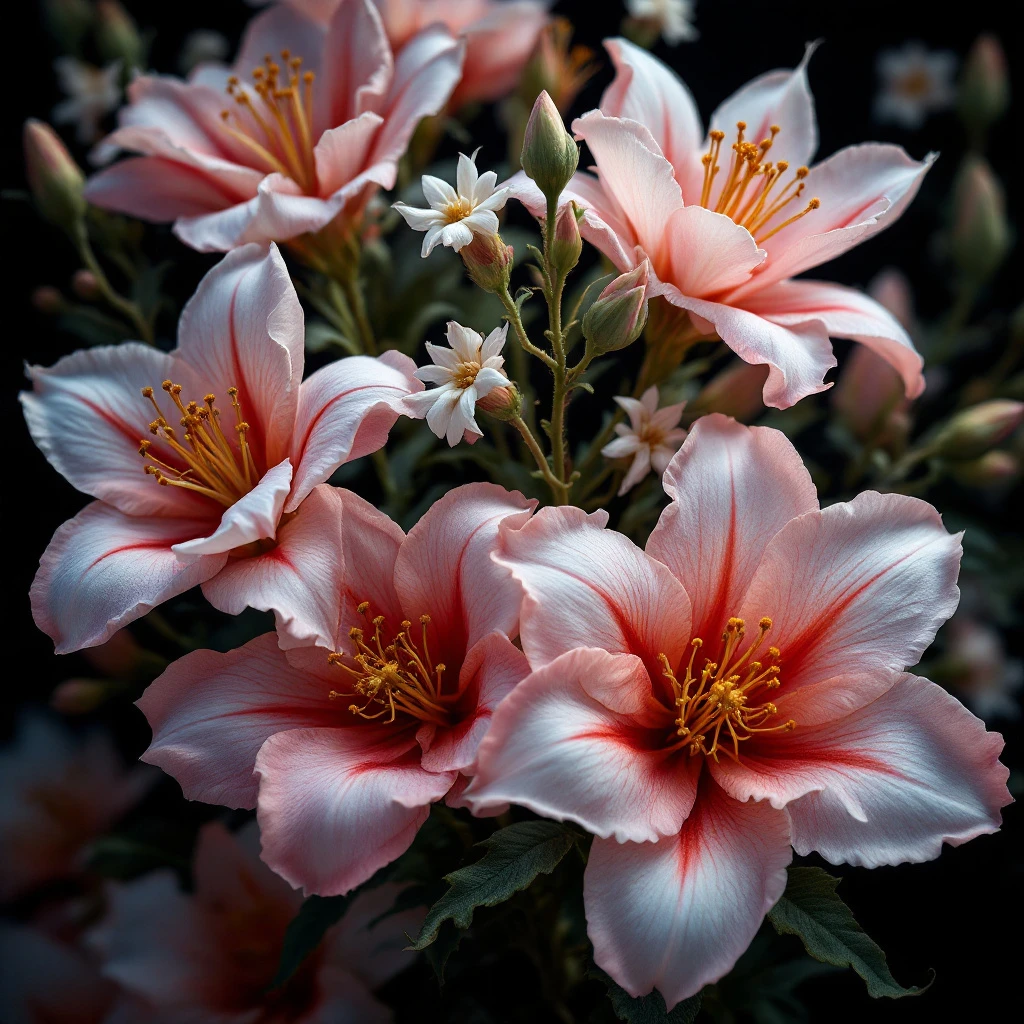
Where water meets bloom—synthetic, transparent, fresh.
Water lilies produce no commercially viable extract. Every 'aquatic floral' fragrance is a laboratory reconstruction of their scent.
Pairs beautifully with

Origin
Laboratory origin
Aquatic florals represent one of perfumery's most modern innovations. The genre emerged in 1988 when Pierre Bourdon composed Davidoff Cool Water, popularizing synthetic water notes with Calone to evoke oceanic freshness. Jacques Cavallier followed in 1992 with L'Eau d'Issey, pioneering the aquatic genre by pairing Calone with lotus and melon for a crystalline effect.
These fragrances transformed what was possible in perfumery, proving that chemistry could capture sensations nature never offered directly. The underlying molecules—Hedione, calone, cyclamen aldehyde—became available through the 1874 founding of Haarmann & Reimer, the first company devoted to synthetic fragrance ingredients. While rose and jasmine have centuries of documented use, aquatic florals have existed for barely four decades.
Their rise mirrors perfumery's shift from raw-material dependency toward creative reconstruction, where perfumers build accords from molecular building blocks to achieve effects impossible through traditional extraction.
Wears it best
Fragrances featuring Aquatic Florals
Brands
Brands known for Aquatic Florals
Good to know
Questions, answered
The essentials on Aquatic Florals in perfumery: how it smells, where it comes from, and how it behaves on skin.
What are aquatic florals in perfumery?
Aquatic florals are synthetic accords that recreate the scent of water flowers like lilies and lotus. They contain no natural extracts—water lilies produce no commercially viable absolute. Perfumery constructs these notes from molecules like cyclamen aldehyde, Helional, and calone.
Do aquatic florals come from real flowers?
No. While inspired by water lilies and lotus, aquatic florals are entirely synthetic reconstructions. Headspace analysis of living Nymphaea flowers maps their volatile compounds—pentadecane, benzyl alcohol, (E)-β-farnesene—for laboratory reproduction.
What molecules create aquatic floral effects?
Four primary molecules define aquatic florals: cyclamen aldehyde (watery transparency), Helional (melon-green lift), Hedione (jasmine radiance), and calone (ozonic marine edge). Newer materials like Floralozone and Azurone expand this palette.
When did aquatic florals first appear?
The aquatic genre launched in 1988 with Davidoff Cool Water by Pierre Bourdon. L'Eau d'Issey followed in 1992, cementing aquatic florals as a mainstream perfumery category. The concept is less than 40 years old.
What fragrances showcase aquatic florals?
Key examples include Davidoff Cool Water (1988), Issey Miyake L'Eau d'Issey (1992), Parfums de Marly Sedley (2019), and D.S. & Durga Jazmín Yucatan (2021). These demonstrate the genre's evolution from 20th-century classics to contemporary compositions.
How do aquatic florals function in a composition?
Aquatic florals serve as transparent heart-note modulators. They create negative space in a fragrance—a zone of cool freshness that lets surrounding notes breathe. They anchor modern feminines and minimalist compositions built on subtraction.
What pairs well with aquatic florals?
Aquatic florals pair with green tea, white musk, sheer woods like Iso E Super, and mineral accords. They resist heavy ambers and gourmand constructions, which overwhelm their transparent character.
Are aquatic florals sustainable?
Yes. Because they are synthetic, aquatic florals avoid the land use, seasonal variability, and extraction inefficiencies of natural botanical sources. Modern synthesis prioritizes purity, stability, and batch-to-batch consistency.