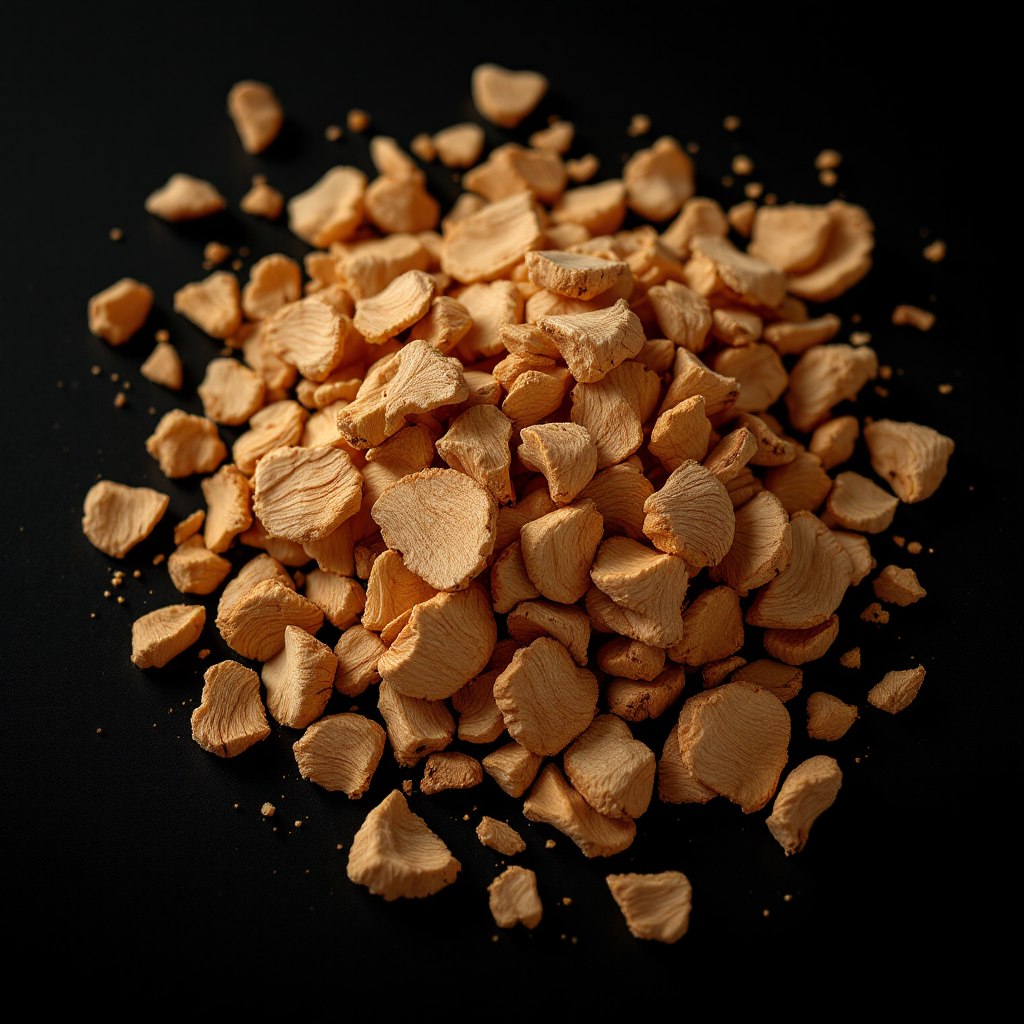
American Subalpine Fir
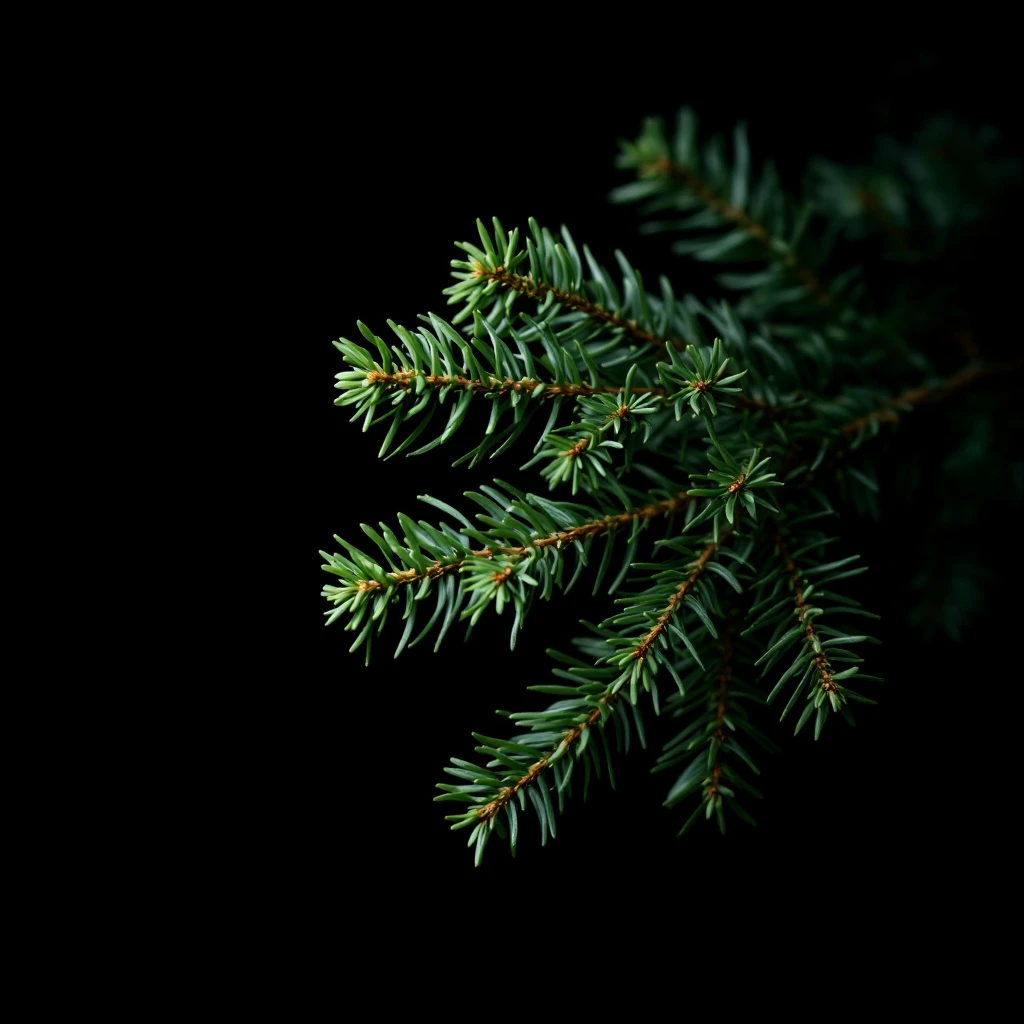
American Subalpine Fir (Abies lasiocarpa) brings the crisp, cold-air scent of high mountain forests to perfumery. Its needles yield a fresh, resinous fragrance with subtle citrus and pine notes that evoke snow-capped peaks and silent alpine groves.
Character
How it smells
The cold-air scent of mountain heights.
Subalpine fir trees in the Pacific Northwest produce heavy seed crops only every three years, making each harvest a rare event.




Origin
United States
Native American tribes used subalpine fir boughs in purification ceremonies and smudging rituals long before European settlement. Early settlers carried the tradition of cutting fir branches for winter holidays, weaving them into wreaths and garlands. American perfumers began incorporating subalpine fir into masculine fragrances during the mid-twentieth century, drawn to its clean, outdoorsy character.
The species holds ecological importance in high-altitude forest ecosystems, where it provides shelter for wildlife and stabilizes mountain slopes. Today, subalpine fir remains a staple in woody and fresh fragrance families, connecting modern perfumery to the rugged landscapes of western North America.
Wears it best
Fragrances featuring American Subalpine Fir
Brands
Brands known for American Subalpine Fir
Good to know
Questions, answered
The essentials on American Subalpine Fir in perfumery: how it smells, where it comes from, and how it behaves on skin.
What does American Subalpine Fir smell like?
Subalpine fir opens with a sharp, clean pine character followed by sweet, resinous undertones. The scent carries subtle citrus brightness and a cool, almost mentholated quality reminiscent of cold mountain air. It reads as fresh, green, and woody without being heavy or turpentine-like.
Where does subalpine fir grow?
Abies lasiocarpa thrives at high elevations across the Pacific Northwest and Rocky Mountains. It grows wild in Montana, Idaho, Oregon, Washington, and into Canada. The tree prefers cold climates and thin soils, often appearing near tree line where other species cannot survive.
How do perfumers extract subalpine fir oil?
Steam distillation pulls volatile compounds from harvested needles and young twigs. Distillers typically collect plant material in late summer when oil concentration peaks. The process yields a pale essential oil containing pinene, bornyl acetate, and limonene as primary aromatic constituents.
Is subalpine fir oil sustainable?
Subalpine fir grows slowly at high elevations, making responsible sourcing critical. Ethical suppliers rotate harvest areas and leave sufficient plant material for regeneration. Wild-harvested subalpine fir represents a small fraction of the fragrance market, reducing pressure on populations compared to more heavily traded conifers.
What fragrance families use subalpine fir?
Subalpine fir appears most often in woody, fresh, and fougere fragrance families. It works well in masculine colognes, unisex outdoor scents, and winter seasonal fragrances. Blenders pair it with citrus, other conifers, oakmoss, and herbal notes to build fresh, forest-forward compositions.
How does subalpine fir differ from balsam fir?
Balsam fir (Abies balsamea) grows in eastern Canada and the northern United States with a sweeter, more resinous character. Subalpine fir grows western and at higher elevations, producing a sharper, cooler scent with less sweetness. The two species occupy different perfumery roles despite sharing conifer DNA.
Can subalpine fir cause skin reactions?
The oil contains natural allergens present in many conifer materials. IFRA guidelines regulate its concentration in finished products. Most formulations use subalpine fir at low percentages, making irritation unlikely for normal skin. Those with conifer sensitivities should test products before regular use.
Does synthesis replace subalpine fir in perfumery?
Synthetic alternatives like camphene and bornyl acetate approximations exist, but natural subalpine fir retains value for its complex, multi-layered aroma. Synthetics offer consistency and cost savings, yet they cannot fully replicate the subtle variations found in natural steam-distilled oil. Many prestige fragrances continue using natural conifer extracts for authenticity.