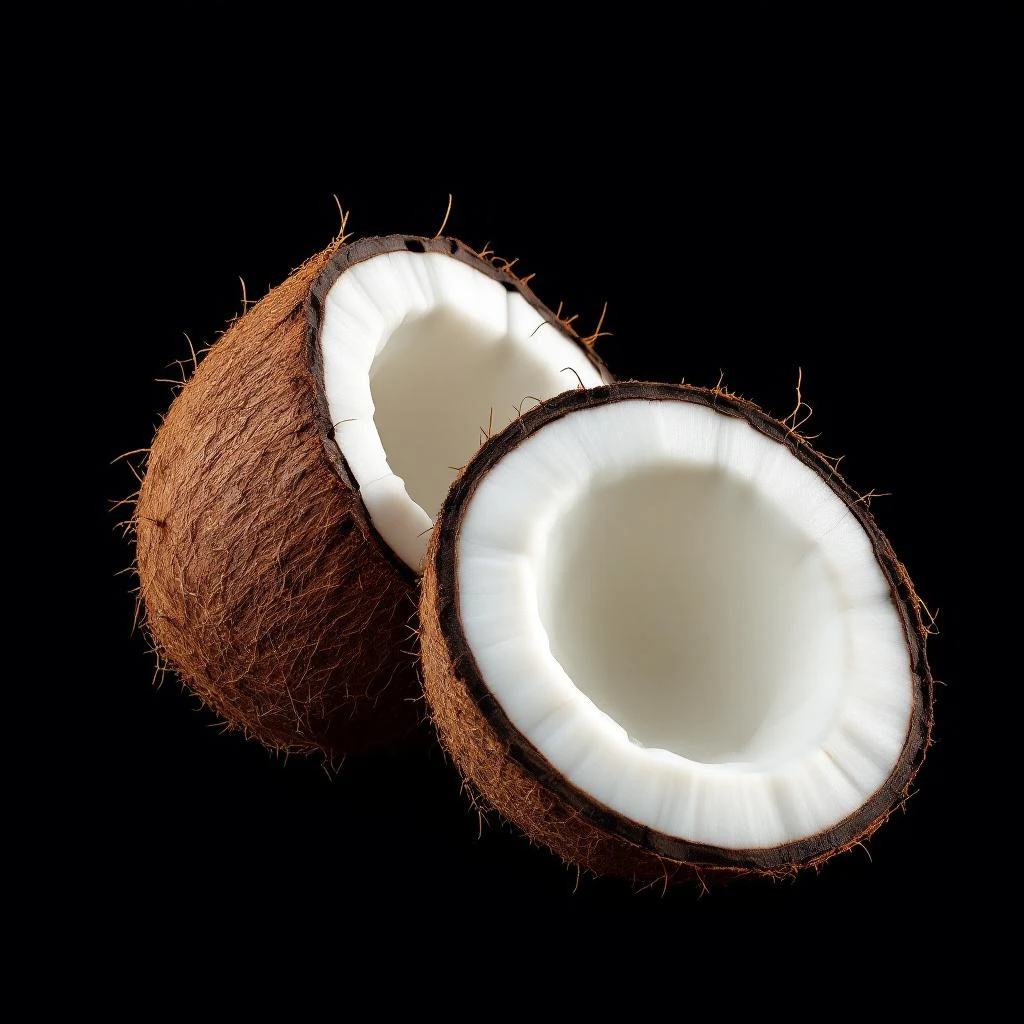
American Pink Grapefruit
A sun-drenched citrus that transforms perfume top notes with electric brightness and tart complexity. American Pink Grapefruit captures the moment a morning breeze cuts through Florida's groves.
Character
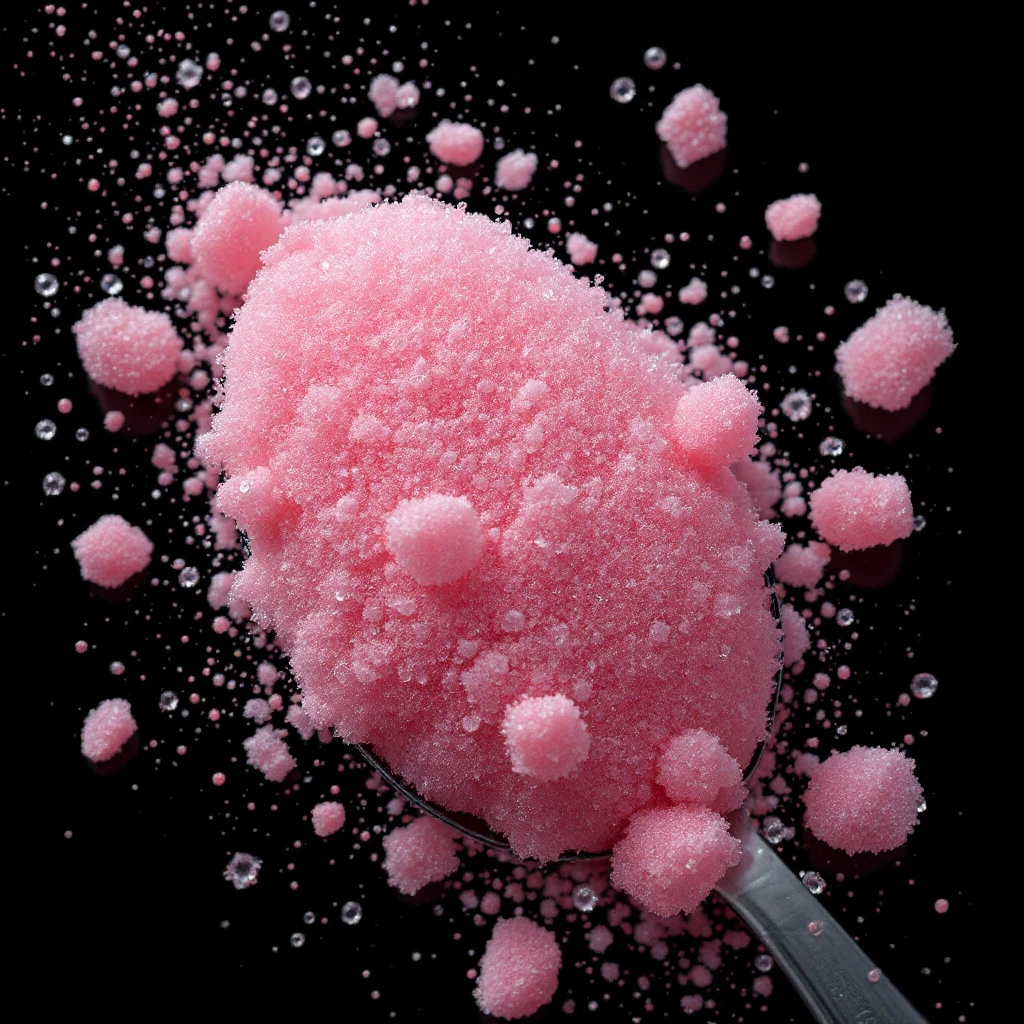
How it smells
Citrus with an electric bite and tropical warmth.
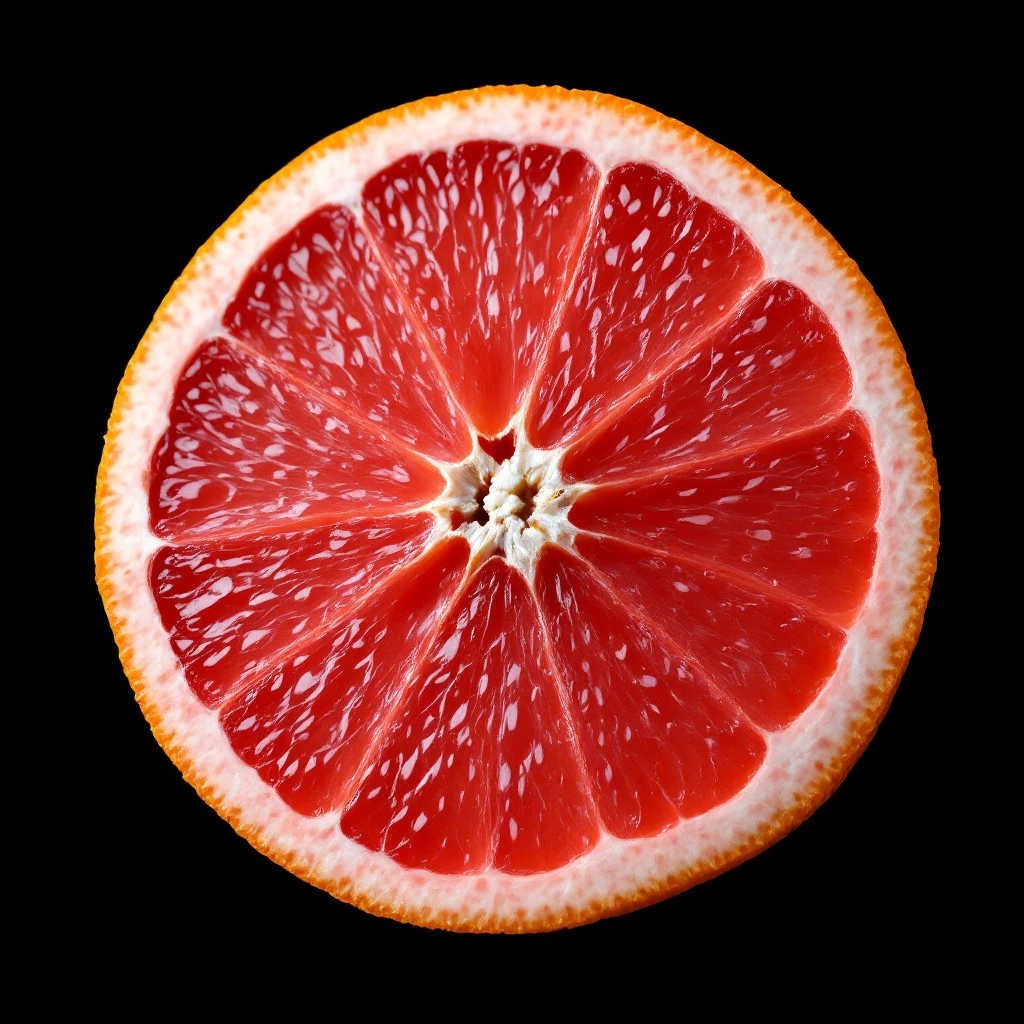
Pink Grapefruit contains lycopene, the antioxidant pigment that gives its flesh that distinctive rosy hue.






Origin
Barbados
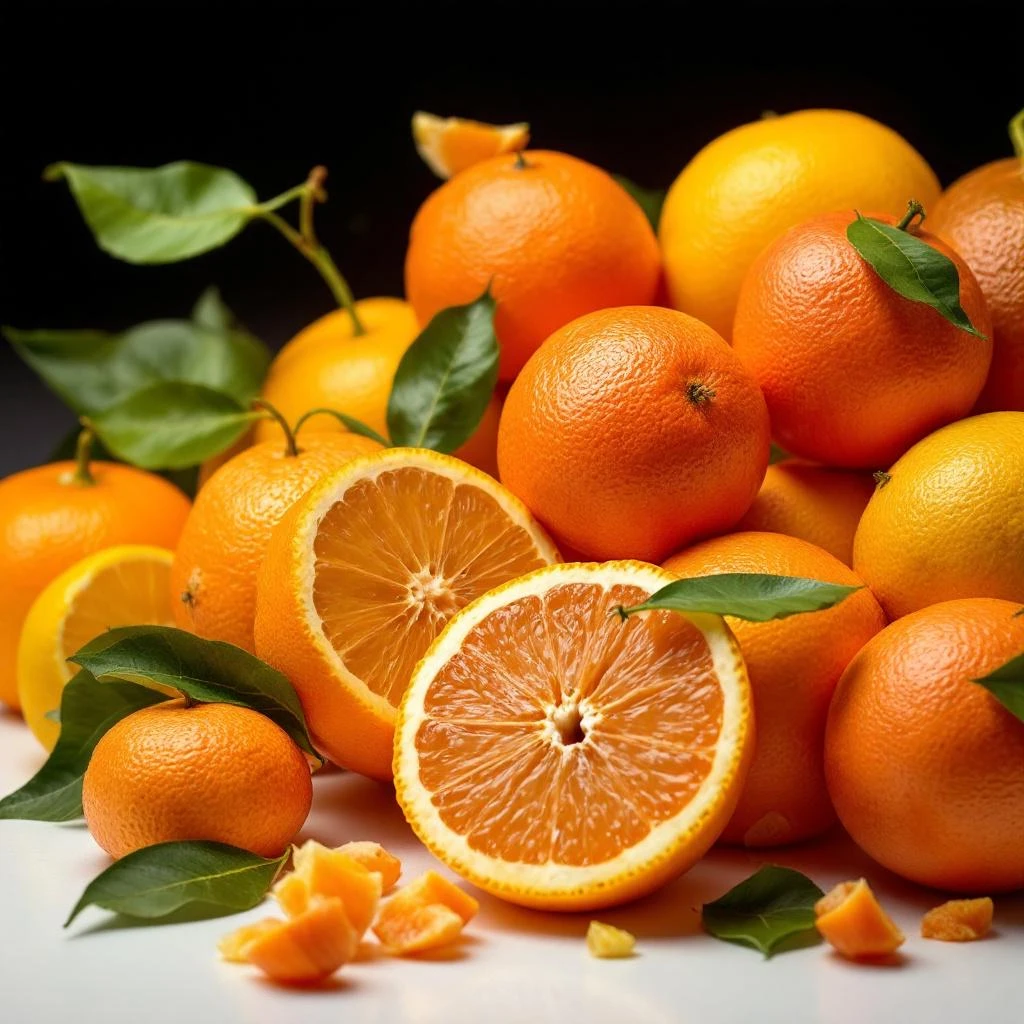
The hybrid Citrus x paradisi emerged in Barbados during the mid-1700s when pomelo crossed with sweet orange. Legend attributes its Caribbean arrival to Captain Phillip Shaddock of the East India Company, who reportedly left citrus seeds on the island during a voyage. The fruit earned its botanical name "paradisi" for the lush, almost Eden-like groves that spread across the Caribbean.
American cultivation began in Florida around 1823, but commercial essential oil production only launched in 1933 when Florida processors realized the economic potential of extracting fragrance from the state's expanding groves. By the late 20th century, Pink Grapefruit had become a cornerstone of modern perfumery, prized for its ability to inject energy into fragrance openings.
Wears it best
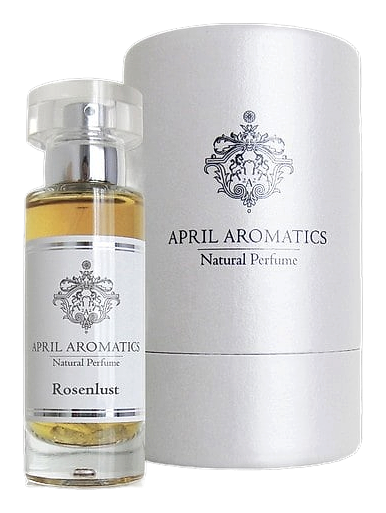
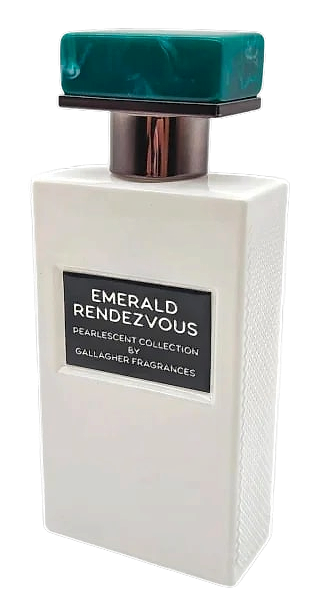
Fragrances featuring American Pink Grapefruit
Brands
Brands known for American Pink Grapefruit
Good to know
Questions, answered
The essentials on American Pink Grapefruit in perfumery: how it smells, where it comes from, and how it behaves on skin.
What does American Pink Grapefruit smell like in perfume?
American Pink Grapefruit opens with sharp, tart brightness followed by a juicy sweetness unique to pink-fleshed varieties. Unlike harsh lemon or lime, it carries a soft, almost wine-like depth. The combination creates a fresh, energizing effect in top notes that fades into cleaner, more mellow drydown as the fragrance develops.
How do perfumers extract Pink Grapefruit essential oil?
Cold pressing the fruit peel preserves the fresh character that heat-based methods destroy. Florida producers use industrial scarificators to puncture the outer rind while floating it through water, releasing essential oils mechanically. Centrifugation then separates the fragrant oil from the liquid. This approach protects delicate compounds like nootkatone that define Pink Grapefruit's distinctive aromatic profile.
Where does commercial Pink Grapefruit oil originate?
Florida dominates global production of Pink Grapefruit essential oil. The state's subtropical climate with sandy soils and humid summers produces fruit with intense, complex aromatic compounds. Florida groves yield harvests from October through June, with peak oil quality typically occurring mid-season when daylight hours and temperatures create optimal growing conditions.
Is Pink Grapefruit oil natural or synthetic?
Both natural and synthetic options exist. Natural Pink Grapefruit oil comes exclusively from cold-pressed fruit peel. Synthetic alternatives reproduce key aromatic compounds like limonene and nootkatone in laboratories. Many modern fragrances use a blend of natural and nature-identical materials to achieve consistent character across batches while retaining authentic complexity.
How long does Pink Grapefruit last in a perfume composition?
Pink Grapefruit performs as a top note, typically remaining detectable for 15 to 30 minutes after application. The volatile citrus compounds evaporate quickly compared to heart or base notes. Perfumers often combine it with longer-lasting ingredients like ambroxan or cedarwood to anchor the fragrance while enjoying the initial citrus burst.
What gives Pink Grapefruit its characteristic tartness?
Nootkatone is the primary compound responsible for Pink Grapefruit's tart, slightly bitter edge. This ketone also appears in vetiver and contributes to the fruit's complex flavor profile. Limonene provides the bright citrus backbone, while smaller amounts of aldehydes add sparkling nuance. The interplay between these compounds creates the signature taste and scent that distinguishes pink varieties from white grapefruit.
How does Pink Grapefruit differ from regular white grapefruit in perfumery?
Pink Grapefruit contains additional aromatic compounds from its red pigmentation, including lycopene-related molecules that introduce subtle berry-like undertones. White grapefruit tends toward sharper, more astringent characteristics. The pink variety offers greater complexity and a friendlier brightness that perfumers favor for modern, accessible fragrance compositions.
What fragrance families pair well with Pink Grapefruit?
Pink Grapefruit integrates naturally with other citrus, aquatic, and green notes for fresh, uplifting compositions. It also complements woody bases like cedar and vetiver, adding lift and preventing heavy drydown. Floral fragrances use it to add energy without the aggressive sharpness of lemon or bergamot. Gourmand compositions sometimes incorporate it to temper sweet accords with citrus brightness.