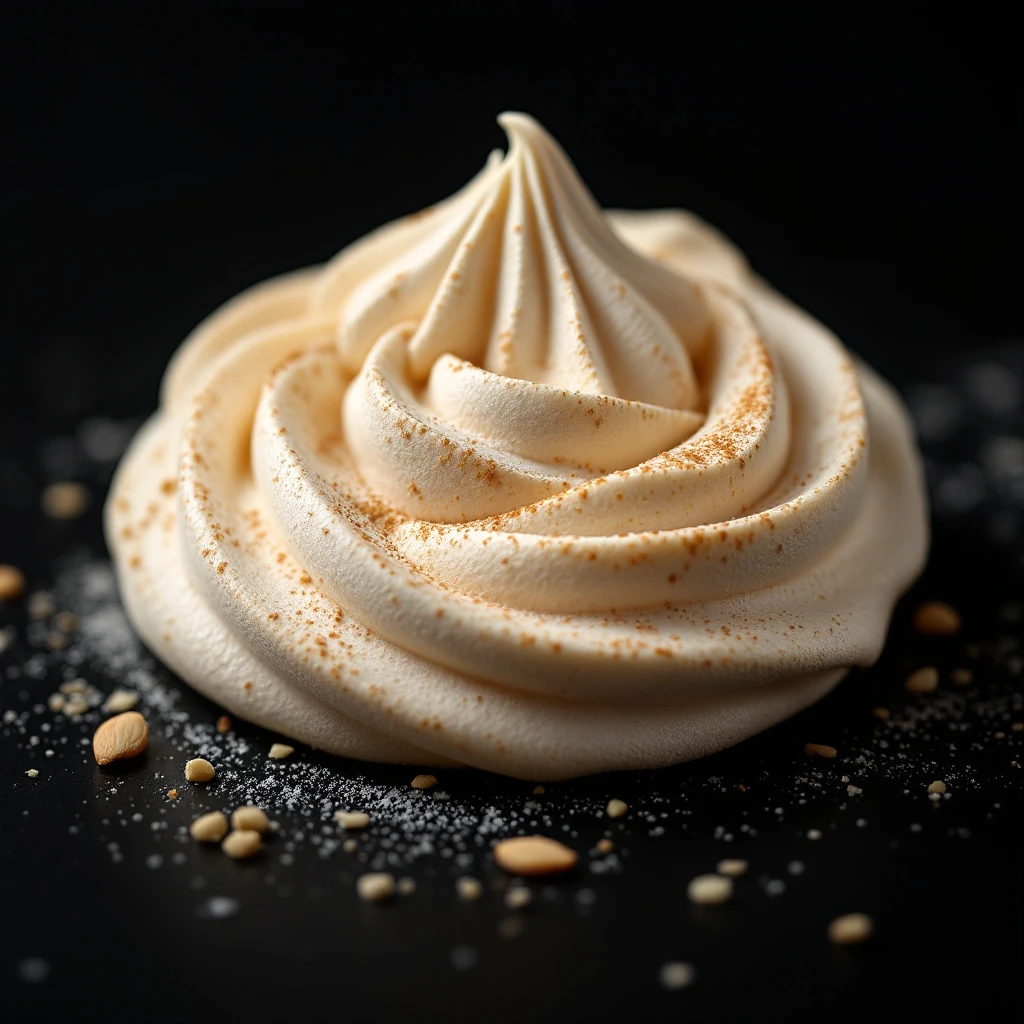
Almond Meringue
Almond Meringue brings a delicate sweetness to fragrance compositions. This warm, nutty accord blends creamy vanillic tones with toasted almond nuances, creating an edible comfort that evokes fresh-baked confections and soft, inviting warmth.
Character
How it smells
Sweet comfort with a nutty whisper
The meringue dessert dates to 17th-century France, though this perfumery note exists only as a modern synthetic creation.


Origin
France
The meringue dessert emerged in French cuisine during the early 17th century, named for the Swiss chemist Johann Blaise who perfected the egg white and sugar preparation. This light, airy confection became synonymous with French patisserie elegance.
When perfumers began exploring edible-themed fragrances in the late 19th century, they created Almond Meringue as a synthetic accord to evoke its comforting character. Modern perfumery's commercial synthesis of compounds like vanillin and coumarin enabled this development.
Today, Almond Meringue appears in countless gourmand fragrances, paying homage to a centuries-old culinary tradition through chemistry. The note represents perfumery's ongoing dialogue with cuisine, translating kitchen pleasures into sensory experiences.
Wears it best
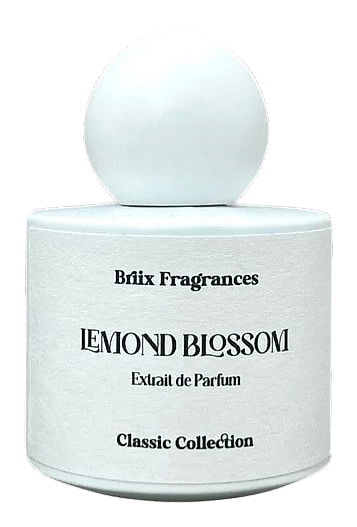
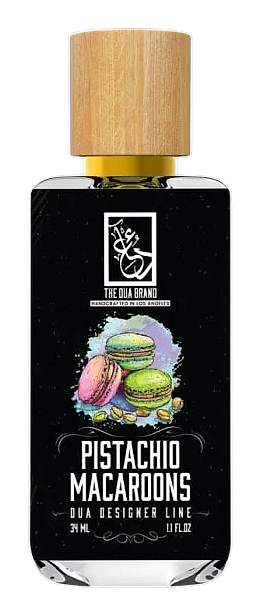
Fragrances featuring Almond Meringue
Brands
Brands known for Almond Meringue
Good to know
Questions, answered
The essentials on Almond Meringue in perfumery: how it smells, where it comes from, and how it behaves on skin.
Is Almond Meringue a natural or synthetic fragrance ingredient?
Almond Meringue is exclusively synthetic. Natural extraction from actual meringue is not feasible since the dessert contains no volatile aromatic compounds that survive traditional perfumery extraction methods. Perfumers create this note by blending synthetic aroma chemicals like benzaldehyde, vanillin, and coumarin derivatives to reproduce the dessert's characteristic sweet, nutty profile.
What synthetic compounds create the Almond Meringue scent profile?
Perfumers combine several synthetic materials to build this note. Benzaldehyde provides the distinctive bitter-almond character, while vanillin delivers creamy sweetness. Heliotropin adds ethereal, powdery softness, and ethyl maltol contributes sugary warmth. Coumarin derivatives round out the composition with hay-like depth, creating the illusion of oven-baked confection.
How does Almond Meringue behave in fragrance formulations?
Almond Meringue performs as a heart-to-base transition note, providing warmth and sweetness that anchors lighter top notes. It blends exceptionally well with other gourmand materials like tonka bean and vanilla, but also contrasts beautifully with fresh citrus and green notes. The synthetic nature ensures batch-to-batch consistency that natural materials cannot guarantee.
Which fragrance families commonly feature Almond Meringue?
This note dominates gourmand and oriental fragrance families. It appears frequently in feminine and unisex compositions designed to evoke comfort, warmth, and indulgence. Modern designers also use it as a bridging element between foody accords and more abstract fragrance concepts, softening transitions and adding approachability to complex compositions.
Can Almond Meringue replace natural almond in perfumery?
Almond Meringue offers something different than natural bitter almond. While natural almond absolute provides sharp, intense nuttiness, the meringue accord delivers softer sweetness with greater versatility. Perfumers often use both materials together to layer different almond dimensions, combining the intensity of natural absolutes with the comforting warmth of synthetic meringue.
What emotional associations does Almond Meringue create in wearers?
The note triggers associations with comfort, home, and indulgence. Research in fragrance psychology suggests that sweet edible notes like Almond Meringue activate memories of childhood treats and nurturing environments. This emotional anchoring makes compositions featuring the note feel immediately approachable and emotionally resonant across diverse demographics.
How did synthetic meringue accords become standard in modern perfumery?
The late 19th century marked a turning point when commercial synthesis of aroma compounds like vanillin and coumarin became viable. These new materials allowed perfumers to construct food-inspired accords that natural ingredients could not replicate. The meringue accord developed as part of this innovation, enabling the gourmand fragrance revolution that began in the 1980s and continues today.
What role does Almond Meringue play in contemporary fragrance design?
The note functions as an edible bridge between abstract and literal scent concepts. Perfumers use it to humanize overly synthetic compositions, add warmth to fresh fragrances, and create instantly recognizable comfort themes. Its consistency and versatility have made it a staple in both luxury and mass-market formulations, appearing across candles, cosmetics, and fine fragrances.