Milk mousse
Milk mousse is a lactonic note that evokes fresh cream and dairy warmth. In perfumery, it adds a soft, comforting quality to fragrances, often used in oriental and gourmand compositions to create richness without heaviness. The note bridges the gap between edible and floral, giving perfumes a skin-like warmth that feels intimate and familiar.
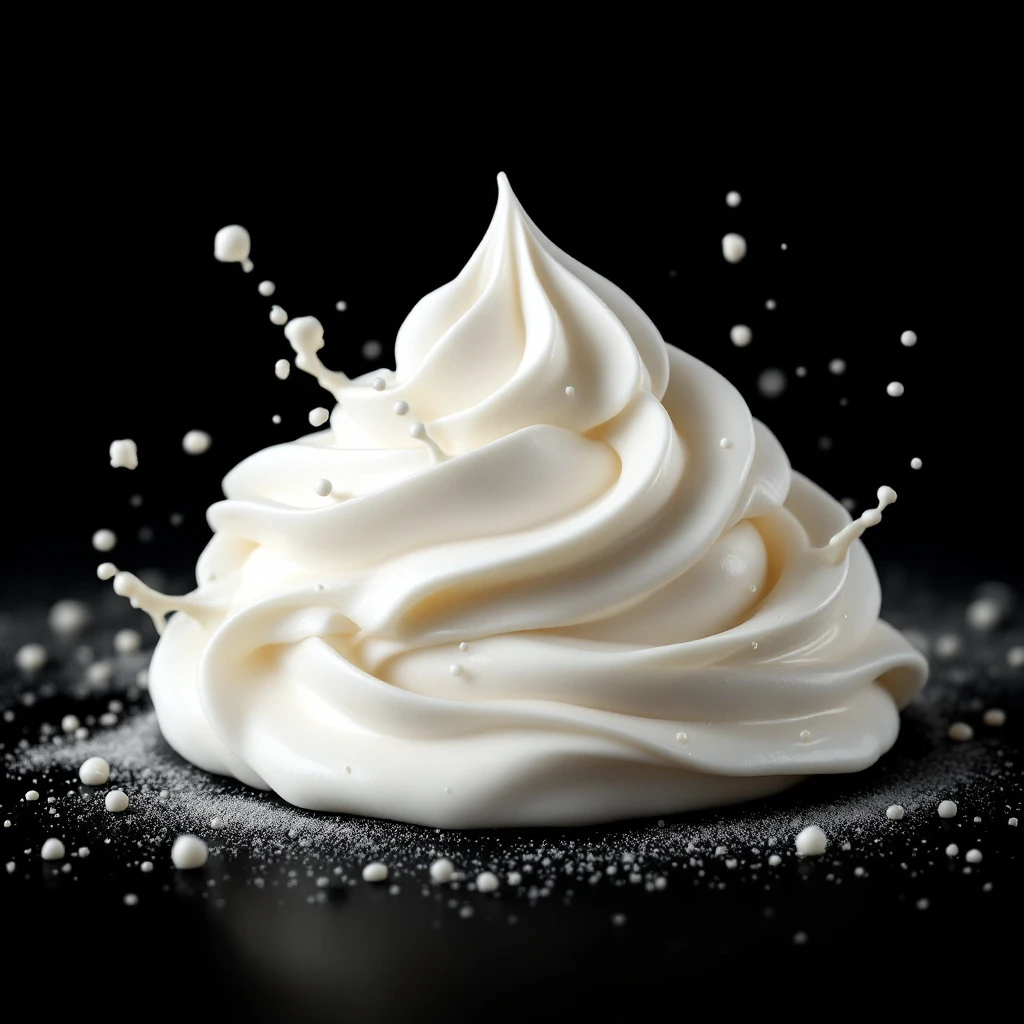
Character
How it smells
Soft cream and dairy warmth that feels like a gentle embrace.
The lactones that create milk notes in perfumery were first synthesized in the 1920s, giving perfumers a reliable way to capture dairy warmth that natural extracts could never provide.









Origin
Global fragrance laboratories (France, Switzerland, USA)
The concept of milk in perfumery has ancient roots, though the modern milk note emerged through 20th century chemistry. Ancient perfumers used actual milk and dairy products in cosmetic preparations, understanding their aromatic qualities, but these were impractical for stable fragrance production. The breakthrough came with the synthesis of lactone compounds in the 1920s and 1930s, as fragrance chemists learned to recreate the aromatic molecules found in natural dairy.
The modern milk note gained prominence with the rise of gourmand fragrances in the 1980s and 1990s. Perfumers sought to create edible, comforting scents that evoked childhood memories and domestic warmth. This led to increased sophistication in lactone chemistry, allowing for more nuanced milk notes that could be incorporated into complex compositions. The trend continues today, with milk appearing in everything from designer fragrances to niche creations.
The development of milk notes paralleled broader trends in synthetic perfumery. Early synthetic musks and floral compounds provided templates for recreating natural dairy characteristics. Each refinement in understanding how lactones interact with other fragrance materials expanded the possibilities for milk integration. Today, milk mousse represents one of the most successful collaborations between chemistry and sensory art, making dairy warmth accessible across all fragrance categories.
Wears it best
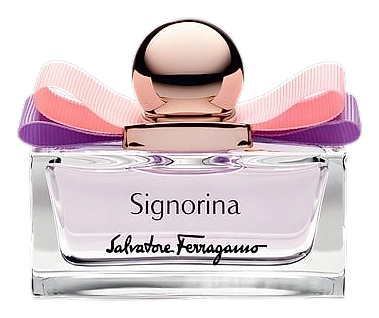
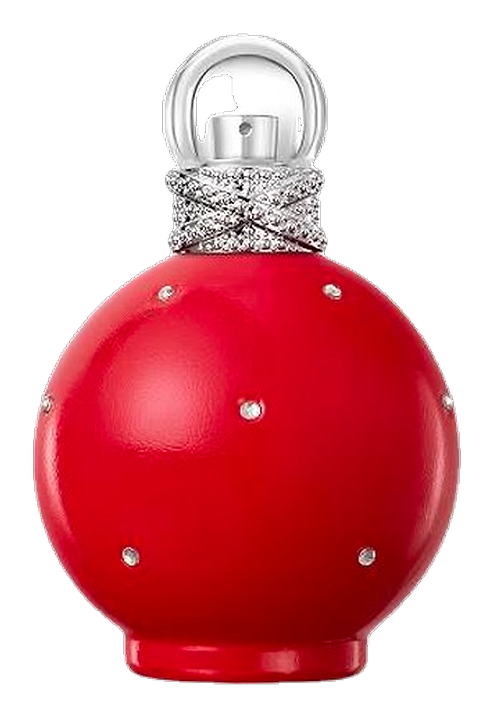
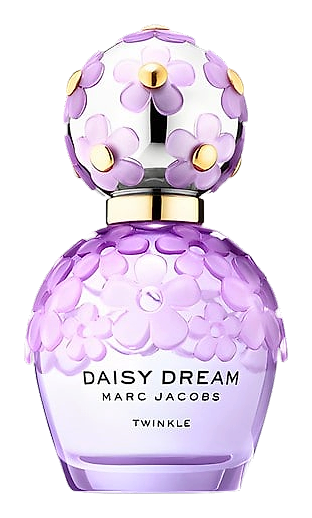
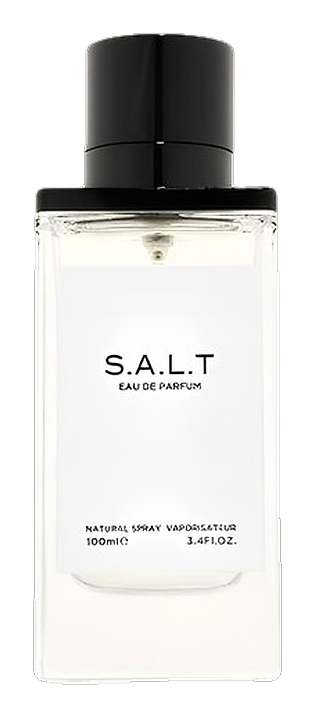
Fragrances featuring Milk mousse
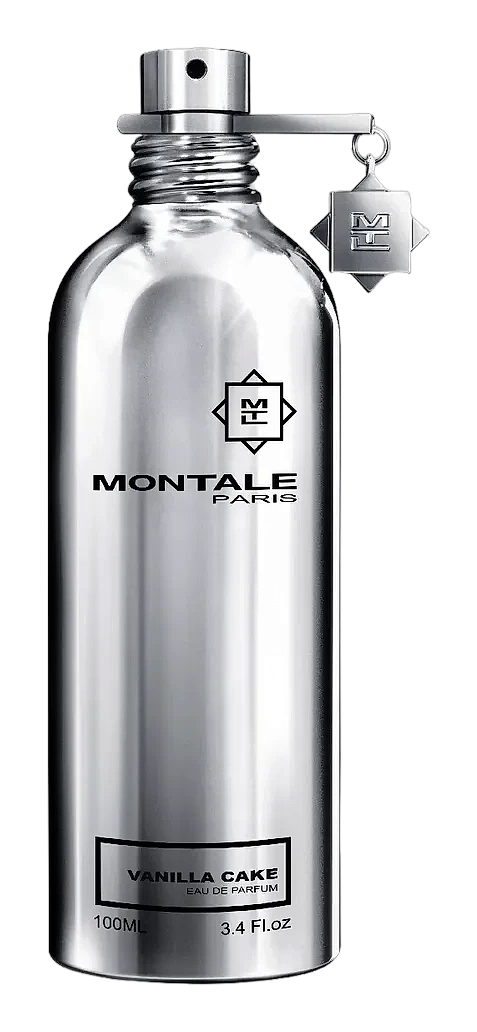
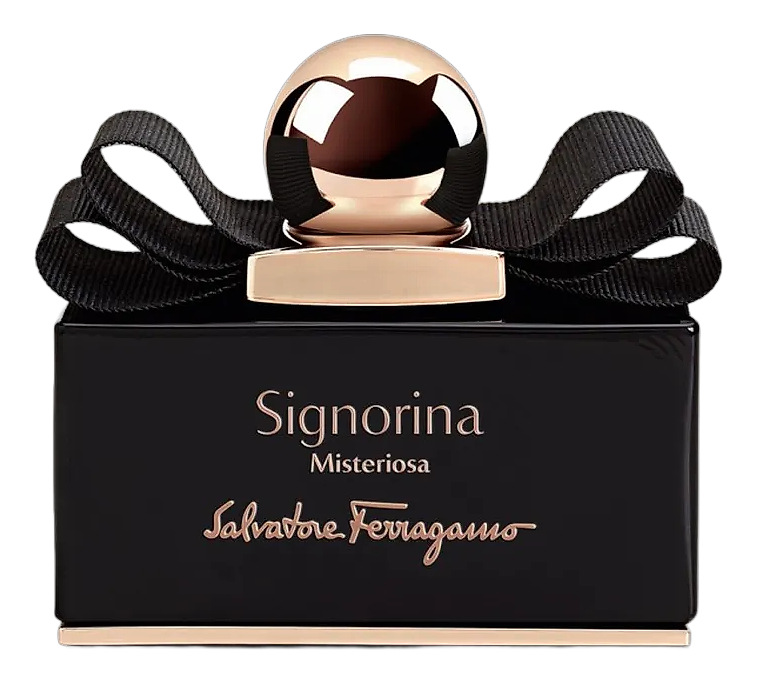
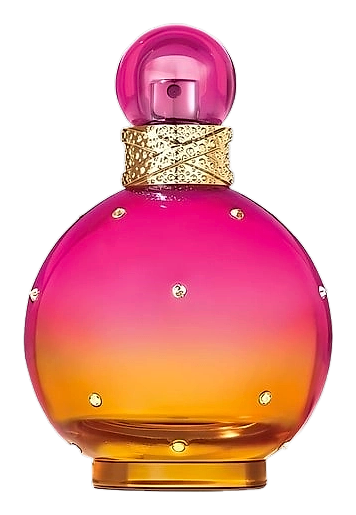
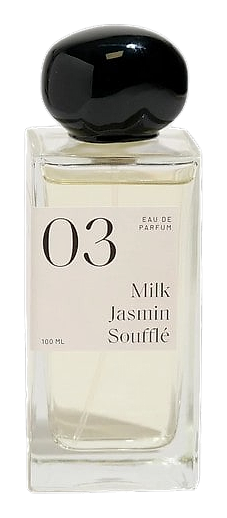
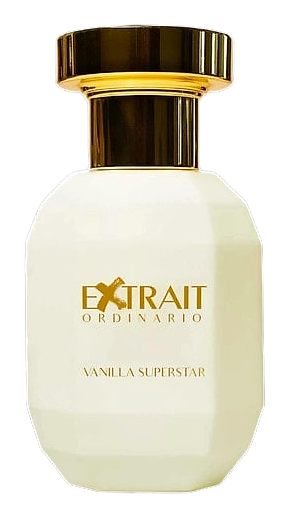
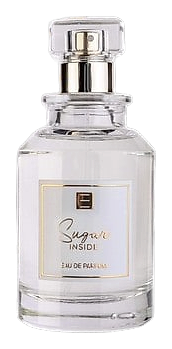
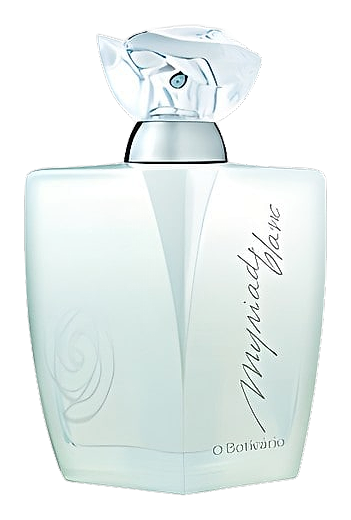
Brands
Brands known for Milk mousse
Good to know
Questions, answered
The essentials on Milk mousse in perfumery: how it smells, where it comes from, and how it behaves on skin.
What does Milk mousse smell like in perfume?
Milk mousse smells like fresh cream and warm dairy, with a soft, slightly sweet quality. It evokes the scent of milk warming on a kitchen counter, bringing comfort and skin-like warmth to fragrances. The note typically reads as creamy rather than sour, with lactonic richness that feels inviting.
Why is Milk mousse used in perfumery?
Milk mousse adds warmth and comfort to fragrances without heaviness. Perfumers use it to create gourmand and oriental compositions that feel edible and intimate. The note bridges edible and skin-like qualities, making it versatile across fragrance families. It works particularly well in modern fragrances seeking accessible, cozy aesthetics.
Is Milk mousse in perfume natural or synthetic?
Milk mousse is typically synthetic or nature-identical. Natural milk degrades quickly and produces inconsistent results in fragrance. Modern lactone chemistry creates molecules identical to those in real milk, achieving 99% olfactory accuracy while ensuring shelf stability. This approach gives perfumers reliable creative control.
What famous perfumes contain Milk mousse?
Milk mousse appears in over 200 gourmand and oriental fragrances launched since the 1990s. Thierry Mugler Angel popularized creamy food-like notes in 1992. Many modern skin-care fragrances and clean beauty scents also feature milk notes for their comforting, accessible character.
Is Milk mousse a top note, heart note, or base note?
Milk mousse functions primarily as a heart or base note in most compositions. The note has moderate volatility, emerging 15 to 45 minutes into wear as the top notes fade. Its staying power makes it valuable for adding lasting warmth to dry down phases. In some light compositions, it serves as an opening accord.
What notes pair well with Milk mousse in perfume?
Milk mousse pairs naturally with vanilla, caramel, and tonka bean for gourmand depth. It also complements sandalwood and musks for skin-like warmth. Citrus and green notes create contrast against the creamy milk character. Darker pairings with oud or amber amplify its oriental potential.
How is Milk mousse extracted?
Milk mousse does not come from extraction but from synthetic lactone chemistry. Gamma-decalactone, the primary milk-scented compound, is synthesized in laboratories using starting materials like castor oil derivatives. The process replicates molecules found in fermented dairy, producing nature-identical compounds without agricultural dependency.
Is Milk mousse used in men's or women's fragrances?
Milk mousse appears across gendered fragrance categories. While historically associated with feminine gourmand scents, perfumers increasingly use it in unisex and masculine compositions. Notes like sandalwood and amber paired with milk create gender-neutral warmth. Modern fragrance design prioritizes scent character over traditional gender categorization.