Acerola
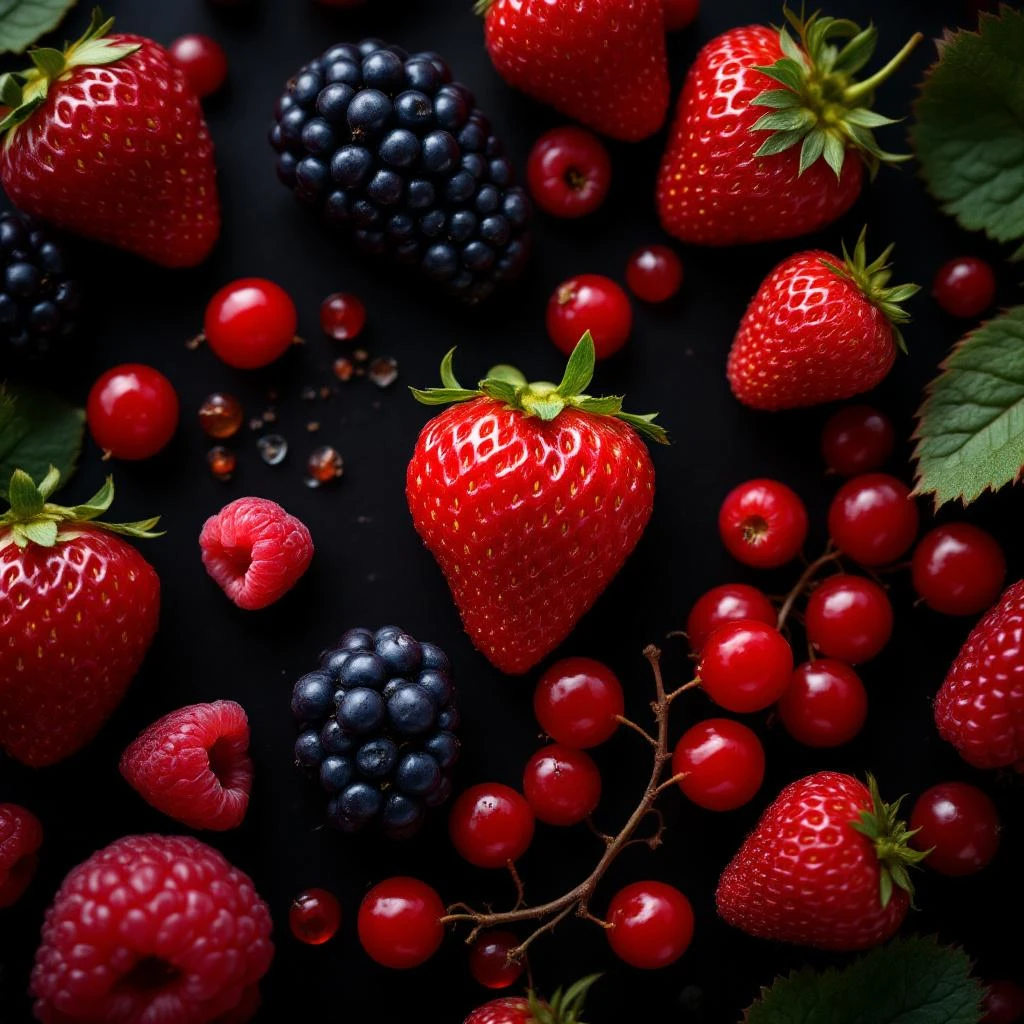
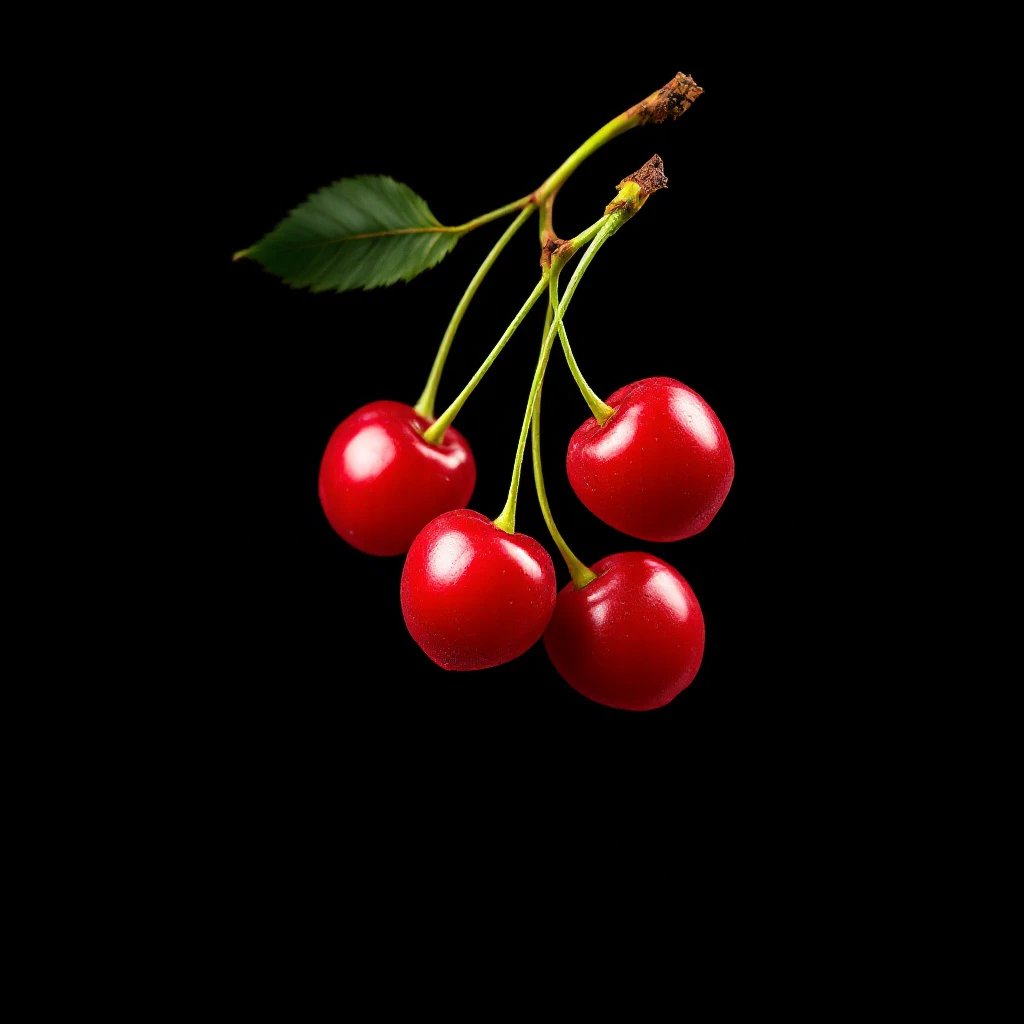
Acerola delivers bright, tart sweetness with tropical depth. Native to the Caribbean, this cherry packs exceptional vitamin C and translates into fragrances as a vivid, fruity top note.
Character
How it smells
The Caribbean cherry that brightens compositions.
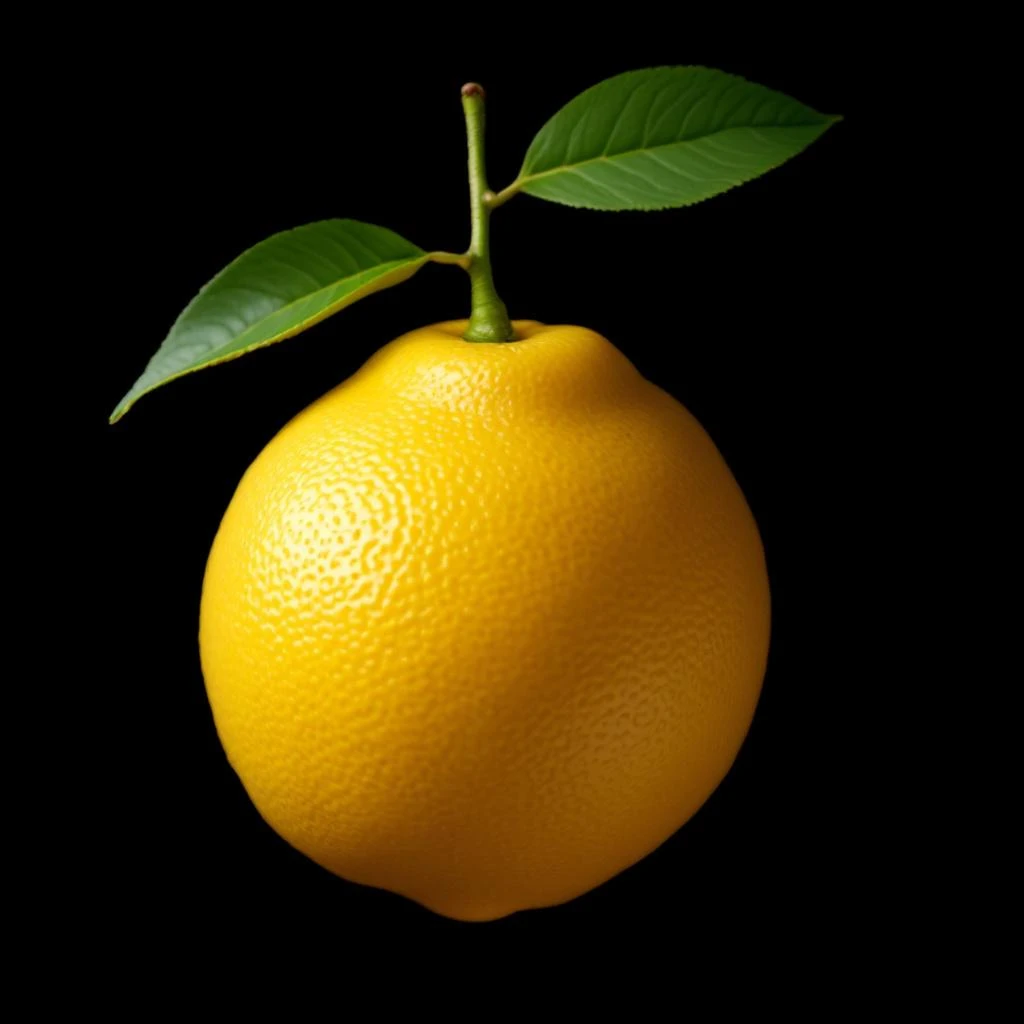
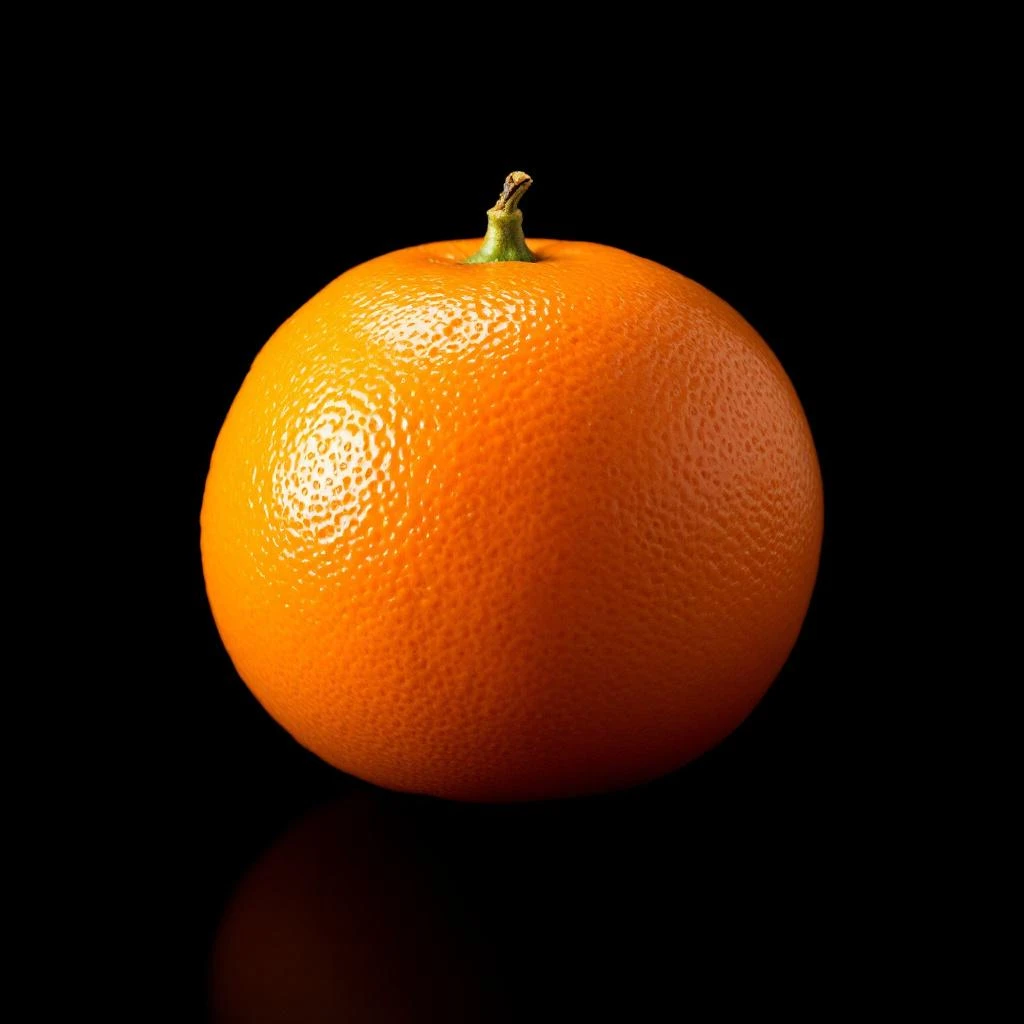
Acerola contains roughly 65 times more vitamin C per 100g than an orange, making it one of the most potent natural sources of this nutrient on Earth.


Origin
Mexico
Acerola originated in the tropical regions of Central America, Mexico, and the Caribbean, where indigenous populations used the fruit both fresh and dried. Spanish colonizers encountered the plant in the 16th century and documented its medicinal uses, particularly for treating digestive ailments and fever. The fruit remained primarily regional until the mid-20th century when nutritional scientists recognized its extraordinary vitamin C content, sparking global commercial interest.
While traditional perfumery never heavily incorporated acerola, the modern fragrance industry's shift toward fruity, natural-inspired compositions has elevated its status. Contemporary perfumers in Latin America and Southeast Asia now work with local acerola extracts to create tropical, fresh character in summer fragrances and lifestyle products.
Wears it best
Fragrances featuring Acerola
Brands
Brands known for Acerola
Good to know
Questions, answered
The essentials on Acerola in perfumery: how it smells, where it comes from, and how it behaves on skin.
Is acerola natural or synthetic in perfumery?
Acerola is entirely natural. Perfumers use solvent-extracted absolute derived from the fresh fruit of Malpighia emarginata.
What does acerola smell like?
Acerola delivers bright, tart sweetness with tropical fruit character. It reads as a more acidic, less sugary interpretation of cherry with hints of citrus and tropical undertones.
What position does acerola occupy in fragrance pyramids?
Acerola functions primarily as a top note. Its volatile fruity compounds emerge strongly in the opening minutes of wear before fading into the heart composition.
Can acerola replace cherry in fragrance formulations?
Acerola provides an alternative to traditional cherry notes but cannot fully replace them. It offers a greener, more tart character compared to benzaldehyde-driven cherry absolutes.
Is acerola commonly used in mainstream perfumery?
Acerola remains relatively niche in fine perfumery. It sees more use in functional fragrances, cosmetics, and lifestyle products that emphasize tropical or fresh fruit character.
How does acerola perform in combination with other ingredients?
Acerola pairs well with citrus oils, berry accords, and tropical bases. Its acidity can help brighten heavy floral or sweet vanilla compositions.
What distinguishes acerola from other tropical fruit extracts?
Acerola's exceptionally high vitamin C content reflects its concentrated aromatic profile. The extract contains a higher proportion of volatile acids compared to mango or passion fruit extracts.
Does acerola have stability issues in finished fragrances?
Like most fruity absolutes, acerola absolute shows moderate stability. It performs best in fragrance bases designed for shorter wear times or products where reapplication is acceptable.