Synthetic Base
Synthetic bases are lab-created aromatic molecules that form the architectural backbone of modern fragrances, enabling scents that naturals alone cannot achieve.
Character
How it smells
The invisible foundation of contemporary perfumery.
The first synthetic perfume ingredient, nitrobenzene, was created from nitric acid and benzene in the 19th century.
Pairs beautifully with




Origin
France
The rise of synthetic fragrance ingredients began symbolically in 1874, when chemists first synthesized vanillin in a laboratory. The modern perfume industry took shape in Paris between 1889 and 1921, when perfumers gained access to chemically produced molecules capable of replicating natural scents and inventing entirely new ones.
Early breakthroughs included coumarin, artificial musk, and cinnamaldehyde. By 1921, Chanel No.
5 demonstrated that synthetics could anchor a fine fragrance, forever changing the industry. Today, thousands of synthetic molecules exist, giving perfumers creative tools that naturals alone cannot provide.
Wears it best
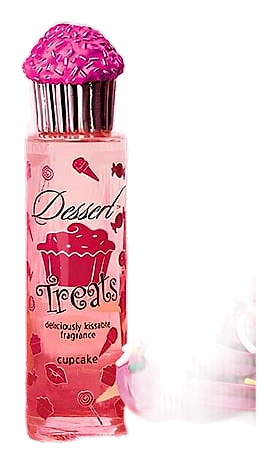
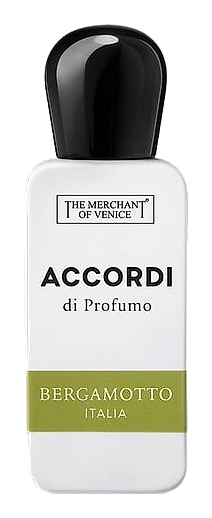
Fragrances featuring Synthetic Base
Brands
Brands known for Synthetic Base
Good to know
Questions, answered
The essentials on Synthetic Base in perfumery: how it smells, where it comes from, and how it behaves on skin.
What are synthetic fragrance bases?
Synthetic bases are lab-created aromatic molecules that provide structure, longevity, and novel scent profiles in fragrances. They are designed through organic chemistry to achieve specific olfactory effects that complement natural ingredients.
Are synthetic fragrance ingredients safe?
Safety is regulated by the International Fragrance Association (IFRA), which sets usage limits for over 3,000 fragrance materials. Every synthetic used in commercial perfumery undergoes extensive toxicological evaluation before approval.
How do synthetic bases differ from natural ingredients?
Natural ingredients vary with harvest conditions and contain hundreds of trace compounds, creating complex, evolving scents. Synthetics offer molecular precision, batch-to-batch consistency, and access to scent profiles like ozonic or metallic notes that do not exist in nature.
When did synthetic fragrances first appear?
The synthetic fragrance era began in 1874 with laboratory vanillin, shortly after mauveine dye was synthesized in 1856. The first truly aromatic synthetic, nitrobenzene, was created even earlier using nitric acid and benzene.
Why are synthetic bases important in perfumery?
Synthetic bases allow perfumers to build the backbone of a fragrance, providing stability and sillage over time. Without them, many modern scent profiles would be impossible to reproduce consistently or affordably.
What was Chanel No. 5's role in synthetic fragrance history?
Launched in 1921, Chanel No. 5 was the first fine fragrance to rely heavily on synthetic aldehydes. Its success proved that lab-created molecules could anchor a luxury perfume, marking a turning point for the entire industry.
What environmental concerns exist around synthetic fragrance ingredients?
Many synthetics are derived from petroleum, raising sustainability concerns. The industry is actively developing bio-based synthetics using fermentation and green chemistry methods to reduce petrochemical dependency.