2-methylundecanal
A citrus-forward aldehyde with deep roots in modern perfumery, 2-methylundecanal brings distinctive orange-herbaceous warmth to compositions. Found in trace amounts in kumquat peel, this fatty aldehyde bridges natural discovery and synthetic innovation.
Character
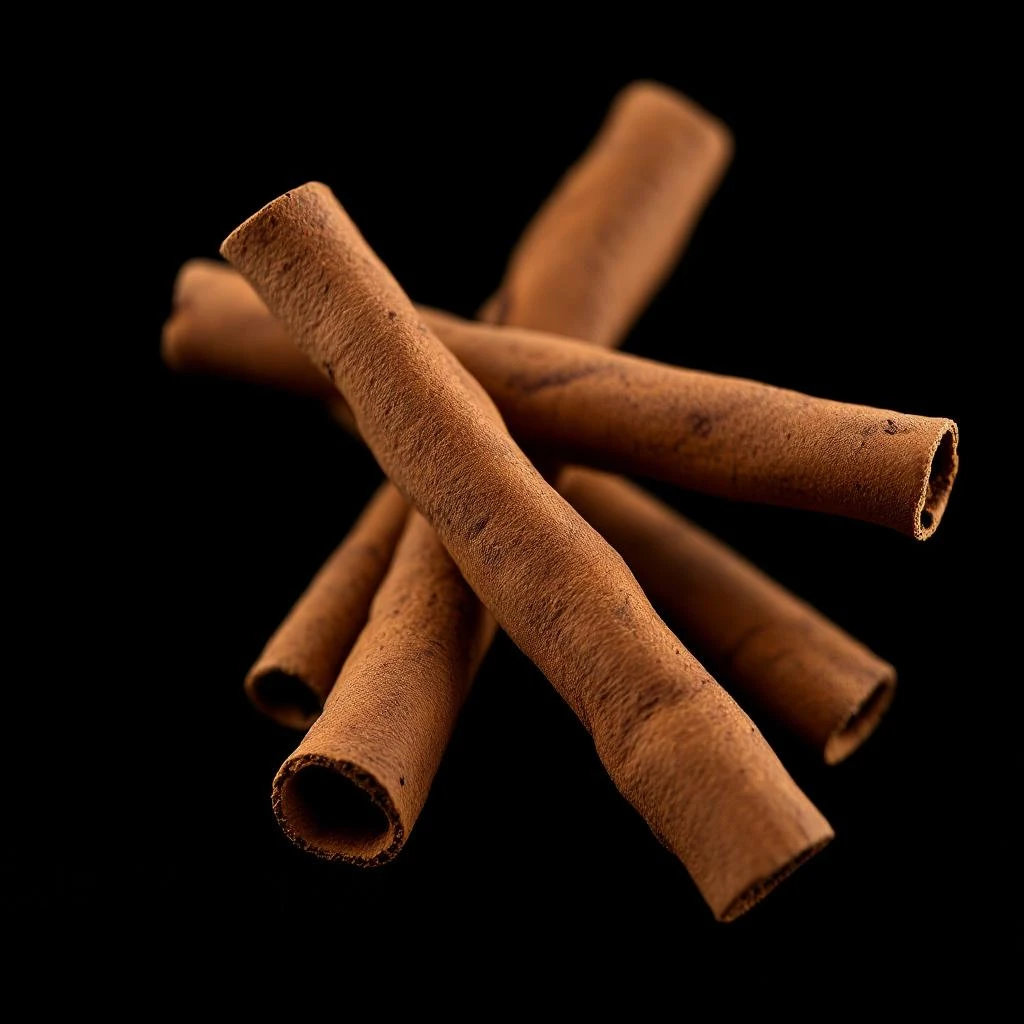
How it smells
The citrus aldehyde that shaped modern florals.
Despite its natural presence in kumquat, perfumers use 2-methylundecanal almost exclusively in synthetic form due to the minimal quantities available from the fruit.




Origin
United States
The aldehyde family entered perfumery in the early 19th century when German chemist Justus von Liebig first isolated these compounds in 1835, establishing the chemical foundation for synthetic fragrance development. 2-methylundecanal itself emerged as a significant perfumery material during the mid-20th century boom in synthetic ingredient research. Its inclusion in floral compositions became particularly notable as perfumers sought to create more complex, multifaceted citrus and green accords.
The molecule represents how the fragrance industry builds on fundamental organic chemistry discoveries to create signature ingredients that shape entire fragrance families. While early perfumers relied on natural citrus oils for orange notes, 2-methylundecanal offered a consistent, concentrated alternative that performed reliably across diverse product formats and conditions.
Wears it best
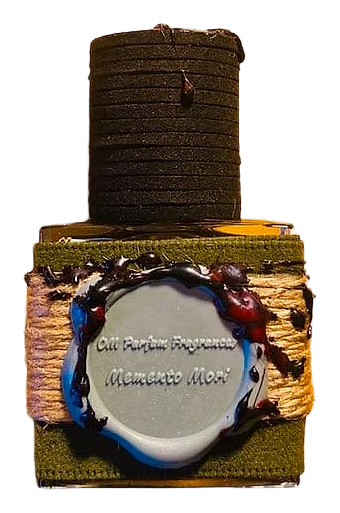
Fragrances featuring 2-methylundecanal
Good to know
Questions, answered
The essentials on 2-methylundecanal in perfumery: how it smells, where it comes from, and how it behaves on skin.
What is 2-methylundecanal?
2-methylundecanal is a fatty aldehyde (also called Aldehyde C-12 MNA) used for its orange-herbaceous scent profile in perfumery. It occurs naturally in kumquat peel oil at trace levels.
What does 2-methylundecanal smell like?
This aldehyde presents an orange, herbaceous character with subtle honey-nut undertones. It adds freshness and depth to floral and woody fragrance compositions.
Where does 2-methylundecanal originate?
While trace amounts exist naturally in kumquat peel, the commercial fragrance ingredient is produced synthetically from fatty acid derivatives.
Is 2-methylundecanal synthetic or natural?
The commercial ingredient is synthetic. Though detectable in kumquat (Citrus japonica), extraction from the fruit is economically unfeasible due to minimal concentrations.
What fragrance families use 2-methylundecanal?
This aldehyde blends particularly well with floral, woody, and amber compositions. It appears across fine fragrances, personal care products, and household scents.
Who discovered aldehydes in perfumery?
German chemist Justus von Liebig first isolated aldehydes in 1835. This discovery enabled the synthesis and application of aldehydic compounds in fragrance formulations.
Is 2-methylundecanal safe for cosmetic use?
When properly refined and used at recommended concentrations, 2-methylundecanal is considered safe for cosmetic and fragrance applications under international regulatory guidelines.
How does 2-methylundecanal perform in fragrance blends?
This aldehyde acts as an effective modifier and enhancer of citrus and green notes, adding complexity and a warm, slightly sweet character to finished compositions.