


Heritage
A house, in its own words
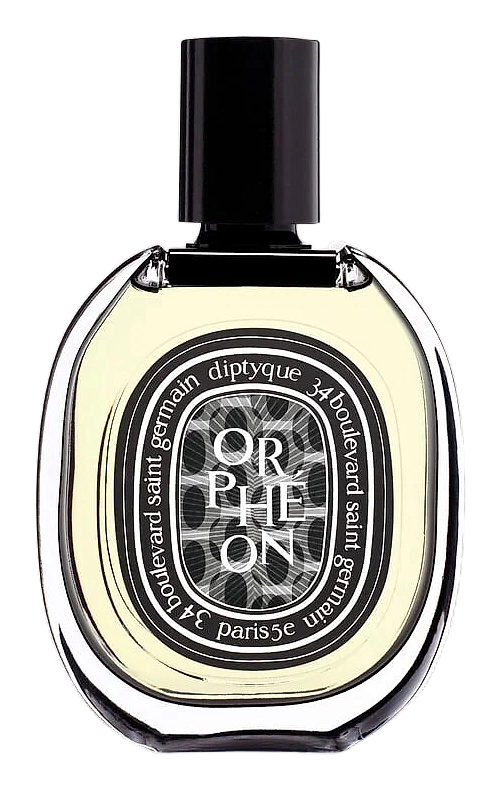
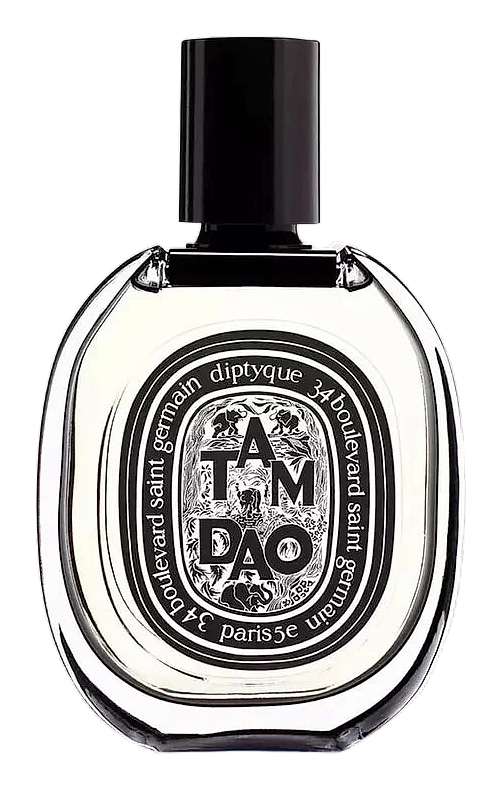
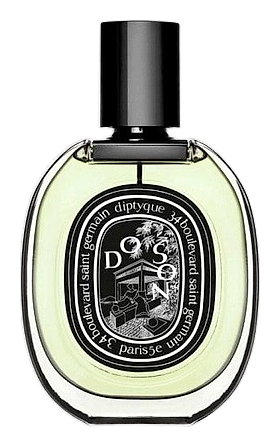
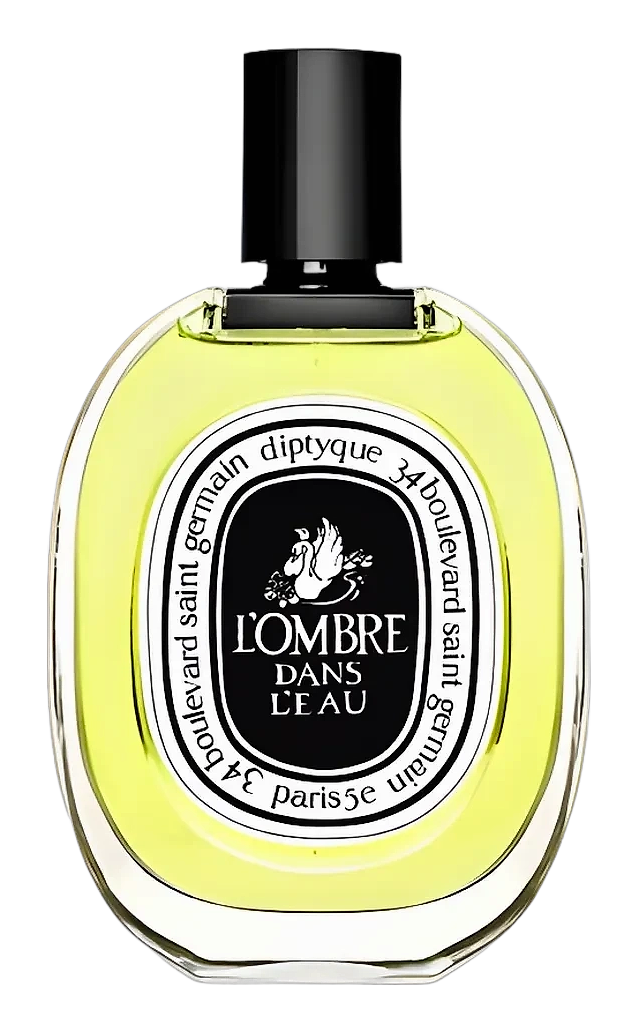
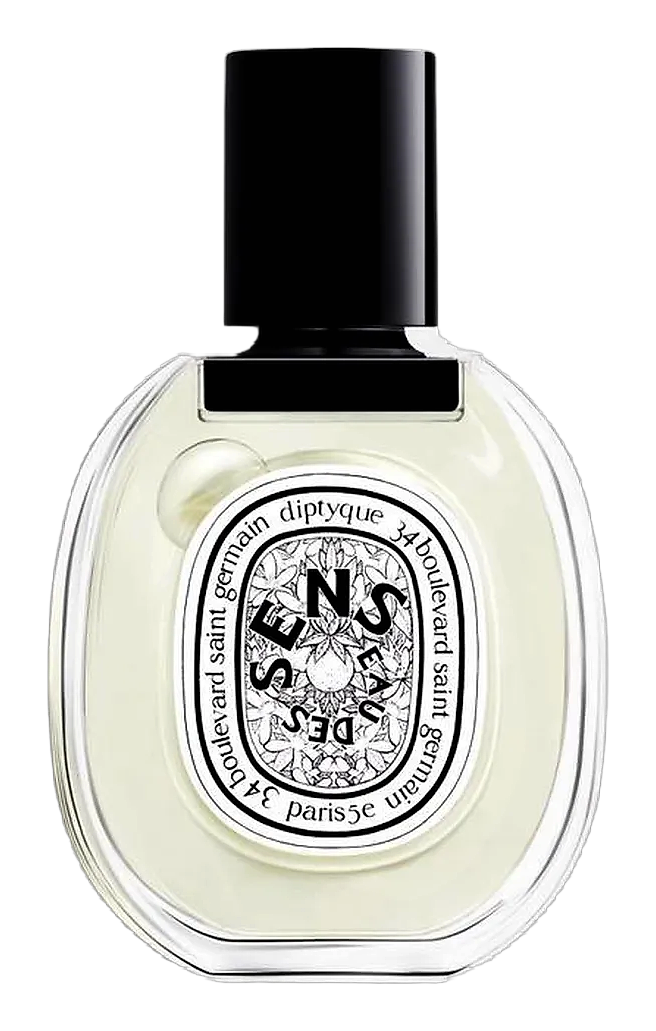
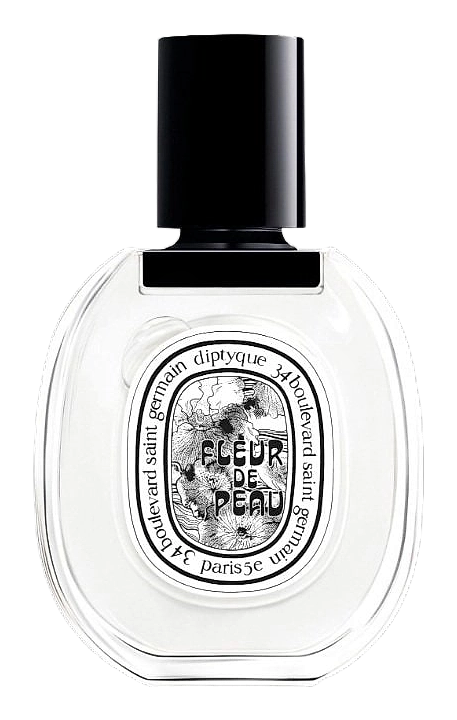
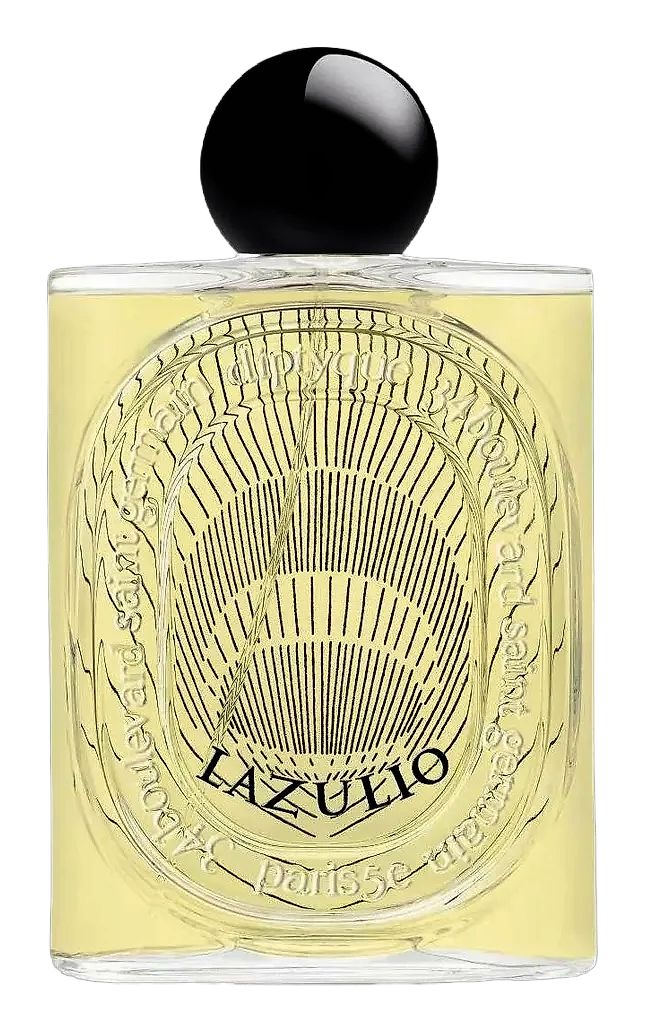
In 1961, three friends with artistic souls—painter Desmond Knox-Leet, interior designer Christiane Gautrot, and theater director Yves Coueslant—opened a shop at 34 Boulevard Saint-Germain in Paris. It wasn't a perfumery at first. It was a chic little bazaar where they sold their own printed fabrics alongside unusual objects they'd collected on their travels. The name, Diptyque, came from the store's two symmetrical windows, which reminded them of a two-paneled painting, or diptych. This artistic, curatorial spirit defined them from the start. Their foray into scent began in 1963 with a line of scented candles—Aubépine, Cannelle, and Thé—that quickly gained a cult following. But the true turning point came in 1968 with the launch of their first fragrance, L'Eau. Inspired by a 16th-century potpourri recipe and a pomander, it was a scent that broke from the conventions of its time. Over the following decades, Diptyque built a reputation for its evocative, narrative-driven perfumes that felt like personal memories rather than mass-market products. The 2005 acquisition by Manzanita Capital allowed the brand to expand globally, bringing its unique Parisian vision to a wider audience without losing the distinctive character that made it so special.
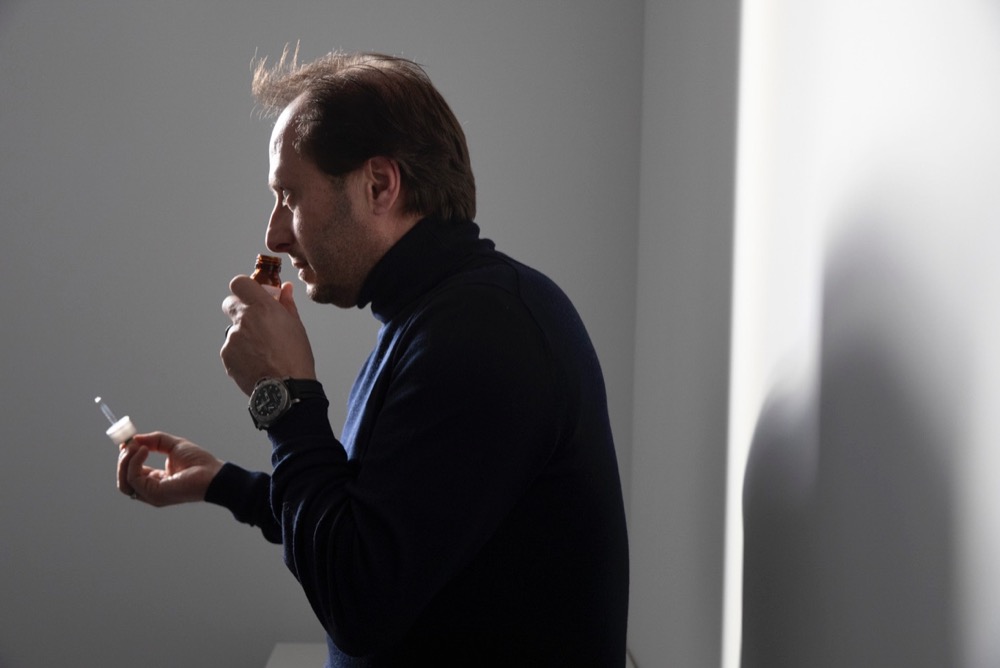
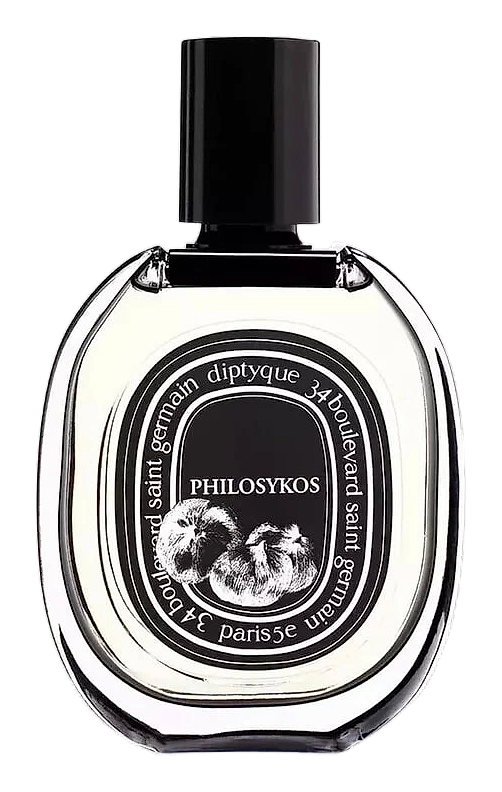
Diptyque's creative process is driven by memory, nature, and storytelling. They don't chase trends; they chase feelings. A fragrance often begins not with a marketing brief, but with a shared memory from one of the founders, a specific landscape, or a piece of literature. The goal is to create an 'olfactory landscape' that transports the wearer. Think of Philosykos, which doesn't just smell like fig fruit but captures the entire tree: the green leaves, the milky sap, and the warm wood. This approach gives their scents an intellectual and poetic quality. They are perfumes for people who are curious about the world and appreciate artistry in all its forms. The brand's philosophy is rooted in a belief that scent is a powerful form of expression, capable of painting pictures and telling stories that words cannot. It’s a quiet rebellion against the loud, commercial nature of modern perfumery, offering something more personal and contemplative.