The Story
Why it exists.
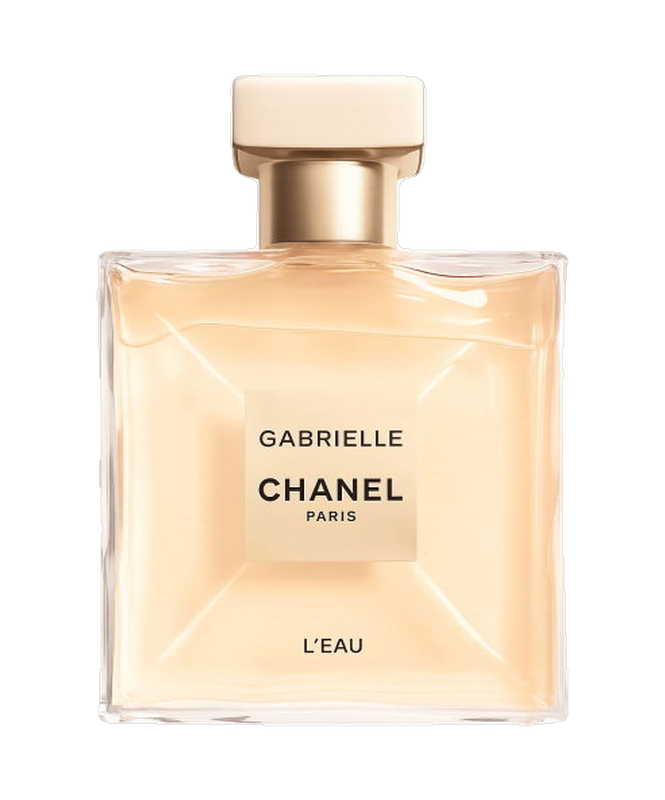
Before Coco, there was Gabrielle. Chanel's founder wasn't born into legend,she built herself into one, starting from nothing in a French orphanage and eventually reshaping how the world dressed, walked, and smelled. The name Gabrielle carries all of that: the woman before the myth, the person before the icon. Olivier Polge, house perfumer at Chanel from 2013 to 2023, understood this when he set out to create a fragrance named after Chanel herself. The brief was deceptively simple: compose around four classic white flowers,jasmine, ylang-ylang, orange blossom, and tuberose. But Polge, son of legendary Chanel nose Jacques Polge, had his own vision. He called it 'abstract,' a nod perhaps to Chanel No.5's revolutionary departure from duplication. This wasn't going to smell like a garden.
If this were a song
Community picks
Crystalised
The xx
The Beginning
Before Coco, there was Gabrielle. Chanel's founder wasn't born into legend,she built herself into one, starting from nothing in a French orphanage and eventually reshaping how the world dressed, walked, and smelled. The name Gabrielle carries all of that: the woman before the myth, the person before the icon. Olivier Polge, house perfumer at Chanel from 2013 to 2023, understood this when he set out to create a fragrance named after Chanel herself. The brief was deceptively simple: compose around four classic white flowers,jasmine, ylang-ylang, orange blossom, and tuberose. But Polge, son of legendary Chanel nose Jacques Polge, had his own vision. He called it 'abstract,' a nod perhaps to Chanel No.5's revolutionary departure from duplication. This wasn't going to smell like a garden.
What makes Gabrielle interesting is its refusal to commit. Polge didn't want you to say 'that smells like jasmine' or 'there's tuberose.' Instead, he averaged them,created what reviewers have called 'the mean average of a set of floral notes.' The result is a white floral that doesn't behave like a white floral. There's no heady, Narciso-esque bloom. No green stems or dewy petals. Just the essence of flower-ness, floating in a warm, slightly sweet haze. The abstraction isn't a flaw; it's the entire point. Polge wanted an imaginary flower, a perfect one that existed nowhere in nature because it existed everywhere in the concept of femininity that Chanel herself embodied.
The Evolution
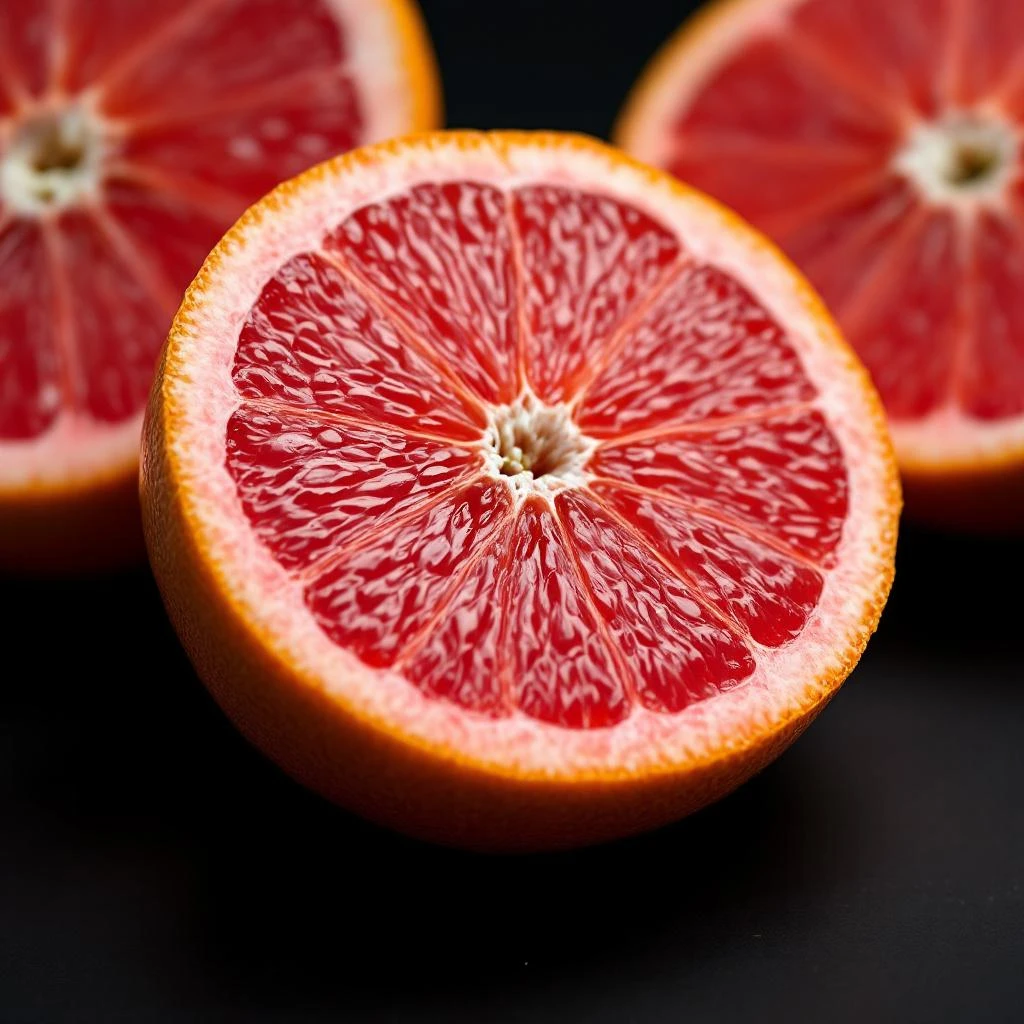
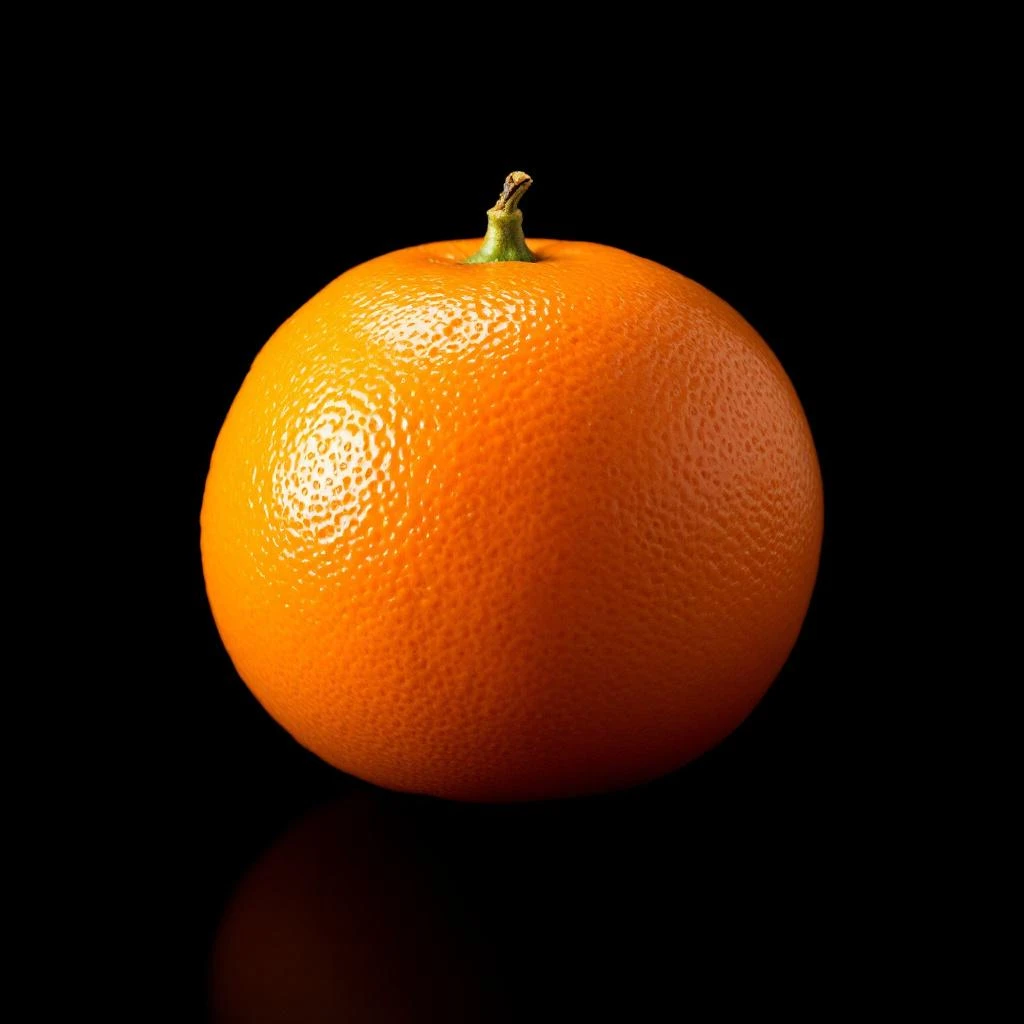
Gabrielle opens bright,almost aggressive in its cleanliness, like stepping into a sunlit bathroom with floor-to-ceiling windows. The grapefruit and mandarin hit quickly, joined by a soapy aldehyde note that signals 'this is Chanel, pay attention.' Within twenty minutes, the citrus retreats and the floral heart begins its slow unfurling. The jasmine emerges first, familiar and comforting, followed by the honeyed depth of ylang-ylang. Tuberose stays subtle, more implied than asserted. Four hours in, you're left with something soft and close,sandalwood and white musks that smell like warm skin, like the memory of a garden rather than the garden itself. On fabric, expect longevity closer to ten hours. On skin, closer to eight. The drydown on clothing is particularly lovely,a faint, powdery warmth that lingers until your next shower.
Cultural Impact
Gabrielle arrived when girlboss energy peaked, its messaging about a free and passionate woman mirrored mainstream feminism of the moment. Not Chanel's first rodeo with empowered femininity, but it felt particularly of its time: polished, Instagram-ready. The Kristen Stewart campaign brought edgy, androgynous cool that balanced the fragrance's softness. Whether it ages into timeless alongside No.5 remains to be seen. One thing's certain: it's among the most marketed fragrances of the 2010s, guaranteeing its place in the conversation.
The House
France · Est. 1910
The house that gave the world N°5 remains the definitive name in luxury fragrance. Founded by Gabrielle "Coco" Chanel, its perfume division pioneered the use of aldehydes and abstract composition, forever separating modern perfumery from the purely floral tradition. From Les Exclusifs to the iconic numbered line, Chanel represents the intersection of haute couture and olfactory art.
The Creator
Olivier PolgeGabrielle 'Coco' Chanel was born in 1883 in Saumur, France, and spent her early years in an orphanage after her mother's death. By the 1920s, she had transformed from a millinery assistant into the most influential designer of the 20th century, liberating women from corsets and inventing the modern concept of effortless chic. Her first fragrance, Chanel No.5, launched in 1921 and became the first perfume to bear a designer's name,a radical act of personal branding that defined the industry forever. Today, Chanel remains one of the few major fashion houses still family-controlled, with fragrance remaining a cornerstone of the empire. Olivier Polge joined as house perfumer in 2013, succeeding his father Jacques Polge in a rare father-to-son succession in perfumery. He held the position until his death in 2023, creating several notable fragrances including Gabrielle Chanel and Chanel No.5 L'Eau.
If this were a song
Community picks
Clean, luminous pop with a crystalline edge. Think synths that catch light like flower petals, vocals that float rather than belt. The sonic equivalent of a fragrance that announces itself without shouting,present in the room, impossible to ignore, gone before you can pin it down.
Crystalised
The xx