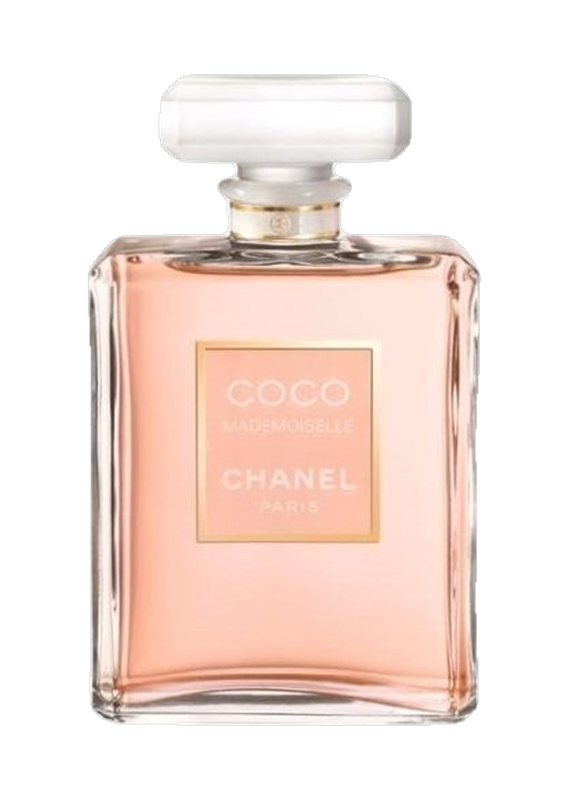

The Heritage
The Story of Chanel
The house that gave the world N°5 remains the definitive name in luxury fragrance. Founded by Gabrielle "Coco" Chanel, its perfume division pioneered the use of aldehydes and abstract composition, forever separating modern perfumery from the purely floral tradition. From Les Exclusifs to the iconic numbered line, Chanel represents the intersection of haute couture and olfactory art.
Heritage
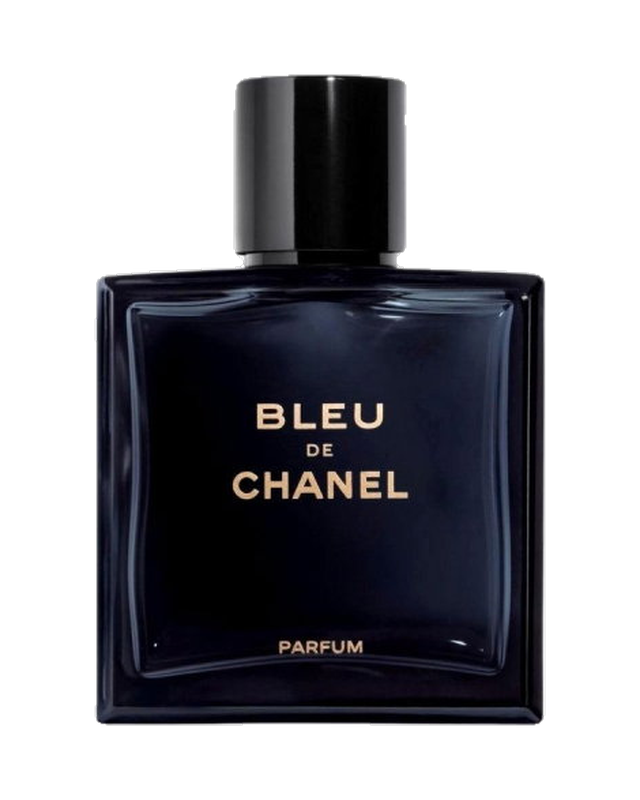
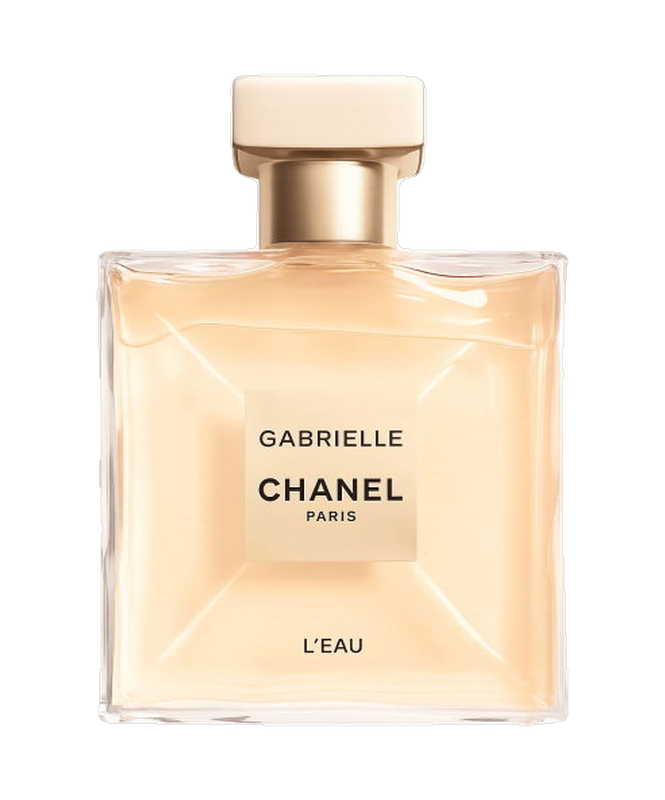
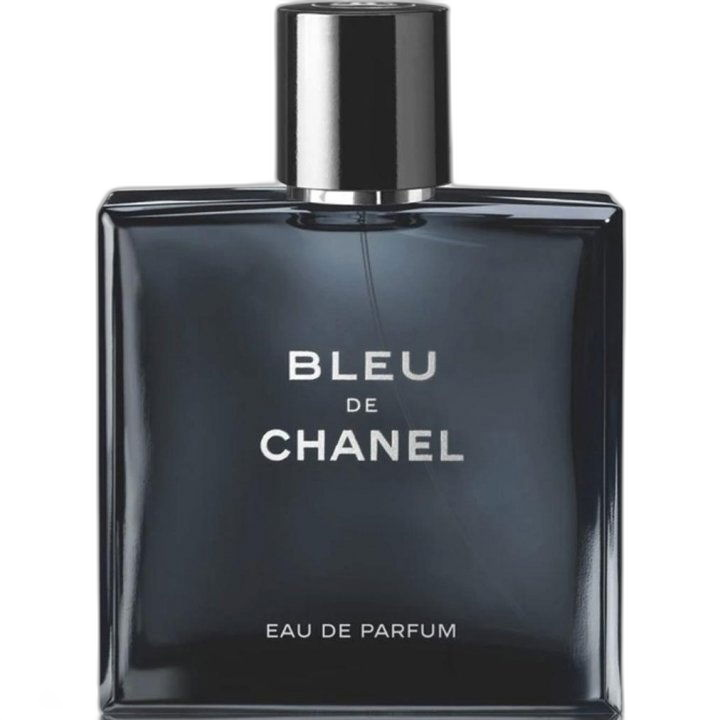
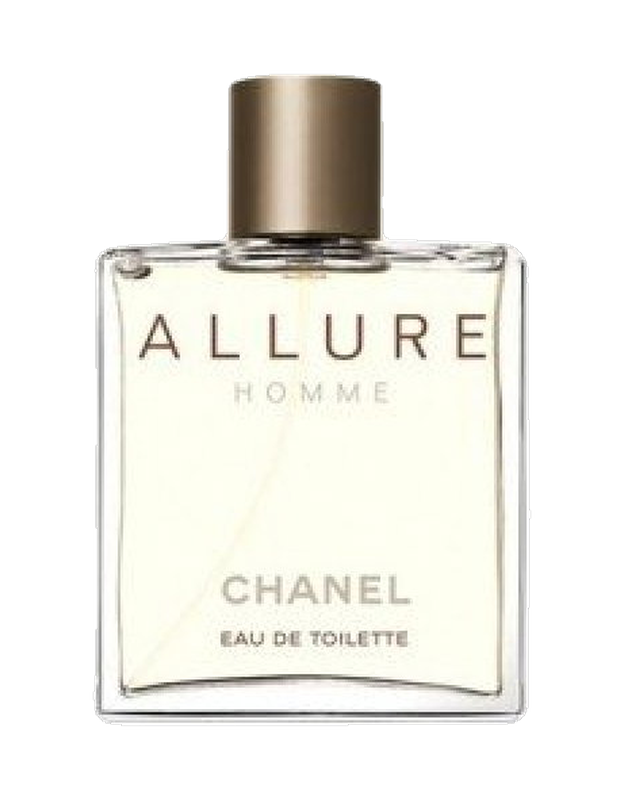
Gabrielle 'Coco' Chanel didn't just want to sell perfume; she wanted to create a signature. In 1921, she commissioned perfumer Ernest Beaux to make a scent that smelled like 'a woman, not a flower.' The result was N°5, a revolutionary composition overdosed with aldehydes that created a complex, abstract aroma unlike anything before it. It was an immediate sensation and established the template for modern perfumery. To scale the business, Chanel partnered with businessmen Pierre and Paul Wertheimer in 1924 to form Parfums Chanel. This relationship would prove contentious for decades, with Chanel fighting for greater control over the fragrance empire she inspired. Despite the conflicts, the brand flourished under a clear creative direction. After Beaux, perfumer Henri Robert created classics like Pour Monsieur and N°19, Coco's personal scent. In 1978, Jacques Polge began a 37-year tenure, defining the house for a new generation with hits like Coco, Allure, and the blockbuster Bleu de Chanel. Today, his son Olivier Polge continues the legacy as the fourth in-house perfumer, ensuring the Chanel style evolves without losing its soul.
Craftsmanship
Chanel stands apart through its near-total control over its fragrance creation, from flower to bottle. The house maintains its own fields in Grasse, the heartland of French perfumery, to cultivate the specific May rose and jasmine varietals essential for the N°5 extrait. This commitment ensures the consistency and quality of its most precious ingredients, a rarity for a brand of its size. This field work is paired with a state-of-the-art laboratory in Neuilly, where materials are processed and formulas are perfected. Every step is overseen by the in-house Master Perfumer, a role passed down through generations, which guarantees a continuous and coherent house style.
Design Language
The Chanel aesthetic is one of disciplined luxury and minimalist clarity. Its visual language is defined by clean lines, architectural shapes, and a stark black-and-white palette. The iconic N°5 bottle, with its simple rectangular form and a stopper shaped like Paris's Place Vendôme, is a masterpiece of understated design that looks as modern today as it did in the 1920s. This design philosophy extends across the entire range, from the weighty, magnetic caps of the Bleu de Chanel line to the uniform, monolithic bottles of Les Exclusifs. Holding a Chanel fragrance feels substantial; it's an object of quiet, confident beauty.
Philosophy
Chanel's philosophy is rooted in Gabrielle Chanel's own modernist principles: simplicity, structure, and an uncompromising vision of chic. The house doesn't chase trends; it creates them by adhering to a core belief in timelessness and quality. Each fragrance is conceived as an olfactory accessory, designed to complete a look and an attitude with the same precision as a couture jacket. There's an intellectual rigor to their creations, a focus on balance and abstraction rather than simple, sentimental florals. This is perfume as a statement of style, not just a pleasant scent.
Key Milestones
1910
Gabrielle 'Coco' Chanel opens her first shop, 'Chanel Modes,' in Paris.
1921
Perfumer Ernest Beaux creates Chanel N°5, which revolutionizes modern perfumery with its use of aldehydes.
1924
The 'Société des Parfums Chanel' is founded with partners Pierre and Paul Wertheimer to produce and sell fragrances.
1978
Jacques Polge is appointed as the third Master Perfumer for the House of Chanel.
2007
The Les Exclusifs de Chanel collection is launched, offering a more luxurious line of fragrances.
2015
Olivier Polge, son of Jacques, becomes the fourth Master Perfumer for Chanel.
At a Glance
Brand profile snapshot
Origin
France
Founded
1910
Heritage
116
Years active
Collection
5
Fragrances released
Avg Rating
3.2
Community sentiment